Botox Around the Mouth: What to Expect When Treating Smile Lines and Lip Wrinkles
Understanding the difference between muscle relaxants and volume replacement for perioral aging.
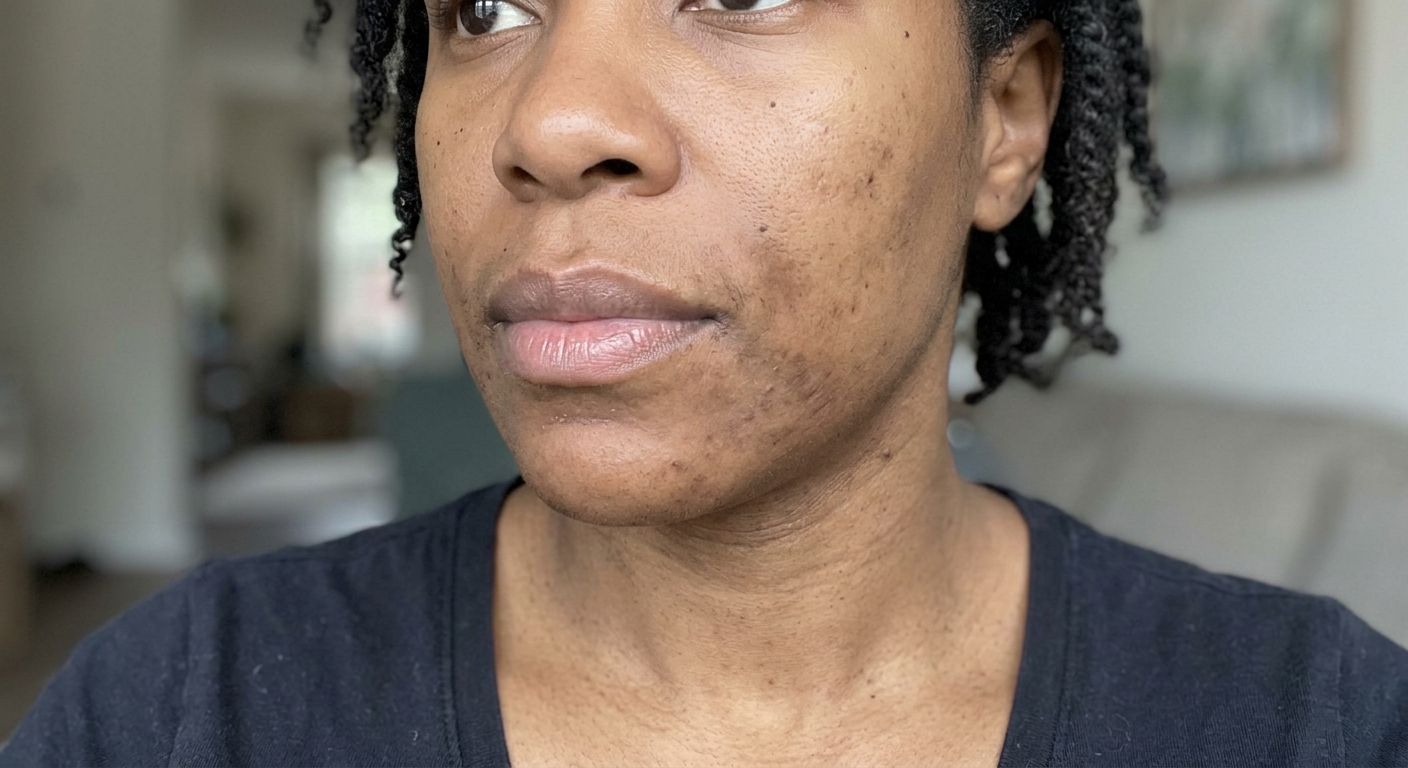
When people first notice fine lines radiating from their lips or deepening creases framing their smile, the instinct is often to book an appointment for injectables. Botox (and other neuromodulators like Dysport or Xeomin) has become the gold standard for freezing forehead lines and crow’s feet. It is only natural to assume it works just as well on the lower third of the face.
However, treating wrinkles around the mouth is structurally and functionally different from treating the upper face. The perioral area (the region surrounding the mouth) is one of the most dynamic, complex muscular zones in the human body. Before requesting Botox around your mouth, you need to understand exactly what it can—and cannot—do.
How Botox Works in the Lower Face
Botulinum toxin type A works by temporarily blocking the nerve signals that tell a muscle to contract. In the forehead, paralyzing the underlying muscle smooths out the skin above it because those muscles primarily serve to create expression.
Around the mouth, however, the muscles serve critical mechanical functions: speaking, chewing, sipping, and forming words. The primary target for “smokers’ lines” (vertical lip lines) is the orbicularis oris, the circular sphincter muscle that surrounds the mouth.
When a practitioner injects Botox into the orbicularis oris, they must use “micro-doses” (usually 1 to 2 units per injection point, compared to the 15–20 units used in the forehead) [1]. This subtle dosing aims to weaken the muscle just enough to stop the skin from deeply pleating when you purse your lips, without compromising your ability to drink from a straw or enunciate your words.
Botox (and other neuromodulators like Dysport or Xeomin) has become the gold standard for freezing forehead lines and crow’s feet.
What Botox Around the Mouth Can Treat
When administered correctly by a highly skilled injector, Botox can be remarkably effective for specific perioral concerns:
1. Vertical Lip Lines (“Smokers’ Lines”): By relaxing the orbicularis oris, Botox prevents the dynamic muscle contraction that folds the skin. Over time, this allows the skin to smooth out, making lines less visible even at rest [2].
2. The “Lip Flip”: Injecting small amounts of Botox into the upper lip border relaxes the muscle tension that pulls the lip inward. This allows the lip to gently roll outward, creating the illusion of a fuller upper lip without using dermal fillers.
3. Downturned Mouth (Marionette Lines): The depressor anguli oris (DAO) is a muscle that pulls the corners of the mouth downward, creating a permanent frown. Injecting Botox into the DAO releases this downward pull, allowing the elevator muscles to lift the corners of the mouth back to a neutral position [3].
The Limitations of Neuromodulators
The most common misconception about Botox is that it is a universal wrinkle eraser. If your perioral lines are “static” (meaning they are deeply etched into the skin even when your face is completely relaxed), Botox alone will not resolve them.
If you are looking to address the underlying cause of static lip lines—the breakdown of dermal collagen—neuromodulators are the wrong tool for the job.
Static lines are caused by a loss of collagen, elastin, and subcutaneous volume—not just muscle movement. As we age, the structural matrix of the dermis breaks down. A paralyzed muscle cannot fill a dermal depression. For static lines, practitioners typically combine Botox (to stop the repetitive folding) with hyaluronic acid fillers (to replace the lost volume) [4].
Furthermore, Botox around the mouth carries specific risks. Over-treatment can lead to asymmetrical smiling, difficulty drinking liquids, or a temporary speech impediment. Because the dosing is so small, the results also tend to fade faster than forehead Botox, usually requiring maintenance every 6 to 12 weeks.
The Structural Alternative: Retinoids
If you are looking to address the underlying cause of static lip lines—the breakdown of dermal collagen—neuromodulators are the wrong tool for the job. You cannot freeze your way to thicker skin.
This is where topical retinoids enter the equation. Retinol works at the cellular level, binding to retinoic acid receptors in the skin to stimulate the production of new collagen and elastin fibers [5]. While Botox treats the mechanical cause of the wrinkle, retinol treats the structural deficit left behind.
Consistent use of a high-quality retinol can thicken the epidermal layer, rebuild the dermal matrix, and smooth the appearance of fine lines without the risk of an asymmetrical smile or the need for frequent needle pokes.
For those hesitant about the irritation traditionally associated with retinoids on the delicate perioral skin, modern advancements have solved the delivery problem. Nanoretinol®, for example, encapsulates the active molecule in a lipid nanoparticle. This allows it to bypass the skin’s surface barrier without triggering the inflammatory response (redness, peeling, stinging) that typically makes retinoids difficult to use around the mouth. Clinical trials show Nanoretinol® yields a +232% increase in collagen recovery compared to conventional retinol formulations [6].
Combining Treatments
Dermatologists often advocate for a multifaceted approach to lower facial aging. A common protocol involves:
- Botox: To reduce the dynamic movement causing the initial crease.
- Dermal Fillers: To replace lost volume in deep nasolabial folds or marionette lines.
- Nanoretinol®: To fundamentally rebuild the skin’s thickness and elasticity from the outside in.
Whether you choose the needle, the serum, or a combination of both, understanding the biology of your wrinkles is the key to investing in treatments that actually work.
References
- Carruthers J, et al. “Botulinum Toxin Type A for the Perioral Region: A Review.” Dermatologic Surgery. 2003;29(5):464-471. doi:10.1046/j.1524-4725.2003.29124.x
- Ali A, et al. “Treatment of Perioral Lines with Botulinum Toxin Type A.” Aesthetic Surgery Journal. 2011;31(8):931-937. doi:10.1177/1090820X11424147
- Farkas JP, et al. “The Anatomy of the Aging Face: A Review.” Facial Plastic Surgery. 2013;29(2):141-150. doi:10.1055/s-0033-1341595
- Mukherjee S, et al. “Retinoids in the treatment of skin aging: an overview of clinical efficacy and safety.” Clinical Interventions in Aging. 2006;1(4):327-348. PMID: 18046911
- North Biomedical LLC. “Nanoretinol® vs. Conventional Retinol: Efficacy in Collagen and Elastin Recovery.” Clinical Study Summary, 2024.