Niacinamide Benefits for Skin: What This Ingredient Actually Does
A closer look at the science behind skincare's most versatile active
Open any skincare forum and niacinamide will appear within minutes. It sits alongside retinol and vitamin C as one of the most referenced ingredients in evidence-based skincare — and unlike many trends, it has held that position for two decades. The reason is straightforward: niacinamide genuinely works, and it works across a wider range of skin concerns than almost any other single ingredient.
This article explains exactly what niacinamide is, what the research shows it can do, and how to use it effectively — particularly if you are navigating skin changes in your forties and beyond.
What Is Niacinamide?
Niacinamide is a water-soluble form of vitamin B3 (nicotinamide). Unlike niacin, which causes flushing at high doses, niacinamide is non-flushing and well-tolerated by nearly all skin types [1]. It is synthesized naturally by the body but cannot be produced in sufficient quantities to achieve the skin-specific effects seen in topical use — which is why direct application at clinically studied concentrations matters.
At the cellular level, niacinamide serves as a precursor to nicotinamide adenine dinucleotide (NAD+), a coenzyme involved in cellular energy metabolism. This is relevant because NAD+ levels decline with age, and the downstream effects on skin cell function are measurable [2]. Topical niacinamide doesn’t reverse this comprehensively, but it does provide substrates that support multiple biological processes in the skin simultaneously.
This multi-pathway activity is what makes niacinamide unusual. Most skincare actives target one primary mechanism. Niacinamide intervenes at several. That breadth is also why it gets set against the shelf’s other default purchase, a question we settle in niacinamide vs hyaluronic acid.
The Five Core Niacinamide Benefits for Skin
1. Strengthens the Skin Barrier
The skin barrier — the outermost layer of the stratum corneum — is primarily composed of ceramides, fatty acids, and cholesterol. When this structure is intact, it prevents moisture loss and keeps irritants out. When it is compromised, skin becomes reactive, dry, and more sensitive to actives like retinol or acids.
Niacinamide directly stimulates the synthesis of ceramides and other key barrier lipids [3]. In a controlled study, topical nicotinamide increased ceramide levels in the stratum corneum by a statistically significant margin compared to control, with corresponding improvements in barrier function markers. For skin that has been stripped by harsh cleansers, over-exfoliation, or years of environmental exposure, this is a meaningful mechanical benefit — not a moisturizing effect, but a structural one.
This is also why niacinamide is frequently paired with retinol: retinol accelerates cell turnover but can temporarily weaken the barrier during adjustment. Niacinamide helps buffer that effect.
2. Reduces the Appearance of Hyperpigmentation
Dark spots form when melanocytes — the cells responsible for pigment — transfer melanosomes (pigment-containing granules) to surrounding skin cells at an elevated rate, usually triggered by UV exposure, hormonal changes, or post-inflammatory responses [4].
Niacinamide directly stimulates the synthesis of ceramides and other key barrier lipids.
Niacinamide interrupts this process by suppressing melanosome transfer without interfering with melanocyte function itself. This distinction matters. Ingredients that inhibit tyrosinase (the enzyme that initiates melanin production) can cause over-bleaching or rebound pigmentation. Niacinamide acts downstream, reducing how much pigment actually reaches the surface cells [4]. That upstream-versus-downstream split is the entire basis of the azelaic acid vs niacinamide decision.
Clinical studies have documented a measurable reduction in the surface area of hyperpigmented spots, yellowing, and uneven skin tone with regular topical niacinamide use at 5% concentration over 8–12 weeks [5]. The effect is modest compared to stronger prescription treatments, but it is real and cumulative.
3. Minimizes the Appearance of Enlarged Pores
This is one of the more visible effects of consistent niacinamide use, and it is frequently misunderstood. Pores do not open or close — they are fixed anatomical structures. What niacinamide appears to do is reduce sebum production and normalize follicular keratinization, which reduces the accumulation of material that stretches pores visually [6].
In a four-week study, twice-daily application of 2% niacinamide produced a statistically significant reduction in sebum excretion rate compared to vehicle, particularly in subjects with oily to combination skin. The clinical implication: smaller-looking pores are a secondary effect of sebum normalization, not a direct structural change.
4. Reduces Redness and Inflammation
Niacinamide has been used clinically in the management of rosacea-prone skin due to its ability to reduce skin redness and improve barrier function simultaneously [6]. For skin that flushes easily, reacts to temperature changes, or shows persistent diffuse redness, niacinamide functions as a calming adjunct without the risks associated with topical steroids or prescription vasoconstrictors.
The mechanism likely involves modulation of local inflammatory mediators — specifically prostaglandins — in the skin, though the full pathway is not yet completely characterized.
5. Visibly Reduces Fine Lines and Skin Yellowing
One of the earliest and most-cited niacinamide studies — a large randomized controlled trial by Bissett et al. — found that 5% niacinamide applied twice daily for 12 weeks produced significant improvements in fine lines, skin texture, redness, and hyperpigmentation in aging facial skin compared to vehicle control [5]. The reduction in skin yellowing (sallowness) is particularly notable because it is rarely addressed by other actives.
The proposed mechanism involves inhibition of non-enzymatic glycation — the spontaneous binding of sugars to proteins that yellows and stiffens collagen fibers over time. This process accelerates with age and UV exposure. By reducing glycation events in dermal collagen, niacinamide may help preserve collagen quality, not just quantity.
Who Benefits Most From Niacinamide?
Niacinamide is genuinely suitable for all skin types — it is one of the few actives for which this claim is not an exaggeration. It is water-soluble, non-comedogenic, and does not require a specific pH window to function (unlike vitamin C or AHAs).
For how the two actives actually compare when you have to choose, see niacinamide vs vitamin C.
That said, the benefits are most pronounced in:
- Skin in the 40s and beyond, where barrier function has declined, sebum production has changed, and hormonal pigmentation has become a concern
- Sensitive or rosacea-prone skin, where stronger actives cannot be tolerated and barrier support is a priority
- Oily and combination skin, where sebum regulation and pore appearance are primary goals
- Post-acne skin, where post-inflammatory hyperpigmentation lingers long after breakouts have resolved
How to Use Niacinamide
Concentration: 5% is the benchmark concentration used in most clinical studies. Products at 2–10% are broadly effective; higher concentrations do not meaningfully increase efficacy and may cause temporary flushing in some individuals. Our guide to the best niacinamide serum sets out exactly which concentrations each clinical trial used.
When to apply: Morning or evening — niacinamide is stable in most formulations and does not photosensitize skin, making it suitable for daytime use on the face or, through a niacinamide body lotion, on dry arms and legs, and a niacinamide sunscreen lets you fold it into your morning SPF step.
Layering: Apply after cleansing (a niacinamide cleanser is a gentle first step, though it rinses off too quickly to replace a leave-on product) and before heavier creams or oils, use a lightweight niacinamide toner if you prefer a watery step, or use a niacinamide moisturizer that combines both steps, while a niacinamide eye cream covers the thinner skin around the eyes. Niacinamide is water-soluble and absorbs rapidly, making it compatible with nearly every other skincare step.
The old “niacinamide + vitamin C” controversy: Earlier formulations of these two ingredients were reported to form a yellow pigment (niacin) when combined. This reaction is now considered negligible in modern stabilized formulations at room temperature. The pairing is considered safe and complementary by current consensus. For how the two actives actually compare when you have to choose, see niacinamide vs vitamin C.
Niacinamide and Retinol: A Considered Combination
Of all niacinamide pairings, the combination with retinol is the most studied and most clinically useful. Retinol drives cellular renewal — it accelerates the turnover of surface skin cells and stimulates collagen synthesis at the dermal level. But during the adjustment period (typically the first 4–8 weeks), retinol can compromise barrier integrity, causing dryness, peeling, and temporary sensitivity [7].
Niacinamide addresses this directly. By reinforcing the ceramide layer and reducing inflammation, it creates conditions under which retinol can be used more consistently and at higher concentrations without triggering the kind of irritation that causes people to abandon the ingredient altogether.
The practical implication is this: if you are using retinol and experiencing persistent barrier disruption, adding a niacinamide serum to your routine is a more targeted solution than reducing retinol frequency. It allows the retinol work to continue while the surface heals.
This synergy also explains why the delivery mechanism for retinol matters. Conventional retinol formulations rely on petrolatum derivatives and chemical penetration enhancers that actively disrupt the stratum corneum to force the retinol through — which is precisely what niacinamide is trying to repair. Encapsulated retinol formats — those that use lipid nanoparticles to carry the active through the barrier without damaging it — work in parallel with niacinamide’s barrier-restoring function rather than against it. You can read more about how this technology compares in our article on encapsulated retinol.
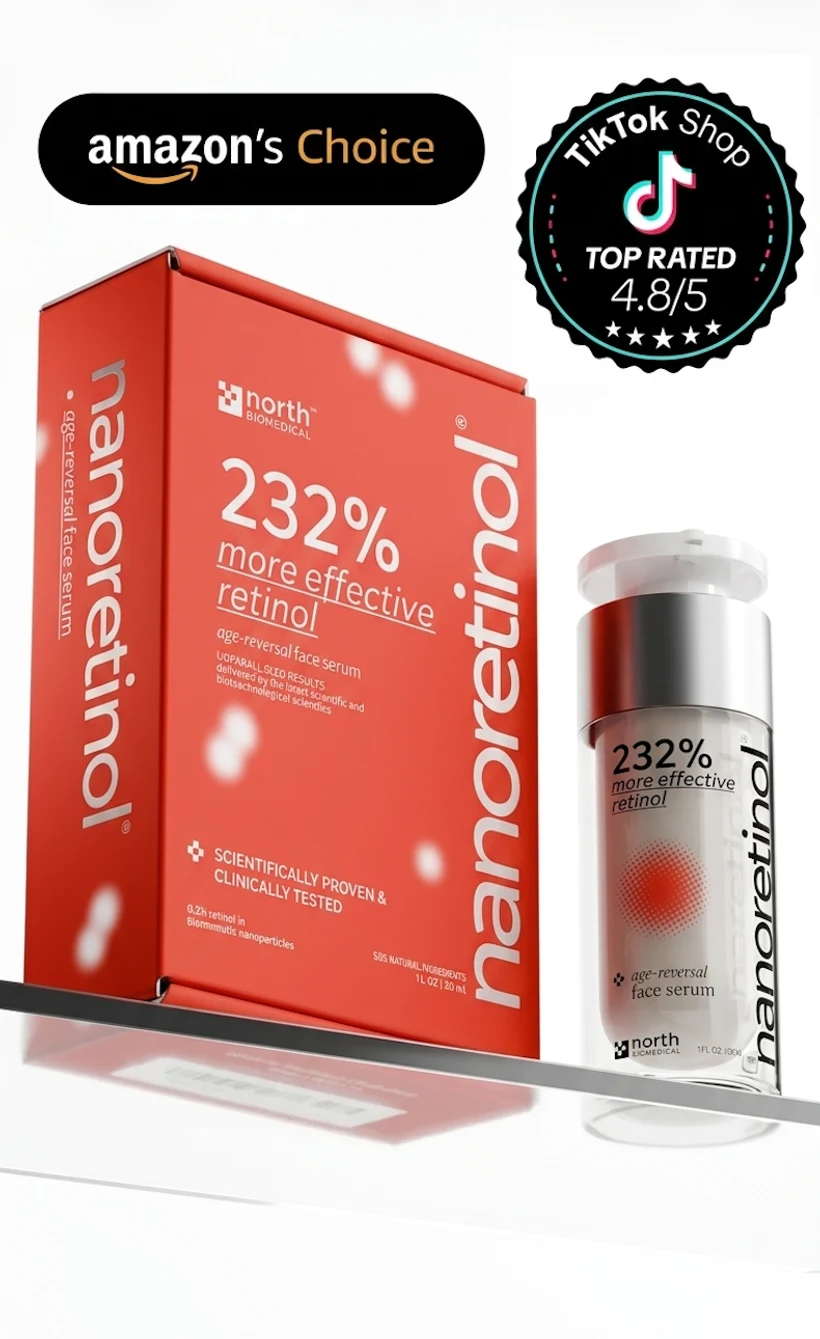
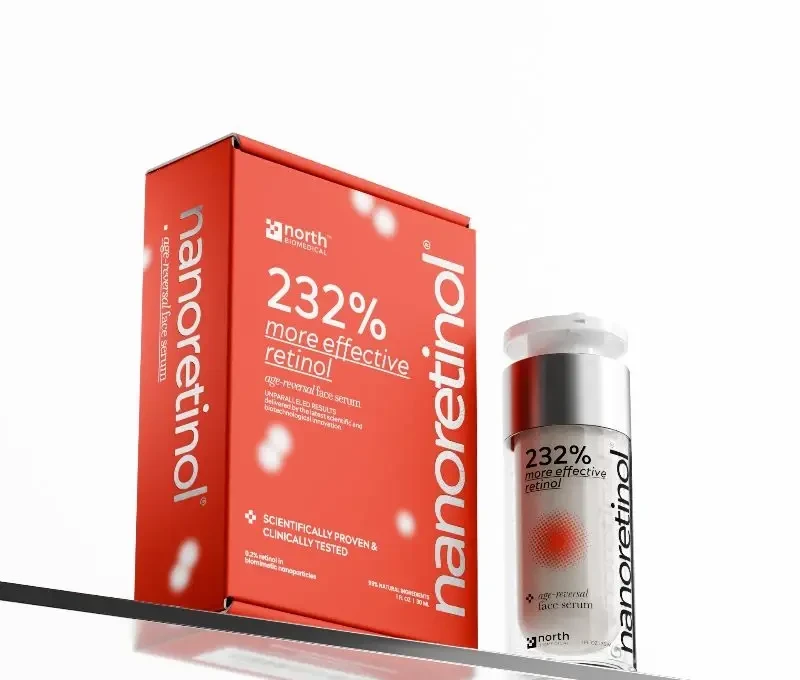
This is why Nanoretinol® pairs particularly well with a niacinamide routine: the nanoparticle delivery system bypasses the epithelial barrier without chemical disruption, meaning the barrier support you get from niacinamide is not being simultaneously undone by the retinol’s delivery mechanism. The two actives reinforce rather than undermine each other. For a deeper look at how the two ingredients interact, see our guide on using niacinamide and retinol together. And if you are choosing between them rather than layering, see niacinamide vs retinol.
References
-
Gehring W. “Nicotinic acid/niacinamide and the skin.” Journal of Cosmetic Dermatology. 2004;3(2):88–93. doi:10.1111/j.1473-2130.2004.00115.x
-
Covarrubias AJ, Perrone R, Grozio A, Verdin E. “NAD+ metabolism and its roles in cellular processes during ageing.” Nature Reviews Molecular Cell Biology. 2021;22(2):119–141. doi:10.1038/s41580-020-00313-x
-
Tanno O, Ota Y, Kitamura N, Katsube T, Inoue S. “Nicotinamide increases biosynthesis of ceramides as well as other stratum corneum lipids to improve the epidermal permeability barrier.” British Journal of Dermatology. 2000;143(3):524–531. doi:10.1046/j.1365-2133.2000.03705.x
-
Hakozaki T, Minwalla L, Zhuang J, et al. “The effect of niacinamide on reducing cutaneous pigmentation and suppression of melanosome transfer.” British Journal of Dermatology. 2002;147(1):20–31. doi:10.1046/j.1365-2133.2002.04834.x
-
Bissett DL, Miyamoto K, Sun P, Li J, Berge CA. “Topical niacinamide reduces yellowing, wrinkling, red blotchiness, and hyperpigmented spots in aging facial skin.” International Journal of Cosmetic Science. 2004;26(5):231–238. doi:10.1111/j.1467-2494.2004.00228.x
-
Draelos ZD, Ertel K, Berge C. “Niacinamide-containing facial moisturizer improves skin barrier and benefits subjects with rosacea.” Cutis. 2005;76(2):135–141. PMID: 16209160
-
Mukherjee S, Date A, Patravale V, Korting HC, Roeder A, Weindl G. “Retinoids in the treatment of skin aging: an overview of clinical efficacy and safety.” Clinical Interventions in Aging. 2006;1(4):327–348. doi:10.2147/ciia.2006.1.4.327