Skin Laxity: What Causes It and the Treatments With Real Evidence
Why skin loses its snap-back after 40 — and which interventions actually rebuild what's missing.
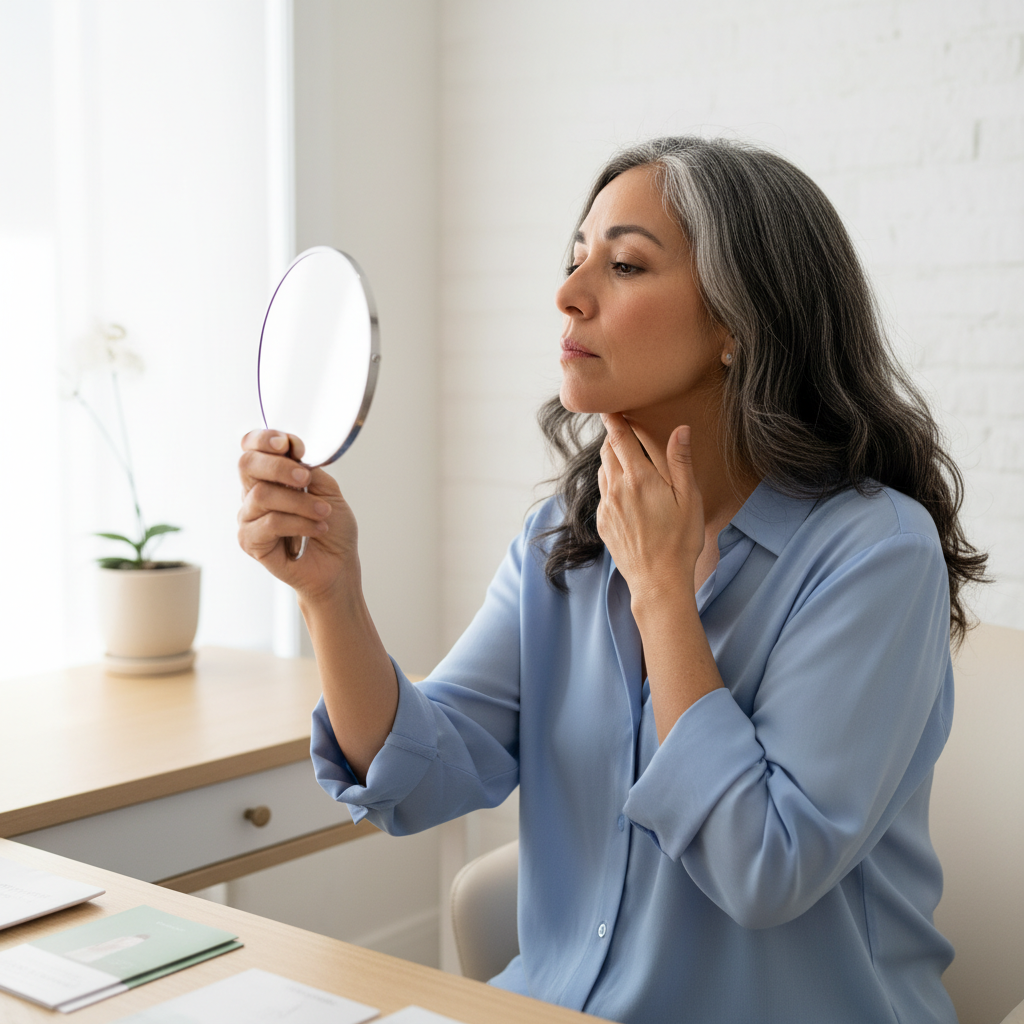
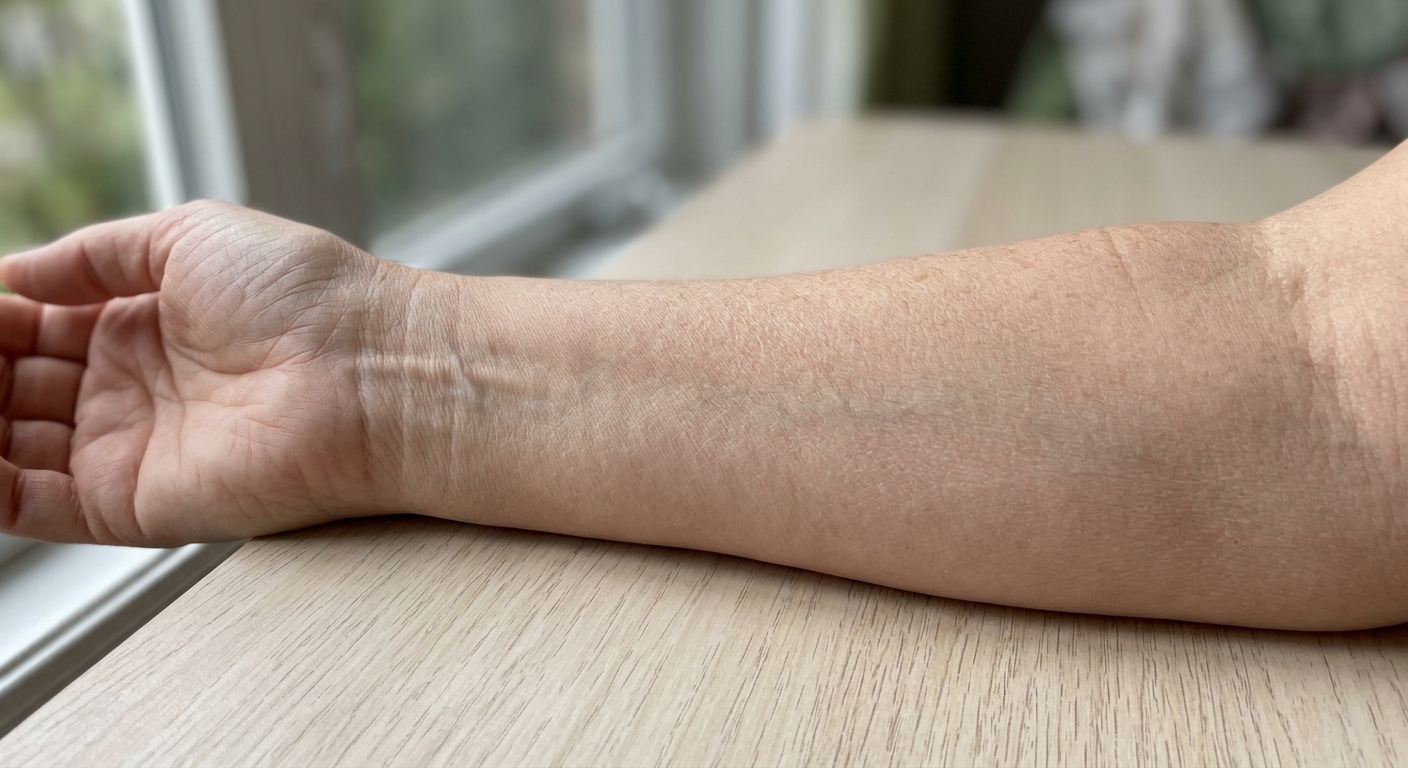
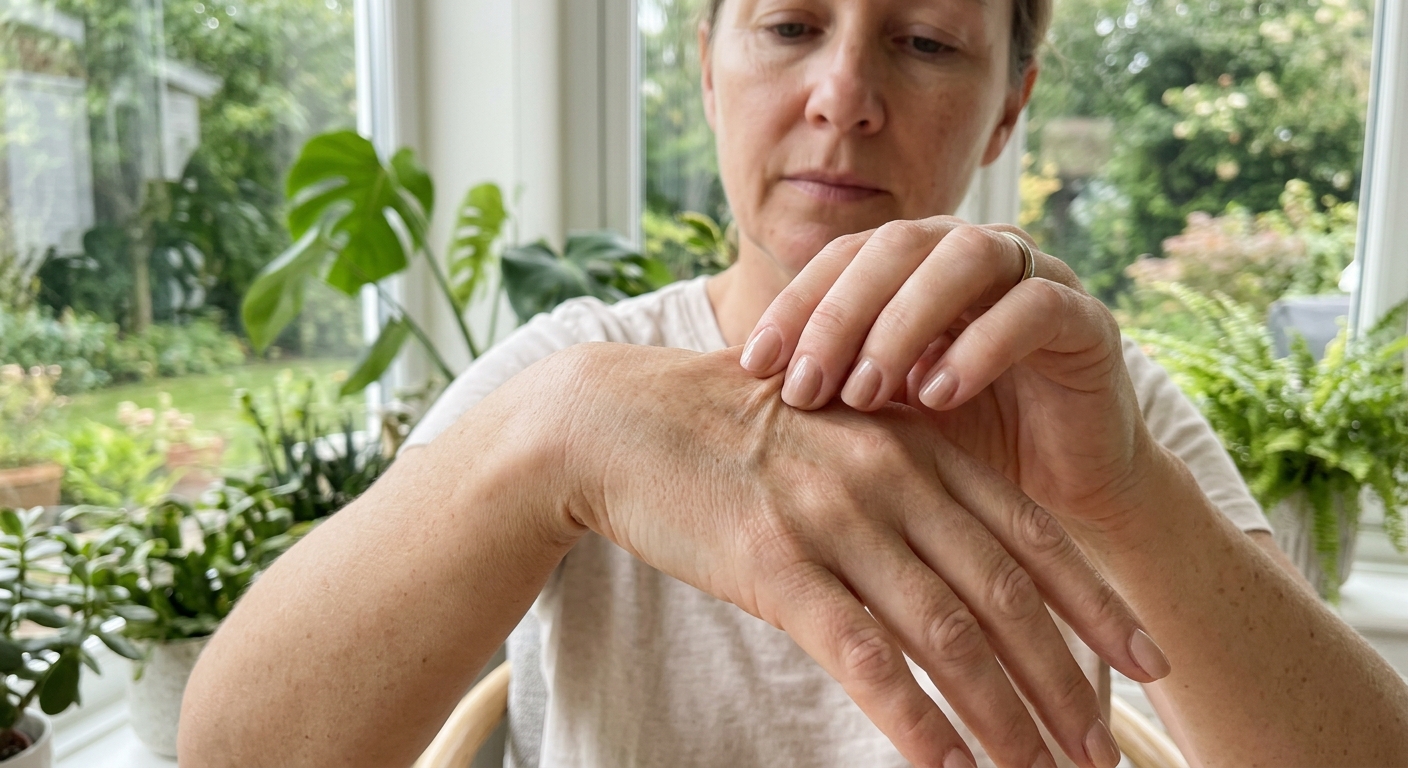
There’s a small test most women do without realizing it: pinch the back of your hand, then let go. In your twenties, the skin snaps back instantly. In your forties, it lingers for a beat. In your sixties, you can sometimes count to two before the skin returns to flat. That delay is skin laxity in real time — the gradual loss of the elastic recoil that used to be automatic.
Laxity isn’t quite the same thing as a wrinkle, and it isn’t the same as sagging from volume loss. It’s the underlying mechanical change that lets both wrinkles and sagging happen. Understand laxity and you understand why most “firming” creams don’t work — and which interventions actually do. It also explains what a toning device can and cannot reach, which our best microcurrent device guide works through in detail.
What Skin Laxity Actually Is
Your skin has two structural proteins that determine how it behaves mechanically. Collagen provides tensile strength — it’s what stops skin from tearing when you stretch it. Elastin provides recoil — it’s what makes skin spring back to its original shape after the stretch ends. Together, they form a kind of woven scaffold inside the dermis.
Type I collagen, the dominant form in skin, declines with age in a measurable way. Postmenopausal women lose roughly 2.1% of their dermal collagen per year, with up to 30% lost in the first five years after menopause [1]. Elastin is worse: unlike collagen, elastin is essentially not replaced after early adulthood. The elastin you have in your forties is largely the elastin you had in your twenties, minus whatever has been damaged in between.
When the scaffold thins and the recoil protein degrades, three things happen. Skin sits looser at rest. It takes longer to bounce back after being pulled, pinched, or pressed. And gravity has more leverage on it — which is why jowls and sagging cheeks tend to appear in the same decade that the pinch test starts taking longer.
The Three Major Drivers
1. UV-induced enzyme breakdown. This is the single biggest contributor in lighter skin types. Ultraviolet radiation generates reactive oxygen species, which activate matrix metalloproteinases — enzymes that cleave collagen and elastin. UV elevates MMP-1, MMP-3, and MMP-9 in human skin, breaking down the dermal scaffold faster than fibroblasts can rebuild it [2]. The cumulative effect across decades is dramatic. People in their fifties who consistently used SPF look mechanically younger than peers who didn’t, holding all else equal.
2. Estrogen decline. Estrogen is a direct stimulator of fibroblast activity. When estrogen levels fall in perimenopause and menopause, fibroblasts produce less collagen, hyaluronic acid drops, and the skin barrier becomes thinner [3]. This is why so many women describe their skin “changing overnight” in their late forties — the hormonal switch is real and measurable.
Your skin has two structural proteins that determine how it behaves mechanically.
3. Glycation. Sugars in the bloodstream can bind to collagen and elastin in a process called glycation, forming advanced glycation end-products (AGEs). These cross-linked proteins are stiffer, more brittle, and more resistant to repair. Read more about this mechanism in glycation and skin.
The Topical Treatments With Real Evidence
A surprising number of “firming” creams have no clinical data. The ones that do all share a common feature: they don’t just hydrate temporarily, they signal fibroblasts to behave differently.
Retinoids — the only ingredient class that consistently rebuilds the scaffold
Topical retinoids are the most thoroughly studied dermal-rebuilding ingredient. In Griffiths’ landmark NEJM trial, tretinoin treatment of photodamaged skin produced an 80% increase in collagen I formation, compared with a 14% decrease with vehicle alone [4]. The mechanism is bidirectional: retinoids upregulate the genes for collagen, elastin, and fibronectin in fibroblasts, while simultaneously suppressing MMP-1 and MMP-9 expression [5]. More new scaffold gets laid down. Less existing scaffold gets torn apart.
Retinol — the over-the-counter form of retinoid — is converted to retinoic acid in the skin and produces the same effects, just somewhat less aggressively. A 2015 randomized trial showed that 0.2% retinol matched 0.025% tretinoin’s improvement in nasolabial folds and overall photoaging metrics, with substantially better tolerability [6]. For laxity specifically, retinoids are the strongest topical lever you have.
Vitamin C — the cofactor for collagen cross-linking
Topical L-ascorbic acid is the second pillar. Vitamin C is required for the enzymatic step that cross-links collagen molecules into mature, load-bearing fibers. Without enough vitamin C, the collagen your fibroblasts make is functionally weaker. Six-month trials of 5% vitamin C have shown significant improvement in skin furrows and histologically confirmed new collagen [7]. Pair it with retinol — vitamin C in the morning, retinol at night — and you cover both the daytime antioxidant defense and the nighttime rebuilding signal.
Peptides
Signal peptides like Matrixyl 3000 mimic the breakdown products of collagen, tricking fibroblasts into producing more. Copper peptides (GHK-Cu) similarly upregulate collagen synthesis. They’re milder than retinoids but useful for stacking, especially in users with sensitive skin who can’t tolerate higher retinoid doses.
Six-month trials of 5% vitamin C have shown significant improvement in skin furrows and histologically confirmed new collagen.
What Doesn’t Build New Scaffold
Hyaluronic acid plumps. Glycerin hydrates. Both make skin look firmer immediately, but they don’t change the underlying laxity — the moment the moisture leaves, the appearance reverts. They are useful, but they are not anti-laxity ingredients in any meaningful structural sense.
“Tightening” creams that produce a temporary tight feeling on application are usually doing it through alcohol or astringent ingredients. The feeling is real; the structural effect is zero. Building muscle falls into a similar category where laxity specifically is concerned, as explained in strength training for loose skin.
In-Office Options Worth Knowing
For moderate-to-severe laxity, in-office treatments can produce results that topicals alone won’t reach in any reasonable timeframe. Microneedling with or without radiofrequency triggers a controlled wound response that stimulates collagen synthesis. Ultrasound (Ultherapy) and radiofrequency (Thermage, Morpheus8) heat the deeper dermis to denature existing collagen and trigger remodeling. Fractional lasers ablate columns of skin to drive a more aggressive rebuilding response.
These work best in people who maintain a consistent topical routine — the in-office treatment kicks off the rebuild, and daily retinol keeps the new collagen accumulating.
The Smarter Retinol for Lax Skin
Lax skin is often thinner skin, and thinner skin is more easily irritated. The conventional retinol formulations that drive real collagen rebuilding tend to also drive redness, peeling, and barrier disruption — particularly in postmenopausal skin where the barrier has already weakened. Many women conclude they “can’t tolerate retinol” when the issue is the formulation, not the molecule.
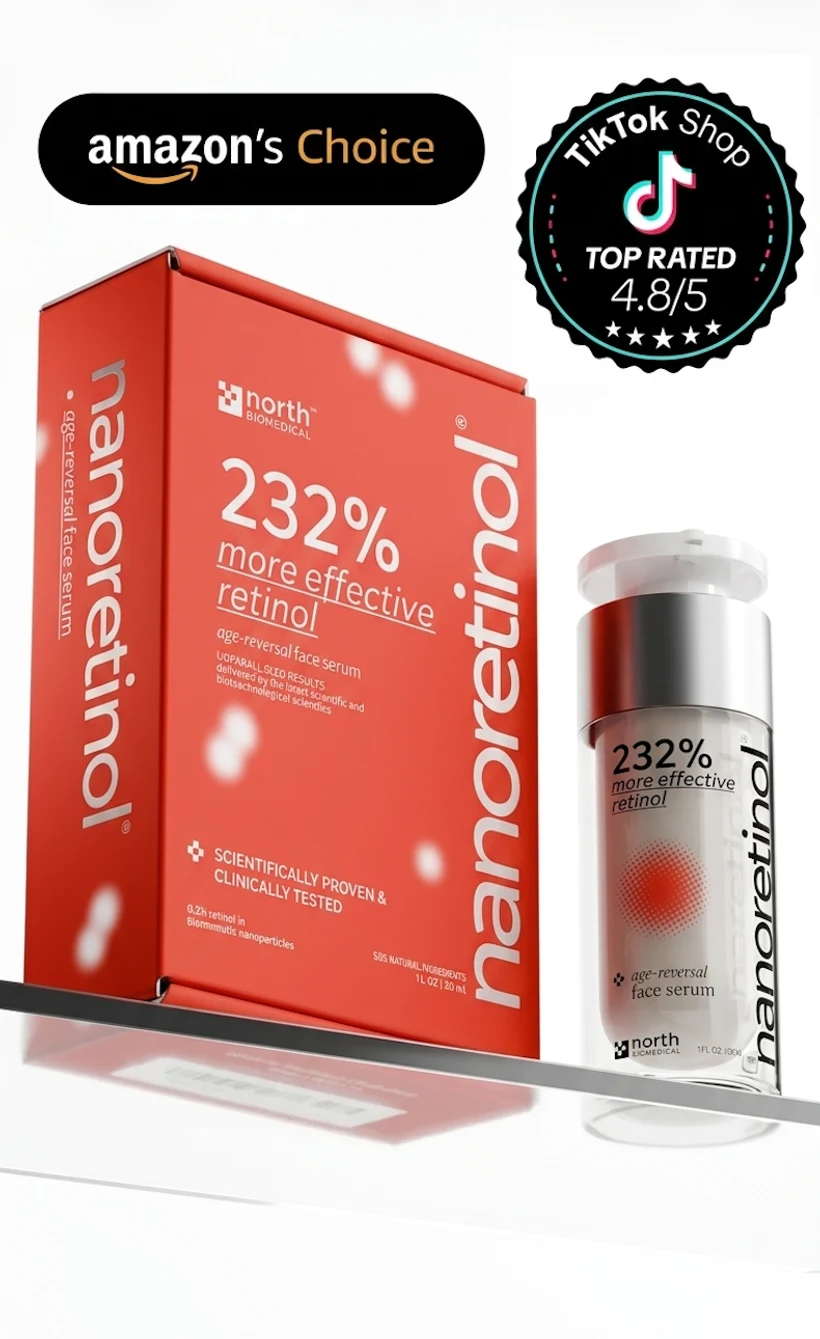
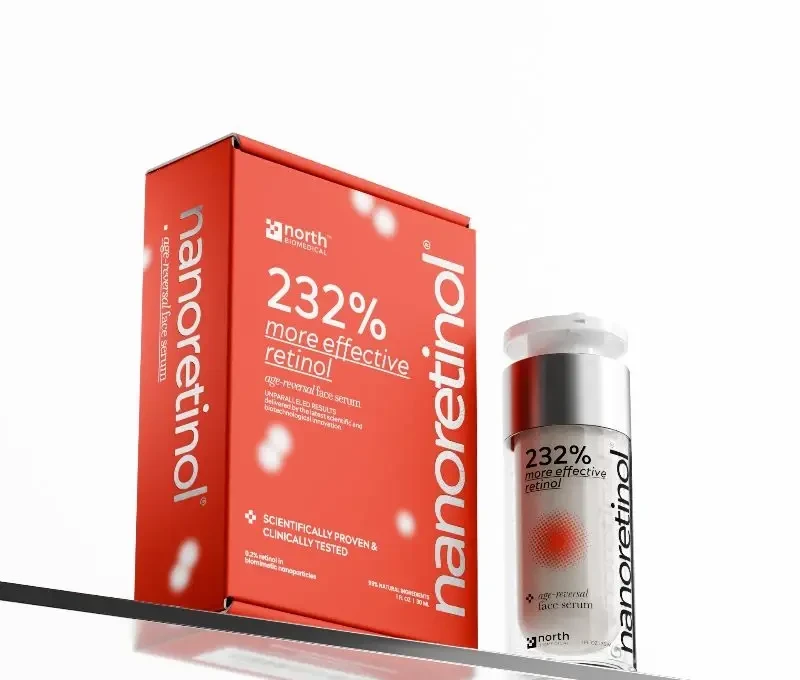
Nanoretinol uses lipid-nanoparticle encapsulation to deliver retinol across the epithelial barrier without breaking it down. The body recognizes the nanoparticles as “self,” so the retinol crosses intact rather than being driven through with chemical penetration enhancers that damage the barrier. In clinical study, this delivery system produced 232% more collagen recovery and 73% more elastin recovery than conventional retinol — the kind of differential that matters specifically for lax skin, where every additional percent of scaffold rebuild is meaningful.
The other piece worth flagging: Nanoretinol is one of the few cosmetic retinol products that addresses elastin, not just collagen. Most retinoid data is collagen-focused. Elastin is structurally the harder problem because the body essentially stops making it.
What to Expect Over Time
Skin laxity took decades to develop, and it doesn’t reverse on a four-week timeline. Realistic expectations:
- 6–12 weeks: Skin texture and tone improve. Fine lines soften. Deeper laxity is unchanged.
- 3–6 months: New collagen begins to noticeably affect firmness. The pinch test gets faster.
- 12+ months: Compounded daily retinoid use produces visible structural change. This is the timeline that actually matters.
Stack daily SPF, nightly retinol, morning vitamin C, and protect the result with consistent sleep and minimal UV exposure. That regimen — boring, repeated, compounded — is what produces firmness that doesn’t wash off.
References
- Thornton MJ. “Estrogens and aging skin.” Dermato-endocrinology. 2013;5(2):264-270. doi:10.4161/derm.23872
- Pittayapruek P, Meephansan J, Prapapan O, Komine M, Ohtsuki M. “Role of Matrix Metalloproteinases in Photoaging and Photocarcinogenesis.” International Journal of Molecular Sciences. 2016;17(6):868. doi:10.3390/ijms17060868
- Mukherjee S, Date A, Patravale V, Korting HC, Roeder A, Weindl G. “Retinoids in the treatment of skin aging: an overview of clinical efficacy and safety.” Clinical Interventions in Aging. 2006;1(4):327-348. doi:10.2147/ciia.2006.1.4.327
- Griffiths CE, Russman AN, Majmudar G, Singer RS, Hamilton TA, Voorhees JJ. “Restoration of Collagen Formation in Photodamaged Human Skin by Tretinoin (Retinoic Acid).” New England Journal of Medicine. 1993;329(8):530-535. doi:10.1056/NEJM199308193290803
- Boo YC. “Ascorbic Acid (Vitamin C) as a Cosmeceutical to Increase Dermal Collagen for Skin Antiaging Purposes: Emerging Combination Therapies.” Antioxidants (Basel). 2022;11(9):1663. doi:10.3390/antiox11091663
- Bouloc A, Vergnanini AL, Issa MC. “A double-blind randomized study comparing the association of Retinol and LR2412 with tretinoin 0.025% in photoaged skin.” Journal of Cosmetic Dermatology. 2015;14(1):40-46. doi:10.1111/jocd.12131
- Al-Niaimi F, Chiang NYZ. “Topical Vitamin C and the Skin: Mechanisms of Action and Clinical Applications.” Journal of Clinical and Aesthetic Dermatology. 2017;10(7):14-17. PMID: 29104718
- North Biomedical LLC. “Nanoretinol vs. Conventional Retinol: Efficacy in Collagen and Elastin Recovery.” Clinical Study Summary, 2024. northbiomedical.com