Tepezcohuite for Skin: What the Mexican 'Skin Tree' Actually Does (And Doesn't) for Aging Skin
A pharmacology-grounded look at Mimosa tenuiflora, the bark behind countless 'miracle' creams
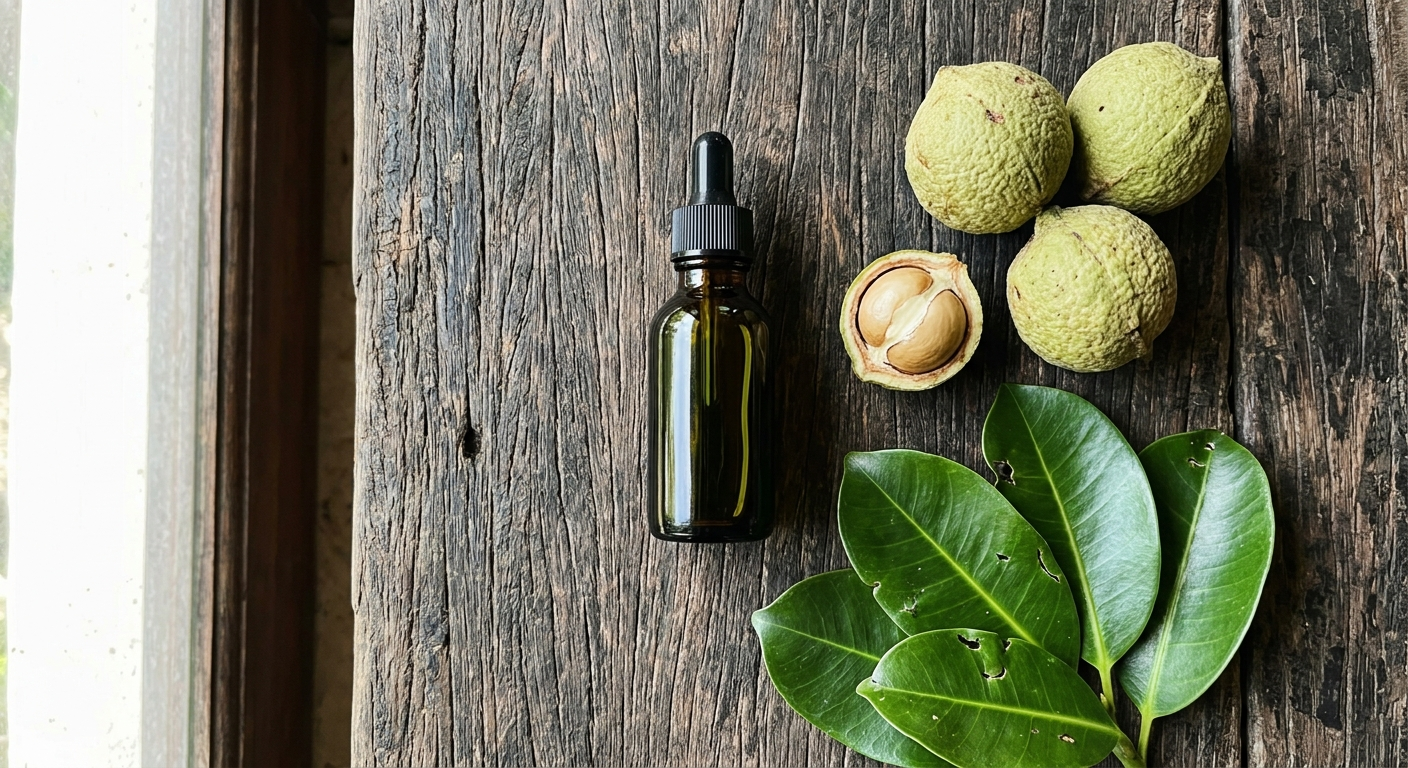
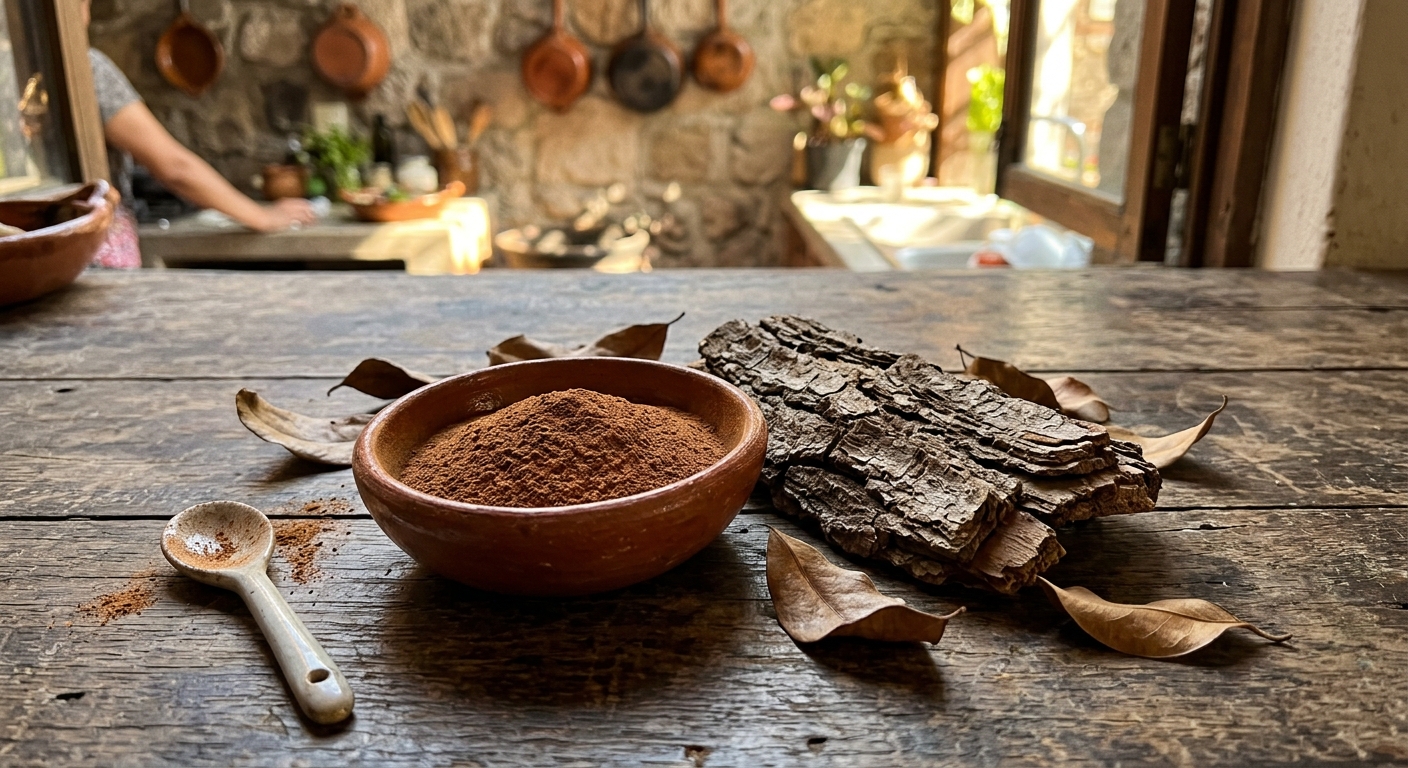
In the late 1980s, a series of explosive industrial accidents in Mexico City sent thousands of burn victims to local hospitals — and a folk remedy called tepezcohuite became internationally famous overnight. Made from the powdered bark of Mimosa tenuiflora, a small tree native to southern Mexico, tepezcohuite was credited with helping burned skin so effectively it earned the nickname “árbol de la piel” — the skin tree. Salma Hayek’s grandmother used it. Mexican burn units stocked it.
Today the bark is in dozens of creams, masks, and serums, often marketed as a botanical alternative to retinol. The actual research is more interesting and more sober than the marketing. Here is what the laboratory and clinical literature actually shows about tepezcohuite — and where it sits in a serious anti-aging routine.
What’s Actually in the Bark
Mimosa tenuiflora bark is a complex mix of bioactive compounds. The four most studied are:
- Polyphenols and tannins — high concentrations, responsible for the bark’s astringent and antimicrobial properties.
- Triterpene saponins (mimonosides A–C) — shown in vitro to stimulate proliferation of human skin cells.
- Arabinogalactans — water-soluble polysaccharides that, in a 2009 study published in the Journal of Ethnopharmacology, “specifically enhanced dermal fibroblast activity and proliferation” while having minimal effect on keratinocytes [1].
- Flavonoids — antioxidant compounds with general anti-inflammatory effects.
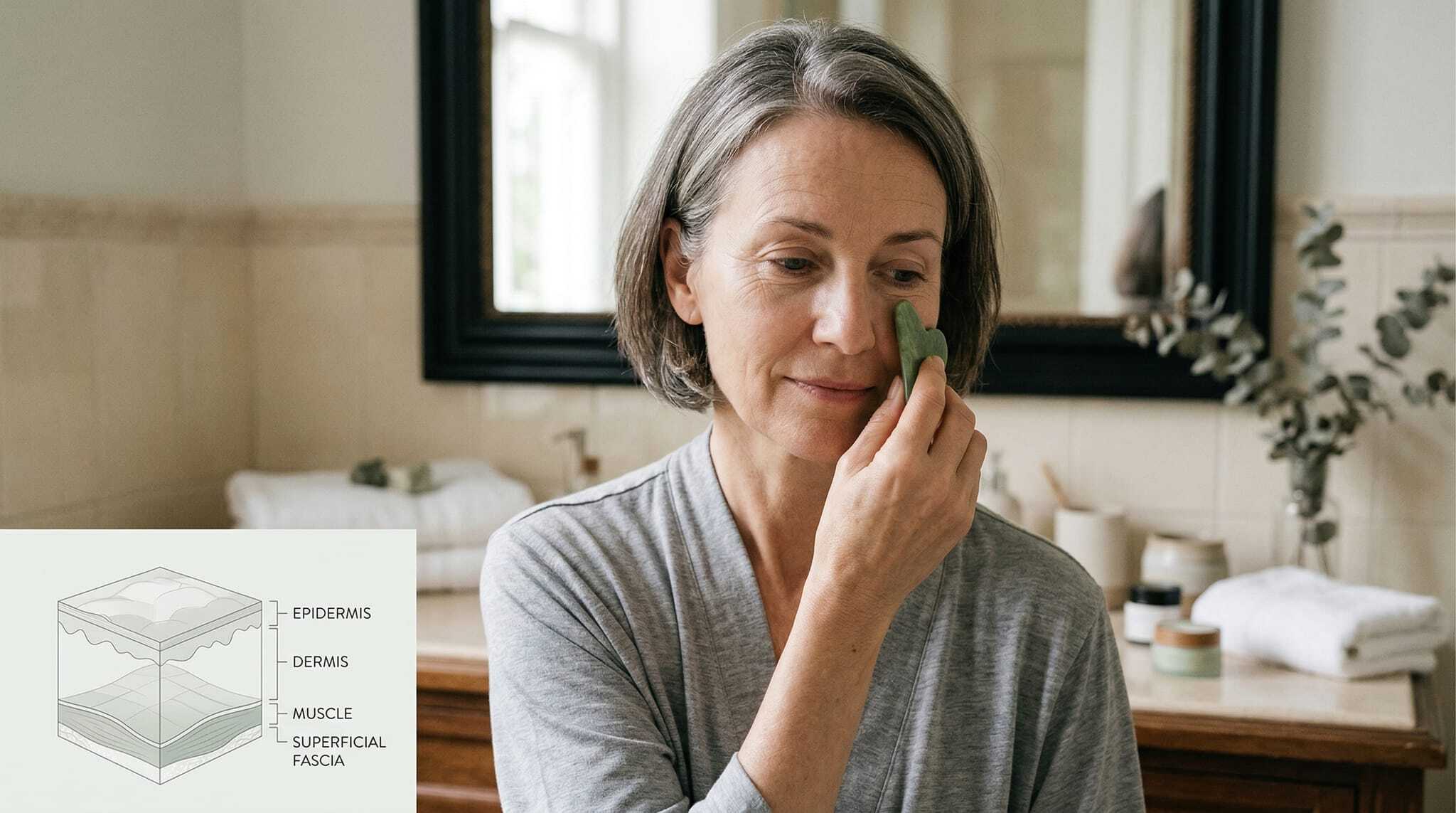
That fibroblast-stimulating profile is what most often gets cited as the bark’s “anti-aging” mechanism. Fibroblasts are the dermal cells that synthesize collagen and elastin. In a petri dish, the arabinogalactan fraction of tepezcohuite measurably ramps up their metabolic activity [1].
What the Wound-Healing Trials Show
The strongest clinical evidence for tepezcohuite isn’t actually about wrinkles — it’s about wound healing. Two trials are worth knowing:
A 2007 study in the Journal of Ethnopharmacology tested a 5% Mimosa tenuiflora cortex extract on patients with chronic venous leg ulcers. The treatment group showed a 92% reduction in ulcer size after 8 weeks; the control group saw no significant change [2]. This was the trial that put tepezcohuite into mainstream dermatology journals.
A 2007 study in the Journal of Ethnopharmacology tested a 5% Mimosa tenuiflora cortex extract on patients with chronic venous leg ulcers.
A 2012 follow-up trial in the International Wound Journal, however, tested a hydrogel formulation of the same Mimosa tenuiflora extract against a control hydrogel in a similar venous ulcer population — and found no significant difference in ulcer size reduction between groups [3]. The discrepancy likely reflects formulation differences (extract concentration, vehicle, contact time), and underscores how sensitive Mimosa tenuiflora’s clinical effects are to how it’s prepared and delivered.
A 2021 systematic review of Mimosa tenuiflora’s antimicrobial activity confirmed broad in vitro activity against bacterial and fungal pathogens commonly involved in skin infections, providing a plausible mechanism for the wound-healing reports — keeping the wound bed clean and infection-free is a meaningful contribution to healing speed [4].
Where the “Anti-Aging” Marketing Gets Ahead of the Data
Most of the leap from “wound healing” to “anti-aging cream” is interpolation, not direct evidence. There are no published, peer-reviewed clinical trials of Mimosa tenuiflora extract for wrinkle reduction, skin firming, or photoaging in healthy adults. What we have:
- Strong in vitro evidence that one fraction (arabinogalactans) stimulates fibroblasts [1]
- Mixed clinical evidence in chronic wound populations [2, 3]
- Solid antimicrobial evidence supporting the bark’s traditional use on damaged skin [4, 5]
That’s a useful evidence base for soothing minor irritation and supporting damaged skin barriers. It’s not the same as documented wrinkle reduction — and most consumer products marketed as “tepezcohuite anti-aging cream” use the bark at concentrations far below what the wound-healing trials used.
There’s also a tolerability footnote: the 2009 fibroblast paper noted that polyphenols isolated from the bark were “toxic to fibroblasts in vitro,” even as the arabinogalactan fraction stimulated them [1]. Whole-bark extracts can therefore behave inconsistently. Higher concentration is not necessarily better.
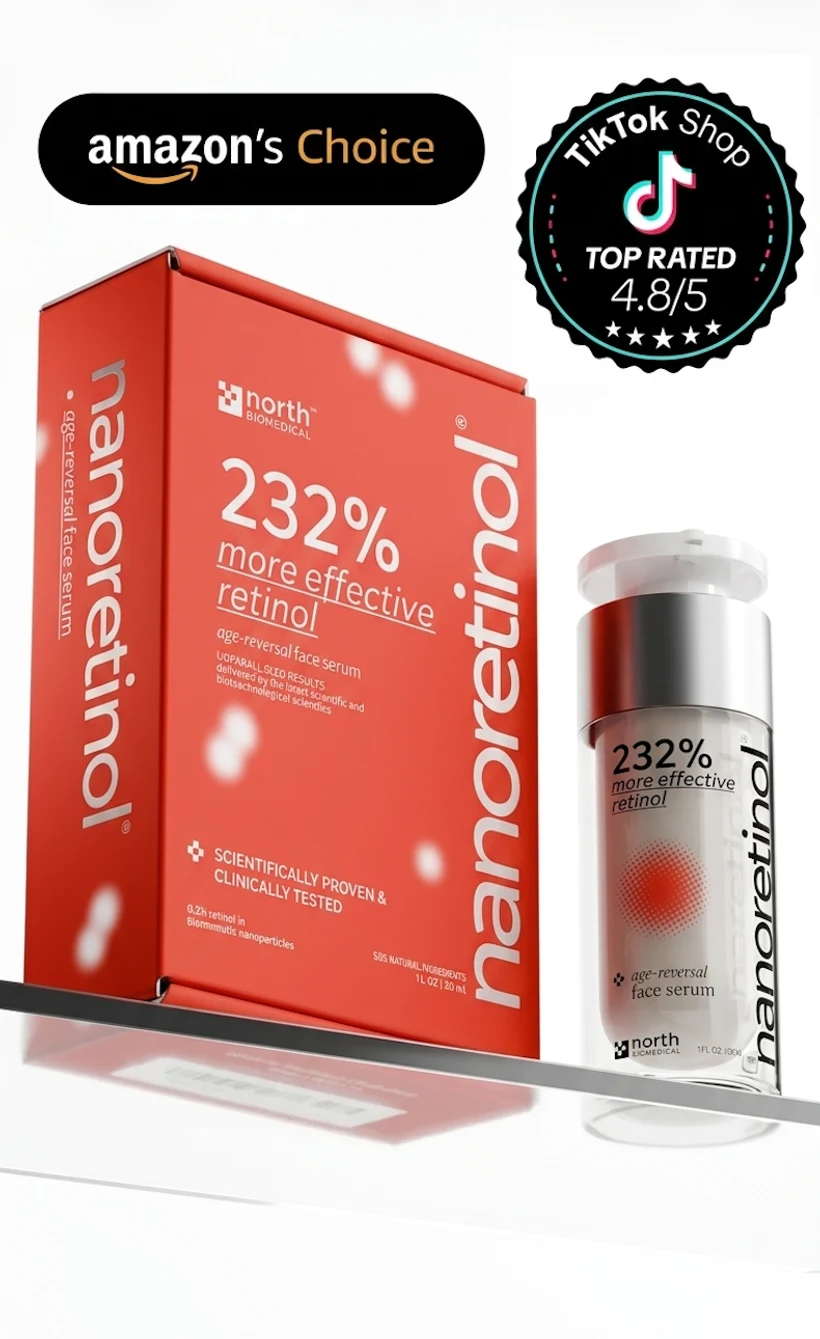
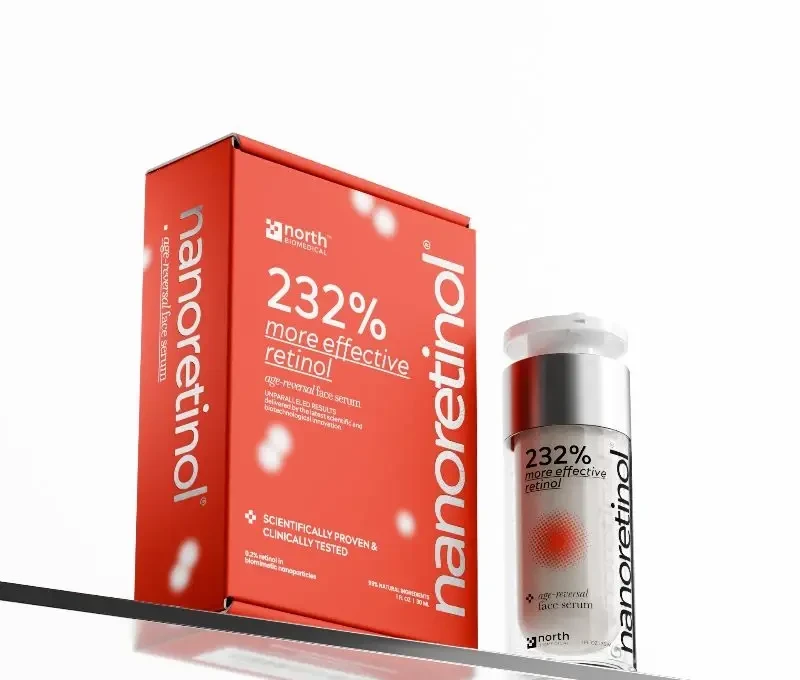
The Nanoretinol clinical study showed 232% more effective collagen recovery and 73% more effective elastin recovery than conventional retinol, with a 61% improvement in firmness and a 56% improvement in elasticity over 56 days, and significantly milder side effects.
Tepezcohuite vs. Proven Anti-Aging Actives
For comparison, here is the published evidence base for the topical actives most commonly used to address visible aging:
| Active | Strongest evidence | Wrinkle-reduction trials in healthy aging skin |
|---|---|---|
| Retinoids (retinol/tretinoin) | Hundreds of RCTs over 30+ years | Multiple landmark trials [6] |
| Vitamin C | Decades of RCT data | Solid for tone and fine lines |
| Peptides (Matrixyl, GHK-Cu) | Multiple RCTs | Modest but measurable improvements |
| Niacinamide | Robust RCT data | Texture, tone, fine lines |
| Tepezcohuite | One positive ulcer RCT, one null ulcer RCT, in vitro fibroblast data | None published |
This isn’t a knock on the bark — it’s a recognition that “traditional use” and “clinical evidence for cosmetic anti-aging” are not the same thing. For ingredient comparisons in the same category, our pieces on bakuchiol vs retinol and centella asiatica for skin cover similar evidence-vs-marketing territory.
Where Tepezcohuite Genuinely Belongs in a Routine
If you want to use tepezcohuite, the evidence supports a few specific roles:
- Soothing damaged or compromised skin. Mild burns, after-sun, post-procedure recovery (under a dermatologist’s guidance).
- Supporting a damaged moisture barrier alongside ceramides and panthenol.
- Antimicrobial support for skin prone to minor breakouts, given the bark’s documented activity against common pathogens [4].
What it should not be: your primary anti-aging active. There is no published trial showing it reduces wrinkles in healthy aging skin, and the in vitro evidence — while promising for fibroblasts — has not translated into clinical wrinkle endpoints.
A Better Mental Model: Pair It, Don’t Replace With It
Tepezcohuite-containing products work best in the same role as snail mucin, panthenol, or beta-glucan — soothing, supportive, gentle on a compromised barrier. They don’t replace the actives that have actually been shown to remodel the dermis.
The most studied dermal remodeler remains the retinoid family. Griffiths et al.’s 1993 New England Journal of Medicine paper showed an 80% increase in collagen I formation in photodamaged skin after tretinoin treatment versus a 14% decrease in the vehicle control [6]. A 2006 review of retinoid clinical trials confirmed durable improvements in fine lines, photoaging, and skin firmness across multiple RCTs [7]. No botanical has matched that signal.
Where retinol falls short — and the reason interest in alternatives like tepezcohuite, bakuchiol, and snail mucin is so high — is tolerability. Conventional retinol formulations rely on solvents that compromise the lipid barrier to push the active through. The result is the redness, peeling, and stinging that drive most women off retinol within weeks.
Nanoretinol was developed to keep retinol’s evidence base while losing the barrier disruption. The retinol is encapsulated in biomimetic lipid nanoparticles that the skin recognizes as “self,” carrying the active through the epithelial barrier without dissolving it. The Nanoretinol clinical study showed 232% more effective collagen recovery and 73% more effective elastin recovery than conventional retinol, with a 61% improvement in firmness and a 56% improvement in elasticity over 56 days, and significantly milder side effects [8]. For someone who reaches for tepezcohuite specifically because retinol used to irritate them, that combination — retinol-grade results without the irritation — is what closes the loop.
The “skin tree” deserves the place tradition has earned it: a soothing, antimicrobial, fibroblast-friendly botanical with real value in barrier support. It just isn’t the replacement for retinol that the marketing sometimes implies. Layer it where its evidence is strongest, and use the actives with documented wrinkle-reduction data for what they’re actually known to do.
References
- Zippel J, Deters A, Hensel A. “Arabinogalactans from Mimosa tenuiflora (Willd.) Poiret bark as active principles for wound-healing properties: specific enhancement of dermal fibroblast activity and minor influence on HaCaT keratinocytes.” Journal of Ethnopharmacology. 2009;124(3):391-396. doi:10.1016/j.jep.2009.05.034
- Rivera-Arce E, Chávez-Soto MA, Herrera-Arellano A, et al. “Therapeutic effectiveness of a Mimosa tenuiflora cortex extract in venous leg ulceration treatment.” Journal of Ethnopharmacology. 2007;109(3):523-528. doi:10.1016/j.jep.2006.08.032
- Lammoglia-Ordiales L, Vega-Memije ME, Herrera-Arellano A, et al. “A randomised comparative trial on the use of a hydrogel with tepescohuite extract (Mimosa tenuiflora cortex extract-2G) in the treatment of venous leg ulcers.” International Wound Journal. 2012;9(4):412-418. doi:10.1111/j.1742-481X.2011.00900.x
- Ferreira TL, Evangelista AJJ. “Mimosa tenuiflora’s antimicrobial activity on bacteria and fungi from medical importance: an integrative review.” Archives of Microbiology. 2021;203(6):3399-3406. doi:10.1007/s00203-021-02330-6
- Lozoya X, Navarro V, Arnason JT, Kourany E. “Experimental evaluation of Mimosa tenuiflora (Willd.) Poir. (Tepescohuite) I. Screening of the antimicrobial properties of bark extracts.” Archivos de Investigación Médica (México). 1989;20(1):87-93. PubMed: 2764672
- Griffiths CE, Russman AN, Majmudar G, Singer RS, Hamilton TA, Voorhees JJ. “Restoration of Collagen Formation in Photodamaged Human Skin by Tretinoin (Retinoic Acid).” New England Journal of Medicine. 1993;329(8):530-535. doi:10.1056/NEJM199308193290803
- Mukherjee S, Date A, Patravale V, Korting HC, Roeder A, Weindl G. “Retinoids in the treatment of skin aging: an overview of clinical efficacy and safety.” Clinical Interventions in Aging. 2006;1(4):327-348. doi:10.2147/ciia.2006.1.4.327
- North Biomedical LLC. “Nanoretinol vs. Conventional Retinol: Efficacy in Collagen and Elastin Recovery.” Clinical Study Summary, 2024. Nanoretinol Study Summary