Preventative Botox: Does It Actually Work, And What's a Better Alternative?
The case for and against starting Botox in your thirties — and what the evidence actually says
The pitch is hard to argue with. If wrinkles form because facial muscles repeatedly fold the same patch of skin, and Botox stops the muscle from folding, then injecting Botox before the wrinkle sets in should keep that wrinkle from ever forming. The logic feels self-evident. The wait list at every aesthetic clinic in Manhattan agrees.
The science is more complicated than the pitch. Preventative Botox is real — it does work in a particular sense — but the evidence is thinner than most patients are told, the trade-offs are real, and there is at least one alternative with stronger long-term clinical data and no needle. To decide whether preventative Botox is right for you, it helps to know what is actually being prevented and at what cost.
What “Preventative” Botox Actually Means
Botulinum toxin type A blocks the release of acetylcholine at the neuromuscular junction, paralyzing targeted muscles for roughly three to four months until new nerve terminals sprout and signaling resumes [1]. Used cosmetically, it relaxes the muscles that produce dynamic wrinkles — frown lines between the brows, horizontal forehead lines, crow’s feet — so the overlying skin stops folding repeatedly along those creases. That muscle-driven mechanism is also what separates a neurotoxin from a filler, a distinction we unpack in Botox versus filler.
The “preventative” framing is the claim that if you stop the folding before a permanent crease forms in the dermis, the crease never forms. This is anatomically reasonable. Dynamic wrinkles do, over years, transition into static rhytides because the dermal collagen at the fold breaks down and re-forms in a folded configuration. Stop the fold, the theory goes, and you stop the conversion.
The “preventative” framing is the claim that if you stop the folding before a permanent crease forms in the dermis, the crease never forms.
The Famous Twin Study (And What It Really Proved)
The most-cited evidence for preventative Botox is the Binder twin case study, first published in 2006 [2] and updated nineteen years later [3]. One identical twin received regular onabotulinumtoxinA injections to the forehead and glabella for nearly two decades; her sister did not. By midlife, the treated twin showed visibly fewer forehead and glabellar lines.
This is not nothing — it is the closest thing aesthetics has to a controlled long-term experiment, with a built-in genetic comparator. But it is also a single pair of identical twins. Sun exposure, skincare, and lifestyle were not strictly controlled. The treated sibling self-reported lower lifetime sun exposure. There are no large randomized trials of preventative Botox over multi-decade timeframes, and the broader consensus literature acknowledges this gap [4]. What we have, at this point, is a strong proof of concept and a reasonable mechanistic story — not an industrial-scale evidence base.
The Trade-Off Most Patients Aren’t Told About
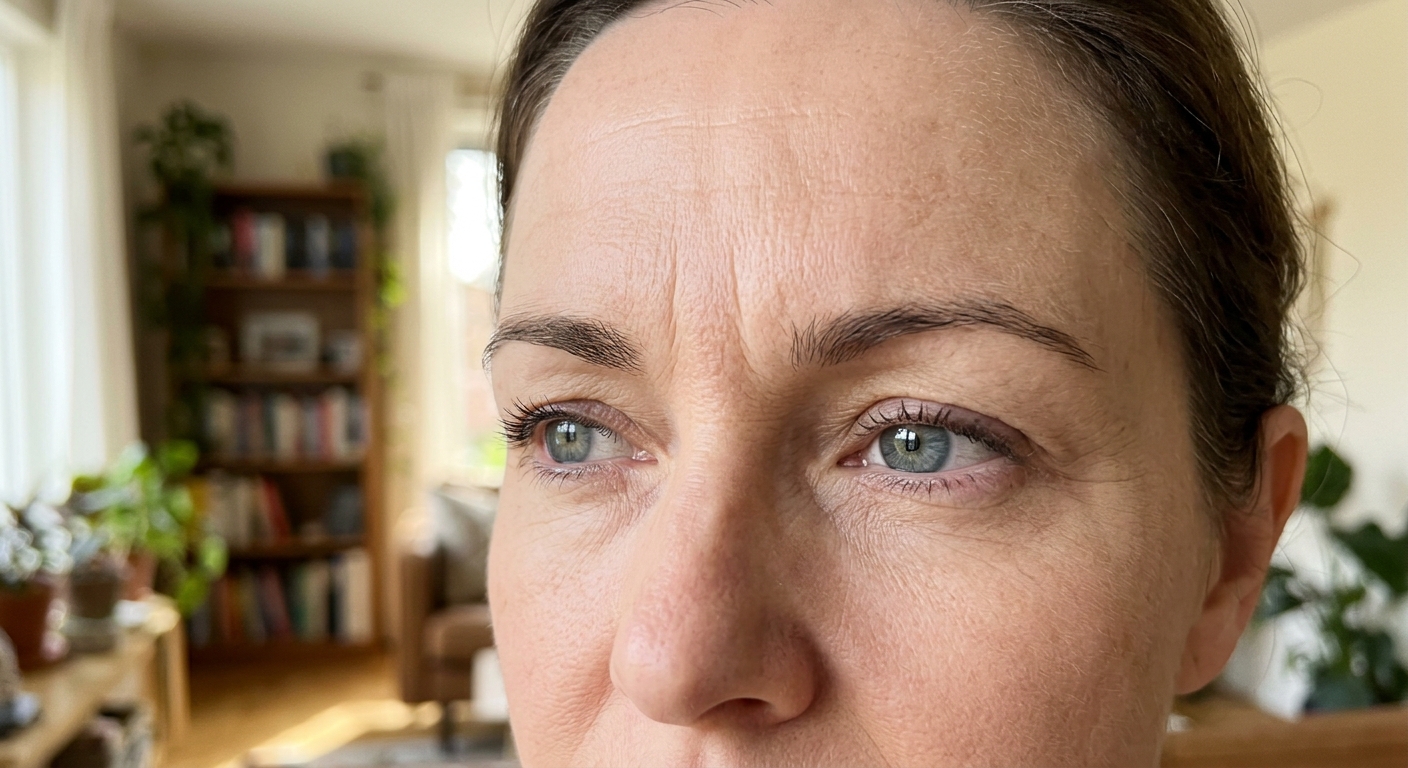
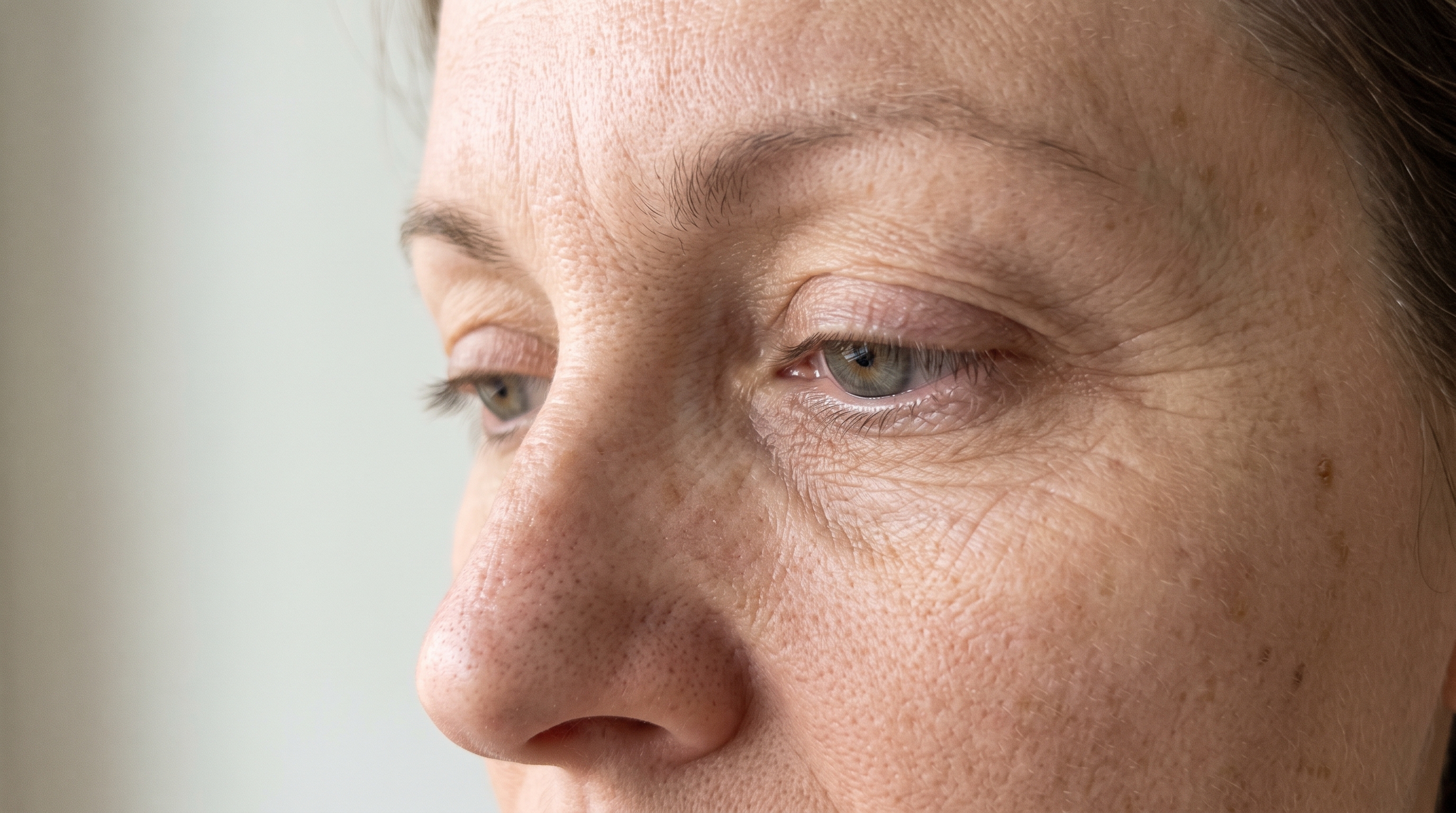
Botulinum toxin only blocks the muscles you inject. It does nothing for the skin itself — collagen, elastin, hyaluronic acid, melanin distribution, photoaging, barrier function, hydration, texture. None of these respond to BoNT-A because none of them are nerve-mediated. A 30-year-old getting preventative forehead injections is preventing one specific category of wrinkle while every other dimension of skin aging proceeds untouched.
There is also a quieter physiological cost. Repeated denervation of a muscle leads to atrophy — the muscle shrinks because it stops being used. This is well-established in the masseter, where Botox is intentionally used to slim a square jawline by inducing muscle atrophy over months of treatment [5]. The same biology applies to the frontalis and corrugators when injected over years. A 2015 study quantifying skin properties before and after onabotulinumtoxinA injection found that treated areas showed measurable increases in skin pliability and elasticity at three months [6] — useful in the short term, but with implications for long-term volume and structural support that remain incompletely studied. A face whose elevators have been quieted for fifteen years is not the same face it would have been without intervention.
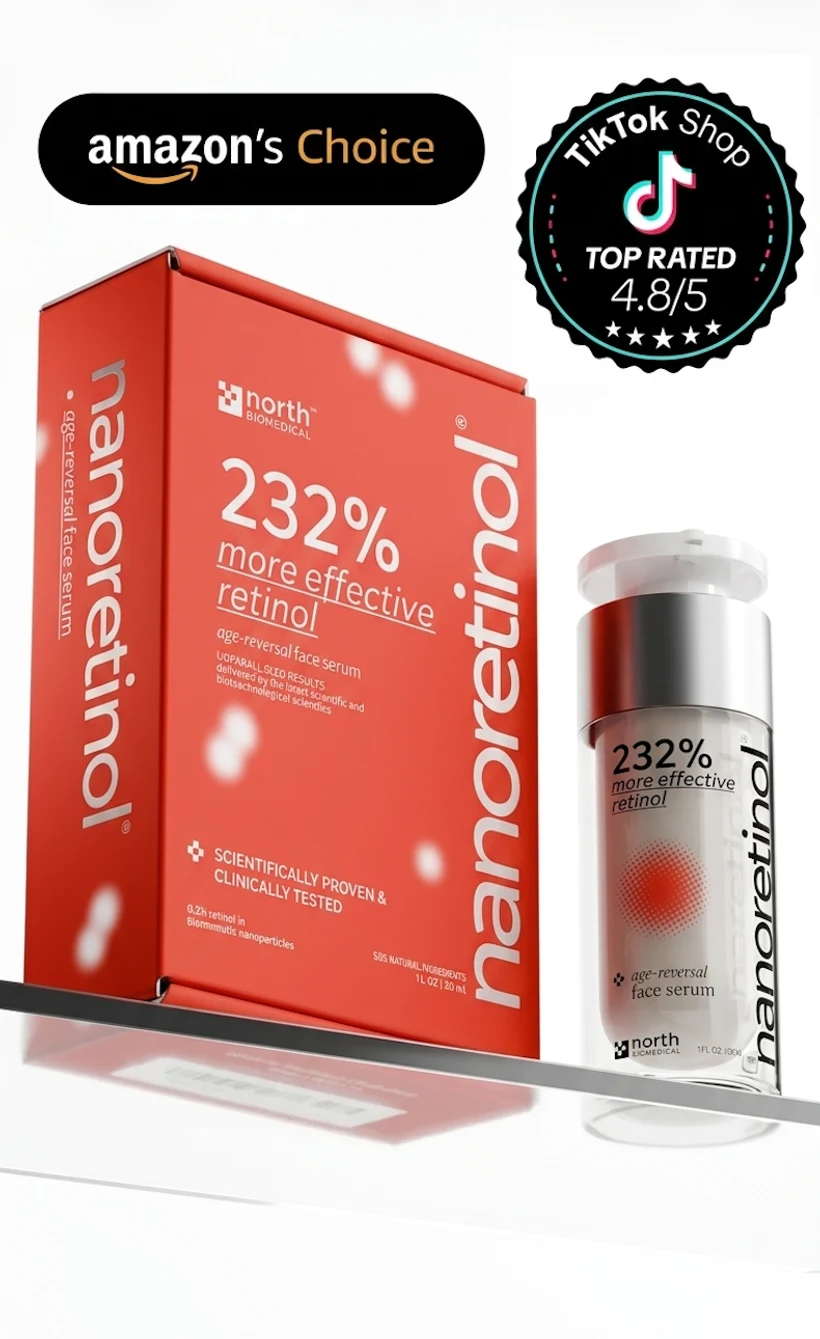
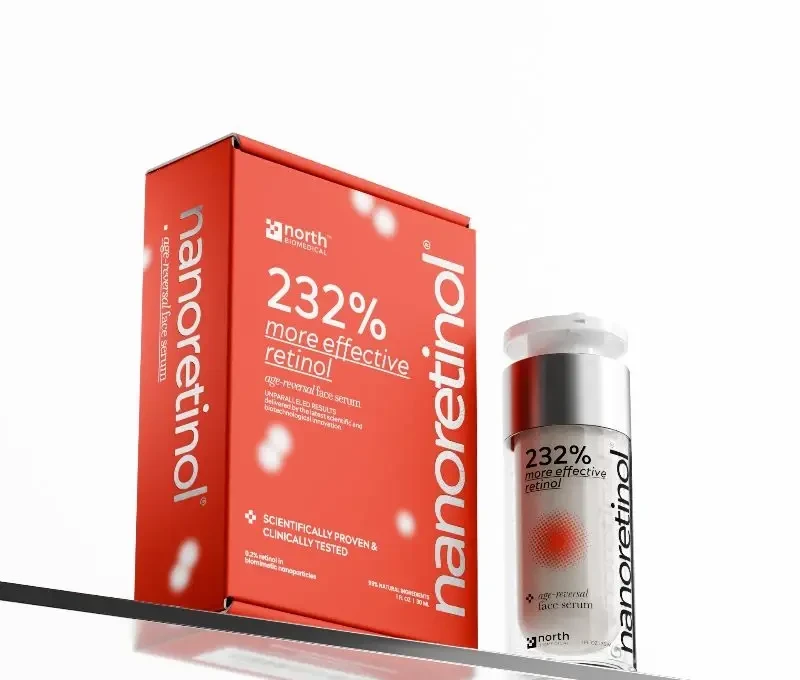
The brand’s clinical study showed 232% greater collagen recovery and 73% greater elastin recovery than conventional retinol, at only 0.2% concentration in a water-based, 99% natural formula.
What the Evidence Actually Looks Like for Topical Retinoids
The comparison case is informative. Topical retinoids have a more thoroughly published efficacy record on aging skin than any other category of cosmetic intervention. Kligman’s foundational work in 1986 established that topical tretinoin produced measurable clinical and histological improvement in photoaged skin: reduced fine wrinkling, increased epidermal thickness, and increased dermal collagen density [7]. Subsequent randomized controlled trials have replicated this in older adults using over-the-counter retinol — a 2007 study at the University of Michigan showed 0.4% retinol applied three times weekly produced significant improvements in fine wrinkles, skin roughness, and dermal hyaluronic acid expression versus vehicle, with biopsy confirmation [8]. A 2006 review summarizing decades of retinoid trials concluded that topical retinoids reduce signs of photoaging through well-characterized molecular mechanisms — upregulation of collagen synthesis, downregulation of matrix-degrading enzymes — that operate on the entire face, not on isolated muscle groups [9].
This is the trade in plain language: Botox stops one type of wrinkle from forming in one part of the face for three months at a time, with no effect on collagen, hydration, pigmentation, or texture. Topical retinol slowly remodels the dermis itself across the entire treatment area, addressing fine lines, texture, tone, and elasticity simultaneously, with multi-decade safety data and no needles. They are not equivalent interventions. For someone in their thirties weighing whether to start preventative Botox, a nightly retinoid is, by most measures, the more comprehensive intervention — and the only one that addresses skin aging rather than muscle activity.
The Real Reason People Skip Retinol
If retinol is so well-documented, why do clinics fill with patients seeking preventative Botox instead? The honest answer is tolerance. Conventional retinol formulations are aggressive on the skin barrier. They use alcohol or petroleum-based vehicles to get through the stratum corneum, and that crossing comes at the cost of the same lipids that hold moisture in. The familiar peeling, redness, and irritation drive most users to abandon retinol within months. Compliance is the silent variable that makes Botox look easier — twenty minutes once a quarter, no daily routine to fail at.
This is the gap Nanoretinol was developed to close. By encapsulating retinol inside biomimetic lipid nanoparticles — recognized by skin cells as similar to their own membranes — the active is delivered through the barrier without disrupting it. The nanoparticle envelope dissolves into the skin’s own lipid pool as the retinol releases at depth. The brand’s clinical study showed 232% greater collagen recovery and 73% greater elastin recovery than conventional retinol, at only 0.2% concentration in a water-based, 99% natural formula. For someone considering preventative Botox specifically because conventional retinol made their skin angry, that is the gap that closes the case.
Making the Decision
Preventative Botox is not a scam. It works on what it works on. But the people most likely to benefit are those who already have visible dynamic creases and are converting them into static lines — that is, people with established wrinkles, not people in their late twenties shopping for prevention. For genuine wrinkle prevention, the strongest published evidence remains daily sunscreen and a tolerable nightly retinoid — and there are several non-needle alternatives worth knowing about before committing to a quarterly clinic schedule. Both address the actual biology of skin aging across the entire face, neither requires repeat clinical visits, and the evidence base is not measured in twin pairs. The needle can wait.
References
- Pirazzini M, Rossetto O, Eleopra R, Montecucco C. “Botulinum Neurotoxins: Biology, Pharmacology, and Toxicology.” Pharmacological Reviews. 2017;69(2):200-235. doi:10.1124/pr.116.012658
- Binder WJ. “Long-term effects of botulinum toxin type A (Botox) on facial lines: a comparison in identical twins.” Archives of Facial Plastic Surgery. 2006;8(6):426-431. doi:10.1001/archfaci.8.6.426
- Rivkin A, Binder WJ. “Long-term effects of onabotulinumtoxinA on facial lines: a 19-year experience of identical twins.” Dermatologic Surgery. 2015;41(Suppl 1):S64-S66. doi:10.1097/DSS.0000000000000193
- Sundaram H, Signorini M, Liew S, et al. “Global Aesthetics Consensus: Botulinum Toxin Type A — Evidence-Based Review, Emerging Concepts, and Consensus Recommendations for Aesthetic Use, Including Updates on Complications.” Plastic and Reconstructive Surgery. 2016;137(3):518e-529e. doi:10.1097/01.prs.0000475758.63709.23
- Kim NH, Park RH, Park JB. “Botulinum toxin type A for the treatment of hypertrophy of the masseter muscle.” Plastic and Reconstructive Surgery. 2010;125(6):1693-1705. doi:10.1097/PRS.0b013e3181d0ad03
- Bonaparte JP, Ellis D. “Alterations in the Elasticity, Pliability, and Viscoelastic Properties of Facial Skin After Injection of Onabotulinum Toxin A.” JAMA Facial Plastic Surgery. 2015;17(4):256-263. doi:10.1001/jamafacial.2015.0376
- Kligman AM, Grove GL, Hirose R, Leyden JJ. “Topical tretinoin for photoaged skin.” Journal of the American Academy of Dermatology. 1986;15(4 Pt 2):836-859. doi:10.1016/s0190-9622(86)70242-9
- Kafi R, Kwak HSR, Schumacher WE, Cho S, Hanft VN, Hamilton TA, King AL, Neal JD, Varani J, Fisher GJ, Voorhees JJ, Kang S. “Improvement of naturally aged skin with vitamin A (retinol).” Archives of Dermatology. 2007;143(5):606-612. doi:10.1001/archderm.143.5.606
- Mukherjee S, Date A, Patravale V, Korting HC, Roeder A, Weindl G. “Retinoids in the treatment of skin aging: an overview of clinical efficacy and safety.” Clinical Interventions in Aging. 2006;1(4):327-348. doi:10.2147/ciia.2006.1.4.327