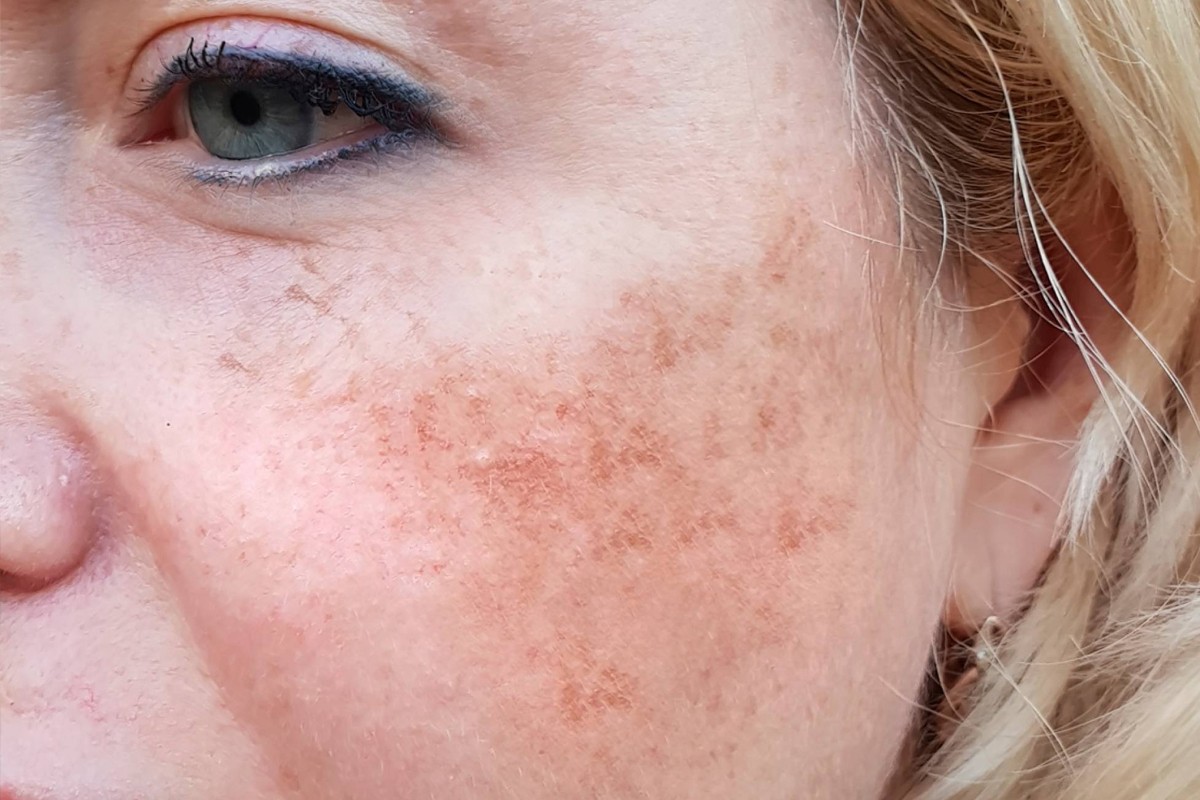
Azelaic Acid for Skin: The Gentle Brightening Ingredient Women Over 40 Are Switching To
How this naturally occurring acid tackles dark spots, rosacea, and uneven tone — without the irritation that comes with stronger actives
Ask someone why they stopped using retinol, and “it burned my skin” comes up with surprising regularity. Ask a dermatologist what they recommend for women who want real brightening results without that irritation, and azelaic acid is increasingly the answer.
Azelaic acid has been studied in clinical dermatology for decades. It is FDA-approved for rosacea treatment, widely used for melasma, and one of the few actives that simultaneously addresses pigmentation, inflammation, and bacterial proliferation through distinct mechanisms. Yet compared to its neighbors on the skincare shelf — vitamin C, niacinamide, glycolic acid — it remains strikingly underrepresented in consumer education. That gap is worth closing, beginning with the comparison shoppers actually make at the shelf: azelaic acid vs niacinamide.
What Azelaic Acid Actually Is
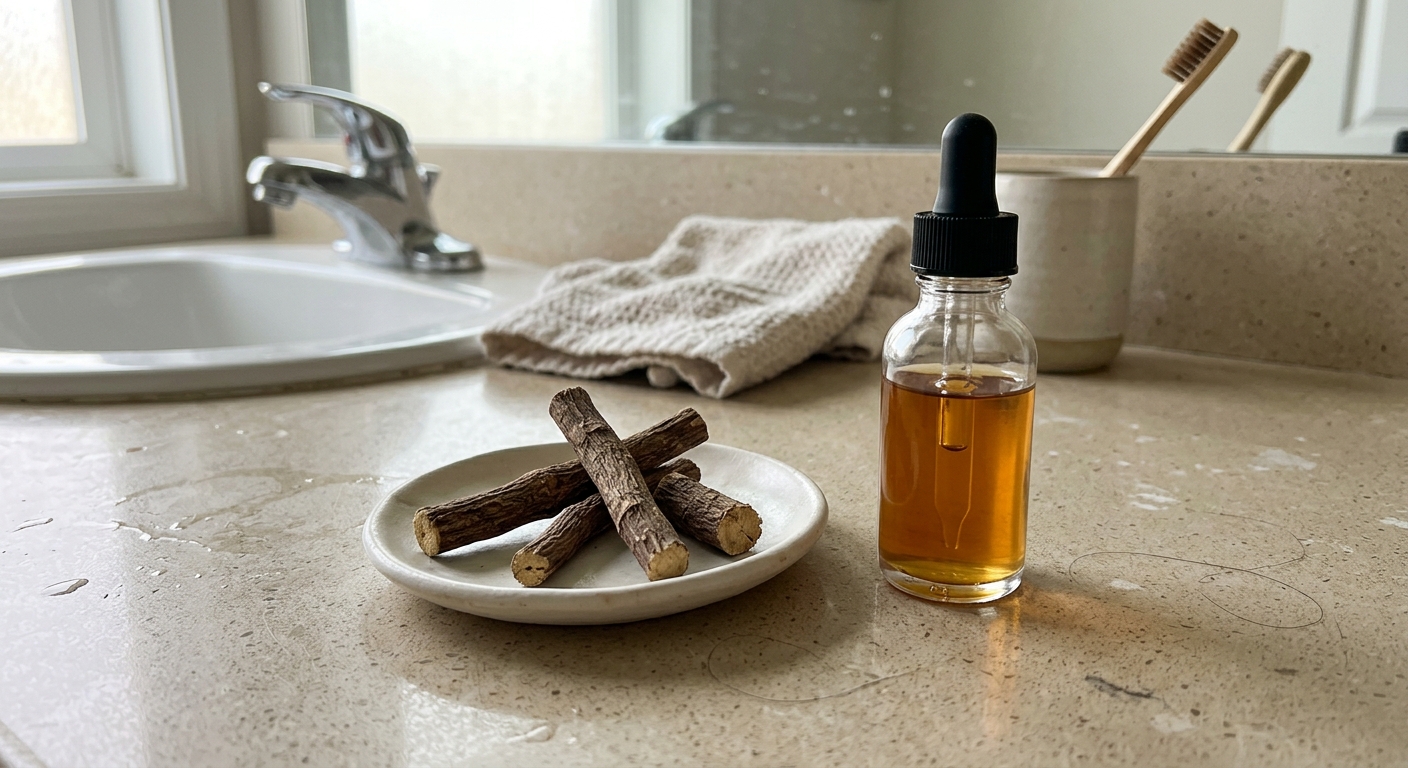
Azelaic acid is a saturated dicarboxylic acid found naturally in grains like wheat, barley, and rye. On human skin, it is also produced in small amounts by the yeast Malassezia, a normal commensal organism present on the skin surface [1]. This natural origin matters: the skin is not encountering a foreign molecule when azelaic acid is applied topically, which partly explains its exceptional tolerance profile.
Topical formulations range from 5% in over-the-counter products, including most azelaic acid serums, up to 20% in prescription creams and 15% in prescription gels. Azelaic acid is water-soluble, stable at room temperature, and compatible with essentially every other skincare active — a practical advantage in an era of complex multi-step routines.
The Triple Mechanism That Makes It Unique
Most brightening ingredients work through one primary pathway. Azelaic acid works through three simultaneously — and it is this convergence that makes it particularly suited to mature skin dealing with compounded concerns [1, 2].
First: tyrosinase inhibition. Tyrosinase is the enzyme responsible for converting tyrosine into melanin — the pigment behind dark spots, melasma, and post-inflammatory hyperpigmentation. Azelaic acid binds competitively to tyrosinase’s active site, blocking melanin synthesis in a dose-dependent manner. Critically, this inhibition is selective: it preferentially targets hyperactive melanocytes (the overproducing cells responsible for dark spots) while leaving normal, healthy melanocytes largely unaffected [2]. This distinction matters enormously. Hydroquinone — the long-standing gold standard for hyperpigmentation — inhibits melanocytes non-selectively, creating a genuine risk of rebound hyperpigmentation or depigmentation of surrounding healthy skin. Azelaic acid does not carry this risk.
Second: anti-inflammatory action. Azelaic acid reduces the production of pro-inflammatory mediators and neutralizes reactive oxygen species generated by neutrophils [2]. For rosacea specifically, research has demonstrated that azelaic acid suppresses the expression of kallikrein-5, a serine protease that triggers the cathelicidin inflammatory cascade responsible for redness, vasodilation, and papule formation [3]. A randomized controlled trial found that patients using 15% azelaic acid gel showed significant reductions in both erythema and papule counts compared to placebo, with a safety profile suitable for long-term use [3].
Third: antimicrobial activity. Azelaic acid inhibits the growth of Cutibacterium acnes (formerly Propionibacterium acnes), the bacterium implicated in acne and inflammatory breakouts. This mechanism is largely responsible for its efficacy in acne vulgaris — a condition that does not disappear at forty and is frequently underdiagnosed in perimenopausal women experiencing hormonal fluctuations.
Ask someone why they stopped using retinol, and “it burned my skin” comes up with surprising regularity.
Why Women Over 40 Are Discovering It Now
Mature skin presents a specific constellation of challenges that azelaic acid is unusually well positioned to address. After decades of sun exposure, the melanocyte population becomes dysregulated: some cells overperform, producing concentrated deposits of melanin that manifest as age spots, melasma, or uneven tone. Simultaneously, the skin barrier thins — partly from natural aging, partly from years of retinoid use — creating heightened reactivity to stronger actives.
A head-to-head clinical trial comparing 20% azelaic acid to 4% hydroquinone cream in patients with melasma found azelaic acid to be equally effective over 24 weeks, with a meaningfully better tolerance profile [4]. This is significant: hydroquinone requires periodic discontinuation to prevent adverse effects, while azelaic acid is suitable for continuous long-term use.
For women navigating both pigmentation and rosacea — a combination that affects a substantial proportion of women over 45 — azelaic acid offers the rare ability to treat both simultaneously rather than cycling between different products that may work at cross-purposes.
Concentrations, Formulations, and What to Expect
The research base is strongest at 15–20%, which requires a prescription in the United States. At these concentrations, meaningful clinical improvements in hyperpigmentation typically become visible between 8 and 16 weeks of consistent use.
Over-the-counter products typically contain 5–10%. The mechanism is identical; the rate of results is slower. For mild to moderate hyperpigmentation, consistent OTC use combined with a well-designed routine often produces noticeable improvement within three to four months.
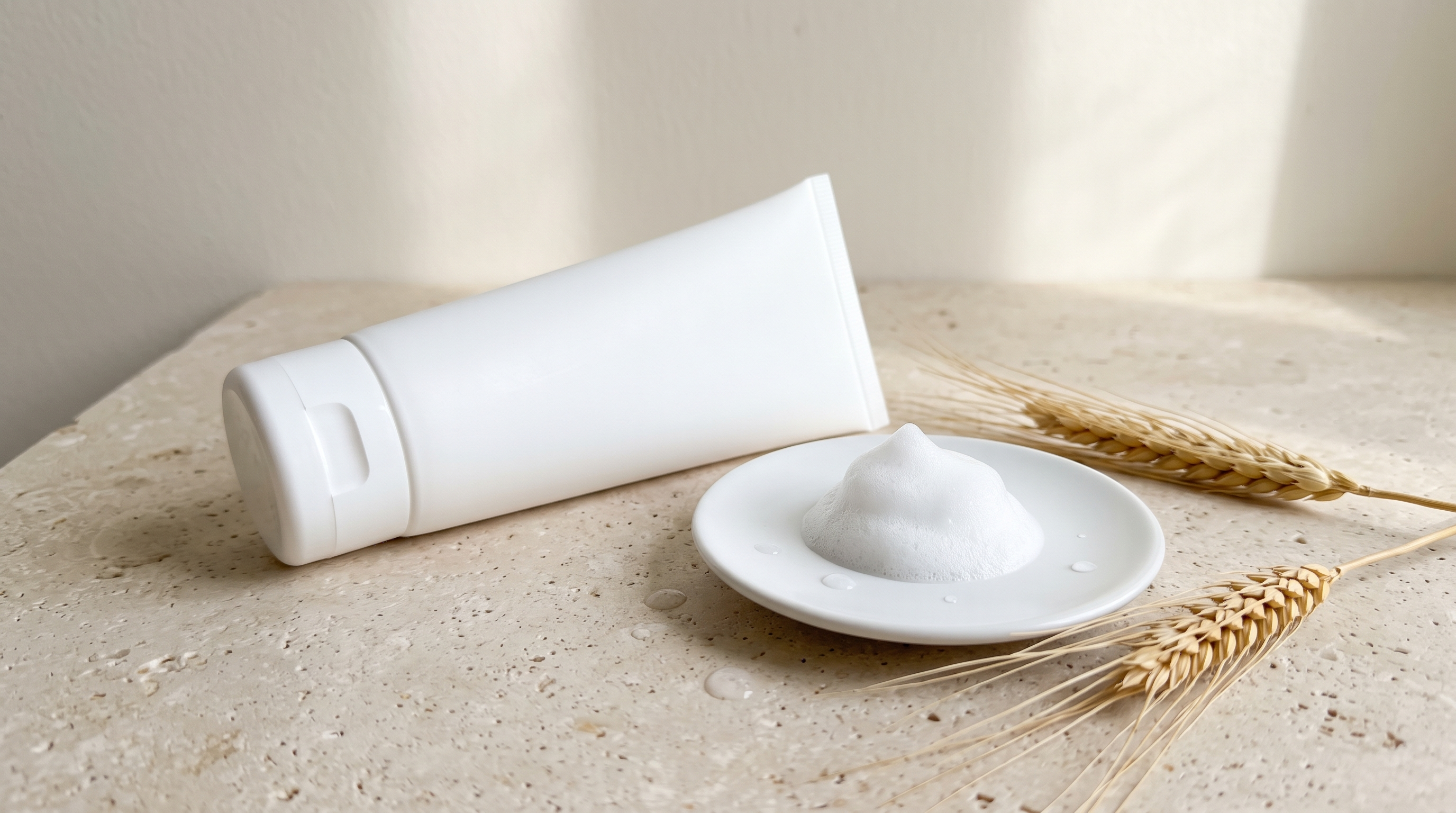
Azelaic acid is formulated in gels, creams, and foams, and it now turns up in face washes too, although an azelaic acid cleanser rinses off too quickly to replace a leave-on step. Gels absorb quickly and suit oily or acne-prone skin. Creams are better suited to drier complexions or the more porous skin common after menopause, and our guide to choosing an azelaic acid cream compares prescription and over-the-counter strengths. Azelaic acid can be applied morning or evening — or both — and it does not increase photosensitivity (unlike retinol, glycolic acid, or vitamin C), making it a genuinely flexible addition to a routine.
Initial application may produce mild tingling, which typically resolves within two to three weeks as the skin acclimates. True irritation is uncommon and generally limited to transient redness in the first week.
How to Layer It: A Morning and Evening Stack
For women over 40 working on hyperpigmentation, the most evidence-supported approach is to build a routine that addresses the problem from complementary angles without compounding irritation. Azelaic acid in the morning and retinol at night is a protocol increasingly recommended in dermatology literature because each targets different steps in melanin production and cellular turnover [1].
Morning stack: Cleanser Azelaic acid serum or gel (5–15%) Moisturizer with ceramides to support the barrier Broad-spectrum SPF 30–50 (non-negotiable — UV exposure rapidly reverses any brightening progress)
Morning stack:
- Cleanser
- Azelaic acid serum or gel (5–15%)
- Moisturizer with ceramides to support the barrier
- Broad-spectrum SPF 30–50 (non-negotiable — UV exposure rapidly reverses any brightening progress)
Evening stack:
- Cleanser
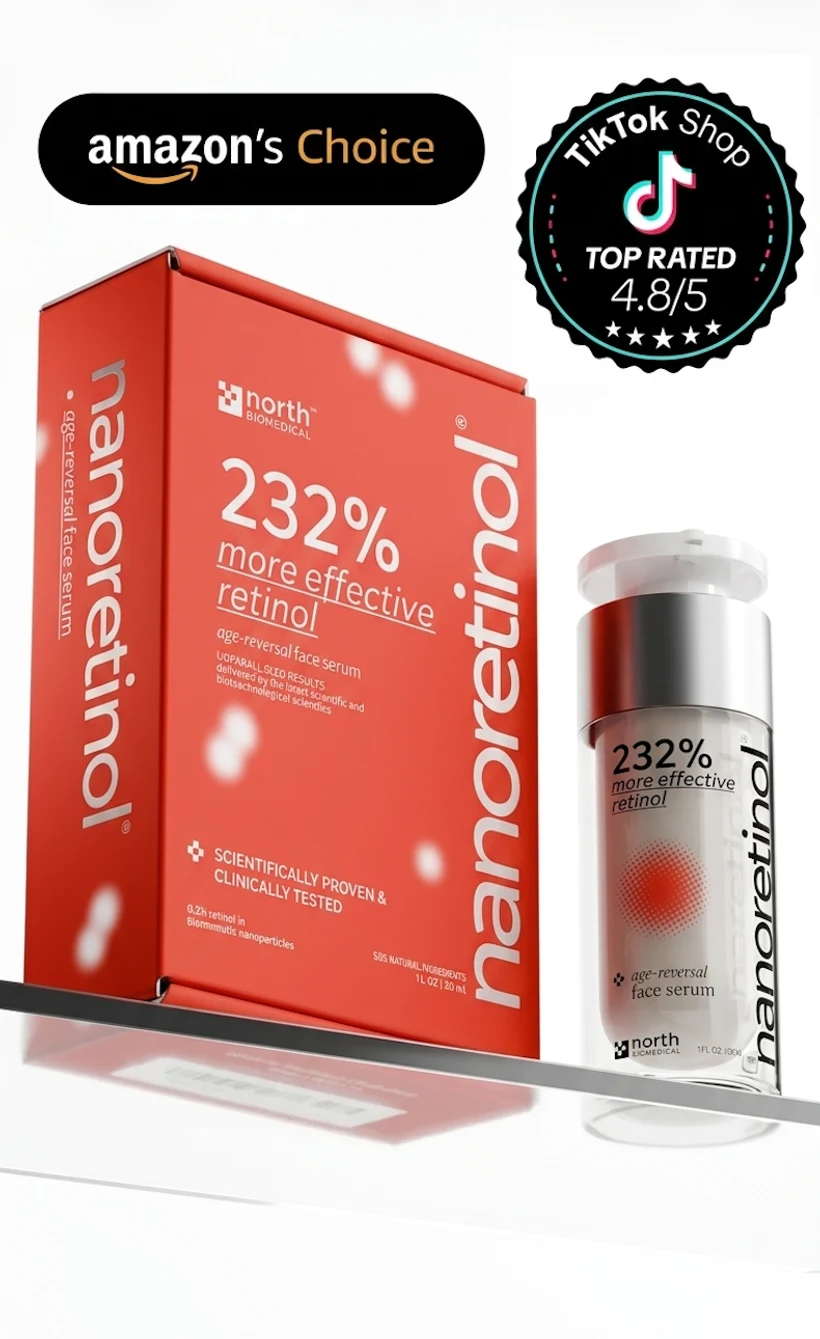
- Retinol or Nanoretinol® serum
- Moisturizer
This division of labor makes practical sense. Azelaic acid handles daytime pigment inhibition and inflammation control. Retinol handles nighttime cell turnover and collagen support. The two do not antagonize each other, and morning azelaic acid does not require the careful build-up period that retinoids do.
For those who are new to retinol or dealing with sensitive skin, encapsulated retinol formats have a substantially better tolerance profile than conventional formulations — relevant for anyone concerned about combining active ingredients without triggering reactivity.
What About Tranexamic Acid and Niacinamide?
Azelaic acid is often compared to tranexamic acid for hyperpigmentation treatment. Tranexamic acid works upstream in the pigmentation cascade, interfering with the communication between keratinocytes and melanocytes before tyrosinase becomes involved. In practice, the two are complementary rather than redundant: tranexamic acid may be more effective for deeper, hormonally driven melasma, while azelaic acid’s anti-inflammatory component provides an advantage for post-inflammatory hyperpigmentation and rosacea-associated redness.
Niacinamide (vitamin B3) works differently still — primarily by inhibiting the transfer of melanosomes from melanocytes to keratinocytes rather than the production of melanin itself. All three can theoretically be used in the same routine, though there is limited clinical data on triple combinations.
The Delivery Problem — and How Science Is Solving It
One practical limitation of conventional azelaic acid is penetration. As a water-soluble acid, it does not naturally cross the lipid-rich epithelial barrier efficiently. This is why prescription-strength 15% gel formulations exist: the high concentration compensates for limited skin uptake.
This is a familiar challenge in cosmetic dermatology — and the same challenge that drove the development of lipid nanoparticle encapsulation for retinol. The same principle that makes Nanoretinol® significantly more effective than conventional retinol [5] — encapsulating the active inside nano-sized lipid carriers that the skin’s barrier recognizes as compatible — is also being explored for azelaic acid delivery. Studies on azelaic acid-loaded nanostructured lipid carriers have demonstrated enhanced skin permeation and sustained release compared to conventional gel formulations [2].
The practical implication: delivery format matters at least as much as concentration, across essentially all topical skincare actives.
Who Should Consider It
Azelaic acid is appropriate for essentially all skin types, including sensitive skin and darker complexions where other brightening agents (particularly hydroquinone) carry meaningful risks. It is one of the few topical actives considered compatible with pregnancy, though as always, medical advice specific to your situation applies.
It is particularly worth considering for:
- Women dealing with persistent post-inflammatory hyperpigmentation after breakouts
- Anyone managing hormonal melasma who has experienced irritation with stronger brighteners
- Women with rosacea who want to address redness and pigmentation simultaneously
- Anyone looking for a long-term brightener that doesn’t require periodic cycling off
What it won’t do: work as quickly as professional procedures (chemical peels, laser), or produce the degree of cellular turnover that retinoids drive. Used as part of a well-designed routine, azelaic acid is not a replacement for retinol — it is a complement that addresses the parts of the picture retinol doesn’t directly reach.
What Science Is Still Learning
Research into azelaic acid continues to evolve. Recent studies have explored its role in treating post-inflammatory hyperpigmentation in skin of color, its potential synergies with retinoids, and next-generation delivery systems that may make OTC concentrations more clinically competitive with prescription strengths [1, 2]. The combination of an exceptional safety profile, multiple mechanisms of action, and growing evidence base makes it a genuinely interesting ingredient — one that younger skincare science is only beginning to study as systematically as it deserves.
For women over 40 navigating a skincare landscape full of aggressive actives and overpromised results, that combination of gentleness, multi-functionality, and scientific credibility is worth paying attention to.
References
- Feng X, Shang J, Gu Z, Gong J, Chen Y, Liu Y. “Azelaic Acid: Mechanisms of Action and Clinical Applications.” Clin Cosmet Investig Dermatol. 2024;17:2359–2371. doi:10.2147/CCID.S485237
- Sauer N, Oślizło M, Brzostek M, Wolska J, et al. “The Multiple Uses of Azelaic Acid in Dermatology: Mechanism of Action, Preparations, and Potential Therapeutic Applications.” Postepy Dermatol Alergol. 2023;40(6):802–812. doi:10.5114/ada.2023.133955
- Coda AB, Hata T, Miller J, et al. “Cathelicidin, Kallikrein 5, and Serine Protease Activity Is Inhibited During Treatment of Rosacea with Azelaic Acid 15% Gel.” J Am Acad Dermatol. 2013;69(4):570–577. doi:10.1016/j.jaad.2013.05.019
- Baliña LM, Graupe K. “The Treatment of Melasma: 20% Azelaic Acid Versus 4% Hydroquinone Cream.” Int J Dermatol. 1991;30(12):893–895. doi:10.1111/j.1365-4362.1991.tb04362.x
- North Biomedical LLC. “Nanoretinol® vs. Conventional Retinol: Efficacy in Collagen and Elastin Recovery.” Clinical Study Summary, 2024. northbiomedical.com/documents/Nanoretinol-Study_Summary.pdf