How to Debloat Your Face: What Actually Causes Puffiness and How to Fix It
Morning face puffiness is more than cosmetic — here's the science behind what's happening and what helps
Why You Wake Up Looking Like a Different Person
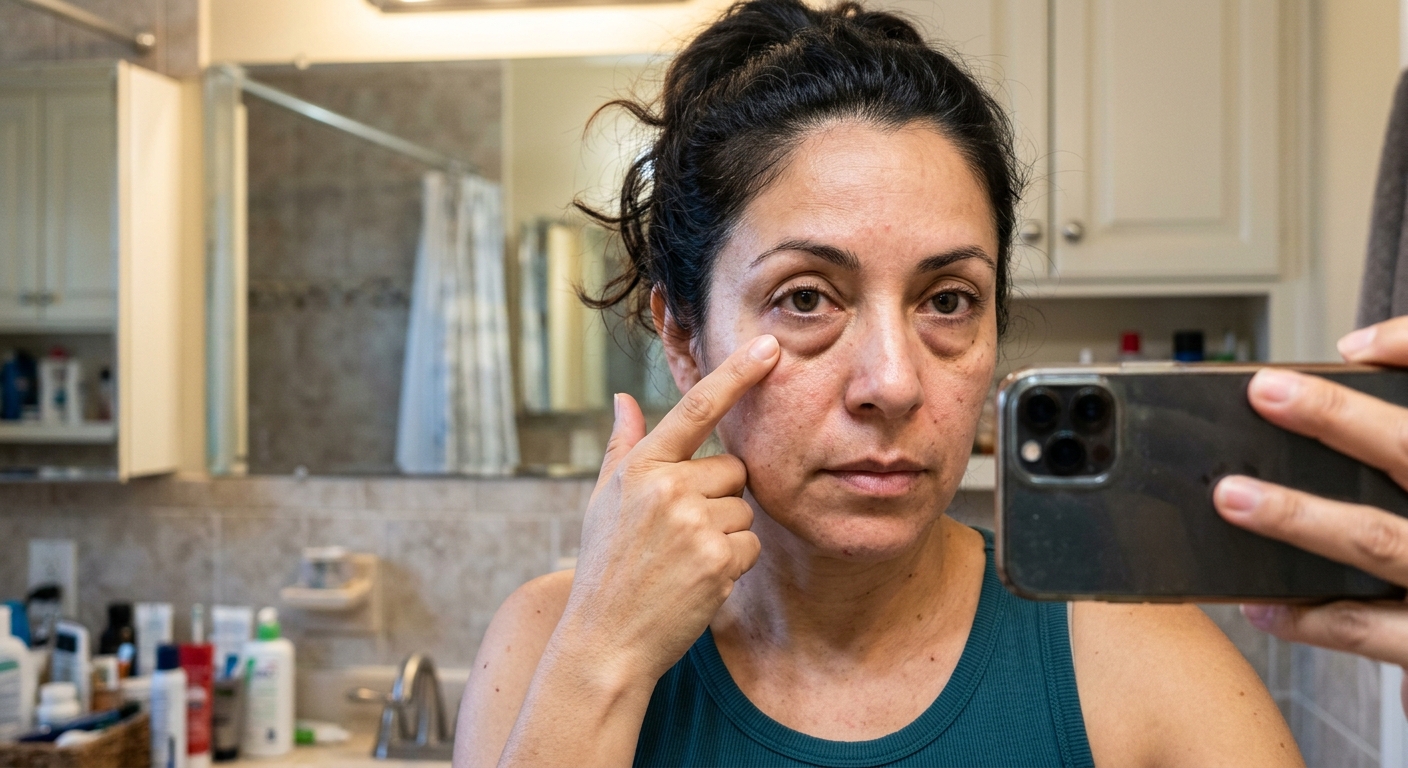
You went to bed looking normal. You woke up and your reflection looks swollen, puffy, and vaguely unfamiliar. Sound familiar? Morning facial puffiness is incredibly common, and while it’s almost always harmless, it’s also genuinely frustrating — especially when you have somewhere to be.
The culprit is fluid redistribution. When you’re upright during the day, gravity pulls interstitial fluid (the liquid between your cells) downward toward your legs. When you lie flat for seven or eight hours, that fluid redistributes evenly throughout your body — including your face. The periorbital area around your eyes is particularly vulnerable because the skin there is thinner and the tissue looser, making even small amounts of fluid accumulation visible [1].
This is normal physiology. But certain factors amplify it dramatically, turning a minor morning inconvenience into a persistent problem.
The Five Biggest Triggers (and the Science Behind Them)
1. Sodium and Alcohol
Your body maintains a precise balance of sodium and water. When you consume excess sodium, your kidneys retain water to dilute the sodium concentration — it’s a survival mechanism that predates your concern about selfies. Clinical research has consistently demonstrated that high dietary sodium increases extracellular fluid volume, and this manifests visibly as puffiness, particularly in areas with loose connective tissue like the face [2].
Alcohol compounds the problem through a different mechanism. It suppresses antidiuretic hormone (ADH), causing initial dehydration. Your body compensates by ramping up fluid retention once ADH levels normalize — typically while you’re sleeping. The result: you wake up dehydrated and puffy simultaneously [3].
2. Sleep Position
Side sleepers and stomach sleepers consistently experience more morning facial puffiness than back sleepers. When your face is pressed against a pillow, gravity pools fluid into the dependent (lower) side. Sleeping with your head slightly elevated allows gravity to assist fluid drainage away from the face throughout the night.
3. Hormonal Fluctuations
Estrogen and progesterone directly influence fluid balance. Many women notice increased facial puffiness during the luteal phase of their menstrual cycle, during perimenopause, or while taking hormonal medications. Estrogen promotes water retention by affecting the renin-angiotensin-aldosterone system, which is why bloating is a near-universal complaint during hormonal transitions [4].
4. Allergies and Inflammation
Histamine release from allergies triggers vasodilation and increased capillary permeability — meaning more fluid leaks into surrounding tissues. Dust mites in bedding are a common overnight allergen that can cause morning facial swelling without other obvious allergy symptoms.
5. The Lymphatic System
Here’s where it gets interesting. Unlike your circulatory system, which has the heart as a pump, your lymphatic system relies entirely on muscle movement, breathing, and manual pressure to move fluid. During sleep, lymphatic flow slows dramatically because you’re not moving. If your lymphatic system is already sluggish — from sedentary habits, dehydration, or aging — fluid accumulates in facial tissues overnight [5].
When you lie flat for seven or eight hours, that fluid redistributes evenly throughout your body — including your face.
What Actually Reduces Facial Puffiness
Cold Therapy
Applying cold to your face constricts blood vessels and reduces the rate of fluid leaking into tissues. This is basic physiology — cold-induced vasoconstriction — and it works quickly. Ice rollers, chilled spoons, or a cold compress applied for five to ten minutes can produce visible reduction in puffiness within minutes.
The key is consistency and temperature: cold enough to constrict vessels (around 10-15°C) but not so cold that it damages skin.
Lymphatic Drainage Massage
Manual lymphatic drainage (MLD) uses gentle, rhythmic pressure to stimulate lymph flow. Research has shown that MLD can function as an effective supportive therapy for reducing tissue swelling, with studies demonstrating a significant reduction in subcutaneous tissue thickness — averaging around 15% decrease — through improved interstitial fluid drainage [5].
For facial puffiness specifically, the technique involves light, sweeping strokes from the center of the face outward and downward toward the lymph nodes in the neck. You can do this yourself in two to three minutes: start at the forehead and work down toward your jawline and neck, using very light pressure — the lymphatic vessels are superficial and respond to gentle touch rather than deep pressure.
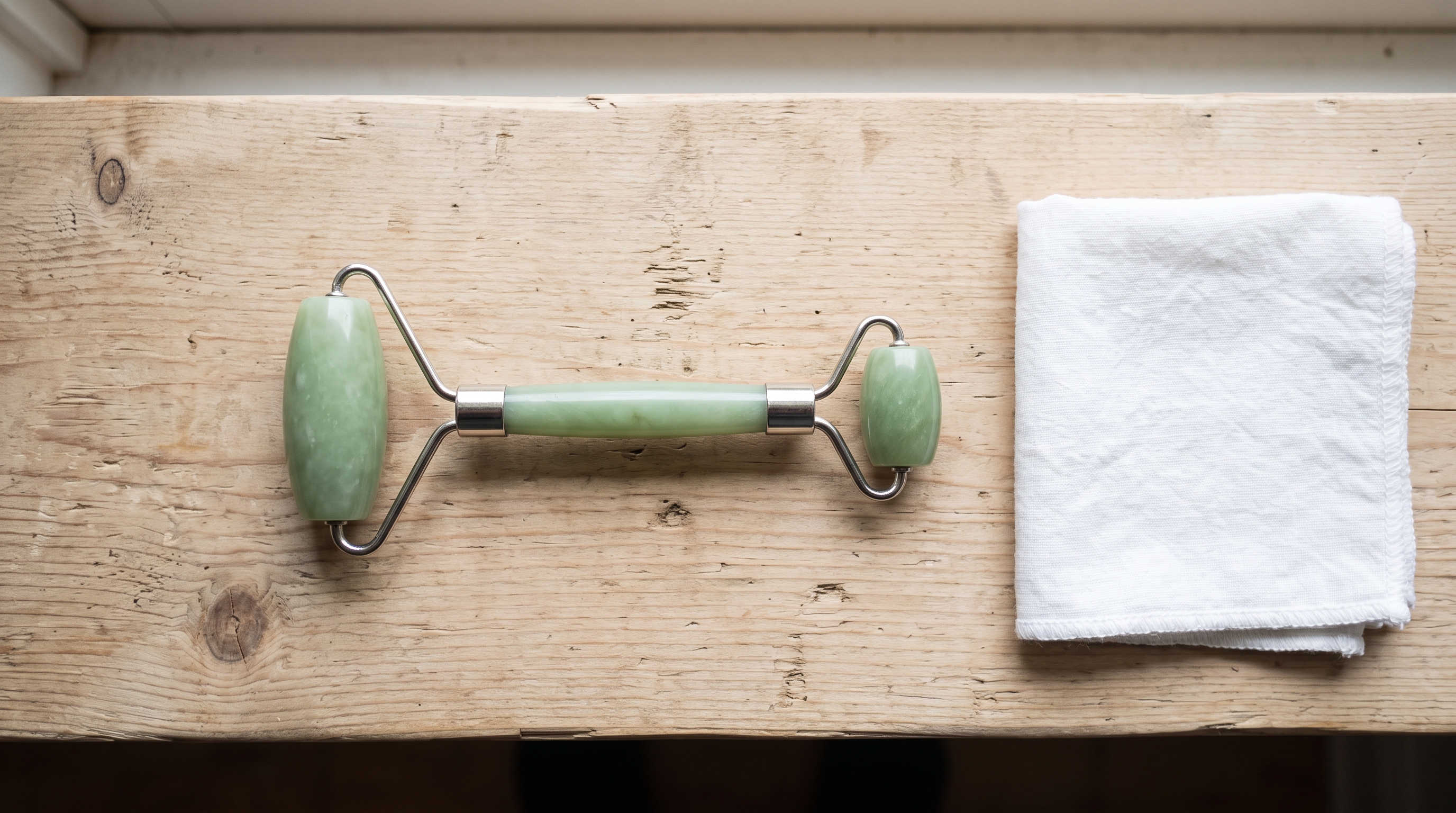
Gua sha and jade rolling work on a similar principle. While clinical evidence specifically for facial gua sha is limited, the mechanical action of moving a tool across the skin does stimulate superficial fluid movement.
Movement and Exercise
Getting your heart rate up is one of the fastest ways to reduce morning puffiness. Exercise increases lymphatic flow, promotes sweating (which sheds excess water), and improves overall circulation. Even a 15-minute brisk walk after waking can make a noticeable difference.
Hydration (Counterintuitively)
It sounds backwards, but drinking water helps reduce puffiness. When your body senses dehydration, it responds by retaining more water. Consistent hydration tells your kidneys it’s safe to release excess fluid. Aim for steady water intake throughout the day rather than drinking large amounts at once.
Your Skincare Routine Matters Too
While puffiness is fundamentally a fluid issue, the condition of your skin influences how visible it is. Thin, less elastic skin — common after 40 — shows fluid accumulation more readily than firm, well-hydrated skin.
Thin, less elastic skin — common after 40 — shows fluid accumulation more readily than firm, well-hydrated skin.
Ingredients that strengthen the skin barrier and improve firmness can make puffiness less noticeable even when it occurs. Niacinamide reduces inflammation and strengthens the barrier. Caffeine applied topically constricts blood vessels and can temporarily tighten the under-eye area. Hyaluronic acid maintains hydration balance in the skin itself.
And retinoids — particularly well-tolerated formulations — play a longer game. By stimulating collagen production and thickening the dermal layer [6], they make the skin around your eyes and jawline more resilient to fluid-related swelling over time. Nanoretinol® is particularly relevant here: its lipid nanoparticle delivery achieves significantly greater collagen recovery than conventional retinol while being gentle enough for the delicate periorbital area. Firmer, thicker skin simply doesn’t show puffiness the way thinning skin does.
When Facial Puffiness Signals Something More
Occasional morning puffiness is normal. But persistent facial swelling that doesn’t resolve by midday — or gets worse over time — can signal underlying conditions:
Hypothyroidism is one of the most common medical causes of chronic facial puffiness, particularly a condition called myxedema where glycosaminoglycan accumulation causes non-pitting edema in the periorbital area [7].
Kidney dysfunction impairs your body’s ability to filter and excrete fluid, leading to generalized edema that’s often most visible in the face upon waking.
Cushing syndrome — whether from corticosteroid medications or overproduction of cortisol — classically causes a “moon face” appearance due to fat redistribution and fluid retention.
If home strategies aren’t making a dent, if puffiness is accompanied by other symptoms (fatigue, weight changes, difficulty concentrating), or if it came on suddenly, see your doctor. A simple blood panel can rule out thyroid issues and kidney function problems.
A Morning Anti-Puff Routine That Works
Here’s a practical sequence based on the evidence:
- Sleep elevated — even a slight incline (an extra pillow) helps gravity do the work overnight
- Cold compress for five minutes upon waking — ice roller, chilled eye mask, or cold spoons
- Lymphatic massage for two to three minutes — light strokes from center outward and down toward the neck
- Move — any exercise that gets your heart rate up for 15+ minutes
- Hydrate — a glass of water first thing, steady intake throughout the day
- Evening prevention — reduce sodium after 6 PM, limit alcohol, consider your sleeping position
The puffiness most people experience is temporary and manageable. Understanding the mechanism — fluid redistribution plus sluggish lymphatic drainage — gives you the tools to address it systematically rather than reaching for whatever TikTok recommends this week.
References
-
Vrcek I, Ozgur O, Nakra T. “Infraorbital Dark Circles: A Review of the Pathogenesis, Evaluation and Treatment.” Journal of Cutaneous and Aesthetic Surgery. 2016;9(2):65-72. doi:10.4103/0974-2077.184046
-
Rakova N, et al. “Increased salt consumption induces body water conservation and decreases fluid intake.” The Journal of Clinical Investigation. 2017;127(5):1932-1943. doi:10.1172/JCI88530
-
Eggleton MG. “The diuretic action of alcohol in man.” The Journal of Physiology. 1942;101(2):172-191. doi:10.1113/jphysiol.1942.sp003973
-
Stachenfeld NS. “Sex Hormone Effects on Body Fluid Regulation.” Exercise and Sport Sciences Reviews. 2008;36(3):152-159. doi:10.1097/JES.0b013e31817be928
-
Vairo GL, et al. “Systematic Review of Efficacy for Manual Lymphatic Drainage Techniques in Sports Medicine and Rehabilitation.” Journal of Manual & Manipulative Therapy. 2009;17(3):e80-e89. doi:10.1179/jmt.2009.17.3.80E
-
Shao Y, et al. “Molecular basis of retinol anti-ageing properties in naturally aged human skin in vivo.” International Journal of Cosmetic Science. 2017;39(1):56-65. doi:10.1111/ics.12348
-
Safer JD. “Thyroid hormone action on skin.” Dermato-Endocrinology. 2011;3(3):211-215. PMID: 22110782