Inflammaging: The Hidden Cause of Premature Skin Aging
Chronic low-grade inflammation silently accelerates collagen breakdown and accelerates visible aging—here's what the research shows
Why Your Skin Might Be Aging Faster Than It Should
You do everything right. SPF every morning. A solid skincare routine. Enough water. And yet—the mirror tells a different story than you’d expect for your age.
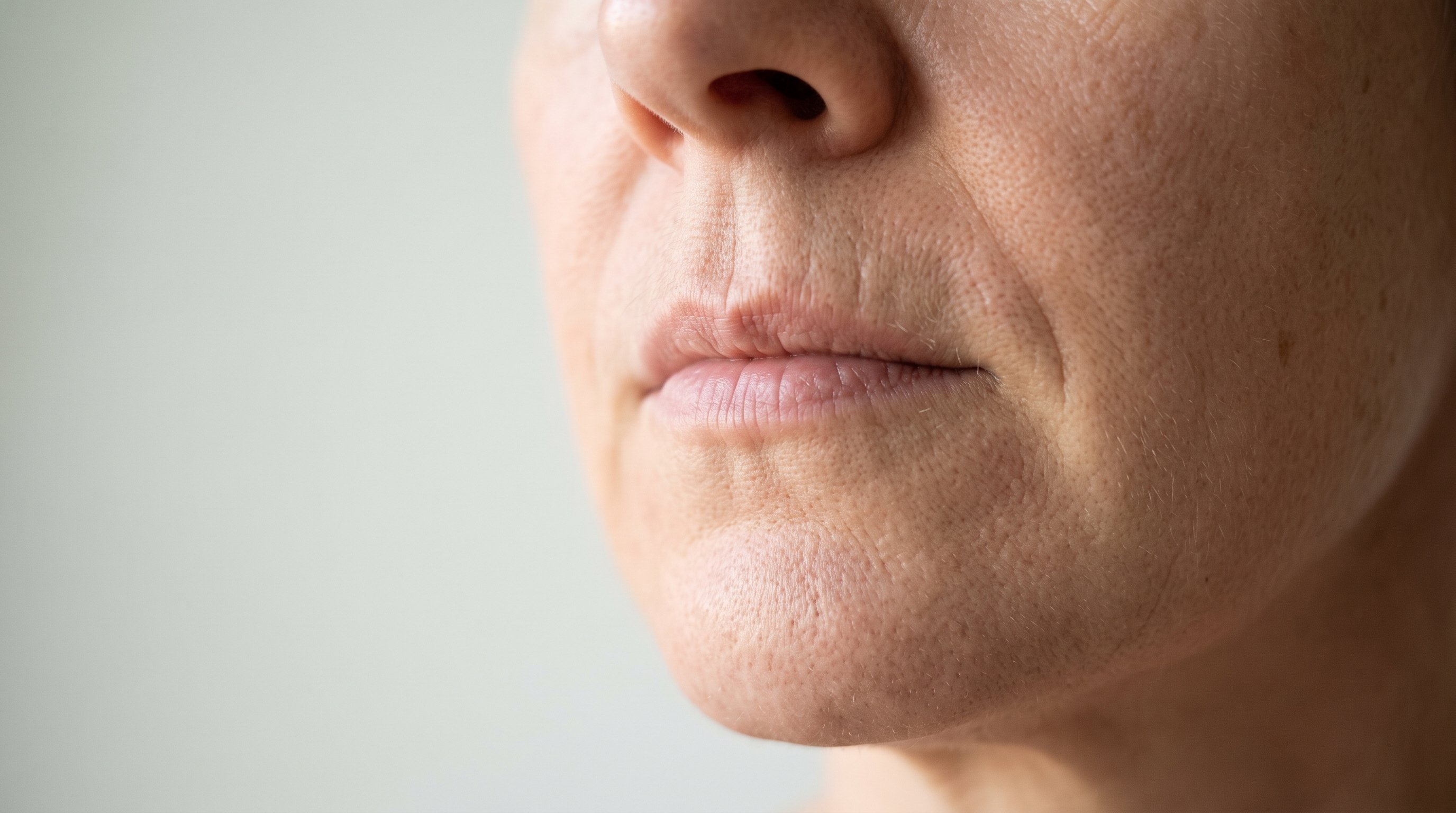
There is a phenomenon that dermatologists and longevity researchers increasingly describe as the main engine of accelerated skin aging: inflammaging. It has nothing to do with visible redness or a sunburn. It works quietly, at the cellular level, year after year—breaking down collagen, disrupting skin renewal, and leaving the skin thinner, looser, and more prone to wrinkles than it would otherwise be.
Understanding inflammaging is not just an academic exercise. It changes what you do about aging skin—and what to realistically expect from any skincare routine.
What Is Inflammaging?
The term was coined by immunologist Claudio Franceschi in the early 2000s, combining “inflammation” and “aging.” It describes a chronic, low-grade, sterile inflammatory state that builds up over a lifetime—not the acute inflammation of a cut or infection, but a persistent, smoldering background noise in the immune system.
In a 2021 paper in the Journal of Investigative Dermatology, researchers Pilkington, Bulfone-Paus, Griffiths, and Watson provided a rigorous framework for inflammaging in skin tissue specifically, defining it as a systemic pro-inflammatory state that accelerates the molecular and structural changes associated with skin aging [1]. Their analysis showed that inflamed aged skin doesn’t just look worse—it is biochemically different, with elevated cytokine activity, reduced barrier function, and impaired cellular renewal.
This is what makes inflammaging so insidious: the damage accumulates invisibly. By the time wrinkles deepen or skin firmness noticeably declines, the underlying inflammatory process has been running for years.
The Biology: How Inflammation Destroys Skin Structure
At the cellular level, inflammaging drives skin aging through several converging mechanisms.
There is a phenomenon that dermatologists and longevity researchers increasingly describe as the main engine of accelerated skin aging: inflammaging.
Collagen degradation. Pro-inflammatory cytokines—particularly TNF-α, IL-1β, and IL-6—activate a family of enzymes called matrix metalloproteinases (MMPs). These enzymes degrade the collagen and elastin fibers that give skin its structure and resilience. The result is a thinning dermis, reduced firmness, and sagging. This is not a slow, inevitable process. It is an actively accelerated one in the presence of elevated inflammation.
Cellular senescence. As skin cells accumulate damage, some enter a state of “senescence”—they stop dividing and repairing tissue but release a cascade of pro-inflammatory signals. This is called the senescence-associated secretory phenotype (SASP). A 2021 study in International Journal of Molecular Sciences described how senescent cells and inflammaging form a self-reinforcing feedback loop in the skin microenvironment: senescent cells drive more inflammation, and inflammation drives more senescence [2].
NF-κB escalation. The molecular switch most responsible for amplifying inflammaging is the NF-κB signaling pathway. A 2022 paper in Immunity & Ageing identified NF-κB as “a culprit of both inflamm-ageing and declining immunity”—a transcription factor that becomes chronically overactivated with age, upregulating inflammatory gene expression even without a specific immune trigger [3].
Epidermal barrier compromise. As inflammaging disrupts the skin’s barrier, moisture loss increases, and environmental triggers—UV, pollution, irritants—penetrate more deeply. This sets off another wave of inflammatory signaling, compounding the damage further. (See: How to Repair a Damaged Skin Barrier.)
What Triggers Inflammaging?
The answer isn’t one single cause. Inflammaging is multifactorial, driven by a combination of:
- Cumulative UV exposure. Ultraviolet radiation triggers the same NF-κB/MMP pathway that inflammaging activates internally. Decades of UV accumulation deposit a chronic inflammatory burden in the dermis.
- Oxidative stress. Reactive oxygen species (ROS) from pollution, metabolic processes, and UV generate oxidative damage that activates inflammatory cascades. Over time, the skin’s antioxidant defenses become insufficient to neutralize this load. (See: The Science Behind Antioxidant Skin Care.)
- Glycation. When glucose molecules cross-link with skin proteins, they form advanced glycation end-products (AGEs). AGEs bind to RAGE receptors, triggering pro-inflammatory signaling. (See: How Glycation Damages Skin Collagen.)
- Impaired autophagy. With age, the cellular housekeeping process slows—damaged components accumulate and trigger inflammatory responses from within.
- Microbiome disruption. As the skin microbiome shifts with age, the barrier becomes more permissive to inflammatory triggers.
- Chronic heat exposure. Repeated infrared and thermal load suppresses procollagen and raises MMP-1 in human skin, which is why the evidence on sauna skin benefits separates circulatory effects from structural ones.
A compromised barrier accelerates inflammaging by giving inflammatory triggers direct access to viable skin cells.
What the Research Says About Reducing Skin Inflammaging
The 2024 review by Ren, Qu, Yuan, and Wang in Clinical, Cosmetic and Investigational Dermatology identified the key signaling pathways in skin inflammaging and mapped which naturally occurring compounds can modulate them [4]. Their framework confirms that the most effective topical strategies target NF-κB activity, MMP expression, and oxidative stress simultaneously.
Antioxidants work as upstream interceptors—neutralizing ROS before it can activate inflammatory cascades. Vitamin C, vitamin E, astaxanthin, and green tea polyphenols all have evidence supporting their role in dampening inflammatory signaling in skin.
Barrier support is non-negotiable. A compromised barrier accelerates inflammaging by giving inflammatory triggers direct access to viable skin cells. Ceramides, niacinamide, and occlusives reduce transepidermal water loss and shield the barrier from compounding damage.
Retinol deserves special attention in any inflammaging protocol. Beyond its well-known ability to stimulate collagen and accelerate cell turnover, retinol directly modulates the AP-1 and NF-κB pathways—reducing collagenase expression and downregulating inflammatory cytokine activity in aged skin [5]. In other words, it doesn’t just repair aging damage; it addresses one of the mechanisms causing it. A 2023 review in Biomolecules called out retinol specifically for its capacity to counteract the cellular and molecular changes associated with skin aging at both the structural and inflammatory level.
Why Delivery Matters as Much as the Ingredient
Knowing that retinol interrupts inflammaging is only half the equation. Whether that retinol reaches the skin cells where the damage is happening is a different question entirely.
Traditional retinol formulations use chemical carrier systems that mobilize skin lipids to gain entry into the epidermis. This mechanism works for delivery, but the disruption triggers a local inflammatory response: the burning, redness, and peeling that many retinol users experience. Paradoxically, the irritation from a traditional retinol serum can itself amplify the low-grade inflammation you’re trying to reduce.
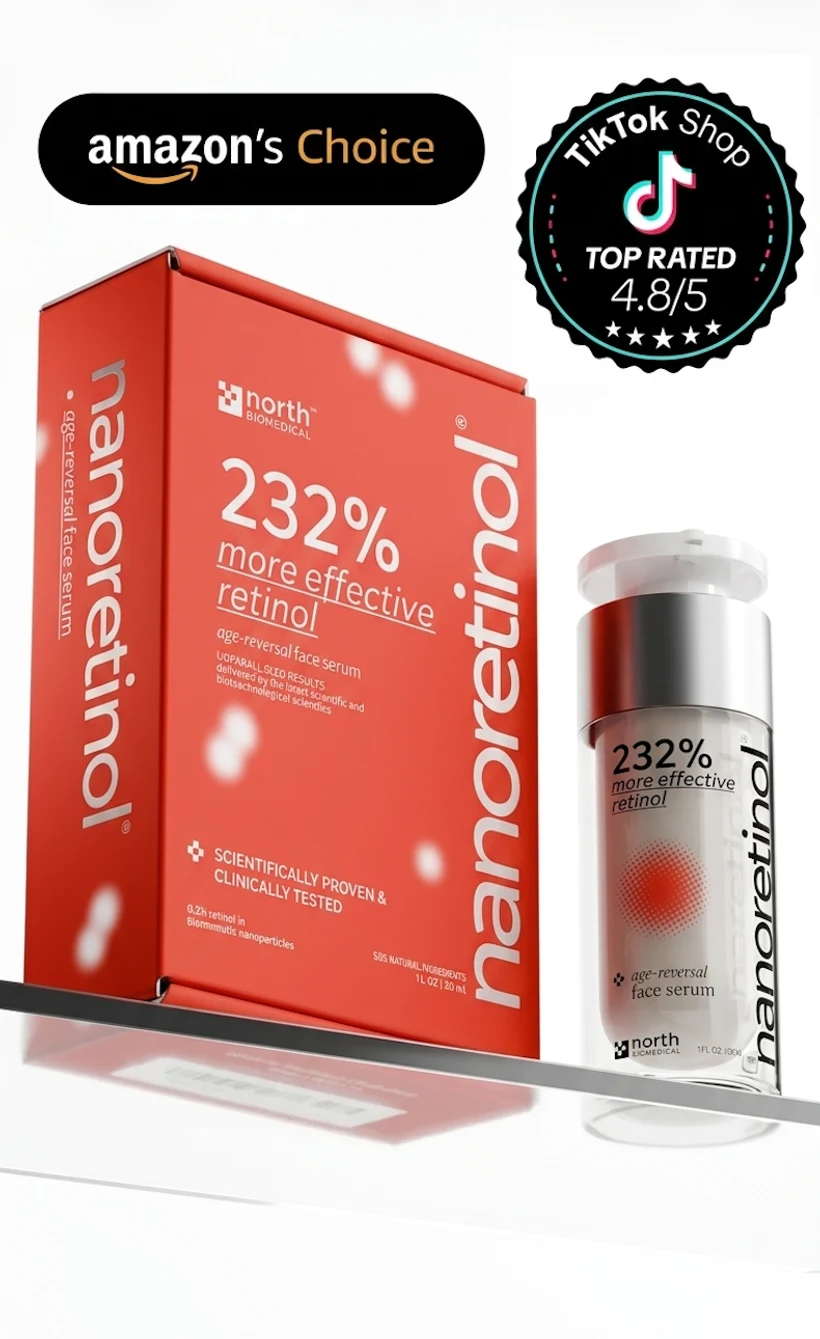
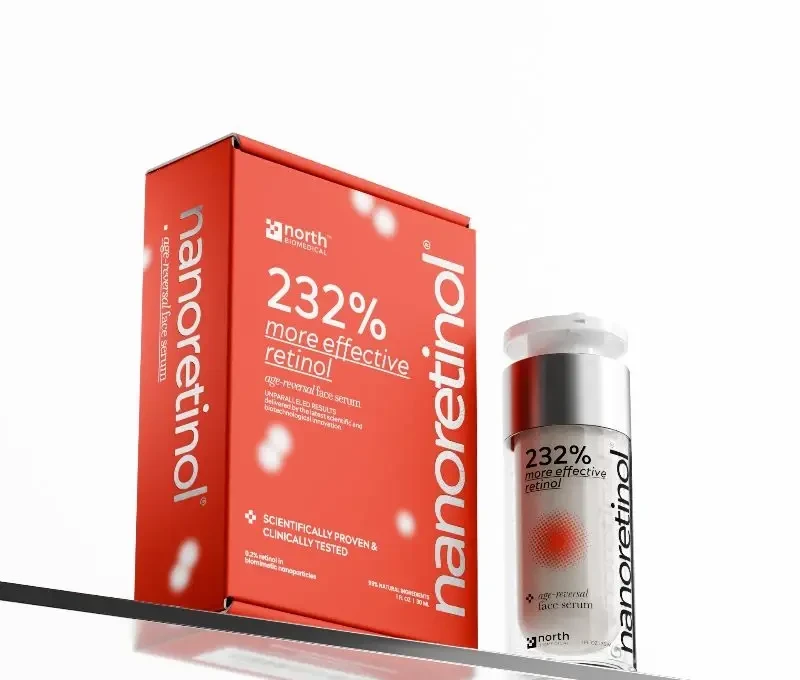
This is where encapsulation technology changes the calculus. Nanoretinol uses biomimetic lipid nanoparticles—structures biologically indistinguishable from the skin’s own lipid matrix—to transport retinol through the epithelial barrier without triggering barrier disruption. Clinical data shows Nanoretinol is significantly gentler on skin cells than conventional retinol, with drastically reduced cytotoxicity—making it a natural fit for an inflammaging protocol where avoiding new inflammatory triggers is as important as addressing existing ones.
Where to Start
If you suspect inflammaging is part of your skin’s story, the most practical starting points are:
- Daily SPF. UV is the largest external accelerant of skin inflammaging. Consistent sun protection doesn’t just prevent new damage—it slows the accumulation of the chronic inflammatory burden that builds over decades.
- Antioxidant layering. A vitamin C serum in the morning and an antioxidant-rich night product give skin meaningful protection against oxidative inflammatory triggers.
- Barrier-first philosophy. Never sacrifice barrier health for active ingredient delivery. A compromised barrier doesn’t just lose moisture—it lets inflammatory triggers in.
- Choose retinol wisely. If retinol is causing redness, irritation, or peeling, the irritation is adding to the inflammatory burden—not subtracting from it. A gentler delivery system isn’t a compromise; it’s a better strategy.
What to Expect
Inflammaging is a slow process—and addressing it takes time measured in months, not days. What you can realistically expect from a consistent anti-inflammaging routine: slower progression of wrinkling, improved skin resilience, and a more even tone over time.
The science is unambiguous: chronic low-grade inflammation is not background noise in aging. It is one of the primary drivers. Addressing it systematically, rather than chasing surface-level solutions, is the more efficient path to longer-lasting skin health.
References
- Pilkington SM, Bulfone-Paus S, Griffiths CEM, Watson REB. “Inflammaging and the Skin.” Journal of Investigative Dermatology. 2021;141(4S):1087-1095. doi:10.1016/j.jid.2020.11.006
- Lee YI, Choi S, Roh WS, Lee JH, Kim TG. “Cellular Senescence and Inflammaging in the Skin Microenvironment.” International Journal of Molecular Sciences. 2021;22(8):3849. doi:10.3390/ijms22083849
- Songkiatisak P, Rahman SMT, Aqdas M, Sung MH. “NF-κB, a culprit of both inflamm-ageing and declining immunity?” Immunity & Ageing. 2022;19(1):20. doi:10.1186/s12979-022-00277-w
- Ren Q, Qu L, Yuan Y, Wang F. “Natural Modulators of Key Signaling Pathways in Skin Inflammageing.” Clinical, Cosmetic and Investigational Dermatology. 2024;17:2967-2988. doi:10.2147/CCID.S502252
- Quan T. “Human Skin Aging and the Anti-Aging Properties of Retinol.” Biomolecules. 2023;13(11):1614. doi:10.3390/biom13111614