Antioxidant Skin Care: The Science Behind Fighting Free Radical Damage After 40
Free radicals silently degrade collagen and accelerate photoaging — here's which antioxidants actually work and how to use them strategically
The Invisible Damage Happening Every Day
Every time your skin is exposed to sunlight, pollution, or even the normal process of cellular metabolism, it generates reactive oxygen species — commonly known as free radicals. These are unstable molecules missing an electron, and they stabilize themselves by stealing electrons from whatever is nearby: your DNA, your cell membranes, and critically, the collagen and elastin fibers that give your skin its structure [1].
This process — oxidative stress — is one of the two primary mechanisms of skin aging (the other being chronological decline driven by hormonal changes and reduced cellular function). What makes it particularly damaging after 40 is that the skin’s natural antioxidant defenses diminish with age at precisely the moment oxidative exposure has had decades to accumulate [2].
The result is a compounding deficit: more free radical damage, fewer internal defenses, and a dermis that’s progressively less capable of repairing itself.
How Free Radicals Age Your Skin
The mechanics of oxidative skin aging are specific and measurable. When free radicals interact with dermal proteins, they trigger a cascade of events:
Collagen fragmentation. Reactive oxygen species activate matrix metalloproteinases (MMPs) — enzymes that break down collagen and elastin. A single significant UV exposure can elevate MMP activity for 24 to 48 hours, during which your body is actively degrading its own structural proteins [3].
Inflammation. Free radical damage triggers inflammatory signaling (via NF-κB pathways) that further amplifies MMP production. This creates a self-reinforcing cycle: damage causes inflammation, inflammation causes more damage.
Lipid peroxidation. Free radicals oxidize the lipids in cell membranes, compromising barrier function and impairing the skin’s ability to retain moisture. This is one reason why photoaged skin looks dry and rough even when adequately moisturized — the barrier itself is structurally compromised.
DNA damage. Oxidative hits to cellular DNA in fibroblasts and keratinocytes reduce these cells’ ability to function normally, contributing to the diminished repair capacity that characterizes aging skin [1].
Every time your skin is exposed to sunlight, pollution, or even the normal process of cellular metabolism, it generates reactive oxygen species — commonly known as free radicals.
The cumulative effect is what dermatologists call photoaging: wrinkles, uneven pigmentation, loss of elasticity, and textural changes that go well beyond what chronological aging alone would produce.
Which Antioxidants Actually Work on Skin
Not all antioxidants are equal — and not all of them can meaningfully protect skin when applied topically. The critical variables are penetration (can it cross the stratum corneum?), stability (does it survive exposure to air and light?), and concentration (is there enough to make a biological difference?). By those criteria melatonin scores unusually well: it is small, lipophilic, and manufactured by skin itself.
Vitamin C (L-Ascorbic Acid)
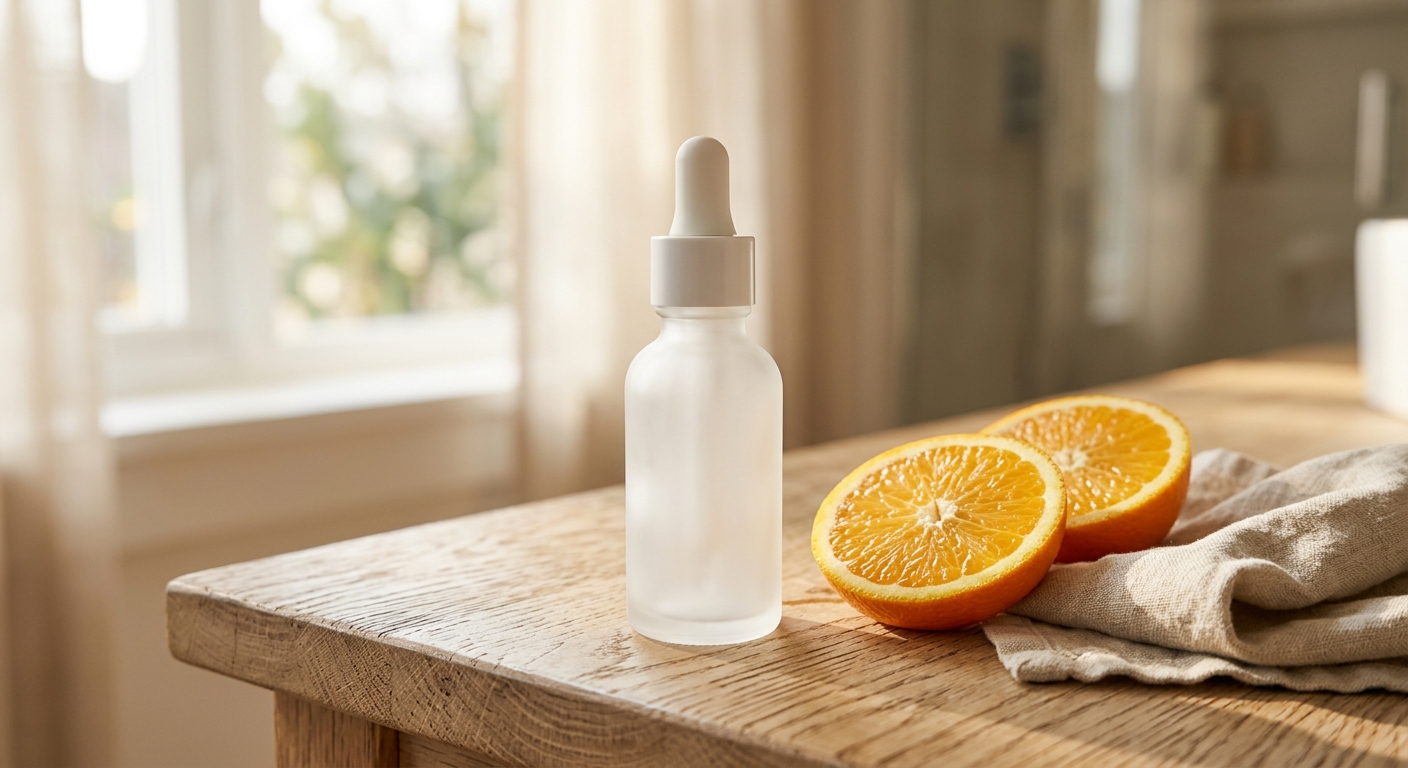
The most studied topical antioxidant in dermatology. L-ascorbic acid neutralizes free radicals in the aqueous compartment of the skin, inhibits melanin synthesis (reducing hyperpigmentation), and serves as an essential cofactor for the enzymes that synthesize collagen [4].
Clinical evidence shows that topical vitamin C at concentrations of 10–20% provides measurable photoprotection and improves signs of photodamage, including fine lines and pigmentation irregularities [5]. However, L-ascorbic acid is notoriously unstable — it oxidizes rapidly in the presence of light, air, and water, which is why formulation matters as much as concentration. That instability is also why a vitamin C face cream usually relies on a derivative or a water-free base rather than plain ascorbic acid.
Vitamin E (Tocopherol)
The primary fat-soluble antioxidant in human skin, vitamin E protects cell membranes from lipid peroxidation. It works in the lipid compartment — the opposite domain from vitamin C — which is why the two are frequently combined. Together, they provide more comprehensive protection than either alone [4].
Ferulic Acid
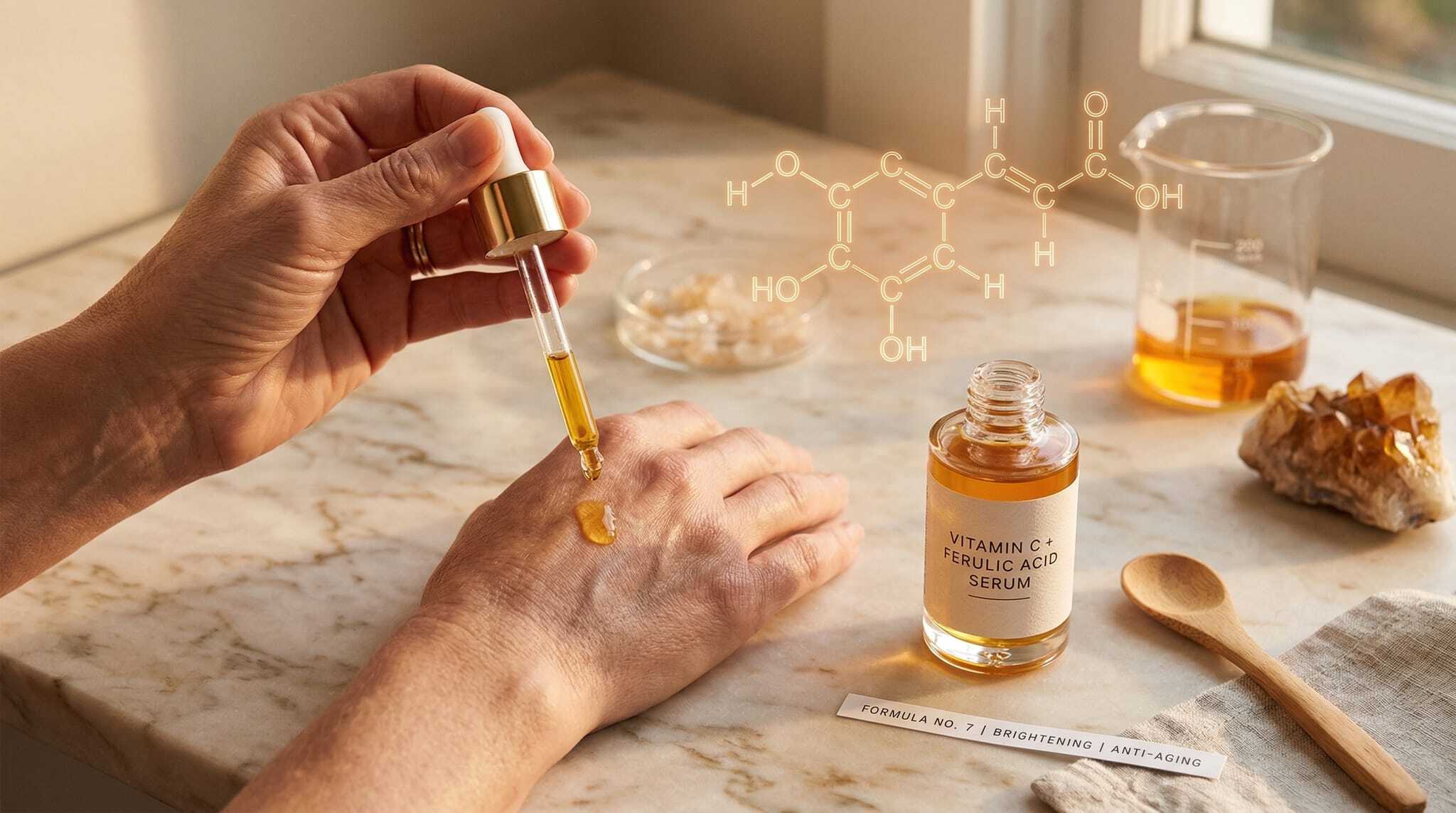
A plant-derived polyphenol that stabilizes both vitamins C and E while adding its own antioxidant capacity. The landmark Pinnell formulation (vitamin C + E + ferulic acid) demonstrated that adding ferulic acid doubled the photoprotection of the vitamin C/E combination [6]. A 2025 systematic review confirmed ferulic acid’s anti-inflammatory, photoprotective, and anti-melanogenic effects across multiple clinical contexts [7].
Niacinamide (Vitamin B3)
Technically not a classical antioxidant, but niacinamide reduces oxidative stress through a different mechanism — it boosts NAD+ levels in skin cells, enhancing cellular energy and repair capacity. It also strengthens the skin barrier, reduces inflammation, and has been shown to improve uneven tone and texture at concentrations of 2–5% [8].
Astaxanthin
A carotenoid from marine sources with unusually potent free radical scavenging capacity — estimated at 6,000 times more powerful than vitamin C in certain in vitro assays. Clinical studies on oral astaxanthin supplementation have shown improvements in wrinkle depth and elasticity, though topical application data is more limited [2]. Plant-derived antioxidants sit in the same defensive category, and rosemary oil for skin is a useful case study in how far that evidence does and does not stretch.
Here’s what most skincare advice gets wrong about antioxidants: they’re framed as a standalone anti-aging strategy.
The Antioxidant–Retinol Strategy
Here’s what most skincare advice gets wrong about antioxidants: they’re framed as a standalone anti-aging strategy. They’re not. Antioxidants are primarily defensive — they slow down free radical damage and reduce MMP activation. What they don’t do is actively rebuild the collagen that’s already been lost.
For that, you need an offensive strategy. And the most evidence-backed offensive ingredient in skincare is retinol.
Retinol directly activates fibroblasts to produce new collagen, upregulates procollagen gene expression, and promotes the cellular turnover that clears damaged tissue [9]. It addresses the root cause of structural aging — not by preventing damage, but by stimulating repair.
The strategic insight is that antioxidants and retinol work on complementary pathways:
Antioxidants reduce the rate at which your existing collagen is being destroyed (by neutralizing free radicals and suppressing MMPs).
Retinol increases the rate at which new collagen is being produced (by activating fibroblasts and upregulating synthesis).
Used together, they shift the balance from net collagen loss to net collagen gain. Neither is sufficient alone — defense without offense means slowing the decline but never reversing it; offense without defense means building new collagen while free radicals continue tearing it down.
Making It Work in Practice
The challenge with combining antioxidants and retinol is that conventional retinol formulations can compromise the skin barrier — the very structure that antioxidants are trying to protect. Peeling, redness, and increased sensitivity from aggressive retinol penetration enhancers can paradoxically increase oxidative vulnerability.
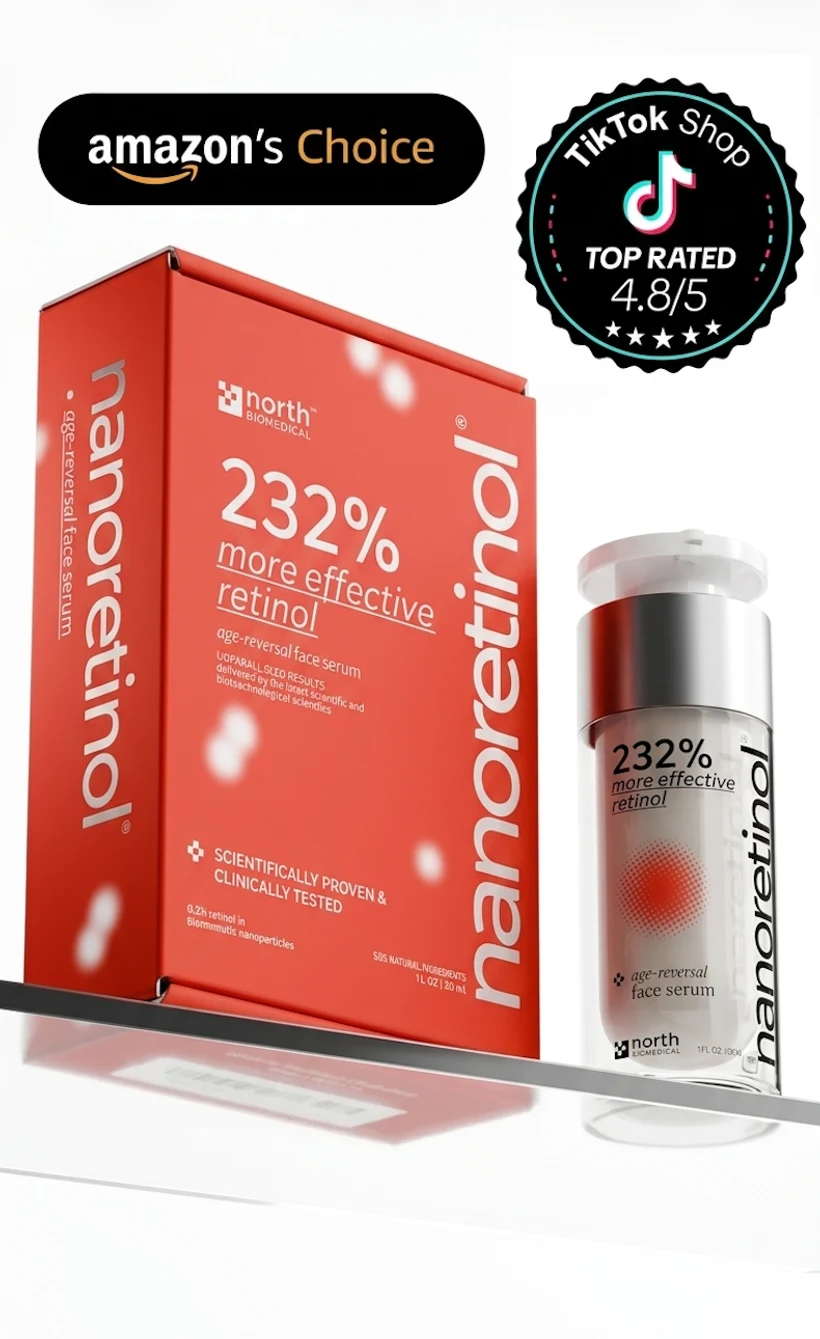
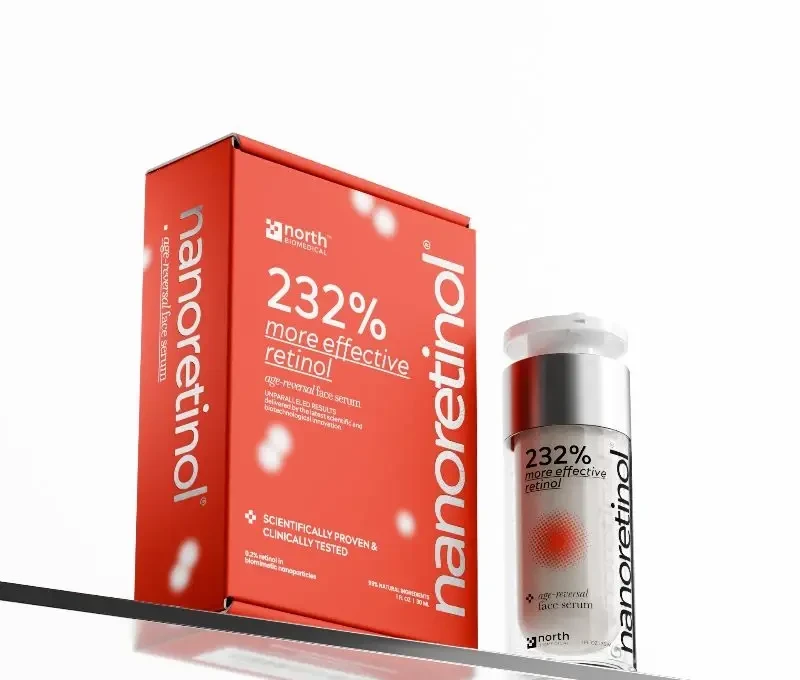
Nanoretinol® resolves this conflict. Its biomimetic lipid nanoparticle delivery system bypasses the skin barrier without damaging it, delivering retinol to the dermis gradually and gently. Clinical testing showed 232% greater collagen recovery than conventional retinol, with drastically reduced cytotoxicity [10]. This means you can pair it with antioxidants without worrying that one strategy is undermining the other.
A practical routine for women over 40:
Morning — Antioxidant defense → Cleanser → Vitamin C serum (10–20% L-ascorbic acid + vitamin E + ferulic acid) → Moisturizer → Broad-spectrum SPF 30+ (non-negotiable)
Evening — Collagen offense → Cleanser → Nanoretinol® (daily application, no adjustment period needed for most users) → Moisturizer with ceramides for barrier support
This AM/PM split separates the antioxidant defense from the retinol offense, giving each maximum efficacy without interaction concerns.
The Long Game
Free radical damage is cumulative and relentless. It doesn’t take a day off. The most effective antioxidant skin care strategy isn’t the one with the most exotic ingredients — it’s the one you use consistently, paired with an active collagen-rebuilding tool that shifts the balance back in your favor.
The science is clear: defend with antioxidants, rebuild with retinol, and protect with sunscreen. Everything else is optional.
References
- Rinnerthaler M, Bischof J, Streubel MK, et al. “Oxidative Stress in Aging Human Skin.” Biomolecules. 2015;5(2):545-589. doi:10.3390/biom5020545
- Davinelli S, Nielsen ME, Scapagnini G. “Astaxanthin in Skin Health, Repair, and Disease: A Comprehensive Review.” Nutrients. 2018;10(4):522. doi:10.3390/nu10040522
- Fisher GJ, Wang ZQ, Datta SC, et al. “Pathophysiology of Premature Skin Aging Induced by Ultraviolet Light.” New England Journal of Medicine. 1997;337(20):1419-1428. doi:10.1056/NEJM199711133372003
- Pullar JM, Carr AC, Vissers MCM. “The Roles of Vitamin C in Skin Health.” Nutrients. 2017;9(8):866. doi:10.3390/nu9080866
- Fitzpatrick RE, Rostan EF. “Double-Blind, Half-Face Study Comparing Topical Vitamin C and Vehicle for Rejuvenation of Photodamage.” Dermatologic Surgery. 2002;28(3):231-236. doi:10.1046/j.1524-4725.2002.01129.x
- Lin FH, Lin JY, Gupta RD, et al. “Ferulic Acid Stabilizes a Solution of Vitamins C and E and Doubles Its Photoprotection of Skin.” Journal of Investigative Dermatology. 2005;125(4):826-832. doi:10.1111/j.0022-202X.2005.23768.x
- Baeza G, et al. “Ferulic Acid Use for Skin Applications: A Systematic Review.” Cosmetics. 2025;12(1):15. PMC12175833
- Wohlrab J, Kreft D. “Niacinamide — Mechanisms of Action and Its Topical Use in Dermatology.” Skin Pharmacology and Physiology. 2014;27(6):311-315. doi:10.1159/000359974
- Mukherjee S, Date A, Patravale V, et al. “Retinoids in the Treatment of Skin Aging: An Overview of Clinical Efficacy and Safety.” Clinical Interventions in Aging. 2006;1(4):327-348. PMID: 18046911
- North Biomedical LLC. “Nanoretinol® vs. Conventional Retinol: Efficacy in Collagen and Elastin Recovery.” Clinical Study Summary, 2024. Study PDF