Skincare Routine Order: The Exact Sequence That Lets Your Products Actually Work
Most skincare routines fail not because of the products, but because of the order. Here's what dermatologic science says about layering.
Walk through any drugstore aisle and you will find people standing in front of the retinol shelf with five products already in their basket, wondering which goes on first. Most of them have done the harder work — picked good actives, learned which ingredients address their concerns — and then quietly sabotaged everything by applying them in the wrong sequence. If you are still deciding which actives belong in the basket at all, start with the skin care routine for your 40s.
Skincare routine order is the unglamorous part of skincare that almost nobody talks about, and yet it can be the difference between a routine that delivers visible results and a routine that gently rinses your money down the bathroom drain.
Why Order Matters More Than You Think
When you apply a skincare product, it does not just sit on top of your face passively. The ingredients have to penetrate the stratum corneum — the brick-and-mortar outer layer of your skin — to reach the cells they are meant to act on. Layering products incorrectly can prevent key ingredients from effectively penetrating the skin and delivering their full benefits [1].
There are three rules dermatologists consistently agree on:
- Thinnest to thickest. Watery serums penetrate easily; rich creams sit on top.
- Lowest pH to highest pH. Acidic actives (vitamin C, AHAs) need a low-pH environment to work.
- Water-based before oil-based. Once an oil-based product is on, it forms a film water-based actives cannot cross.
Get these three right and you have already solved roughly 80% of the layering problem. The rest is detail.
The Morning Routine — In Order
Morning skincare is defensive. The goal is to clean the slate from overnight oils, deliver antioxidants to neutralize the free radicals you will encounter during the day, hydrate, and then put up a UV shield. Which actives belong in daylight at all is a separate question, taken apart in our guide to the morning skincare routine.
Step 1: Cleanser
A gentle, sulfate-free cleanser removes overnight sebum, residual product, and any pillowcase grime. Aggressive foaming cleansers strip the lipid barrier; if your skin feels squeaky after washing, you are over-cleansing. Skin that is oily in the middle and dry at the edges should be matched to its driest zone, as our guide to the best face wash for combination skin explains.
If you are still deciding which actives belong in the basket at all, start with the skin care routine for your 40s.
Step 2: Toner or Essence (optional)
A hydrating toner — not the astringent witch hazel kind — raises skin water content and primes the surface for the actives that follow. If your skin tolerates it, this is also where a PHA exfoliant lives.
Step 3: Vitamin C Serum
Vitamin C is water-soluble and works best at a low pH (around 3.5 for L-ascorbic acid). Apply it on damp-but-clean skin, before anything oil-based. Vitamin C should always go first because it has a lower pH level than retinol or peptides, and in general, products with lower pH go first [2].
Step 4: Hyaluronic Acid or Hydrating Serum
Hyaluronic acid draws water into the upper skin layers. Apply on still-damp skin so it pulls from the surface rather than from your deeper tissue (which would be dehydrating, not hydrating).
Step 5: Eye Cream
Eye creams are formulated for the thinnest skin on the face — pat, do not rub.
Step 6: Moisturizer
Moisturizer locks in everything beneath it. For oily skin, a light gel; for dry skin, a richer cream. The job of a moisturizer is to seal hydration, not to be your “anti-aging” product. That division of labour is covered in depth in serum vs moisturizer.
Step 7: Sunscreen
Sunscreen should be applied after facial moisturizer as the last step in your daytime skincare routine. Applying sunscreen as the final layer — after your moisturizer has absorbed — allows the SPF film to form properly and protect the skin [3]. If you skip nothing else, do not skip this step. A 2013 review found sunscreen is the single most evidence-backed anti-aging intervention available outside of a dermatologist’s office [4].
The Evening Routine — In Order
Night skincare is restorative. Your skin’s repair systems are most active during sleep, when cortisol drops and growth-hormone-driven cell turnover peaks. This is the time for retinoids, exfoliants, and richer occlusives. The full evening sequence, and what to leave out of it, is in our night skincare routine guide.
Step 1: First Cleanse (Oil or Balm)
If you wear sunscreen or makeup, double-cleanse. Oil cleansers dissolve oil-soluble residue (SPF, mascara, sebum). Skipping this step traps the day’s grime under your actives.
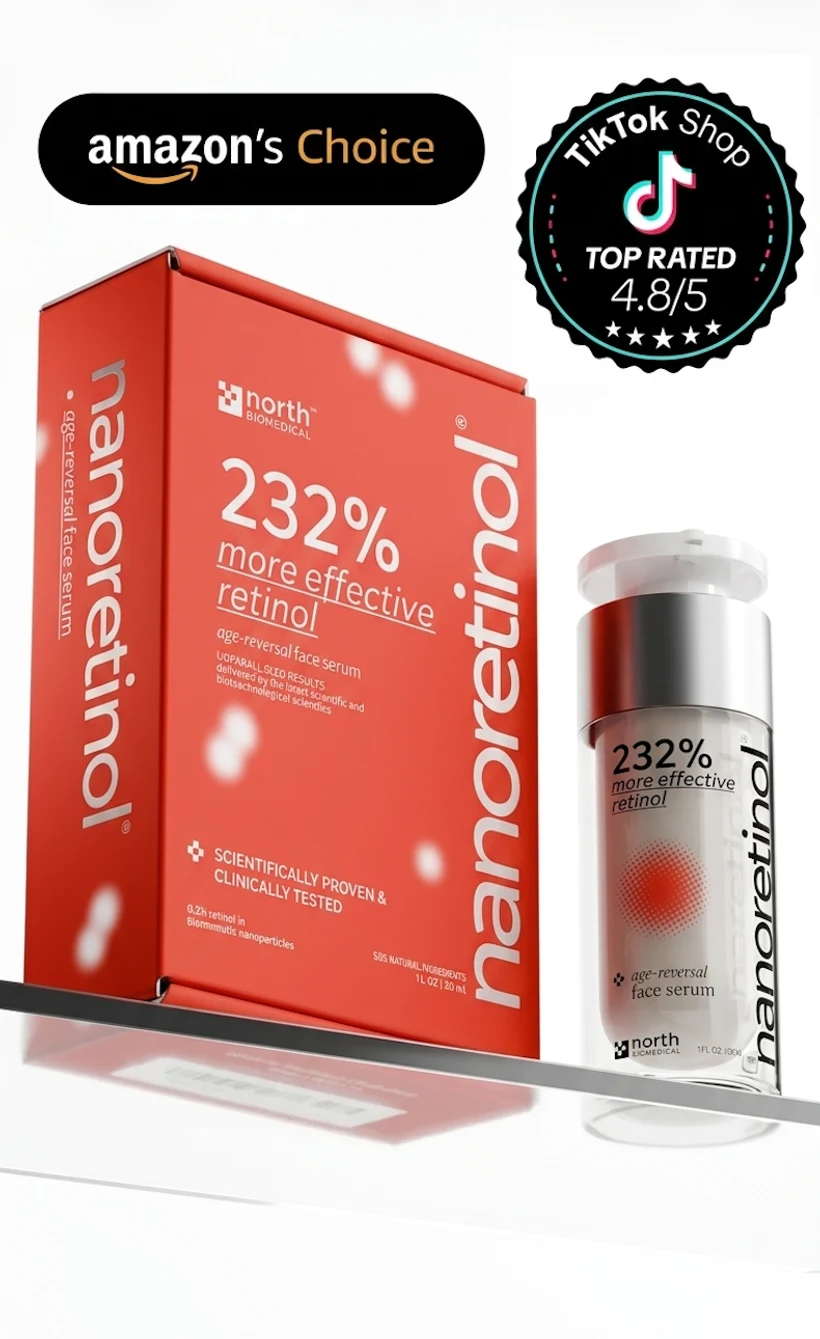
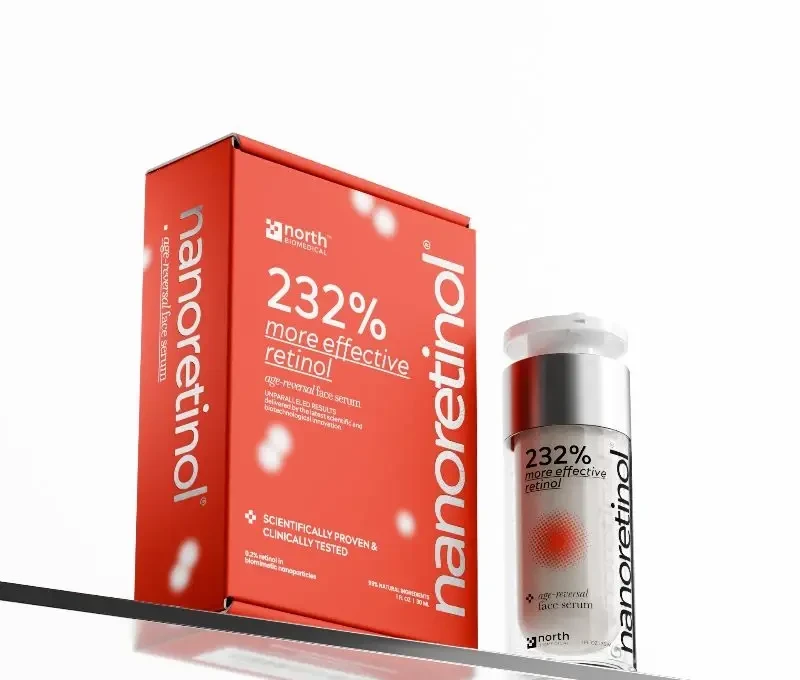
Nanoretinol takes a fundamentally different approach: a 0.2% concentration of retinol encapsulated in biomimetic lipid nanoparticles that the skin recognizes as “self”.
Step 2: Second Cleanse (Water-Based)
A gentle gel or cream cleanser removes the oil cleanser and any remaining residue.
Step 3: Hydrating Toner or Essence
Same principle as morning — prime the surface.
Step 4: Treatment Serums
This is where most people make mistakes. The general hierarchy:
- Exfoliating acids (glycolic, lactic, mandelic) — apply on alternate nights from retinol, never the same night
- Retinol or retinoid — apply on dry skin to reduce irritation
- Peptide serums — apply after retinol has absorbed, or on retinol’s off-nights
Mixing retinol with niacinamide is fine; mixing it with acids on the same night is asking for a damaged barrier.
Step 5: Eye Cream
A peptide eye cream at night can address under-eye wrinkles without the SPF concerns of daytime products.
Step 6: Moisturizer or Night Cream
A slightly richer moisturizer at night helps seal in retinol and reduce trans-epidermal water loss while you sleep. It is also worth auditing what is in the routine at all from time to time, because skincare does expire.
Step 7: Facial Oil or Occlusive (optional)
If your skin is very dry or you live somewhere arid, a thin layer of facial oil or a “slugging” occlusive seals everything beneath it. This is the absolute last step because oil and petrolatum form a film nothing else can cross.
The Retinol Question
Where does retinol fit, and why does it matter so much? Retinol is the most clinically validated anti-aging active in dermatology, but it is also the most fragile. It oxidizes when exposed to air, breaks down under light, and irritates when paired with the wrong actives. This is why retinol almost always belongs in the evening routine, on dry skin, after cleansing and before moisturizer.
But there is a deeper issue. Conventional retinol formulations rely on petroleum-derived emulsifiers and high concentrations (1% or above) to push enough active through the epithelial barrier. This is the same mechanism responsible for the redness, peeling, and burning that drives most people to abandon retinol within weeks.
Nanoretinol takes a fundamentally different approach: a 0.2% concentration of retinol encapsulated in biomimetic lipid nanoparticles that the skin recognizes as “self” [5]. Because the nanoparticles cross the barrier intact, the delivery efficiency is what matters — not the concentration. In clinical comparison against conventional retinol, Nanoretinol showed +232% greater collagen recovery and +73% greater elastin recovery, with significantly less irritation [6]. This is also why Nanoretinol fits cleanly into the routine without disrupting the rest: no acid conflicts, no barrier damage, no need to “build tolerance” for months.
What to Stop Doing
- Stop applying products to soaking-wet skin. Damp is fine; dripping dilutes actives.
- Stop layering five serums on the same night. Two is plenty.
- Stop mixing retinol and AHAs or BHAs on the same night. Alternate.
- Stop applying sunscreen first. It belongs last, every time.
- Stop using brand-new actives every two weeks. Give a routine 8–12 weeks before judging it.
The sequencing logic above holds for everyone, but male skin runs oilier and is abraded by a razor several times a week, so a skin care routine for men adjusts the textures and the exfoliation frequency rather than the order. Choosing that first step on its own terms is covered in the best face wash for men.
A Routine That Actually Works
The best skincare routine is the one you will actually do, twice a day, every day, for years. Pick a cleanser, one antioxidant (vitamin C in the morning), one hydrator, one retinoid (Nanoretinol at night), a moisturizer, and a sunscreen. Apply them in the order above. Wait long enough between layers that each product is no longer wet on the skin — somewhere between 30 seconds and 2 minutes.
If you do nothing else, doing this in the right order will outperform 90% of the elaborate 12-step routines you see online. Skincare is a long game, and the order you apply it in is the unglamorous, evidence-backed foundation that lets everything else work. The hydrate-then-seal sequence at the heart of Japanese skincare for aging skin is the same principle taken one step further.
References
- American Academy of Dermatology. “Should I Apply My Skin Care Products in a Certain Order?” AAD Public Resources. aad.org/skin-care-basics
- Pullar JM, Carr AC, Vissers MCM. “The Roles of Vitamin C in Skin Health.” Nutrients. 2017;9(8):866. doi:10.3390/nu9080866
- Li H, Colantonio S, Dawson A, Lin X, Beecker J. “Sunscreen Application, Safety, and Sun Protection: The Evidence.” Journal of Cutaneous Medicine and Surgery. 2019;23(4):357-369. doi:10.1177/1203475419856611
- Hughes MCB, Williams GM, Baker P, Green AC. “Sunscreen and Prevention of Skin Aging: A Randomized Trial.” Annals of Internal Medicine. 2013;158(11):781-790. doi:10.7326/0003-4819-158-11-201306040-00002
- Jun MS, Kim CK, Park BJ, et al. “Synthesis of Retinol-Loaded Lipid Nanocarrier via Vacuum Emulsification to Improve Topical Skin Delivery.” Polymers. 2021;13(5):826. doi:10.3390/polym13050826
- North Biomedical LLC. “Nanoretinol vs. Conventional Retinol: Efficacy in Collagen and Elastin Recovery.” Clinical Study Summary, 2024.