Back Acne (Bacne): Why It Happens and How to Get Rid of It for Good
Truncal acne is more common than most people realise — and it responds to a smarter, evidence-based routine
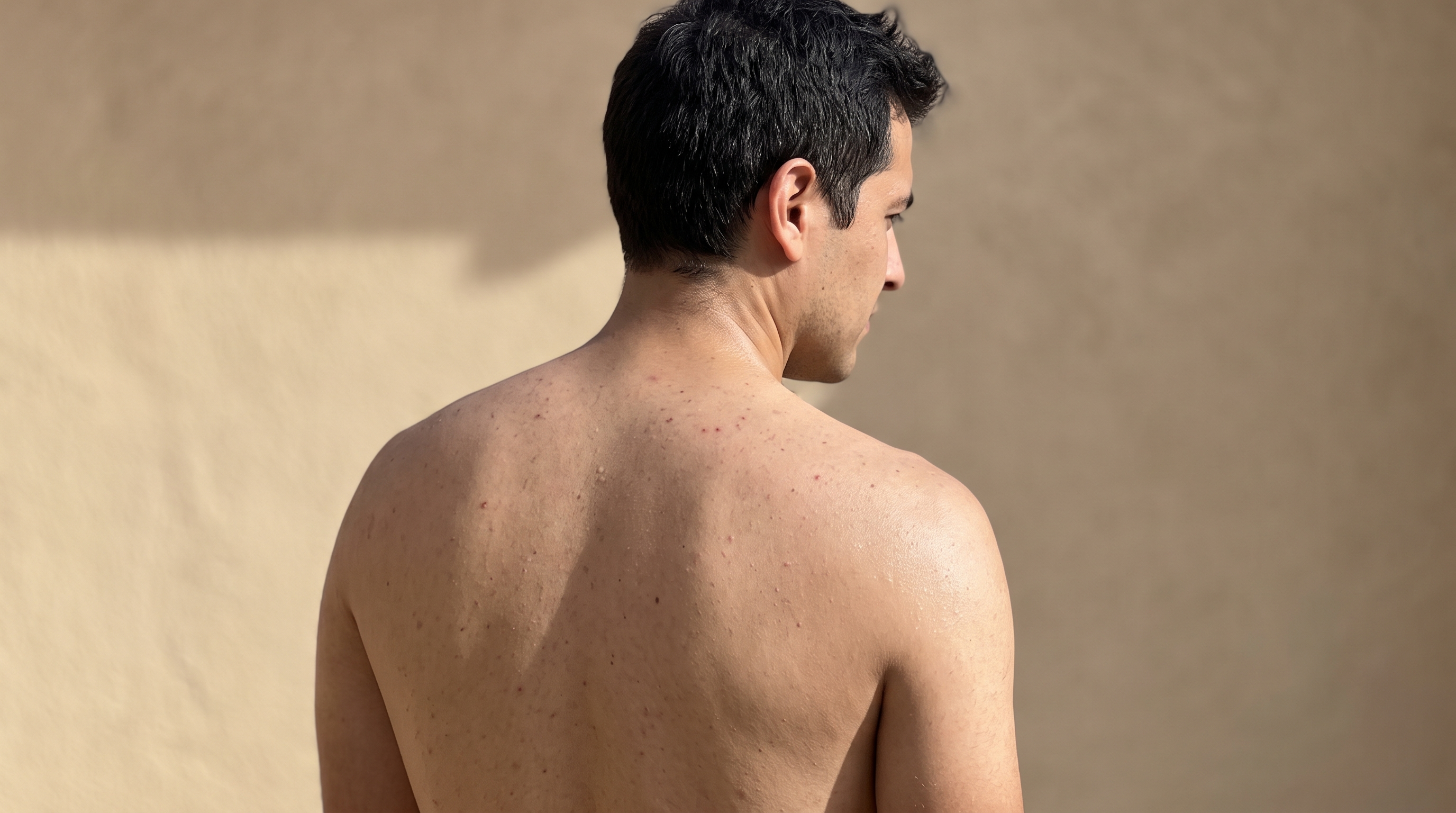
The face gets all the attention, but the back quietly carries one of the most common — and most demoralising — skin complaints there is. You catch a glimpse in a fitting-room mirror, or feel the rough, broken-out texture under a fitted top, and realise the breakouts you thought you left behind in your twenties have set up camp between your shoulder blades. Back acne, or “bacne,” is widespread, persistent, and, fortunately, very treatable once you understand why it behaves the way it does.
Far from being a niche problem, truncal acne — breakouts on the back and chest — is thought to affect a majority of people who get acne at all, with one review noting it occurs in roughly half of acne patients yet remains badly under-treated [1]. If you have it, you are in large company.
Why the Back Breaks Out
The skin on your back is built differently from the skin on your arms or legs. It has a high density of sebaceous (oil) glands and thick, sturdy follicles — the same combination that makes the face acne-prone, scaled up across a large surface. When those follicles become plugged with dead skin cells and sebum, the same cascade that produces a facial pimple plays out on the back: a clogged pore, trapped oil, the acne bacterium Cutibacterium acnes, and inflammation [2].
Bacne is not a sign that you are unclean — it is the predictable result of oil glands, friction, and trapped sweat working against you.
The skin on your back is built differently from the skin on your arms or legs.
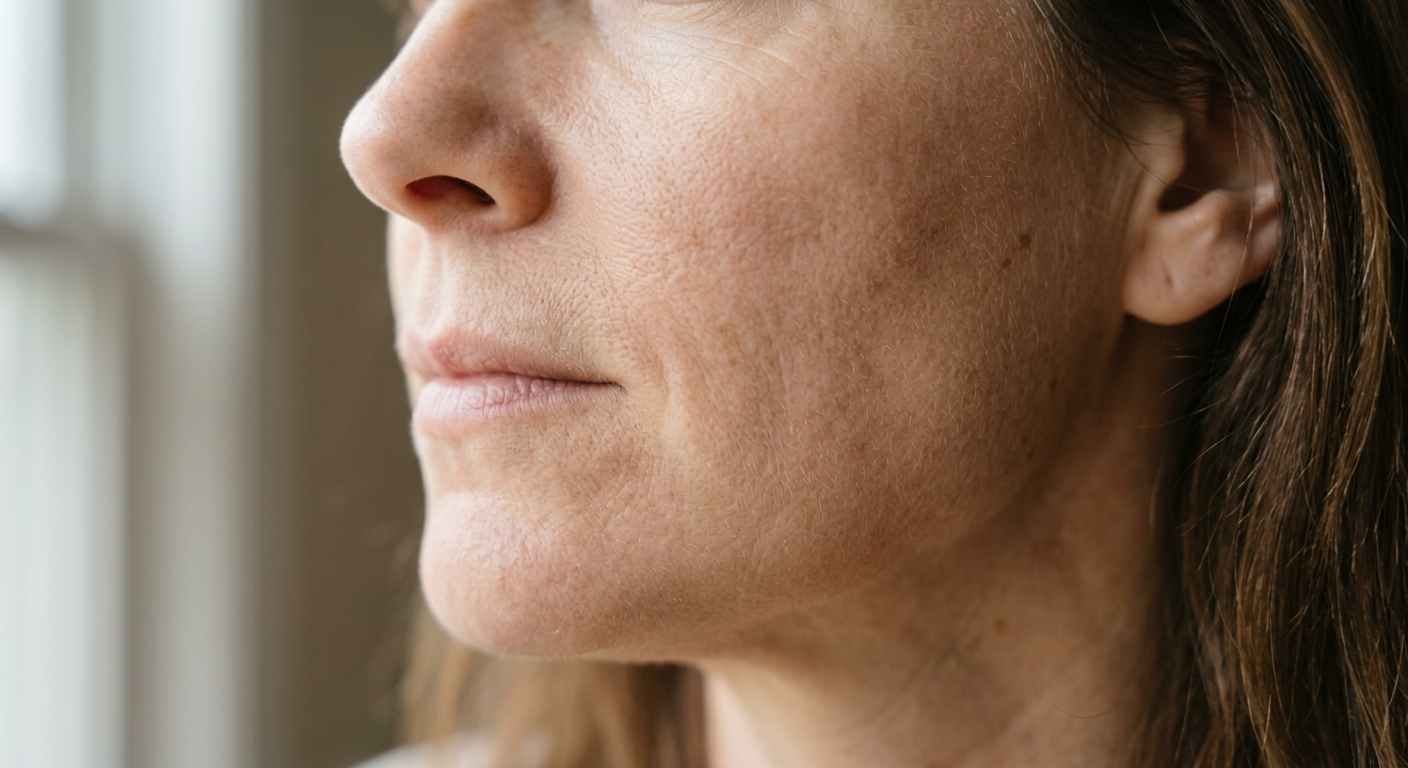
What makes the back especially stubborn is everything that touches it. Sweat trapped under workout clothes, friction from backpacks and sports bras, heavy or fragranced body lotions, and even hair conditioner rinsing down the back in the shower all add to the follicular traffic jam. Hormonal shifts — including the perimenopausal changes many women experience in their 40s and 50s — can reignite truncal breakouts long after facial acne has settled. And because the back is hard to see and reach, lesions often go untreated until they leave marks.
The Marks Left Behind
One of the most frustrating parts of bacne is not the active breakout but what it leaves: flat brown or pink spots where pimples used to be. These are post-inflammatory hyperpigmentation — the skin’s overproduction of melanin in response to inflammation — and they can linger for months. They are also why squeezing or picking at back acne is counterproductive: the more inflammation a lesion endures, the darker and longer-lasting the dark spot on your back tends to be.
What Actually Clears Bacne
The good news is that the back responds to the same evidence-based ingredients that work on the face — you simply need formats designed for a larger, less accessible area. Three approaches carry the strongest support.
Salicylic Acid and Benzoyl Peroxide Washes
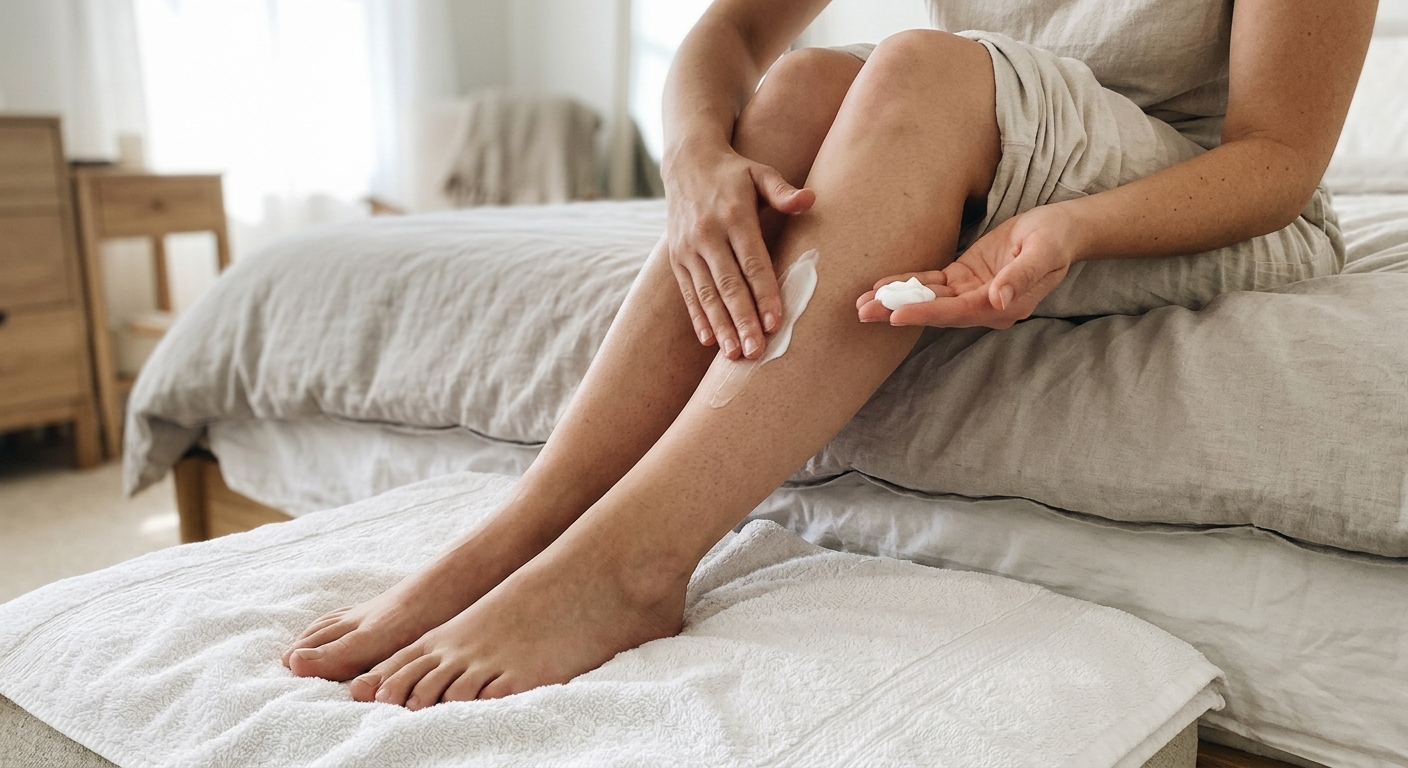
Because the back is large, leave-on products are impractical for the whole area, which is where medicated washes shine. Salicylic acid, an oil-soluble beta-hydroxy acid, penetrates into the follicle to dissolve the plug of keratin and sebum; in controlled studies it meaningfully reduces comedonal lesions [3]. Benzoyl peroxide attacks the problem from another angle, releasing oxygen into the pore to kill acne bacteria — and notably, bacteria cannot develop resistance to it, which is why guidelines favour it so heavily [4]. Used as a shower wash left on the skin for a minute or two before rinsing, either ingredient delivers active treatment across the whole back with minimal effort, and our guide to choosing a salicylic acid body wash covers strength, contact time and safety on large areas. Our overview of salicylic acid explains the mechanism in more detail. Our guide to choosing an exfoliating body wash compares salicylic, glycolic and lactic acid formulas.
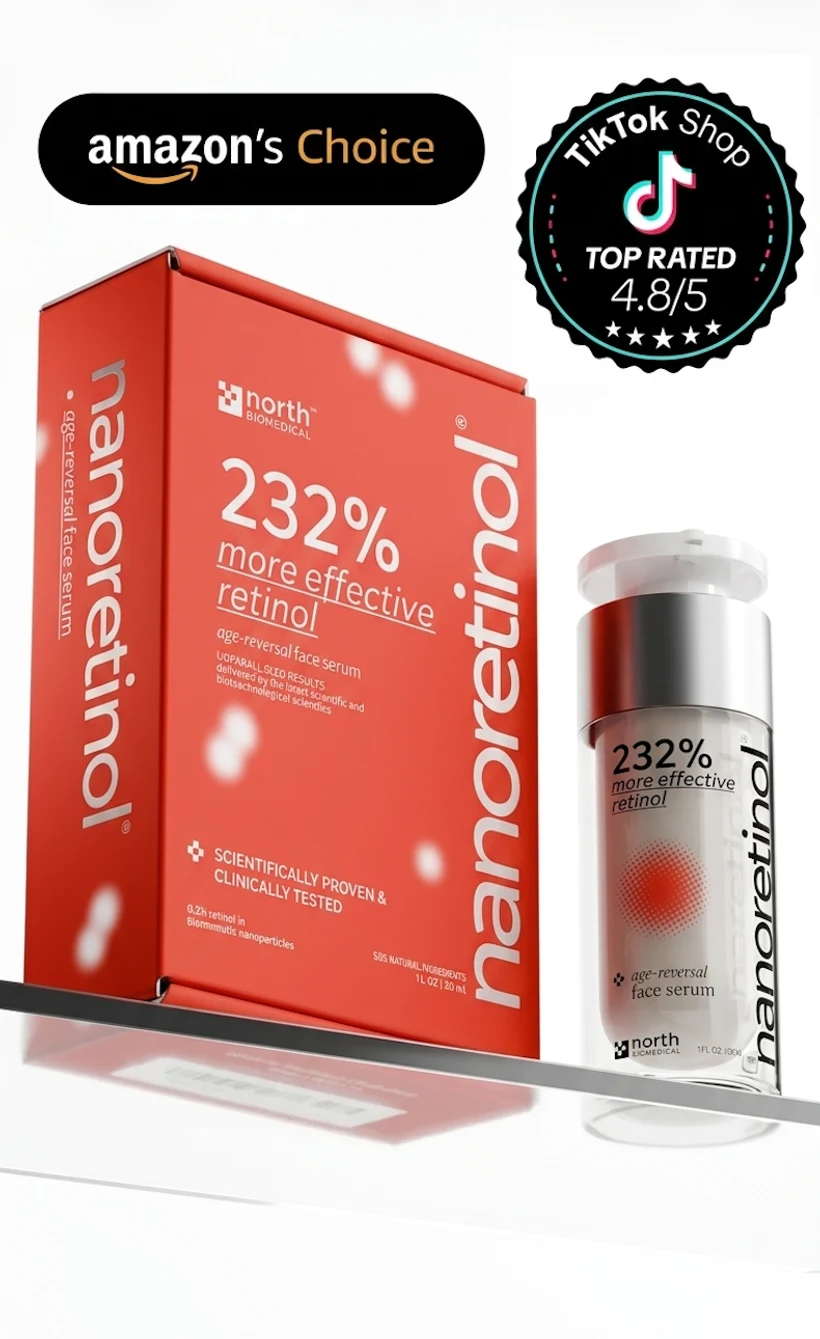
In clinical testing it proved markedly gentler on skin cells than ordinary retinol, in a lightweight, water-based, 99%-natural gel.
Topical Retinoids
If washes clear what is already there, retinoids prevent the next crop. Vitamin A derivatives normalise the sticky, over-adherent shedding of follicle-lining cells that starts every breakout, dissolving the microcomedones before they ever become visible pimples [5]. For years, the catch was a lack of evidence on the body specifically — but that changed with large phase-3 trials of the retinoid trifarotene, which enrolled more than 2,400 patients and demonstrated significant reductions in both inflammatory and non-inflammatory lesions on the trunk, not just the face [2]. It was the first rigorous confirmation that what dermatologists long assumed about facial retinoids holds true on the back. If you want to bring vitamin A to body skin, our guide to retinol for the body is a useful starting point.
Reducing the Triggers
No active ingredient can out-treat a constant supply of trapped sweat and friction. Showering promptly after exercise, choosing breathable fabrics, rinsing conditioner forward rather than down the back, and switching to non-comedogenic body products all reduce the load on your follicles. These habits will not clear established bacne on their own, but they dramatically improve how well your treatments work.
A Gentler Way to Keep Vitamin A on Your Side
There is an elegant overlap worth noticing: the retinoids that keep back follicles clear are the very molecules celebrated for renewing ageing skin, because the same cell turnover that prevents plugs also rebuilds collagen and smooths crepey texture. The obstacle, as always with vitamin A, is irritation — and the back, with its broad surface and tendency to dryness, is an easy place to overdo a harsh retinoid.
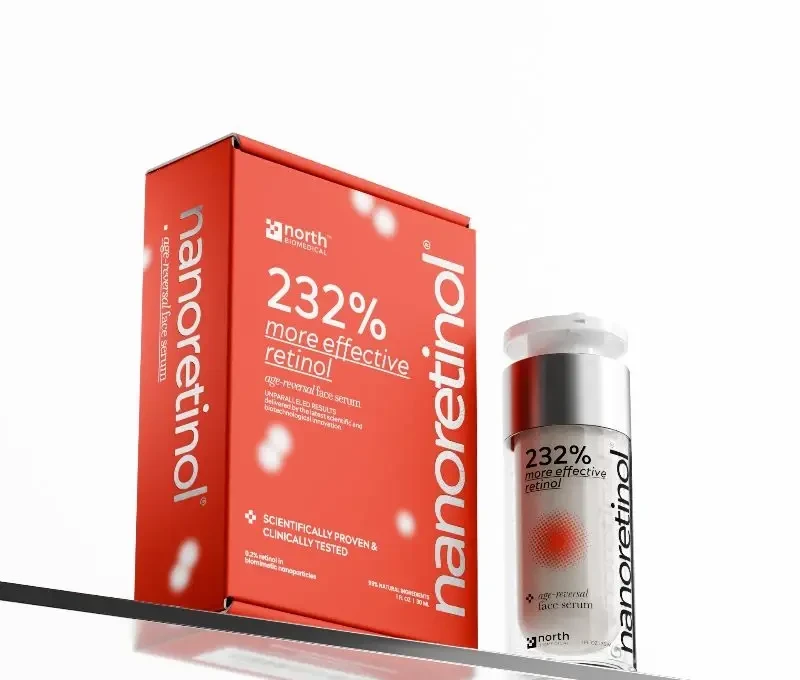
This is exactly the problem Nanoretinol was engineered around. Rather than forcing its way through the skin barrier the way conventional retinols do — the mechanism behind their redness and flaking — Nanoretinol carries retinol inside biomimetic lipid nanoparticles that the skin accepts as its own, so the active gets in without tearing down the barrier on the way. In clinical testing it proved markedly gentler on skin cells than ordinary retinol, in a lightweight, water-based, 99%-natural gel. For maintaining smoother, more even body and décolletage skin once active breakouts are controlled, it is a low-irritation way to keep benefiting from vitamin A. (It should not be combined with other retinoid products, and an active, inflamed acne flare is best managed with a dermatologist.)
Putting It Together
Bacne is common, it is not about hygiene, and it is highly responsive to the right routine. Reach for a salicylic acid or benzoyl peroxide wash to clear and prevent clogs, consider a body retinoid to stop new lesions forming, and address the friction, sweat, and product triggers that keep feeding the cycle. Resist picking so you are not left fading dark marks for months. With consistency over a few weeks rather than days, the skin on your back can be every bit as clear as the skin you show the world.
References
- Stein Gold L, Dirschka T, et al. “Why We Should Consider Evidence-Based Treatment Options for Truncal Acne.” Dermatology and Therapy. 2021;11(4):1095-1106. doi:10.1007/s13555-021-00530-y
- Tan J, Thiboutot D, Popp G, et al. “Randomized phase 3 evaluation of trifarotene 50 μg/g cream treatment of moderate facial and truncal acne.” Journal of the American Academy of Dermatology. 2019;80(6):1691-1699. doi:10.1016/j.jaad.2019.02.044
- Levesque A, Hamzavi I, Seite S, Rougier A, Bissonnette R. “Randomized trial comparing a chemical peel containing a lipophilic hydroxy acid derivative of salicylic acid with a salicylic acid peel in subjects with comedonal acne.” Journal of Cosmetic Dermatology. 2011;10(3):174-178. doi:10.1111/j.1473-2165.2011.00566.x
- Zaenglein AL, Pathy AL, Schlosser BJ, et al. “Guidelines of care for the management of acne vulgaris.” Journal of the American Academy of Dermatology. 2016;74(5):945-973.e33. doi:10.1016/j.jaad.2015.12.037
- Bikowski JB. “Mechanisms of the comedolytic and anti-inflammatory properties of topical retinoids.” Journal of Drugs in Dermatology. 2005;4(1):41-47. PMID:15696984