Best Exfoliator for Mature Skin: How to Choose (and Use) One Safely
Why cell turnover slows after 50, which acids suit mature skin, and how to exfoliate without wrecking your barrier.
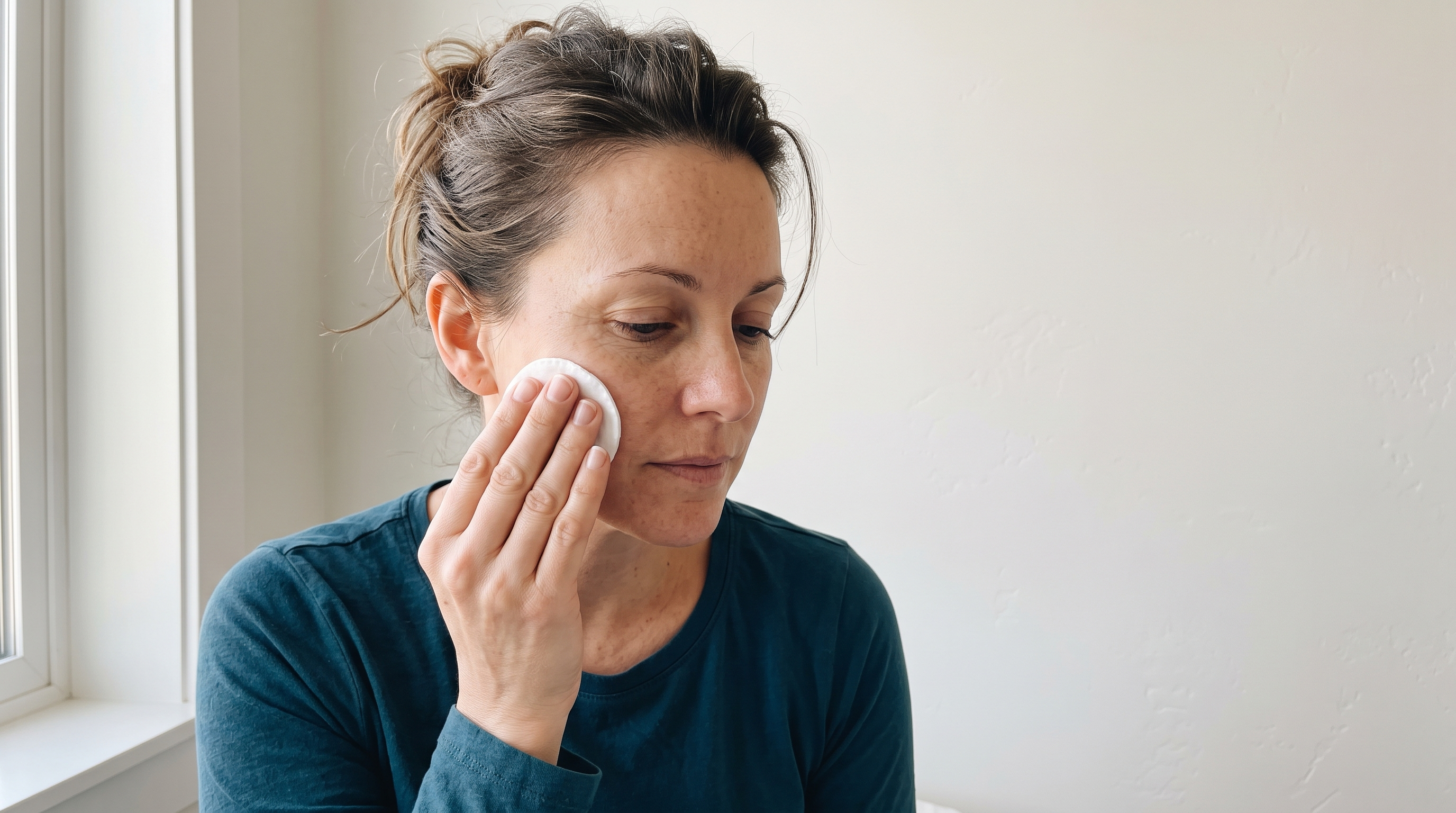
If your skin looks a little duller than it used to — less luminous, rougher to the touch, quicker to look “tired” even when you feel fine — there is a simple biological reason. As we age, the skin’s natural shedding process slows down, and a layer of dead cells lingers on the surface longer than it should. Exfoliation is how you clear it. But the best exfoliator for mature skin is almost never the one most people reach for, and using the wrong one can do real harm to skin that is already more fragile than it was at 30.
Here is how to choose well, backed by what the research actually shows.
Why Mature Skin Needs a Different Approach
Skin renews itself by continuously producing new cells at the base of the epidermis and shedding old ones from the top. That conveyor belt slows with age. In a classic study tracking skin-cell renewal, researchers found that the time for cells to transit the outer layer lengthened from about 20 days in young adults to roughly 30 days in older adults, with the decline becoming pronounced after age 50 [1]. More time on the surface means more dead-cell buildup — the source of that dull, rough, uneven look. Our deeper explainer on skin cell turnover covers exactly why this happens.
This is why exfoliation becomes more valuable with age, not less. But mature skin is also thinner, drier, and more reactive, so the goal shifts from “scrub harder” to “dissolve gently.” The same shift applies below the neck, which our guide to the best body scrub works through.
Physical vs. Chemical Exfoliation
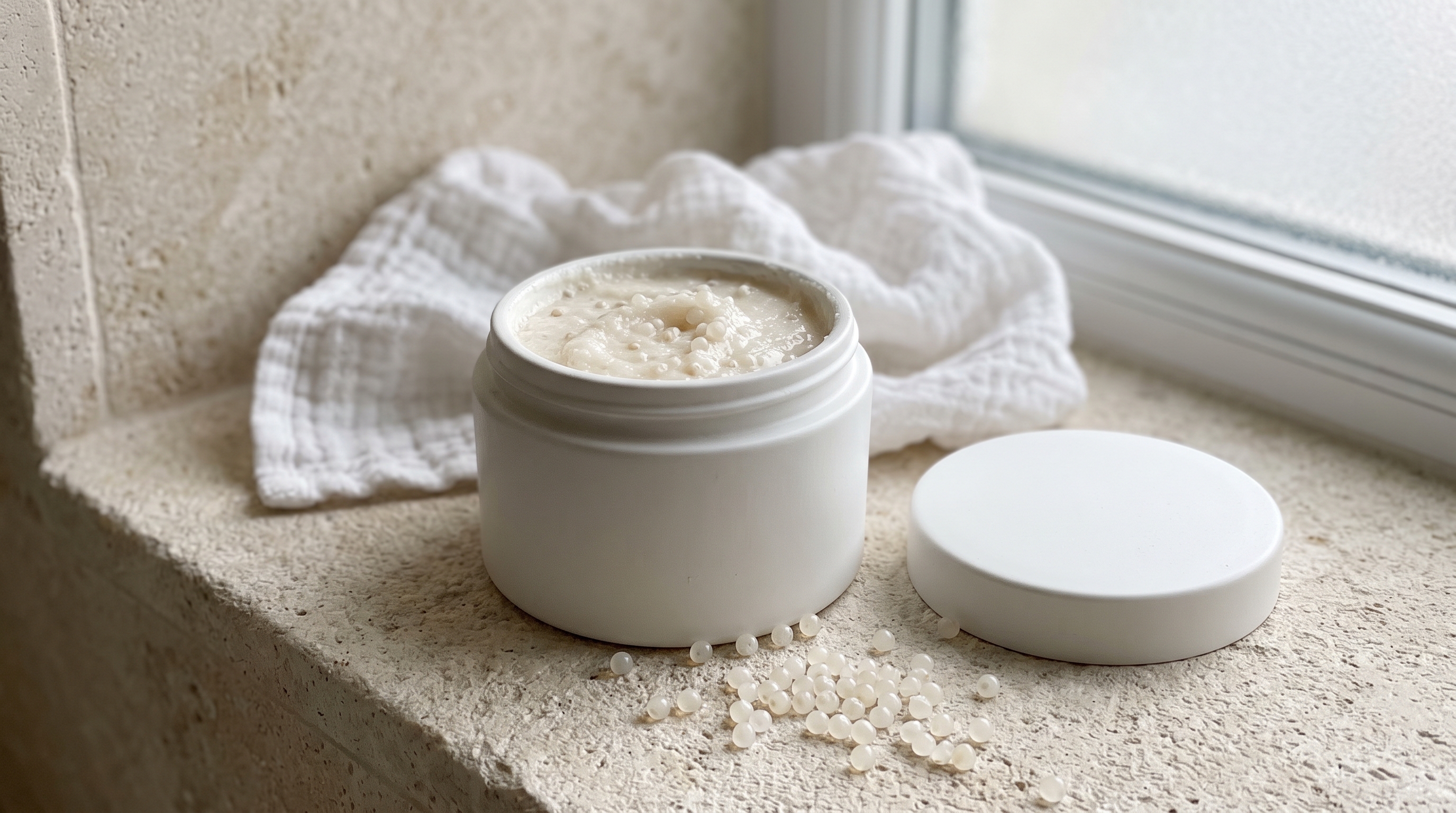
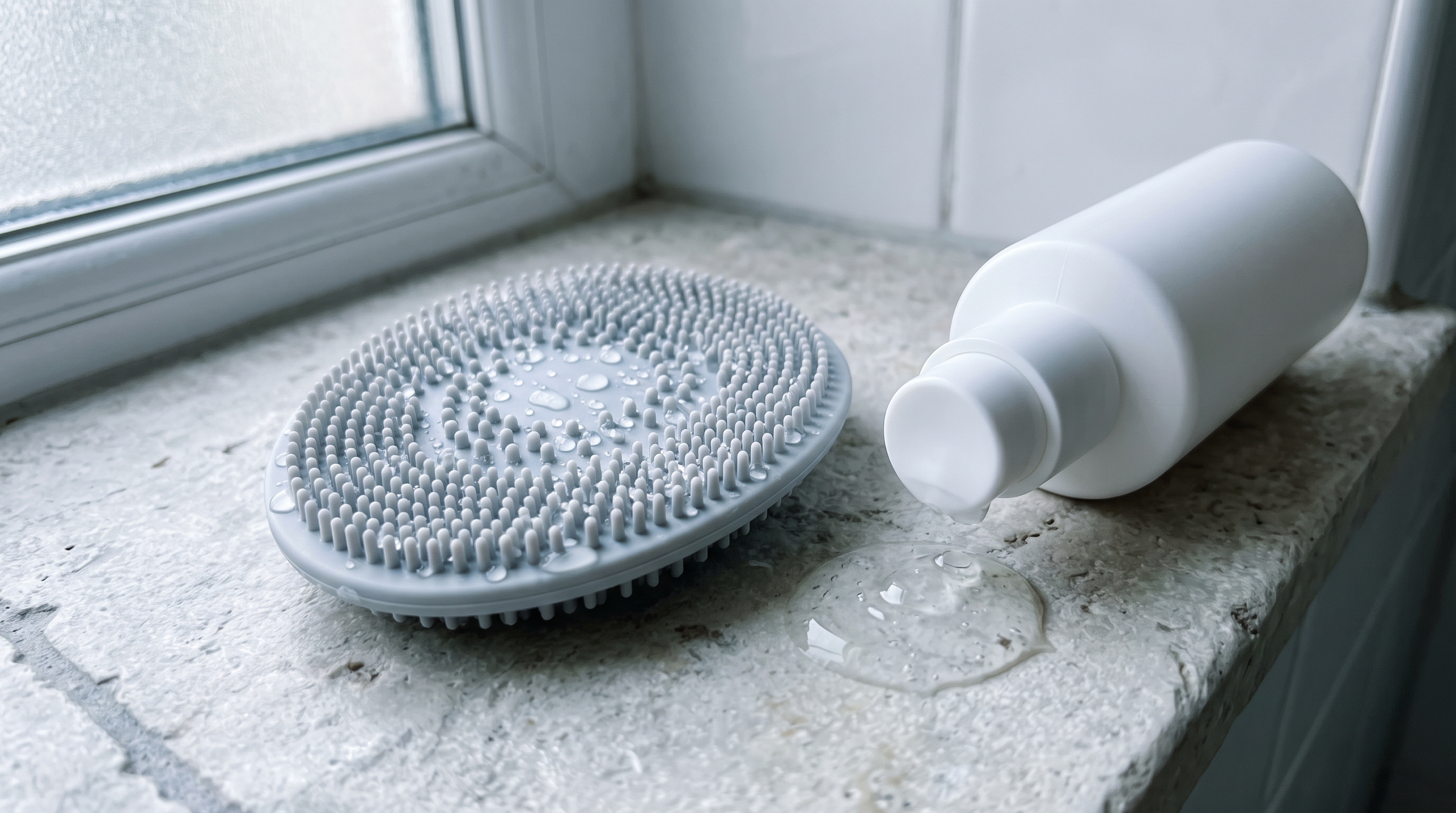
Physical exfoliators — grainy scrubs, brushes, aggressive cleansing tools — remove dead cells through friction. For mature skin, they are usually the wrong choice. The abrasion is difficult to control, easy to overdo, and can create micro-tears in already-delicate skin, leaving it irritated and with a compromised barrier. If you have settled on a scrub specifically, our guide to the best face scrub covers particle shape, base formula and frequency in more detail.
If your skin looks a little duller than it used to — less luminous, rougher to the touch, quicker to look “tired” even when you feel fine — there is a simple biological reason.
Chemical exfoliators are gentler and, counterintuitively, more precise. They use mild acids to loosen the “glue” that holds dead cells together, so the buildup simply lets go and washes away. No scrubbing, no friction, and — with the right acid at the right strength — no drama. Fruit-derived proteases loosen the same glue by a different route, which we cover in our guide to the enzyme exfoliant.
The Acids Worth Knowing
Glycolic acid and the alpha-hydroxy acids (AHAs)
AHAs are the most-studied exfoliating acids, and their benefits reach beyond surface smoothing. In a six-month study on photoaged skin, a lotion containing 25% alpha-hydroxy acid produced an approximate 25% increase in skin thickness, with more collagen and improved elastic fibers in the dermis — and no inflammation [2]. Glycolic acid is the most potent and fastest-acting AHA; our guide to glycolic acid’s benefits goes deeper on how to introduce it.
Lactic acid: the gentle, hydrating AHA
Lactic acid is the AHA best suited to sensitive mature skin because it is milder and has humectant properties. It is also depth-dependent: research found that 12% lactic acid firmed and thickened both the epidermis and dermis and improved lines and wrinkles, while a 5% concentration acted only at the surface [3]. That makes lactic acid wonderfully adjustable — start low and mild, build up as tolerated. See our full breakdown of lactic acid for skin. For the head-to-head, see lactic acid vs glycolic acid.
Salicylic acid (BHA): for congestion and texture
Salicylic acid is oil-soluble, so it penetrates into pores. In a study on photodamaged skin, salicylic acid treatment faded pigment spots, decreased surface roughness, and reduced fine lines [4]. It is the pick if your mature skin also runs congested or bumpy.
Polyhydroxy acids (PHAs): the sensitive-skin champion
If your skin stings at the mention of an acid, PHAs like gluconolactone are the answer. A 12-week study found that a PHA regimen delivered anti-aging benefits comparable to a glycolic acid regimen, but with significantly less stinging, burning, and sensitivity [5]. For reactive or very dry mature skin, PHA exfoliants for mature skin are often the smartest starting point.
Our guide to how often you should exfoliate your face sets that pace against your own renewal rate.
How to Exfoliate Mature Skin Without Overdoing It
More is not better. Over-exfoliation is one of the most common mistakes in mature-skin routines, and it produces exactly the opposite of what you want: a stripped, red, sensitized complexion with a damaged barrier. A sensible framework:
- Start with the gentlest acid that addresses your concern — often lactic acid or a PHA.
- Exfoliate one to three times a week, not daily, and let your skin set the pace. Our guide to how often you should exfoliate your face sets that pace against your own renewal rate.
- Always follow with a moisturizer, and use sunscreen daily — freshly exfoliated skin is more sun-sensitive.
- If skin feels tight, looks shiny-red, or stings with products, stop and let the barrier recover.
The Limit of Exfoliation — and What Lies Beneath It
Exfoliation is genuinely valuable, but it is important to be clear about what it is: a surface intervention. Acids optimize the outermost layer you can see and feel. They clear buildup, refine texture, and — at higher strengths — nudge the dermis. What they do not do is reprogram the deeper cellular machinery that generates new skin in the first place.
Retinoids do exactly that. In a double-blind, vehicle-controlled study, topical retinoic acid improved photoaged skin with histologic changes — including epidermal thickening — seen only in treated skin [6]. Rather than dissolving surface bonds, a retinoid acts on how keratinocytes proliferate and differentiate, driving renewal from within the living epidermis and dermis. Exfoliation reveals fresher skin; a retinoid makes better skin.
Why Delivery Decides Everything
The catch with retinol has always been getting it where it needs to go without wrecking the skin on the way. Conventional retinol is unstable and penetrates inconsistently, and traditional formulas lean on chemicals and petroleum derivatives that breach the barrier by force — the very thing you are trying to avoid when you switch away from harsh scrubs.
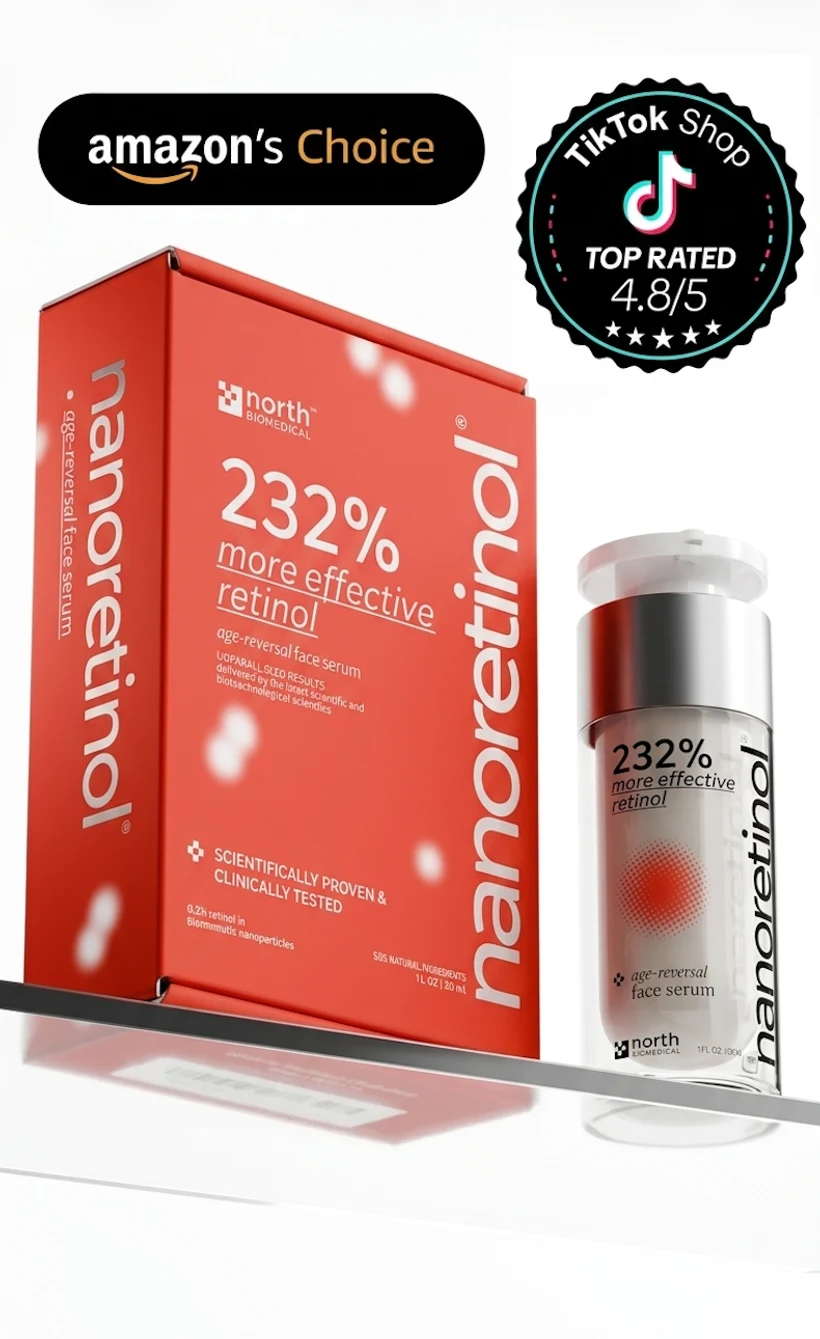
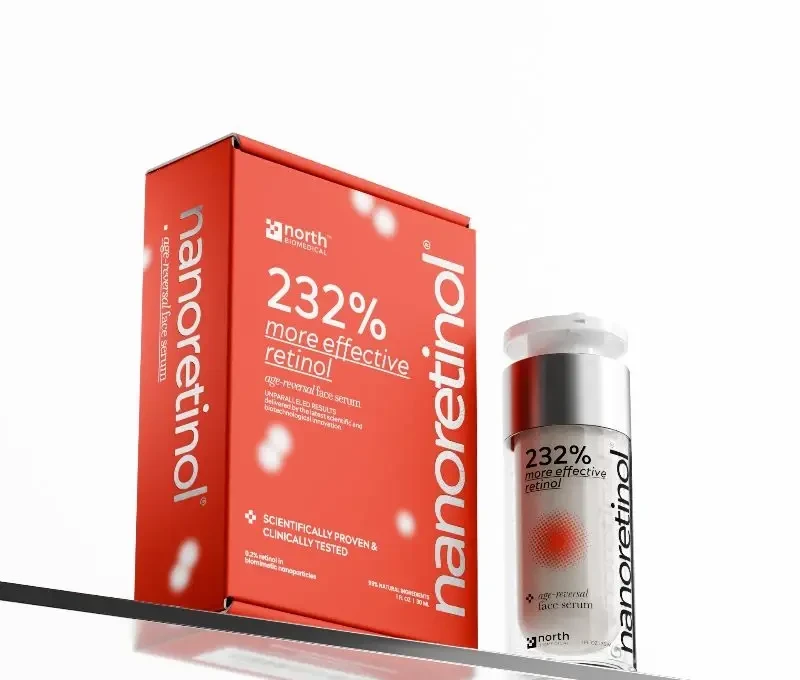
Nanoretinol takes a different route. It encapsulates retinol in biomimetic lipid nanoparticles that the skin recognizes as “self” and admits through the barrier intact, no stripping required. In North Biomedical’s testing, that delivery made the same active far more effective than conventional retinol — 232% more collagen recovery and 73% more elastin recovery — with a 61% increase in firmness and a 56% increase in elasticity over 56 days. Because it is water-based, 99% natural, and notably gentler, it pairs naturally with the measured, gentle exfoliation that mature skin needs. (Introduce one active at a time and space out strong acids and retinol to keep skin calm.)
Putting It Together
The best exfoliator for mature skin is a gentle chemical one, matched to your skin: lactic acid or a PHA for sensitive complexions, glycolic acid for resilient skin chasing radiance, salicylic acid for congestion. Use it a few times a week, protect your barrier, and never mistake exfoliation for renewal. Clearing the surface makes your skin look brighter today; rebuilding it — with a well-delivered retinol doing the deeper work — is what keeps it looking younger for the long run. If you prefer mechanical removal to acids, the same logic decides which dermaplaning tool is worth owning.
References
- Grove GL, Kligman AM. “Age-associated changes in human epidermal cell renewal.” Journal of Gerontology. 1983;38(2):137–142. doi:10.1093/geronj/38.2.137
- Ditre CM, Griffin TD, Murphy GF, et al. “Effects of alpha-hydroxy acids on photoaged skin: a pilot clinical, histologic, and ultrastructural study.” Journal of the American Academy of Dermatology. 1996;34(2 Pt 1):187–195. doi:10.1016/s0190-9622(96)80110-1
- Smith WP. “Epidermal and dermal effects of topical lactic acid.” Journal of the American Academy of Dermatology. 1996;35(3 Pt 1):388–391. doi:10.1016/s0190-9622(96)90602-7
- Kligman D, Kligman AM. “Salicylic acid peels for the treatment of photoaging.” Dermatologic Surgery. 1998;24(3):325–328. doi:10.1111/j.1524-4725.1998.tb04162.x
- Edison BL, Green BA, Wildnauer RH, Sigler ML. “A polyhydroxy acid skin care regimen provides antiaging effects comparable to an alpha-hydroxyacid regimen.” Cutis. 2004;73(2 Suppl):14–17. PubMed: 15002657
- Weiss JS, Ellis CN, Headington JT, Tincoff T, Hamilton TA, Voorhees JJ. “Topical tretinoin improves photoaged skin. A double-blind vehicle-controlled study.” JAMA. 1988;259(4):527–532. PubMed: 3336176