Glycolic Acid Benefits for Skin: The Anti-Aging AHA That Dermatologists Recommend After 40
Clinical trials show glycolic acid increases collagen by 25%, reduces wrinkles, and improves skin texture — here's how to use it
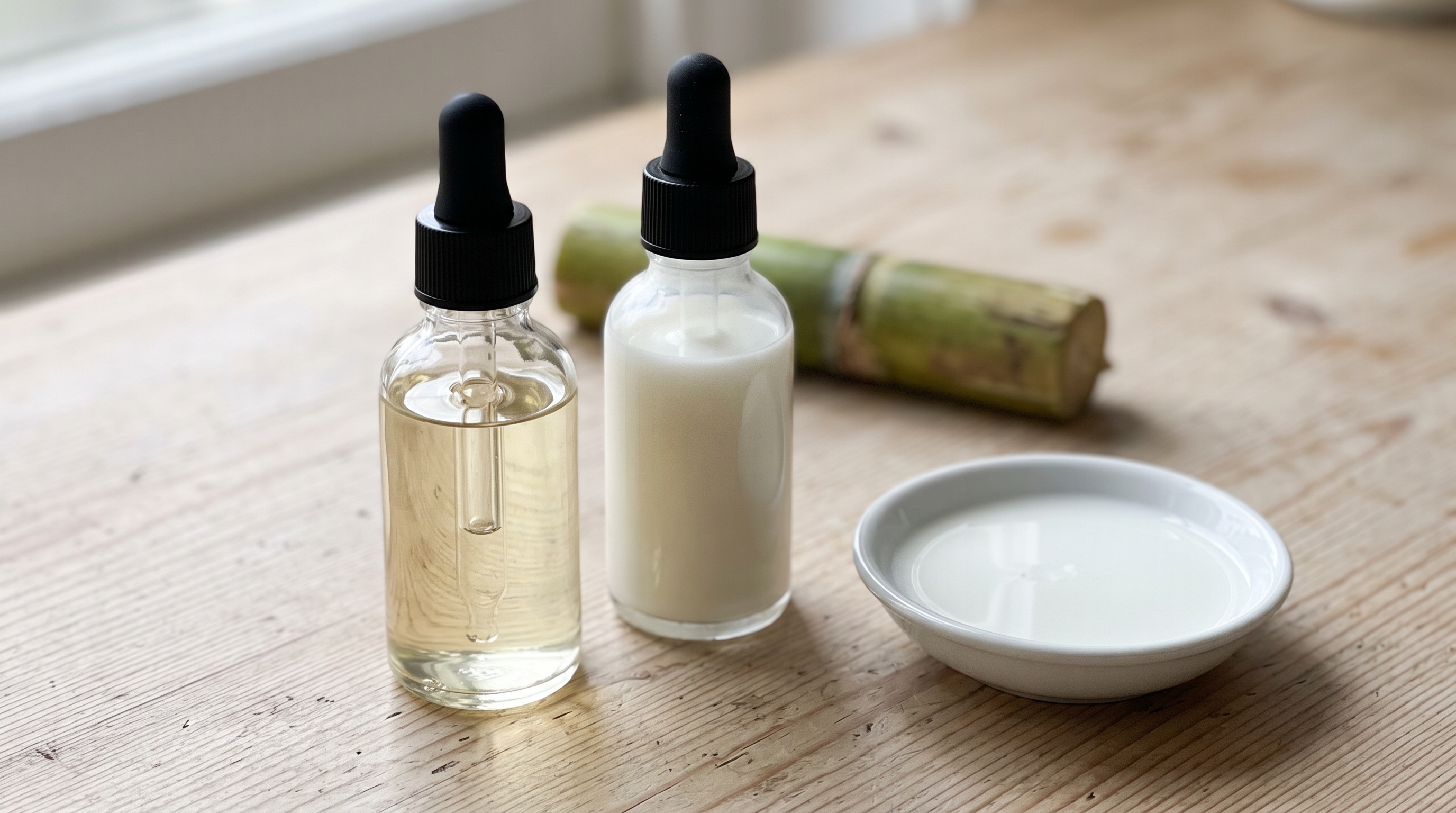
If you’ve ever looked at a skincare ingredient list and felt overwhelmed, glycolic acid is one worth learning about. It’s the smallest alpha-hydroxy acid (AHA), derived from sugarcane, and it has decades of peer-reviewed research behind it — not just marketing hype. If you are weighing it against salicylic acid, our AHA vs BHA guide explains which exfoliant suits your skin.
For women over 40, glycolic acid does something most ingredients can’t: it works on both sides of the skin. It exfoliates the surface while stimulating collagen production in the deeper layers. That dual mechanism is why dermatologists keep recommending it, year after year.
What Is Glycolic Acid and Why Does Size Matter?
Glycolic acid belongs to the AHA family, which includes lactic acid, citric acid, and mandelic acid. What makes glycolic acid unique is its molecular weight — just 76 daltons, the smallest of all AHAs. Lactic acid sits at 90 daltons, and that 14-dalton gap drives most of the difference we map out in lactic acid vs glycolic acid.
That small size isn’t just a technical detail. It means glycolic acid can penetrate the skin more effectively than larger AHAs, reaching the dermal layer where it triggers real structural changes. Larger acids like mandelic acid work more on the surface, making glycolic acid the more aggressive — but also more effective — option for anti-aging.
The Science: What Clinical Trials Actually Show
Collagen Production Without Inflammation
A 2021 study published in the Journal of Cosmetic Dermatology tested glycolic acid formulations (8% to 25%, adjusted to pH 4) on human skin explants. The results showed that all concentrations increased total collagen levels, with higher concentrations producing greater effects. Critically, none of the formulations triggered inflammatory TNF-alpha responses — meaning the acid stimulated repair without causing damage (Narda et al., 2021).
This is significant because inflammation is one of the key accelerators of skin aging. An ingredient that builds collagen without triggering an inflammatory cascade is exactly what aging skin needs.
Measurable Wrinkle Reduction
Researchers at Hokkaido University used computer-assisted imaging to measure the effects of glycolic acid peeling on facial wrinkles. The study found that total wrinkle length decreased across all age groups, with the most dramatic improvements in participants in their 50s. The reduction followed a clear pattern: 50s > 30s and 40s > 60s > 70s (Funasaka et al., 2001).
The takeaway: your 40s and 50s are the optimal window for glycolic acid to make a measurable difference in wrinkle depth and density.
The results were striking — a 25% increase in skin thickness on the treated arm.
25% Increase in Skin Thickness
In a landmark study published in the Journal of the American Academy of Dermatology, patients applied 25% glycolic acid to one forearm and a placebo to the other for six months. The results were striking — a 25% increase in skin thickness on the treated arm. Biopsy analysis revealed thicker epidermis, increased collagen density, improved elastic fiber quality, and higher acid mucopolysaccharide content. No inflammation was observed (Ditre et al., 1996).
Photoaging Improvement in 3 Months
A double-blind, randomized, placebo-controlled clinical trial with 75 volunteers tested a 5% glycolic acid cream for three months. The glycolic acid group showed statistically significant improvement in skin texture and discoloration. There was also a clear trend toward wrinkle reduction, though the study’s short duration limited statistical significance for deeper lines (Thibault et al., 1998).
How Glycolic Acid Works on Aging Skin
Glycolic acid’s anti-aging benefits come from two distinct mechanisms:
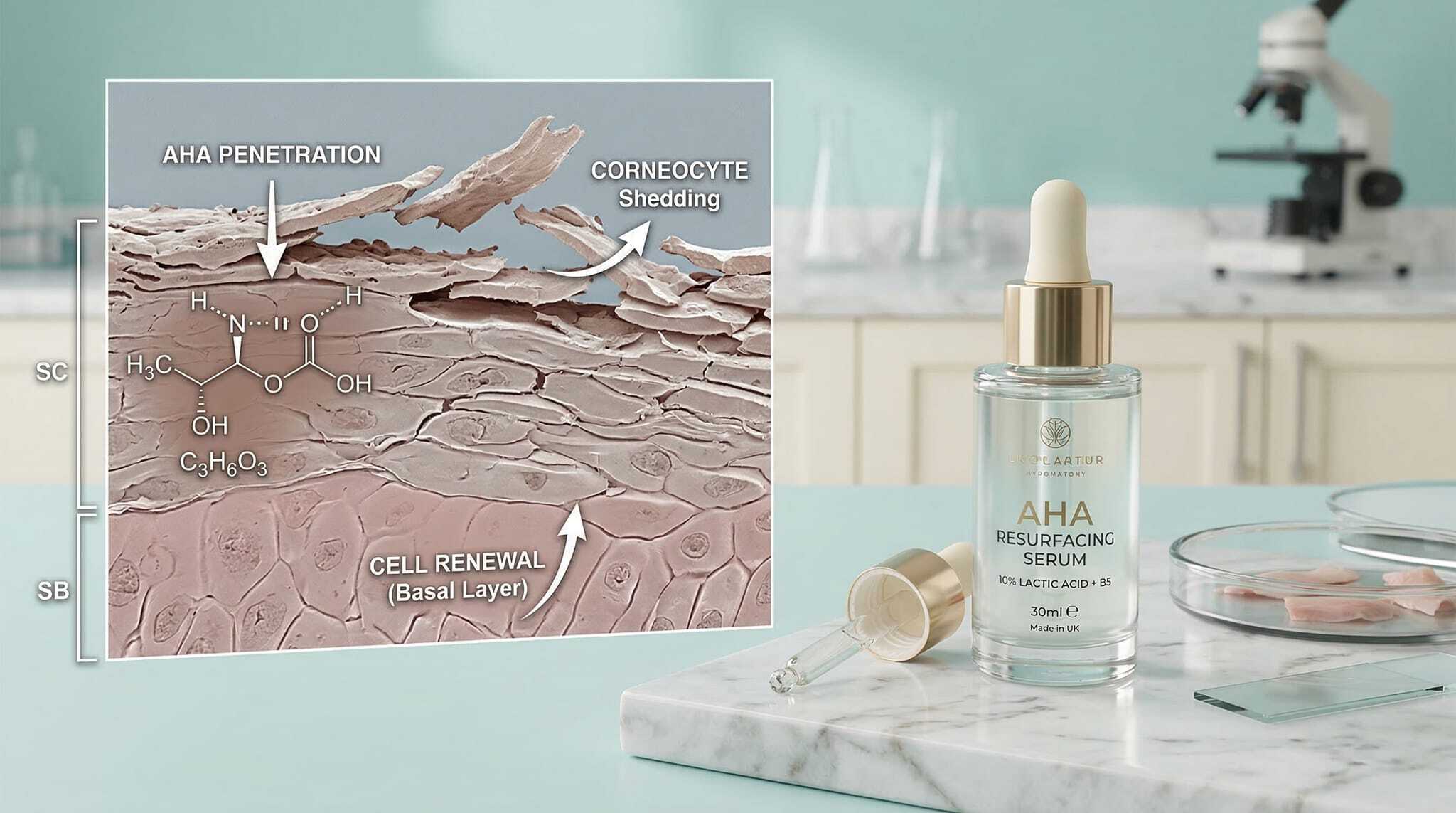
Surface exfoliation: It loosens the bonds (called desmosomes) holding dead skin cells together on the surface. This accelerates the shedding of dull, damaged cells, revealing fresher skin underneath. After 40, natural cell turnover slows from roughly every 28 days to every 45-60 days. Glycolic acid speeds that process back up.
Dermal stimulation: When glycolic acid penetrates to the dermal layer, it stimulates fibroblasts — the cells responsible for producing collagen and elastin. This is where the anti-aging magic happens. More collagen means firmer, thicker skin with fewer visible wrinkles.
Glycolic Acid vs. Other AHAs: Which Is Best for Anti-Aging?
| Factor | Glycolic Acid | Lactic Acid | Mandelic Acid |
|---|---|---|---|
| Molecular weight | 76 Da (smallest) | 90 Da | 152 Da (largest) |
| Penetration depth | Deepest | Moderate | Surface |
| Anti-aging potency | Highest | Moderate | Lower |
| Irritation potential | Higher | Lower | Lowest |
| Best for | Wrinkles, collagen | Hydration, gentle exfoliation | Sensitive skin, hyperpigmentation |
For women over 40 primarily concerned with wrinkles and loss of firmness, glycolic acid is the strongest choice. If your skin is sensitive, lactic acid or mandelic acid may be better starting points.
Using Glycolic Acid With Retinol: The Power Combination
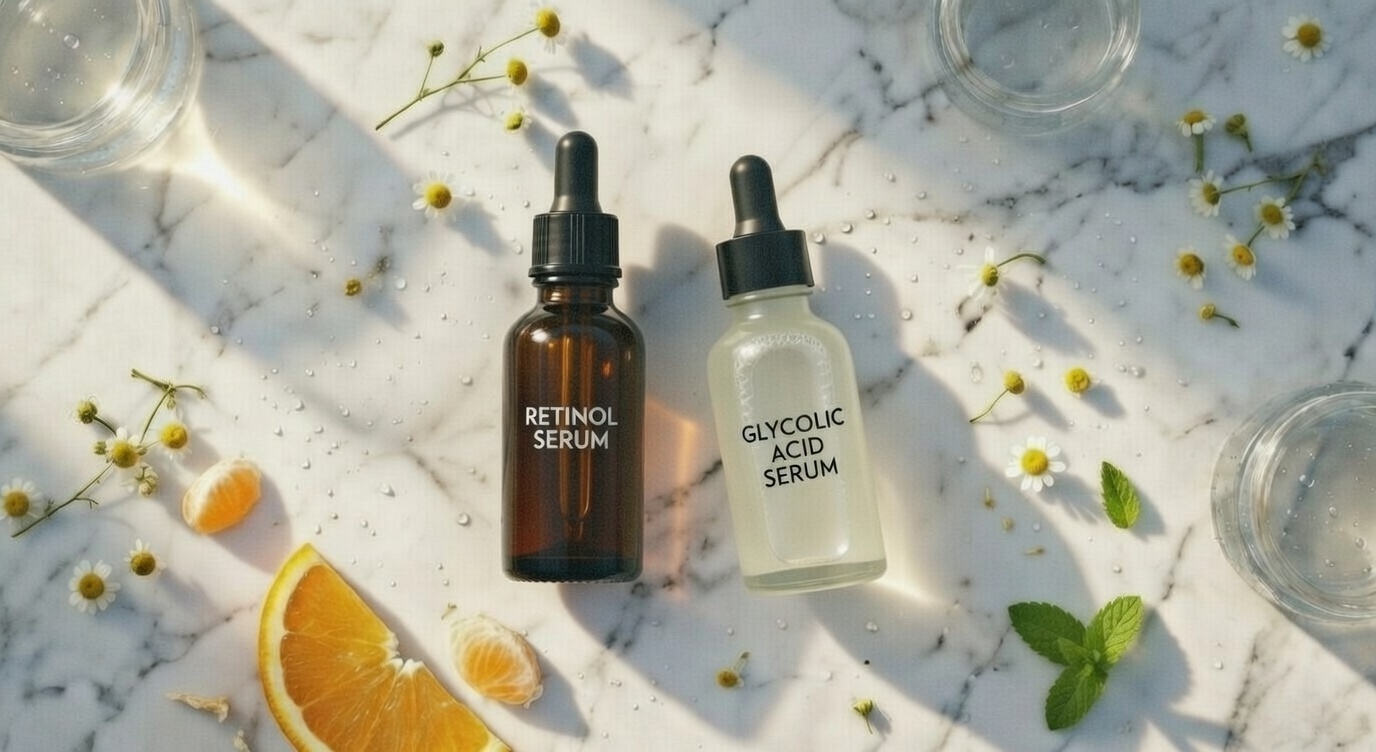
Here’s where many skincare routines go wrong. Glycolic acid and retinol are both powerhouse anti-aging ingredients, but using them incorrectly can wreck your skin barrier.
Glycolic acid and retinol are both powerhouse anti-aging ingredients, but using them incorrectly can wreck your skin barrier.
The evidence-based approach:
- Alternate nights: Use glycolic acid one evening and retinol the next. This gives your skin recovery time while maximizing the benefits of both.
- Start with lower concentrations: Begin with 5-8% glycolic acid and a low-strength retinol (0.25-0.5%), then gradually increase.
- Buffer with hydration: Always apply hyaluronic acid or a ceramide-rich moisturizer after either active to protect the skin barrier.
- Never skip SPF: Both glycolic acid and retinol increase photosensitivity. Daily sunscreen is non-negotiable.
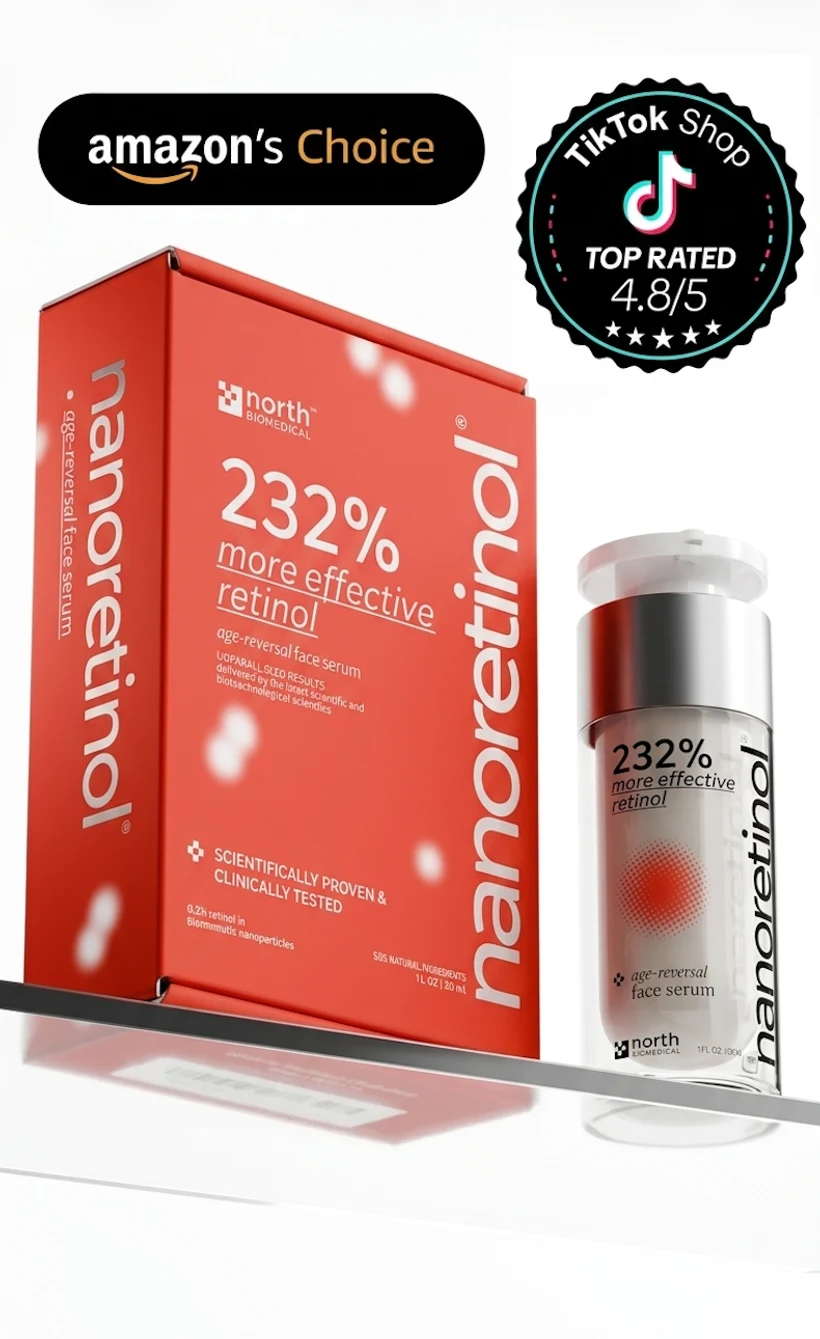
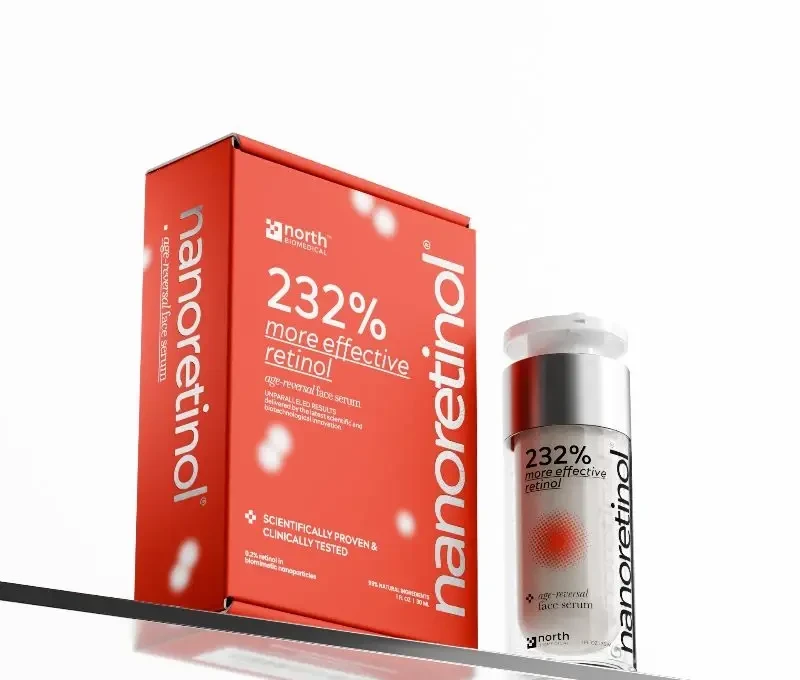
For those who want the anti-aging benefits of retinol with less irritation risk, Nanoretinol® uses lipid nanoparticle encapsulation to deliver retinol with 232% greater bioavailability — meaning you can achieve stronger results at gentler concentrations, making it easier to combine with glycolic acid.
How to Start: A Practical Guide for Beginners
Week 1-2: Use a 5% glycolic acid toner or a glycolic acid serum twice per week, in the evening. Apply to clean, dry skin before moisturizer. Formulation pH decides how much of that 5% is actually working, which our guide to choosing a glycolic acid toner explains.
Week 3-4: If tolerated, increase to three times per week. Watch for excessive redness, stinging, or peeling — a mild tingle is normal, pain is not. That ceiling drops as epidermal renewal slows with age — see how often you should exfoliate your face.
Month 2+: Move to every other night if your skin handles it well. Consider alternating with your retinol routine.
What to avoid: Never use glycolic acid immediately before or after vitamin C serum in the same application. The pH requirements conflict, reducing the effectiveness of both.
Who Should Be Cautious?
Glycolic acid isn’t for everyone. Skip it or consult a dermatologist first if you have:
- Active rosacea — the acid can trigger flare-ups
- Compromised skin barrier — address barrier damage first with ceramides and gentle moisturizers
- Recent cosmetic procedures — wait at least two weeks after peels, microneedling, or laser treatments
- Very dark skin tones — higher concentrations can cause post-inflammatory hyperpigmentation; start low and patch test
The Bottom Line
Glycolic acid has earned its reputation through decades of clinical evidence. It genuinely increases collagen production, reduces wrinkle depth, and improves skin texture — all without requiring a prescription. For women over 40, it’s one of the most effective ingredients you can add to your routine, especially when combined thoughtfully with retinol.
The key is patience and consistency. Start low, go slow, and let the science work.
References
-
Narda, M., et al. (2021). Glycolic acid adjusted to pH 4 stimulates collagen production and epidermal renewal without affecting levels of proinflammatory TNF-alpha in human skin explants. Journal of Cosmetic Dermatology, 20, 513-521. PMC7891644
-
Funasaka, Y., et al. (2001). The efficacy of glycolic acid for treating wrinkles: analysis using newly developed facial imaging systems equipped with fluorescent illumination. Journal of Dermatological Science, 27(Suppl 1), S53-S59. PMID: 11514125
-
Ditre, C.M., et al. (1996). Effects of alpha-hydroxy acids on photoaged skin: a pilot clinical, histologic, and ultrastructural study. Journal of the American Academy of Dermatology, 34(2 Pt 1), 187-195. PMID: 8642081
-
Thibault, P.K., et al. (1998). A double-blind randomized clinical trial on the effectiveness of a daily glycolic acid 5% formulation in the treatment of photoaging. Dermatologic Surgery, 24(5), 573-577. PMID: 9598014