Skin Cell Turnover: Why It Slows After 40 and How to Speed It Up
The overlooked mechanism behind dull, rough, and aging-looking skin — and what science says to do about it
The Factory That Never Stops (Until It Does)
The epidermis runs a continuous self-renewal process. Basal stem cells at the bottom of the skin’s outer layer divide, producing keratinocytes that migrate upward through successive epidermal layers, gradually losing their nucleus and water content until they form the flat, dead cells of the stratum corneum — the outermost barrier you can actually see and touch. Eventually, those cells shed.
This entire lifecycle is what’s meant by skin cell turnover. In young adults, the cycle from new cell birth to surface shedding takes approximately 28 days. It’s why acne clears, wounds heal, and tanned skin fades relatively quickly in your twenties.
In your forties, the same cycle takes 40 to 56 days. By your fifties, it slows by nearly 40% compared to younger skin [1].
This single change is behind more visible signs of aging than most people realize.
What Slow Turnover Actually Does to Your Skin
When keratinocyte renewal slows, everything downstream slows with it. Dead skin cells accumulate on the surface instead of shedding cleanly, creating a rough, uneven texture that scatters light instead of reflecting it evenly — hence the characteristic dull look of aging skin. Pigment that would have exfoliated out in a few weeks now lingers for months, making dark spots and uneven tone increasingly stubborn. Product actives have a harder time penetrating the thickened surface layer.
Beneath the surface, the slowdown is structural. The principal cause of epidermal aging traces to declining proliferation and differentiation of interfollicular epidermal stem cells [1]. As these stem cells become less active, the rate at which new keratinocytes are produced falls, and the epidermis itself thins over time.
Thinning epidermis is not merely an aesthetic problem. A thinner epidermis is a more permeable epidermis — one less capable of retaining moisture, filtering environmental damage, and protecting the dermis below. This feeds the broader aging cycle: thinner epidermis leads to compromised barrier, which leads to more water loss, which produces drier, more reactive skin, which accelerates visible aging.
Why Cell Turnover Is the Central Mechanism in Skin Aging
Most discussions of skin aging focus on the dermis — collagen and elastin degradation, loss of hyaluronic acid, fibroblast decline. These are real and important. But the epidermis is where the cascade begins.
By your fifties, it slows by nearly 40% compared to younger skin.
Slow epidermal turnover means:
- Dullness and roughness — dead cell buildup on the surface
- Persistent hyperpigmentation — melanin takes far longer to clear
- Reduced barrier function — thinning epidermis leaks water and admits irritants
- Impaired ingredient absorption — thicker dead cell layer limits penetration
- Delayed wound healing — cuts and blemishes take longer to resolve
When you restore epidermal turnover, all of these upstream problems improve simultaneously. This is why understanding how retinol works on so many different skin issues — from wrinkles to dark spots to texture — matters: accelerating cell turnover has cascading downstream benefits.
How Retinol Restores Epidermal Renewal
Retinol is the most studied ingredient for accelerating skin cell turnover. Topical retinol application has been shown to increase the proliferation of epidermal keratinocytes by activating interfollicular epidermal stem cells and upregulating the c-Jun transcription factor — a key molecular switch in keratinocyte proliferation [1].
In clinical terms: retinol can reduce the 40–56-day turnover cycle of aging skin back toward the 14–28-day range typical of younger skin [2]. A 2017 study of naturally aged human skin found that retinol increased epidermal thickness and upregulated collagen type I and III genes — two changes directly linked to improved texture, firmness, and resilience [3].
The mechanism is relevant to how retinol is used. A comparative study found that even moderate concentrations of retinol produced measurable improvements in cell turnover and collagen markers when applied to aged skin consistently over 12 weeks [4]. The process requires continuous use — this is not an ingredient you cycle in and out of your routine if you want the underlying renewal rate to shift.
The Delivery Limitation
Here’s a nuance that most product labels won’t mention: conventional retinol formulations have a penetration problem. The stratum corneum is an effective barrier — which is exactly what it’s designed to be. To push retinol across it, traditional formulations use chemical penetration enhancers that disrupt barrier lipids. This is the primary cause of retinol sensitivity: irritation isn’t a side effect of retinol itself, it’s a consequence of the delivery mechanism.
For older skin where epidermal integrity is already declining, aggressive barrier disruption compounds the problem rather than solving it. You’re simultaneously trying to rebuild the epidermis and damaging it with the vehicle you’re using.
Complementary Approaches to Supporting Turnover
Retinol is the most evidence-backed intervention, but several strategies work alongside it: Manual removal has a role here too, and picking the best face scrub comes down mostly to particle shape and restraint.
Weeks 1–4: The surface may become temporarily more sensitive or flaky as cell turnover begins accelerating past the pace your skin was running at.
AHA exfoliants (glycolic acid, lactic acid) mechanically remove accumulated dead cells from the surface, clearing the way for new cells to emerge and for actives to penetrate. They don’t accelerate the cellular cycle at its root, but they address the downstream accumulation effectively. Our guide on glycolic acid skin benefits goes deeper on how AHAs work on surface texture. Proteolytic enzyme exfoliants clear the same accumulated cells without using acid at all.
Vitamin C supports both melanin regulation and collagen synthesis, making it a useful morning partner to nighttime retinol. It’s particularly effective at preventing UV-driven melanin accumulation that slows the rate at which dark spots clear during turnover cycles.
Consistent exfoliation paired with barrier repair works as a unit: exfoliate to remove surface buildup, then immediately repair the barrier with ceramides and moisturizing agents. Disrupted barriers trigger an inflammatory stress response that down-regulates the epidermal stem cell activity driving turnover — counterproductive to the goal.
What to Expect — and When
Weeks 1–4: The surface may become temporarily more sensitive or flaky as cell turnover begins accelerating past the pace your skin was running at. This normalizes.
Weeks 6–8: Texture becomes visibly smoother, brightness improves. Existing dark spots may begin to fade as melanin-containing cells turn over more rapidly.
Month 3: Measurable improvements in epidermal thickness and collagen density begin to accumulate. Skin looks and functions younger in a structural sense.
Month 6+: The cumulative benefit continues. Studies following retinol users over a year document continuing improvements in skin quality — the skin renewing itself at a faster rate produces compounding returns over time.
If you’re new to retinol and wondering how to incorporate it without excessive irritation, the retinol for beginners guide covers the ramp-up protocol in full.
A Note on Delivery Efficiency
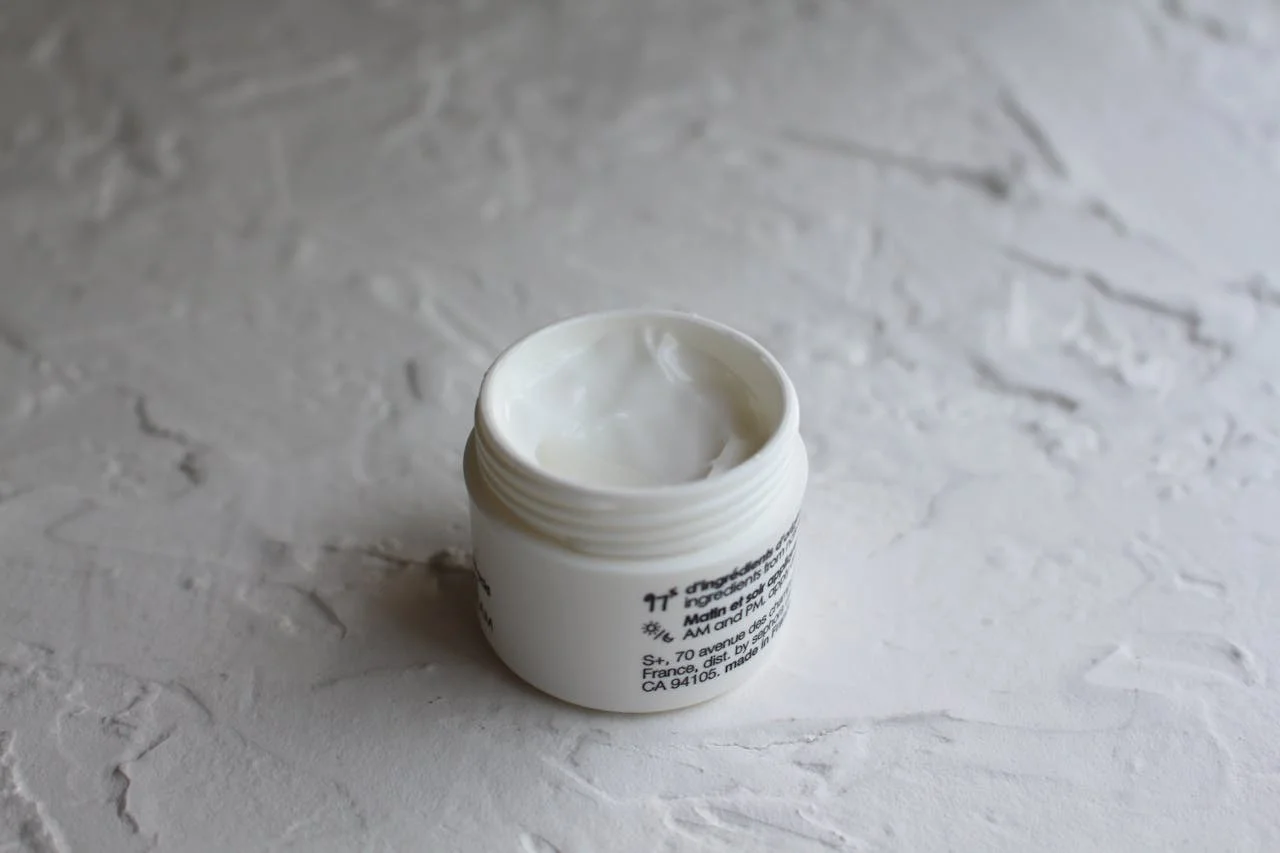
The reason Nanoretinol represents a meaningful advance in cell turnover therapy isn’t the concentration — it’s the delivery system. Conventional retinol’s reliance on barrier disruption is particularly problematic when the target is aging epidermis where barrier integrity is already declining.
By encapsulating retinol in biomimetic lipid nanoparticles — physically identical to the lipid structures the skin already recognizes as self — Nanoretinol delivers retinol to basal cells without the chemical disruption that normally causes sensitivity. The nanoparticles pass through the epithelial barrier because the body identifies them as native, then release retinol content as skin cells gradually absorb the phospholipid membranes.
In clinical testing, this approach produced +232% improvement in collagen recovery and a +61% increase in skin firmness over 56 days — driven by the same cell renewal mechanisms retinol has always engaged, now operating without the friction of barrier damage as a side effect.
What Slows Turnover Beyond Age
Age is not the only factor. UV exposure, chronic inflammation, smoking, high-glycemic diets, and disrupted sleep all independently down-regulate keratinocyte proliferation [5]. A retinol-based routine will partially compensate for these, but reducing them makes the entire system more responsive. Exfoliation is not on that list of levers: it clears cells that have already completed the journey, which is why exfoliation frequency has a ceiling rather than a dose-response.
SPF, in particular, has a measurable effect on preserving epidermal stem cell activity. Photoprotection isn’t just anti-wrinkle strategy — it’s anti-slowdown strategy for the cell renewal machinery itself. Every day of unprotected UV exposure counteracts some of the renewal work you’re doing at night. So does blocking that window at the other end — see what happens when you end up sleeping in makeup.
References
- Quan T. “Human Skin Aging and the Anti-Aging Properties of Retinol.” Biomolecules. 2023;13(11):1614. doi:10.3390/biom13111614
- Mukherjee S, Date A, Patravale V, Korting HC, Roeder A, Weindl G. “Retinoids in the treatment of skin aging: an overview of clinical efficacy and safety.” Clinical Interventions in Aging. 2006;1(4):327–348. doi:10.2147/ciia.2006.1.4.327
- Shao Y, He T, Fisher GJ, Voorhees JJ, Quan T. “Molecular basis of retinol anti-ageing properties in naturally aged human skin in vivo.” International Journal of Cosmetic Science. 2017;39(1):56-65. doi:10.1111/ics.12348
- Kong R, Cui Y, Fisher GJ, et al. “A comparative study of the effects of retinol and retinoic acid on histological, molecular, and clinical properties of human skin.” Journal of Cosmetic Dermatology. 2016;15(1):49-57. doi:10.1111/jocd.12193
- Rossetti D, Kielmanowicz MG, Vigodman S, et al. “A novel anti-ageing mechanism for retinol: induction of dermal elastin synthesis and elastin fibre formation.” International Journal of Cosmetic Science. 2011;33(1):62-69. doi:10.1111/j.1468-2494.2010.00588.x