Keratosis Pilaris Treatment: How to Smooth Those Stubborn Bumps on Your Arms
The science behind follicular keratosis, why it's so persistent, and which evidence-based treatments actually flatten those rough patches
What Keratosis Pilaris Actually Is
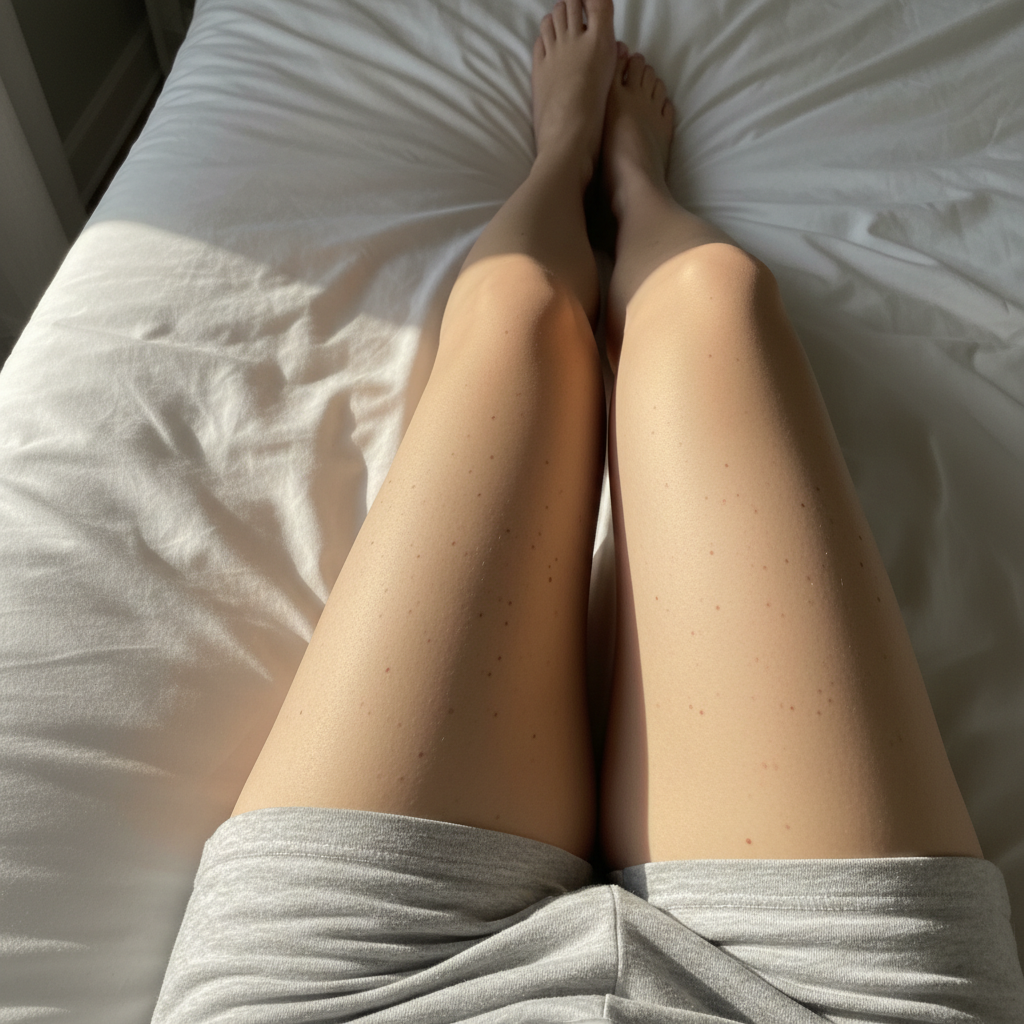
Those tiny, rough-textured bumps that cluster on the backs of your upper arms, thighs, and sometimes cheeks have a clinical name: keratosis pilaris. Dermatologists estimate it affects roughly 50–80% of adolescents and up to 40% of adults, making it one of the most common skin conditions you’ll never hear a doctor get particularly excited about [1]. It’s harmless. It’s painless. And it’s extraordinarily stubborn.
The mechanism is straightforward: dead skin cells don’t shed the way they should. Instead of sloughing off naturally, excess keratin — the structural protein that makes up your outer skin layer — accumulates inside hair follicles, forming hard, sandpaper-like plugs [2]. Each plug creates a tiny raised bump, and the surrounding skin may flush pink or red from mild inflammation.
KP isn’t caused by poor hygiene, and no amount of scrubbing with a loofah will fix it. The condition is genetically driven, linked to mutations in the filaggrin gene (FLG) — the same gene implicated in ichthyosis vulgaris and atopic dermatitis [2]. If your mother had those persistent arm bumps, there’s a strong chance you inherited the tendency.
Why KP Gets Worse in Your 40s and Beyond
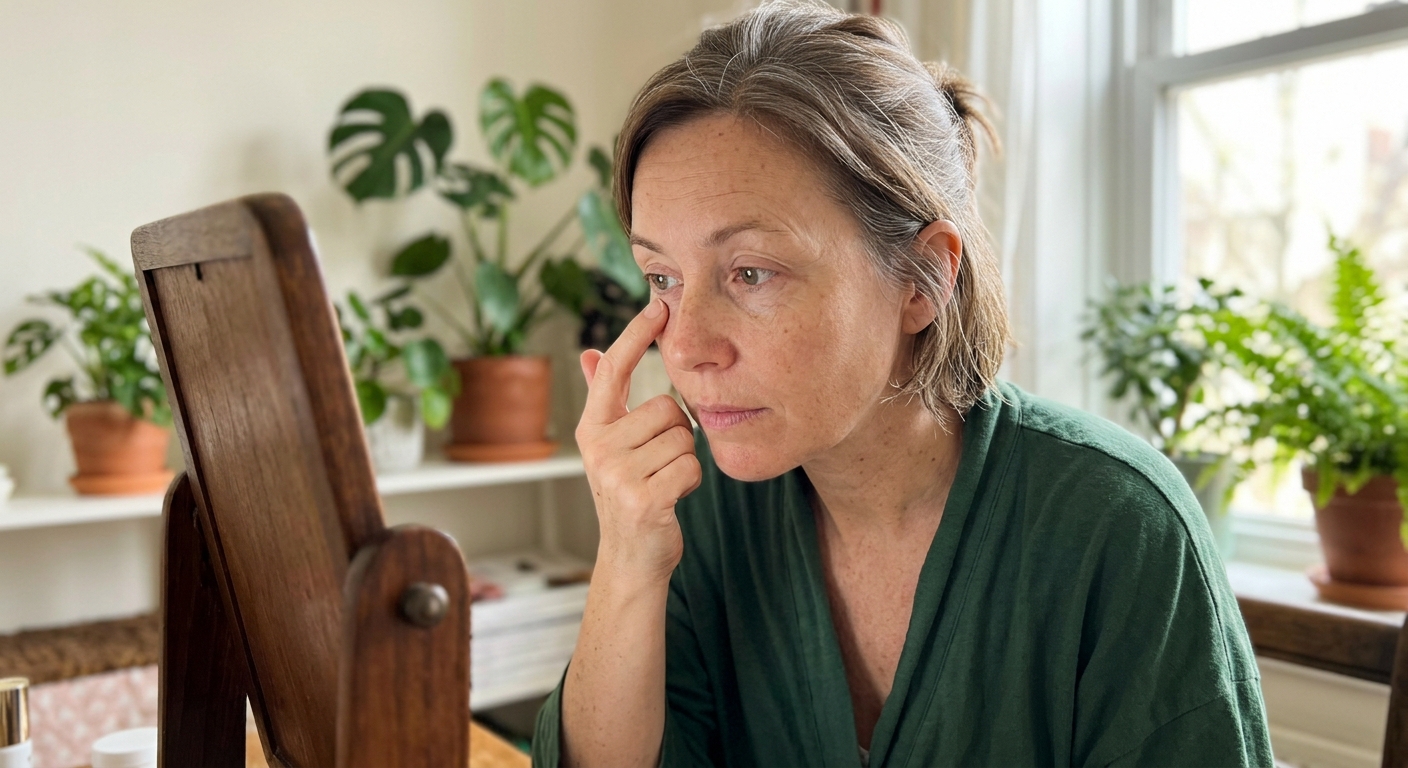
Here’s what most articles won’t tell you: while KP often improves somewhat after adolescence, many women notice it returning or worsening after 40. The reason is twofold. First, natural skin cell turnover slows dramatically with age — the 28-day renewal cycle of your twenties stretches to 45–60 days by midlife [3]. Keratin plugs that might have loosened on their own now have more time to solidify.
Second, the skin’s natural moisturizing factors decline. Lower ceramide production and reduced sebum output mean the keratin plugs sit in a drier environment, making them harder and more visible. The combination of slower turnover and diminished moisture creates the perfect conditions for KP to persist.
Treatments That Actually Work, According to Dermatology Research
A 2022 systematic review examining all available intervention studies for KP found that most treatments fall into two categories: chemical exfoliants that dissolve the keratin plugs, and retinoids that normalize follicular keratinization from the inside [1]. Here’s what the evidence supports.
Lactic Acid: The First-Line Workhorse
Among board-certified dermatologists surveyed in 2023, topical lactic acid was the most commonly prescribed first-line treatment for KP, used by 43.6% of respondents [4]. Lactic acid is an alpha-hydroxy acid (AHA) that works on two levels: it loosens the bonds between dead cells plugging the follicle, and it draws moisture into the skin as a humectant.
Concentrations of 12% lactic acid have shown the most consistent results in clinical trials, with visible improvement in bump texture within 4–8 weeks of consistent use [1]. The key is consistent — KP is a chronic condition, and stopping treatment means the plugs will reform.
Here’s what most articles won’t tell you: while KP often improves somewhat after adolescence, many women notice it returning or worsening after 40.
Salicylic Acid: The Oil-Soluble Alternative
The second most popular first-line treatment among dermatologists (20.7% of survey respondents) is salicylic acid, a beta-hydroxy acid that penetrates into the follicle itself [4]. Because it’s oil-soluble, salicylic acid can work inside the pore where the keratin plug forms — a significant advantage over water-soluble AHAs for this specific condition.
Urea: The Underrated Option
Urea at 20–40% concentrations acts as both a keratolytic (breaking down excess keratin) and a powerful humectant. It’s particularly useful for KP on the legs and buttocks, where skin tends to be drier and thicker. Several clinical reports show urea-based creams producing meaningful improvement in KP roughness within 4–6 weeks [2].
Retinoids: Addressing the Root Cause
While chemical exfoliants treat the symptom — the keratin plug — retinoids address the underlying dysfunction. Tretinoin and other retinoids normalize the keratinization process within the follicle, essentially retraining skin cells to behave properly [3]. A comprehensive review of KP management notes that topical retinoids are among the most widely used treatments for follicular keratinization disorders, though they require patience — results typically take 8–12 weeks [2].
The challenge with conventional retinoids for KP treatment is irritation. The skin on arms and thighs is often drier than facial skin, and traditional retinol formulations can cause peeling and redness that makes patients abandon treatment before results appear. This is where delivery technology becomes critical.
Building an Effective KP Routine
The most effective approach combines two strategies: exfoliation to clear existing plugs and retinoid therapy to prevent new ones from forming.
Step 1: Gentle physical exfoliation — Use a soft washcloth or silicone scrubber (never harsh scrubs) in the shower 2–3 times per week. This loosens surface-level keratin without causing micro-tears that worsen inflammation. Our guide to the best body scrub covers which particle shapes are safe here and which cause exactly those micro-tears. An acid-based exfoliating body wash can add a light chemical step in the same shower.
Step 2: Chemical exfoliant — Apply a lactic acid (12%, often sold as an ammonium lactate lotion) or salicylic acid (2%) body lotion, or a glycolic acid lotion, to affected areas after showering. Let it absorb fully before applying anything else.
Gentle consistency for 8–12 weeks produces better results than an intense routine you abandon after two weeks.
Step 3: Retinoid treatment — Apply a retinol product to the same areas at night. Start with 2–3 times per week and increase as tolerated. Look for formulations specifically designed to minimize irritation while maximizing follicular penetration.
Step 4: Moisturize heavily — Ceramide-rich moisturizers are ideal because they reinforce the skin barrier that KP-prone skin already struggles to maintain. Apply within minutes of bathing to lock in moisture.
Consistency over intensity — Aggressive scrubbing or layering multiple actives too quickly will inflame the skin and make KP look worse, not better. Gentle consistency for 8–12 weeks produces better results than an intense routine you abandon after two weeks.
What Doesn’t Work
Dry brushing — Popular on social media, but there’s no clinical evidence it improves KP. Aggressive brushing can actually trigger post-inflammatory hyperpigmentation around the bumps, making them more visible.
Coconut oil alone — While occlusives can temporarily soften the texture, they don’t address keratinization. The bumps return as soon as you stop.
Single-use treatments — KP requires ongoing management. No cream, peel, or laser produces permanent clearance [1].
The Delivery Problem With Conventional Retinol
Standard retinol formulations face a particular challenge when treating KP: the active ingredient needs to penetrate into the follicular infundibulum where the keratotic plug forms. Most over-the-counter retinol products are formulated for facial skin and rely on penetration enhancers that can strip the already-compromised barrier of KP-affected skin.
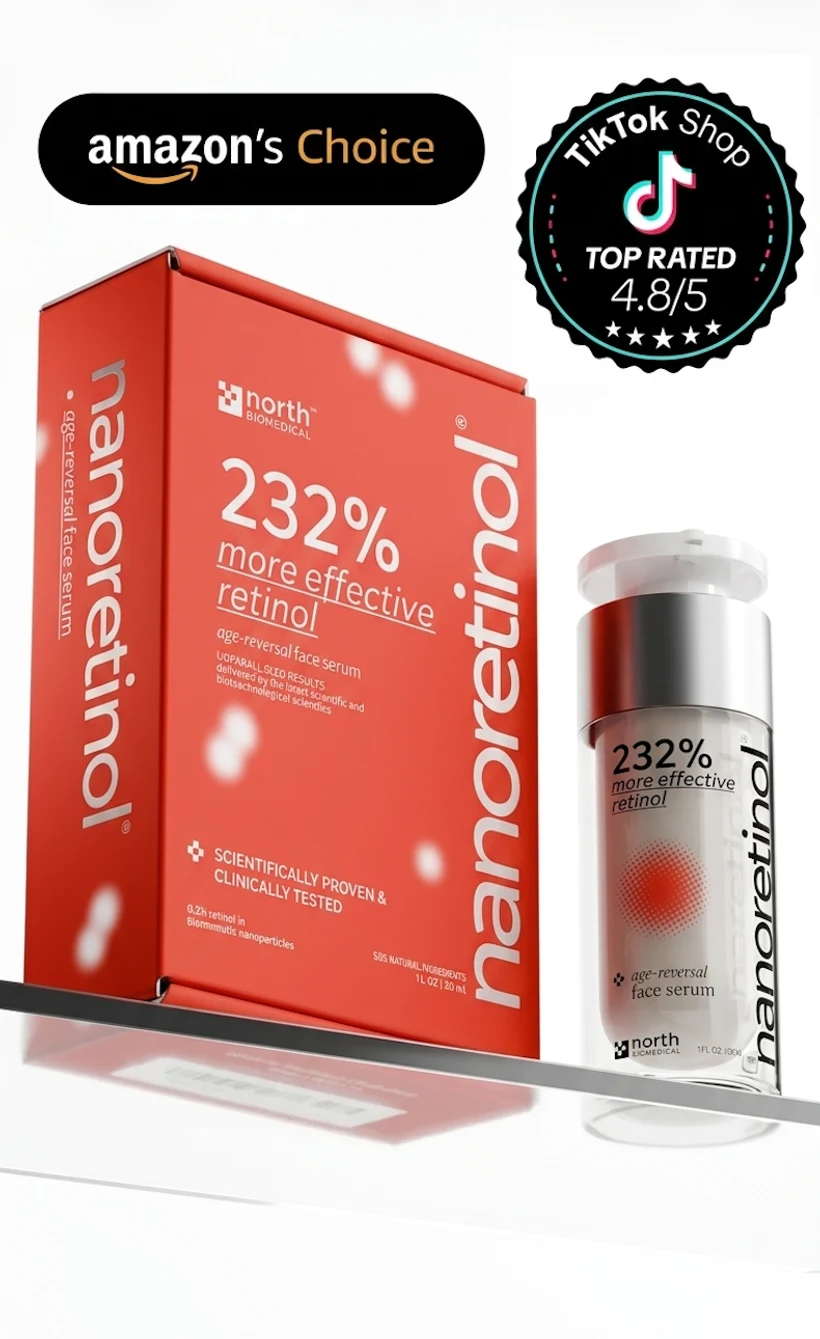
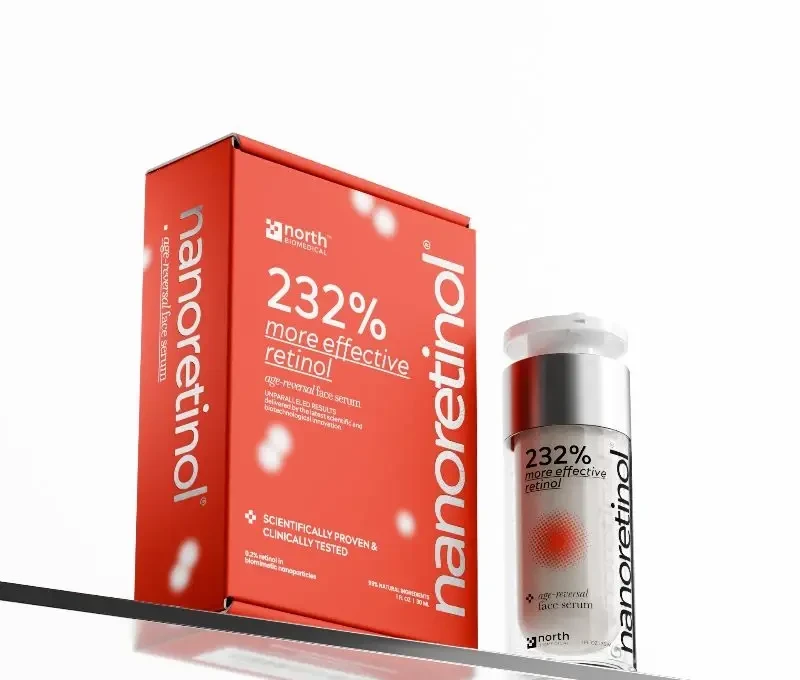
Nanoretinol® approaches this differently. By encapsulating retinol in biomimetic lipid nanoparticles — structures the skin recognizes as its own — the active ingredient bypasses the epithelial barrier without the chemical disruption that causes irritation [5]. For KP-prone skin that’s already dry and easily irritated, this means you can deliver retinol to the follicle where it’s needed without triggering the redness and peeling that makes conventional retinoids hard to tolerate on the body.
The clinical data supports this: Nanoretinol® demonstrated +232% greater effectiveness in collagen recovery and significantly reduced cytotoxicity compared to conventional retinol [5]. For a condition that requires consistent, long-term retinoid use, tolerability isn’t a nice-to-have — it’s the difference between a treatment that works and one that sits unused in your cabinet.
What to Realistically Expect
KP won’t disappear completely. With consistent treatment, most people see a 50–70% reduction in bump visibility and significant improvement in skin texture within 8–12 weeks [1]. The redness around follicles fades more slowly — niacinamide can help calm this inflammation alongside your keratolytic routine.
Seasonal fluctuations are normal. KP often worsens in winter when humidity drops and improves in summer with increased sun exposure and humidity. Adjusting your routine seasonally — heavier exfoliation and moisturization in cold months — helps maintain results year-round. The same keratolytic actives at higher strengths are what finally shift thickened heel skin, which is covered in the guide to foot creams for dry, cracked feet.
The most important thing to accept: this is maintenance, not a cure. But with the right combination of gentle exfoliation, intelligent retinoid delivery, and consistent moisturization, those rough patches can become smooth enough that you stop thinking about them entirely.
References
- Suástegui-Rodríguez I, Morales-Sánchez MA. “Keratosis Pilaris Treatment: Evidence from Intervention Studies.” Skinmed. 2022;20(4):258-271. PMID: 35976015
- Kodali N, et al. “Keratosis pilaris: an update and approach to management.” Ital J Dermatol Venerol. 2023;158(3):217-223. doi:10.23736/S2784-8671.23.07594-1
- Pennycook KB, McCready TA. “Keratosis Pilaris.” StatPearls. Treasure Island (FL): StatPearls Publishing; 2023. PMID: 31536314
- Greenzaid J, et al. “Keratosis Pilaris: Treatment Practices of Board-Certified Dermatologists.” J Drugs Dermatol. 2023;22(10):985-989. doi:10.36849/JDD.7534
- North Biomedical LLC. “Nanoretinol® vs. Conventional Retinol: Efficacy in Collagen and Elastin Recovery.” Clinical Study Summary, 2024.