7 Proven Benefits of Retinol for Skin — Backed by Decades of Clinical Research
What retinol actually does for your skin, according to the studies — not the marketing
Retinol has been studied in clinical dermatology for over 50 years. In an industry flooded with ingredients that are “promising” or “trending,” retinol is rare: it actually has the research to back up the claims.
But not all the claims you’ve read are accurate. Some are exaggerated. Some are misunderstood. And some of the most important benefits barely get mentioned.
Here are the seven benefits of retinol that are genuinely supported by peer-reviewed clinical evidence — what they are, how significant they are, and what you can realistically expect.
1. Reduces Fine Lines and Wrinkles
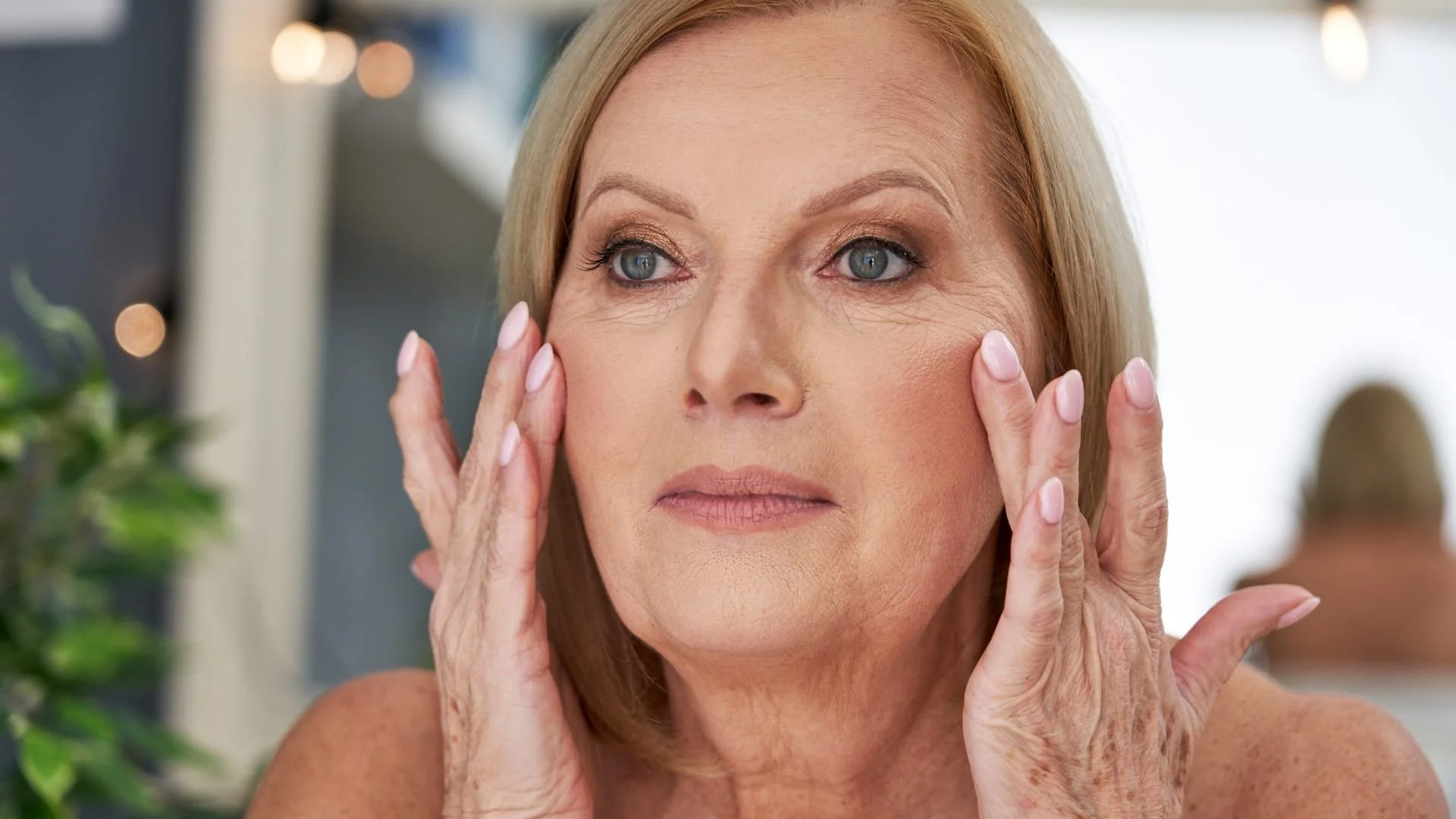
The evidence: This is retinol’s flagship benefit, and the research is robust. In a landmark 24-week clinical trial, Kafi et al. demonstrated that 0.4% retinol significantly reduced fine wrinkles in naturally aged skin, with skin biopsies confirming increased collagen deposition in the dermis [1].
How it works: Retinol converts to retinoic acid in your skin, which activates genes that produce collagen while simultaneously suppressing the enzymes (matrix metalloproteinases) that break collagen down. This dual mechanism — more production, less destruction — creates a net gain in dermal structure over time [2].
What to expect realistically: Fine lines around the eyes and mouth show noticeable improvement within 8-12 weeks of consistent use. Moderate wrinkles take longer — 4-6 months for meaningful change. Deep wrinkles (nasolabial folds, forehead furrows) will improve in surrounding skin quality but won’t disappear without professional intervention.
The magnitude: Clinical studies typically show a 30-50% improvement in fine wrinkle appearance after 12-24 weeks [1]. That’s significant — but it’s not the “erases wrinkles” miracle that marketing sometimes implies.
2. Stimulates Collagen Production
The evidence: Varani et al.’s research in the Journal of Investigative Dermatology showed that retinol increased collagen accumulation in aged skin by approximately 80%, while reducing the collagen-degrading enzymes that accelerate structural breakdown [3].
How it works: Retinoic acid binds to nuclear receptors (RARs) in fibroblasts — the cells responsible for producing your skin’s structural proteins. This binding upregulates genes for type I and type III procollagen, essentially telling your cells to manufacture more of the scaffolding that keeps skin firm [2].
Why this matters beyond wrinkles: Collagen isn’t just about lines on your face. It determines skin thickness, bounce, resilience, and how well your skin heals. The thinning, fragile quality of aging skin is largely a collagen story. Retinol doesn’t just make you look younger — it makes your skin structurally stronger.
The catch: Collagen synthesis is slow. The collagen retinol stimulates today won’t be visible for weeks. This is why patience is non-negotiable with retinol — and why people who quit after two weeks never see the benefit they were building toward.
3. Accelerates Cell Turnover
The evidence: Kong et al.’s comparative study demonstrated that retinol significantly increases epidermal cell proliferation and turnover rate, producing measurable histological changes in skin structure within 12 weeks [4].
Why this matters beyond wrinkles: Collagen isn’t just about lines on your face.
How it works: Retinoic acid stimulates basal cell division in the lowest layer of your epidermis. New cells push upward faster, and the accumulated layer of dead, flattened cells on the surface sheds more quickly. The result: smoother texture, smaller-appearing pores, and a fresher, more luminous appearance.
The glow factor: The “retinol glow” people describe around weeks 4-6 isn’t marketing fantasy — it’s the visible result of faster cell turnover bringing newer, more uniformly arranged cells to the surface. These cells reflect light more evenly than the rough, irregular dead cells they replaced.
The flip side: Accelerated turnover is also why retinol causes initial flaking, dryness, and the so-called retinol purge. Your skin is shedding faster than it’s accustomed to. This adjusts within 4-8 weeks as your skin adapts — a process dermatologists call “retinization.”
4. Fades Hyperpigmentation and Dark Spots
The evidence: Research has shown that retinoic acid influences melanogenesis through multiple pathways, including inhibition of tyrosinase (the key enzyme in melanin production) and accelerated exfoliation of pigmented cells [5].
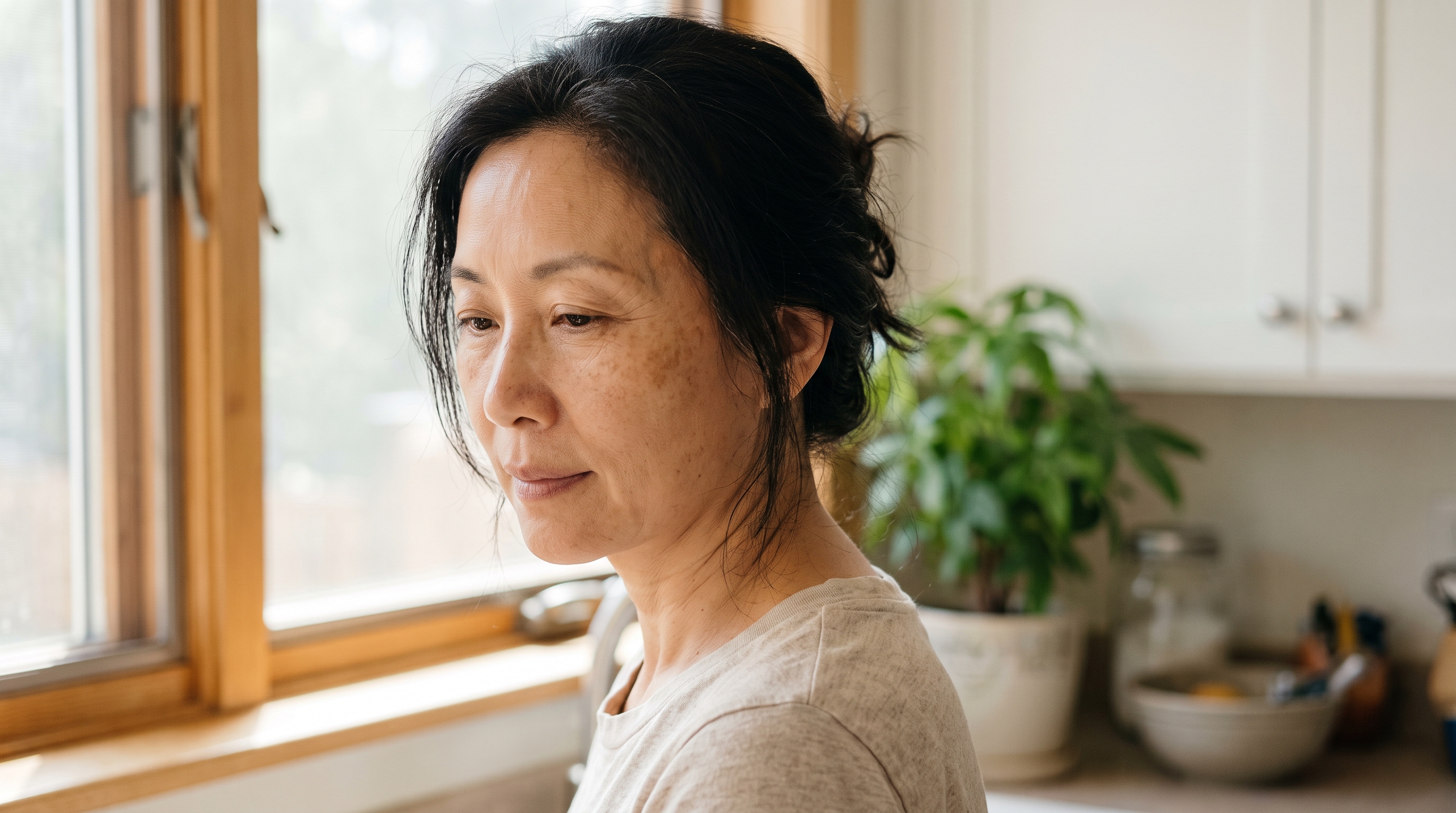
How it works: Two mechanisms work simultaneously. First, retinol reduces new melanin synthesis by interfering with the enzymatic pathway that produces it. Second, the increased cell turnover sheds existing pigmented cells faster. Dark spots, age spots, and post-inflammatory marks fade progressively as pigmented cells are replaced by normally pigmented ones. What responds well: Solar lentigines (sun spots), post-acne dark marks, mild melasma, and general unevenness in skin tone. Retinol is particularly effective when combined with daily broad-spectrum sunscreen, which prevents new pigment from forming while retinol clears the old.
Timeline: Pigmentation is slow to change — expect 12-16 weeks for noticeable improvement, with continued fading through 6 months. Deep or hormonal pigmentation (like melasma) is stubbornly resistant and may require combination therapy.
5. Treats and Prevents Acne
The evidence: Retinoids have been a cornerstone of acne treatment for decades. While prescription retinoids like adapalene and tretinoin are more potent, over-the-counter retinol has demonstrated meaningful acne benefits in clinical settings [6].
How it works: Acne begins with microcomedones — microscopic clogs in hair follicles caused by abnormal cell shedding (follicular hyperkeratinization). Retinol normalizes this process, preventing dead cells from accumulating inside pores and forming the plugs that become blackheads, whiteheads, and inflammatory breakouts.
Retinol also has mild anti-inflammatory properties, which help reduce the redness and swelling associated with active acne lesions [6].
Best for: Mild to moderate comedonal acne (blackheads and whiteheads), adult hormonal acne maintenance, and preventing breakouts in acne-prone skin. For moderate-to-severe inflammatory acne, prescription retinoids are more effective.
The purge caveat: Retinol can temporarily worsen breakouts during the first 2-6 weeks by accelerating the turnover of existing microcomedones. This is the “purge” — existing clogs reach the surface faster. It’s temporary and actually indicates the product is working. Understanding how retinol works helps set expectations.
6. Improves Skin Texture and Pore Appearance
The evidence: Multiple clinical studies have documented retinol’s ability to refine skin texture, reduce roughness, and minimize the appearance of enlarged pores [1][4].
The clinical result: +232% more effective collagen recovery and +73% more effective elastin recovery compared to conventional retinol, with significantly reduced irritation.
How it works: Enlarged pores are primarily caused by two things: accumulated sebum and dead cells stretching the pore opening, and loss of collagen and elastin around the pore walls. Retinol addresses both — it clears the debris through increased turnover and rebuilds the supporting collagen structure around each pore.
The texture transformation: This benefit is often the first one users notice. Before wrinkles improve, before spots fade, skin starts feeling different — smoother, more refined, more even to the touch. It’s the most tangible proof that retinol is working at the cellular level.
Realistic expectations: Retinol can significantly reduce pore appearance, but it can’t change pore size. Pore diameter is genetically determined. What retinol does is clear the congestion that stretches pores and rebuild the collagen that keeps them tight — making them less visible, not smaller.
7. Strengthens the Skin Barrier (Long-Term)
The evidence: This benefit is counterintuitive, given that retinol can cause initial dryness and irritation. But long-term retinol use actually thickens the viable epidermis and improves skin barrier function, as demonstrated by histological studies showing increased epidermal thickness and better-organized cell layers after sustained use [7].
How it works: The initial thinning of the stratum corneum (dead outer layer) that causes early-stage dryness is temporary. Over time, retinol stimulates the production of more epidermal cells that are better organized and more structurally sound. The living epidermis thickens even as the dead layer becomes more compact and uniform [4].
Retinol also increases the production of glycosaminoglycans (like hyaluronic acid) in the dermis, improving skin hydration from within — a benefit that compounds over months of use [3].
The paradox explained: Retinol makes skin temporarily more sensitive in weeks 1-6, then makes it fundamentally stronger and more resilient from month 3 onward. This is why dermatologists emphasize patience through the adjustment period — the short-term discomfort is the price of long-term structural improvement.
The Delivery Question: Not All Retinol Reaches Your Skin
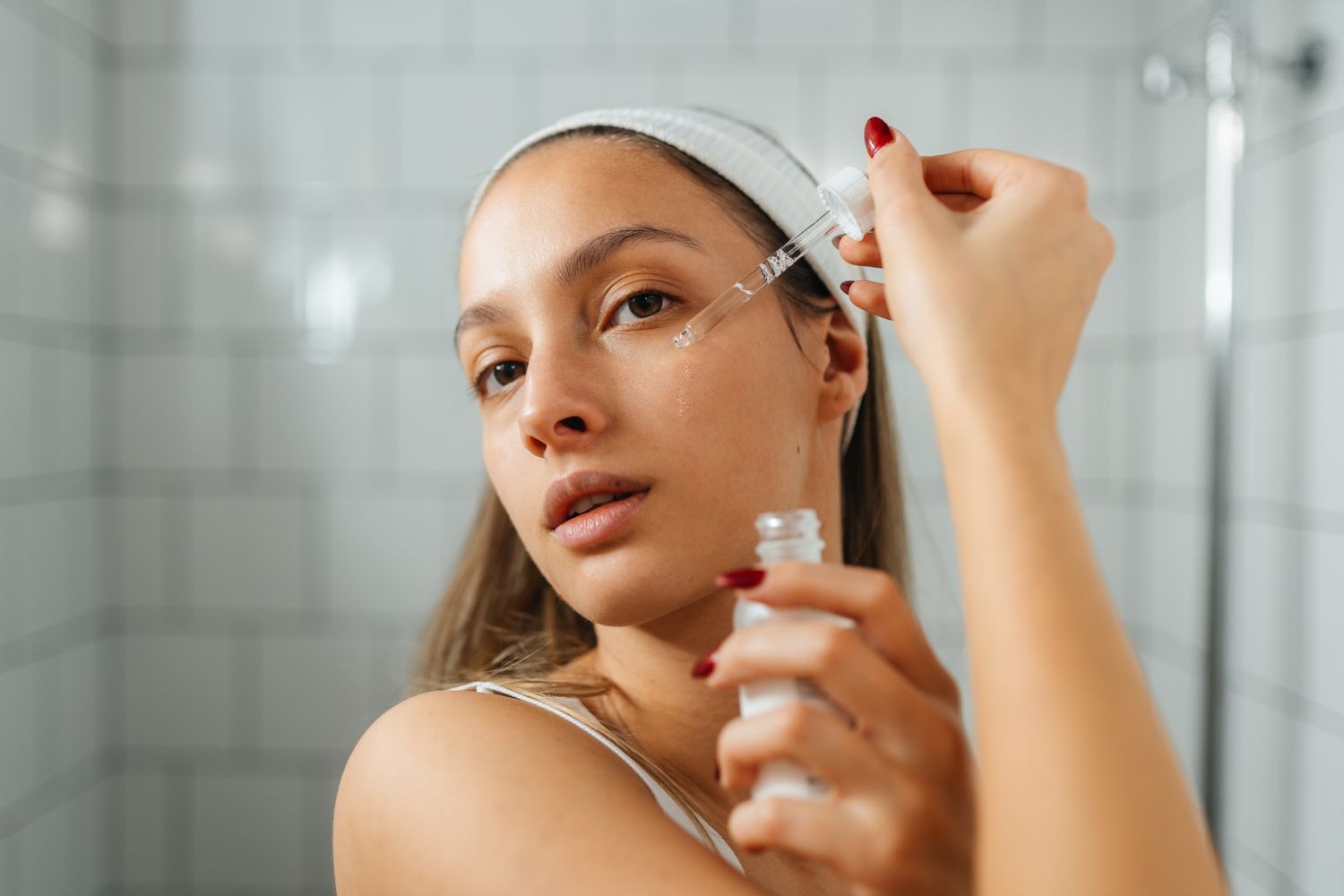
One critical factor these studies share: retinol’s benefits depend entirely on the molecule reaching living skin cells intact. Traditional retinol formulations face stability challenges (degradation from light and air) and penetration barriers (the stratum corneum blocks most topically applied molecules) [8]. This is why advanced delivery systems are changing what’s possible with retinol. Nanoretinol® encapsulates retinol in biomimetic lipid nanoparticles — carriers that your skin recognizes as “self” and allows to pass through the epithelial barrier without chemical disruption. The clinical result: +232% more effective collagen recovery and +73% more effective elastin recovery compared to conventional retinol, with significantly reduced irritation.
The benefits listed above are real and well-documented. But how much of each benefit you experience depends on how much active retinol actually reaches your cells — making delivery technology as important as the ingredient itself.
Making the Most of These Benefits
To maximize every benefit on this list:
Start correctly. Follow a proper introduction protocol — gradual frequency, appropriate concentration, dry skin application.
Protect relentlessly. Daily SPF 30+ isn’t optional. UV radiation degrades the collagen retinol is building and triggers the pigmentation retinol is clearing [9].
Be consistent. Every benefit listed here requires sustained use — minimum 12 weeks, optimal results at 6-12 months. Sporadic application produces sporadic results.
Choose quality formulations. Stabilized, well-delivered retinol at 0.2% will outperform degraded retinol at 1%. The delivery system matters as much as the concentration on the label. Deciding where retinol fits alongside a gentler active? Compare them in niacinamide vs retinol.
Retinol isn’t a miracle. It’s something better: a thoroughly validated, multi-mechanism active ingredient that improves skin through real biological pathways. The seven benefits above aren’t promises — they’re documented outcomes, available to anyone willing to use it correctly and consistently.
References
-
Kafi R, Kwak HS, Schumacher WE, et al. “Improvement of naturally aged skin with vitamin A (retinol).” Archives of Dermatology. 2007;143(5):606-612. doi:10.1001/archderm.143.5.606
-
Mukherjee S, Date A, Patravale V, et al. “Retinoids in the treatment of skin aging: an overview of clinical efficacy and safety.” Clinical Interventions in Aging. 2006;1(4):327-348. doi:10.2147/ciia.2006.1.4.327
-
Varani J, Warner RL, Gharaee-Kermani M, et al. “Vitamin A antagonizes decreased cell growth and elevated collagen-degrading matrix metalloproteinases and stimulates collagen accumulation in naturally aged human skin.” Journal of Investigative Dermatology. 2000;114(3):480-486. doi:10.1046/j.1523-1747.2000.00902.x
-
Kong R, Cui Y, Fisher GJ, et al. “A comparative study of the effects of retinol and retinoic acid on histological, molecular, and clinical properties of human skin.” Journal of Cosmetic Dermatology. 2016;15(1):49-57. doi:10.1111/jocd.12193
-
Shao Y, He T, Fisher GJ, et al. “Molecular basis of retinol anti-ageing properties in naturally aged human skin in vivo.” International Journal of Cosmetic Science. 2017;39(1):56-65. doi:10.1111/ics.12348
-
Leyden JJ, Stein-Gold L, Weiss J. “Why topical retinoids are mainstay of therapy for acne.” Dermatology and Therapy. 2017;7(3):293-304. doi:10.1007/s13555-017-0185-2
-
Ganceviciene R, Liakou AI, Theodoridis A, et al. “Skin anti-aging strategies.” Dermato-Endocrinology. 2012;4(3):308-319. doi:10.4161/derm.22804
-
Milosheska D, Roškar R. “Use of Retinoids in Topical Antiaging Treatments: A Focused Review of Clinical Evidence for Conventional and Nanoformulations.” Advances in Therapy. 2022;39(12):5351-5375. doi:10.1007/s12325-022-02319-7
-
Fisher GJ, Kang S, Varani J, et al. “Mechanisms of photoaging and chronological skin aging.” Archives of Dermatology. 2002;138(11):1462-1470. doi:10.1001/archderm.138.11.1462