
Skin Flooding: The Hydration Method That Actually Fixes Dull, Tight Skin
Why the order you apply your products matters more than the products themselves
If your skin looks dull by mid-afternoon, feels tight after cleansing, or drinks up moisturizer and still wants more, the problem may not be which products you own. It may be the order and the timing you apply them in. That is the entire premise behind skin flooding, the layering technique that has quietly become one of the most-searched routines in skincare.
The idea is simple enough to do tonight, but the science underneath it explains why so many expensive serums underperform — and what to do about it.
What Skin Flooding Actually Is
Skin flooding means applying lightweight, water-loving hydrators onto damp skin in thin layers, one after another, then sealing everything with a moisturizer. The “flood” refers to saturating the surface of the skin with water and water-attracting ingredients before that water has a chance to evaporate.
The key players are humectants — ingredients like glycerin and hyaluronic acid that act like magnets for water. The reason timing matters comes down to where those magnets pull their water from.
Skin flooding works because humectants are thirsty molecules, and the thin layer of water you apply them onto decides whether they drink from the bottle or from your own skin.
Apply a humectant to bone-dry skin in a dry room, and it can pull moisture upward from the deeper layers of your skin and release it into the air — leaving you tighter than before. Apply it to damp skin, and it grabs the surface water instead, holding it against you. That single distinction is why the technique exists.
The Science of Why It Works
Your skin’s outermost layer, the stratum corneum, behaves like a sponge. Its ability to stay supple depends almost entirely on its water content, and that water is held in place by a mix of natural humectant compounds and protective lipids [1]. When that water content drops, the surface stops reflecting light evenly, which is exactly what we perceive as “dull.” Which humectant you flood with matters as much as the technique, a question we settle in hyaluronic acid vs glycerin.
If your skin looks dull by mid-afternoon, feels tight after cleansing, or drinks up moisturizer and still wants more, the problem may not be which products you own.
Glycerin is the most studied humectant in skincare, and for good reason. Controlled studies show it measurably increases the water-holding capacity of the skin’s surface and slows the rate at which moisture evaporates, with the effect scaling alongside concentration [2]. It does not just sit on top; it draws into the surface and forms a reservoir that keeps working for hours.
Hyaluronic acid does similar work with a twist of scale — a single gram can theoretically bind a remarkable amount of water. In clinical testing, topical hyaluronic acid formulations improved skin hydration and reduced the appearance of fine lines over several weeks of use [3]. Layering it onto a damp surface gives it the surface water it needs to do that job, rather than forcing it to scavenge from your dermis.
Stacking thin layers, rather than one thick coat, simply gives these humectants more water-rich surface area to bind to before you lock it all down.
How to Flood Your Skin, Step by Step
The method rewards restraint. Thin layers beat thick ones every time.
1. Cleanse and leave skin damp
Wash with a gentle, non-stripping cleanser and do not fully dry your face. A light pat with a towel is enough — you want it dewy, not dripping.
2. Mist or apply a watery essence
A hydrating toner, essence, or even a few pats of water restarts the dampness if your skin dried while you reached for the next bottle. Picking one that holds water rather than evaporating straight off the surface is the subject of our hydrating face mist and hydrating toner guides. Whether that watery layer should be an essence or a serum is unpacked in essence vs serum.
A hydrating toner, essence, or even a few pats of water restarts the dampness if your skin dried while you reached for the next bottle.
3. Layer your humectant serums
Apply a glycerin- or hyaluronic-acid-based serum in a thin layer. Wait thirty seconds, mist again if needed, and apply a second thin layer. Two to three passes is plenty. A snail mucin serum works well as one of those layers, and our guide to the best snail mucin serum covers how to choose one.
4. Seal with a moisturizer
This is the step people skip, and it is the most important one. Humectants pull water in; an occlusive or emollient moisturizer stops that water from leaving. Without the seal, flooding in a dry environment can backfire.
Flooding a barrier that is already cracked is like pouring water into a bucket riddled with holes — the moment you stop, it all runs out.
If your skin barrier is compromised from over-exfoliation or harsh actives, no amount of layering will hold. Repairing the barrier first, with ingredients like ceramides, comes before any flooding routine pays off. Our guide to a damaged skin barrier covers the repair sequence in detail.
Who Benefits Most
Skin flooding is tailor-made for people with dehydrated skin — a temporary condition where the skin lacks water, distinct from dry skin, which lacks oil. It also helps mature skin, because the skin’s natural humectant content and oil production both decline with age, leaving the surface thirstier and quicker to look flat.
It is less useful for very oily or acne-prone skin, where heavy layering can feel suffocating. And it is a hydration strategy, not an anti-aging treatment. Flooding plumps and smooths today; it does not rebuild the collagen that keeps skin firm over years.
Where Actives Fit In
Here is the part most flooding tutorials miss. A perfectly hydrated surface is the ideal canvas for an active ingredient — but most potent actives, especially conventional retinol, are delivered in harsh, alcohol- or petroleum-based vehicles that disrupt the very barrier you just spent five minutes flooding. You hydrate, then you undo it.
The proven long-term answer to dullness and fine lines is still a retinoid. Topical retinoids are the most validated ingredients in dermatology for rebuilding the skin’s support structure: tretinoin has been shown to restore collagen formation in photodamaged skin [4], and even cosmetic-strength retinol improves the appearance of naturally aged skin in controlled trials [5]. The challenge has always been delivering that benefit without the burning, peeling, and barrier damage that derail a hydration routine.
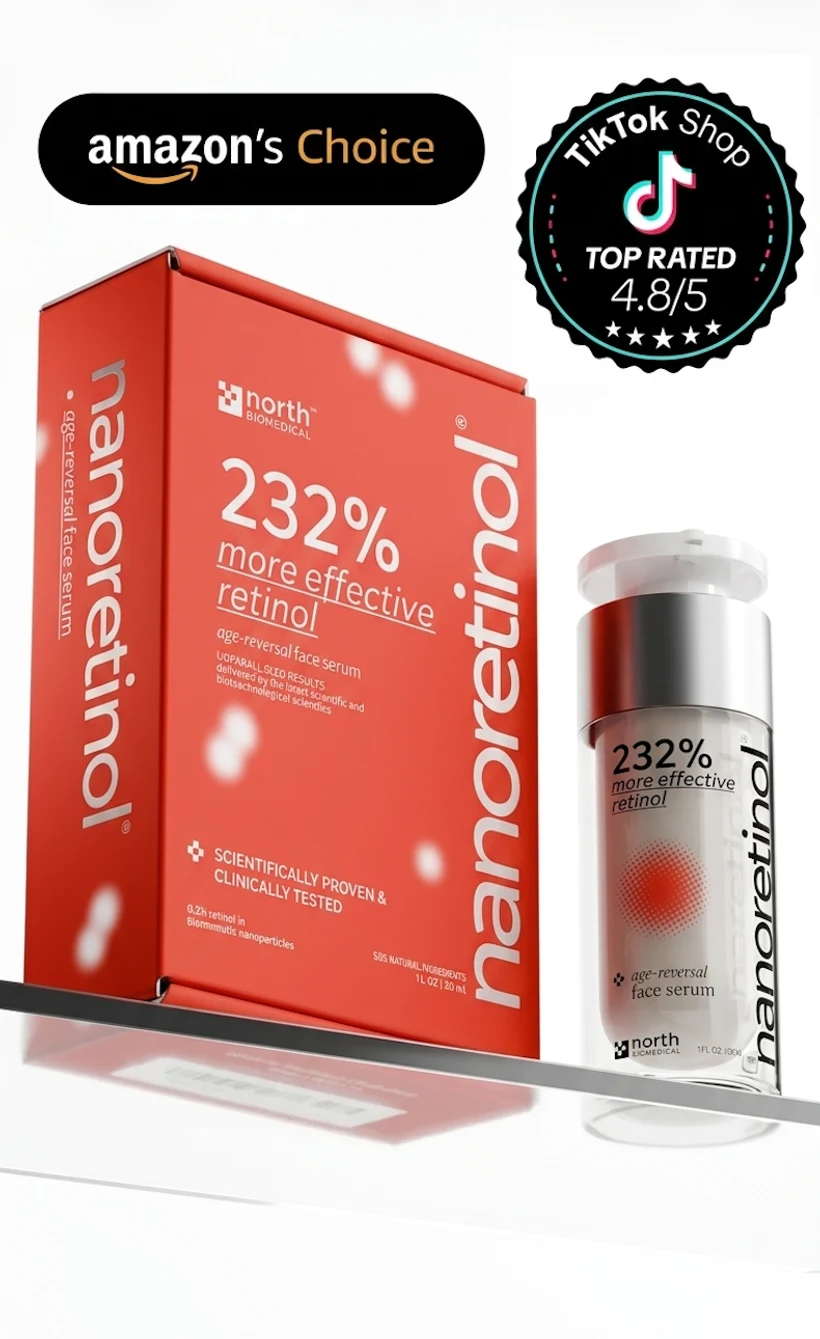
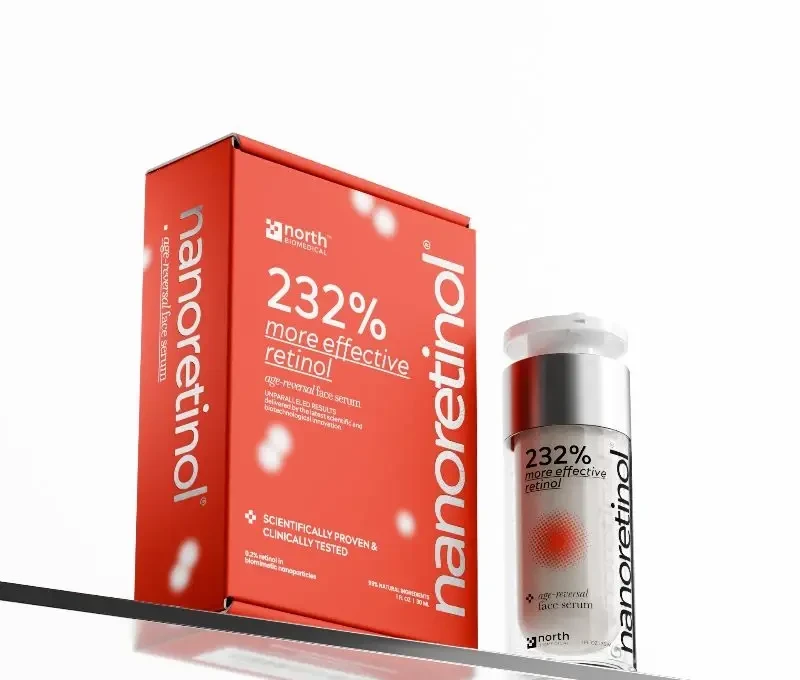
This is where Nanoretinol fits a flooding routine naturally. It is a water-based, gel-textured retinol encapsulated in biomimetic lipid nanoparticles, designed to pass through the skin barrier without breaking it down the way traditional formulations do. Because it is 99% natural ingredients and water-based rather than petroleum-based, it layers into a hydration-first routine instead of fighting it — you get the surface plumpness of flooding tonight and the structural benefits of retinol over time, without choosing between them.
Pair it with the hyaluronic acid step a few nights a week, seal as usual, and you have a routine that addresses both the symptom and the cause.
The Takeaway
Skin flooding is not a gimmick — it is a sensible application of how the skin’s surface holds water. Apply humectants to damp skin, keep the layers thin, and always seal. Do that, and you fix the dullness and tightness that no single serum could solve on its own. Then let a gentle, well-delivered retinol handle the slower work of keeping that skin firm for the long haul.
References
- Batt MD, Fairhurst E. “Hydration of the stratum corneum.” International Journal of Cosmetic Science. 1986;8(6):253-264. doi:10.1111/j.1467-2494.1986.tb00583.x
- Chen HJ, Lee PY, Chen CY, et al. “Moisture retention of glycerin solutions with various concentrations: a comparative study.” Scientific Reports. 2022;12:10232. doi:10.1038/s41598-022-13452-2
- Pavicic T, Gauglitz GG, Lersch P, et al. “Efficacy of cream-based novel formulations of hyaluronic acid of different molecular weights in anti-wrinkle treatment.” Journal of Drugs in Dermatology. 2011;10(9):990-1000. PMID:22052267
- Griffiths CE, Russman AN, Majmudar G, et al. “Restoration of collagen formation in photodamaged human skin by tretinoin (retinoic acid).” New England Journal of Medicine. 1993;329(8):530-535. doi:10.1056/NEJM199308193290803
- Kafi R, Kwak HS, Schumacher WE, et al. “Improvement of naturally aged skin with vitamin A (retinol).” Archives of Dermatology. 2007;143(5):606-612. doi:10.1001/archderm.143.5.606