Your Skin Barrier Is Probably Damaged — Here's What That Means and How to Fix It
The stratum corneum is your skin's frontline defense, and once it breaks down, everything from dryness to irritation gets worse
What Your Skin Barrier Actually Is
Most people think of their skin as a solid wall. It isn’t — it’s a two-layer system, and understanding both layers changes how you approach repairing it when something goes wrong.
Layer one is the stratum corneum: the outermost layer of skin, composed of dead, flattened cells called corneocytes embedded in a lipid matrix made up primarily of ceramides, free fatty acids, and cholesterol. This is the classic “brick and mortar” architecture — corneocytes are the bricks, the lipid matrix is the mortar.
Layer two sits just beneath: a network of tight junctions in the stratum granulosum, composed of claudin and occludin proteins that form a secondary sealing layer between skin cells [4]. These tight junctions regulate what passes through the skin in both directions — retaining water and blocking irritants, allergens, and pathogens. When both layers are functional, skin performs well. When either is compromised, problems cascade through the whole system. That cascade is also why the anti-wrinkle serum you choose for sensitive skin has to respect the barrier before it delivers an active.
What a Damaged Barrier Looks and Feels Like
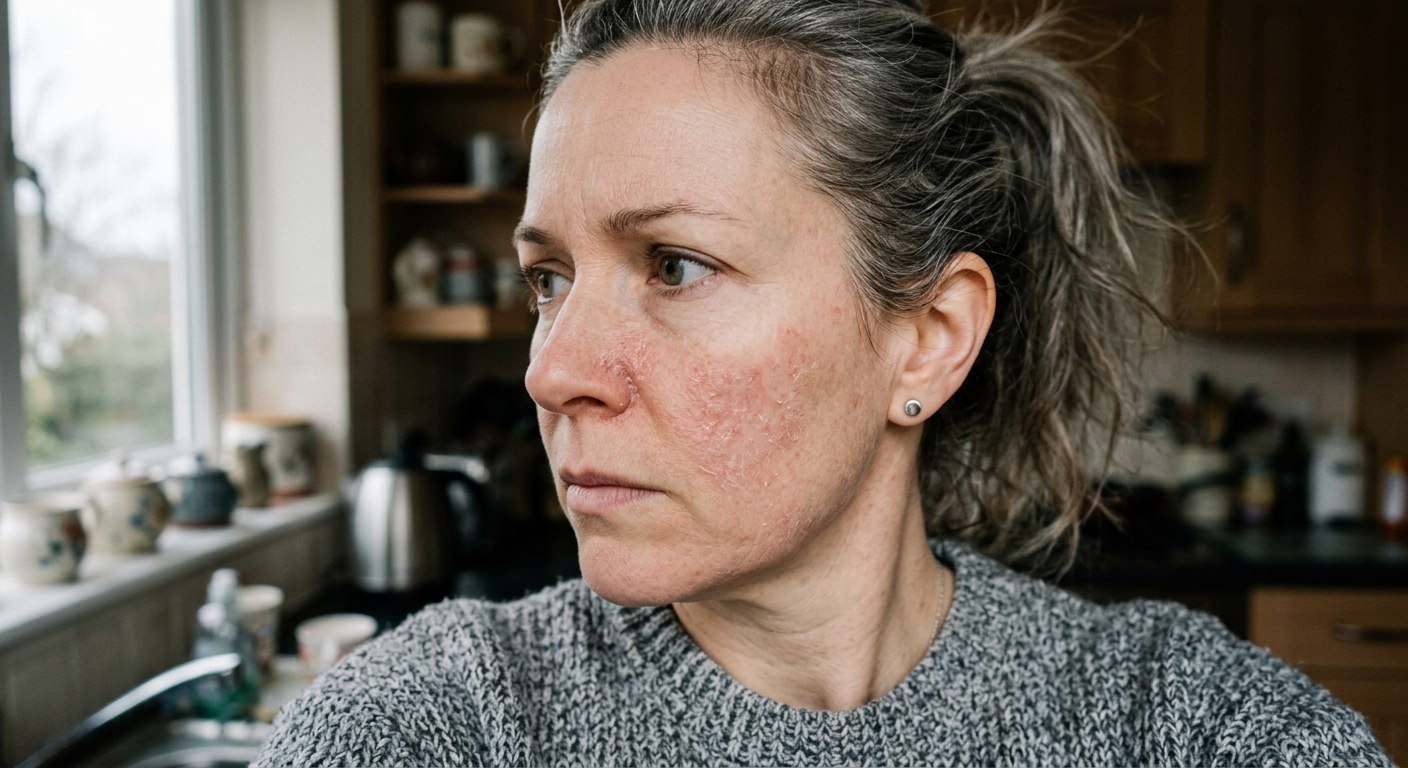
A compromised skin barrier isn’t a formal diagnosis — it’s a functional state that presents recognizably:
- Persistent tightness or discomfort, even after moisturizing
- Redness or blotchiness that wasn’t there before
- Stinging or burning from products that previously felt fine
- Heightened sensitivity and reactions to previously tolerated ingredients
- Flaking or roughness that doesn’t resolve with standard moisturizer (unlike moisturizer pilling, which appears as product rolls during rubbing)
- A sense that the skin is never quite balanced, regardless of what you apply
The technical measurement is transepidermal water loss (TEWL) — the rate at which water evaporates through the skin surface. A damaged barrier loses water faster than a healthy one, which is why dehydration is typically the first visible symptom. Reversing that usually starts at the sink, with the right face wash for dry skin. In men, repeated shaving is a major and often unrecognised source of that damage, which shapes the choice of the best face moisturizer for men.
Why Women 40+ Are Particularly Vulnerable
Barrier function doesn’t remain static with age — it declines measurably. A 2014 study that took in vivo biophysical skin measurements across age cohorts [3] found that TEWL, skin hydration, and barrier recovery speed all worsened with increasing age across multiple body sites.
The biochemical explanation is well-documented. A 2020 comprehensive review [2] found that intrinsic aging reduces the activity of lipid synthesis enzymes in the skin, leading to decreased ceramide production, altered fatty acid ratios, and slower barrier recovery after injury. After menopause, declining estrogen accelerates this lipid depletion, leaving the stratum corneum structurally thinner and less effective as a seal.
One foundational study [1] directly measured ceramide and total lipid content in stratum corneum samples across age groups, confirming that lipid levels decline significantly with age regardless of season or climate. The barrier doesn’t just feel thinner — it is thinner, at the molecular level. Rebuilding it is a matter of supplying the right lipids in the right order, which is how our skin care routine for dry skin is structured.
This matters because it explains a common experience: skincare products that were well-tolerated in your thirties begin causing irritation in your forties or fifties. The buffer that once absorbed the surfactants in your cleanser, the acids in your toner, or the first weeks of a retinol introduction has been chemically reduced.
What Damages the Skin Barrier Beyond Aging
Age sets the baseline vulnerability, but several common skincare behaviors accelerate the damage:
It isn’t — it’s a two-layer system, and understanding both layers changes how you approach repairing it when something goes wrong.
Over-cleansing with harsh surfactants. Surfactants remove sebum and lipids from the skin surface — which is the intended function — but aggressive formulations or twice-daily use with strong cleansers also strip stratum corneum ceramides before they can replenish overnight. Surfactant strength is only half the story: an alkaline cleanser also pushes your surface skin pH upward, which switches off the very enzymes that rebuild those ceramides. Your tap water matters here too, because calcium makes anionic surfactants deposit on skin instead of rinsing away, an effect covered in our guide to hard water and skin. Below the neck the same rule applies, and our guide to the best body wash for dry skin walks through the surfactant options. If your face stings after washing, the label checks in our guide to the best face wash for sensitive skin narrow the shelf quickly, and a mild hyaluronic acid cleanser is one of the gentler options on it.
Over-exfoliation. Chemical exfoliants (AHAs, BHAs) and physical scrubs increase cell turnover, which has real benefits in moderation. Too frequent use disrupts tight junctions and depletes the lipid matrix faster than it can regenerate, particularly in aging skin where lipid synthesis is already slower [2]. If exfoliation is the step you are not willing to drop, our guide to a gentle exfoliator for sensitive skin ranks the options by how fast each molecule arrives. Powered cleansing devices get blamed for this more often than they deserve, and our guide to the face cleansing brush separates the mechanical question from the surfactant one.
Retinoid introduction without barrier support. Retinoids are among the most effective anti-aging actives available, but their conventional delivery mechanism involves partial barrier disruption. Starting at too high a concentration, or on a barrier that’s already compromised, amplifies the irritation response significantly.
Environmental factors. Cold, dry air raises TEWL by lowering ambient humidity. UV exposure damages tight junction proteins directly. Pollution generates oxidative stress that impairs ceramide synthesis [1]. Low humidity also amplifies the skin’s proliferative response to an already-disrupted barrier, which is why winter is disproportionately hard on compromised skin — see what a humidifier actually changes. Heat is the more surprising case: habitual sauna users recover barrier function faster than non-users, and the sauna skin benefits evidence explains where the real risks sit. The seasonal mechanics behind that winter penalty are set out in dry skin in winter.
How to Actually Repair It
Repairing a damaged skin barrier requires two things simultaneously: stopping the ongoing damage and supplying the materials for structural repair, ideally with a calming beta glucan serum keeping skin comfortable while it rebuilds and a panthenol cream supplying the vitamin B5 the skin uses to make its own barrier lipids.
Ceramides: The Core Structural Component
Ceramides constitute approximately 50% of the lipid content in the stratum corneum. They are the most critical structural element of the lipid matrix, and their depletion is the central event in most cases of barrier compromise. Choosing well matters here, and our best ceramide moisturizer guide explains why an incomplete lipid blend can slow recovery down. Front-of-pack authority claims do not help you make that call, as our guide to the dermatologist recommended moisturizer label explains.
A 2021 qualitative review of clinical evidence [6] found that topical ceramide-containing formulations consistently reduced TEWL and improved skin hydration across multiple studies and formulation types. The mechanism is direct: applying exogenous ceramides replenishes the lipid matrix, restoring the mortar between the corneocyte bricks. A silicone film does something quite different — it shelters the surface without rebuilding anything, which our guide to dimethicone for skin sets out.
Formulations that combine ceramides with free fatty acids and cholesterol in approximately physiologic ratios, a test worth applying to any ceramide serum you buy, outperform ceramides alone, because they replicate the full lipid composition of healthy stratum corneum rather than supplementing just one component. Linoleic acid is one of those essential free fatty acids, which is why a high-linoleic plant oil such as sunflower oil can help resupply what a depleted barrier is missing. The same fatty-acid logic drives our guide to the best cleansing oil, since an oleic-rich oil can perturb the barrier a linoleic-rich one protects.
Niacinamide: Stimulating Your Own Synthesis
Niacinamide (vitamin B3) does something ceramide creams cannot: it stimulates the skin to synthesize its own ceramides. A study published in the British Journal of Dermatology [5] found that topical nicotinamide increased biosynthesis of ceramides, free fatty acids, and cholesterol in cultured keratinocytes, with direct improvements in epidermal permeability barrier function. That also makes it one of the few well-evidenced actives in a face moisturizer for sensitive skin.
This makes niacinamide particularly valuable for sustained barrier restoration, not just acute symptom relief. At concentrations of 2–5%, it is well tolerated by most skin types, including those actively recovering from barrier disruption. It also addresses uneven skin tone as a secondary benefit — particularly relevant since hyperpigmentation and barrier compromise often appear together in aging skin.
What to Temporarily Pause
While the barrier is actively compromised, reduce or eliminate:
It’s a recovery window — typically 2–4 weeks — after which previously tolerated ingredients can generally be reintroduced, often with better results than before because the barrier is functioning properly.
- Exfoliating acids (AHAs, BHAs, PHAs)
- High-concentration vitamin C serums, which can be acidic and sensitizing on damaged skin
- Alcohol-containing toners
- New or unproven actives
This isn’t permanent. It’s a recovery window — typically 2–4 weeks — after which previously tolerated ingredients can generally be reintroduced, often with better results than before because the barrier is functioning properly.
Retinol, Barrier Health, and Delivery Technology
The relationship between retinol and the skin barrier is more nuanced than the common framing of “retinol damages your barrier.”
Used consistently and correctly, retinol ultimately strengthens skin: it stimulates collagen synthesis, increases epidermal thickness, and improves the structural resilience of the dermis. The thin skin article covers this collagen dimension in detail. The challenge is the short-term mechanism — conventional retinol relies on partial barrier disruption to penetrate the epidermis, which creates a vulnerability window during the adjustment period.
For a barrier that’s already compromised, this short-term disruption can be prohibitive. Irritation accumulates, sensitivity increases, and many users reduce frequency or stop entirely — which means losing the long-term benefits just when the skin needed them most.
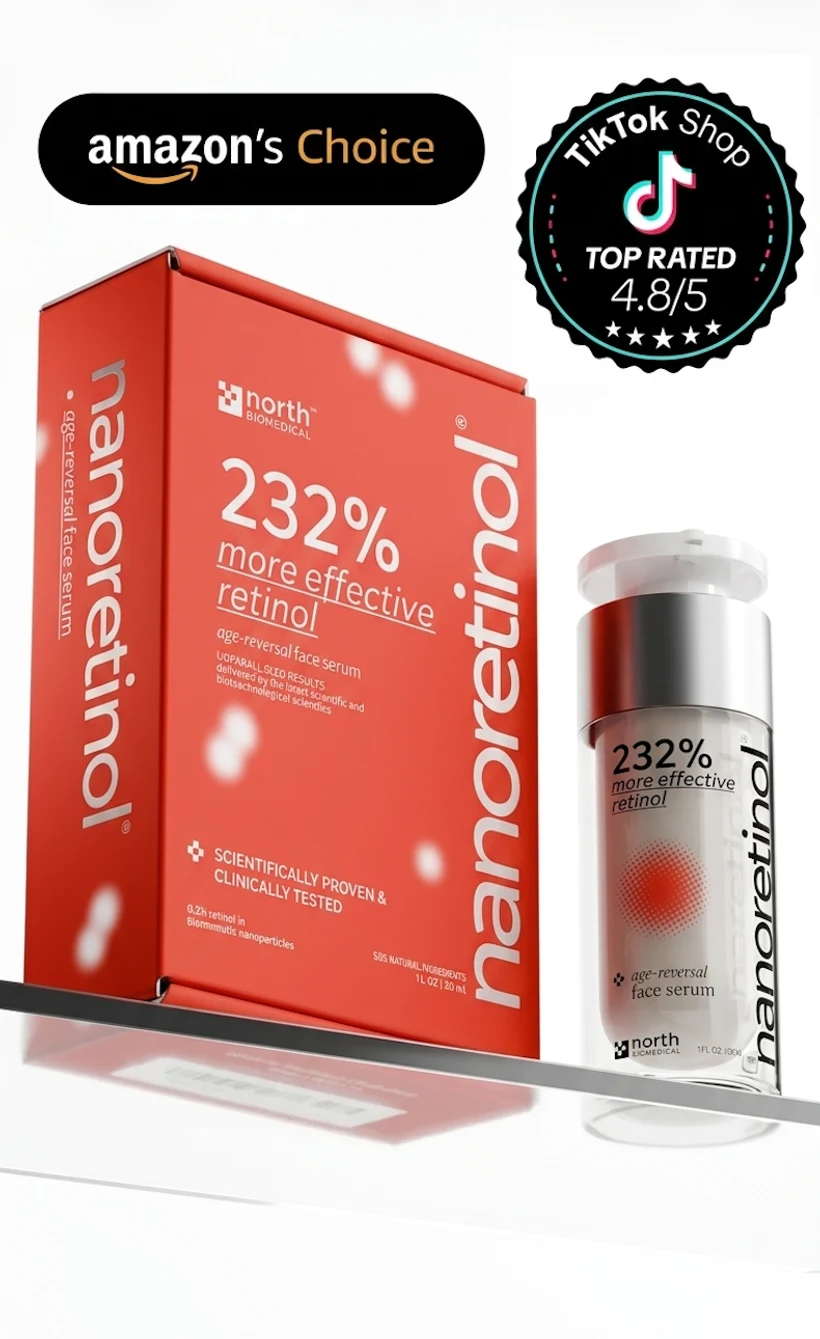
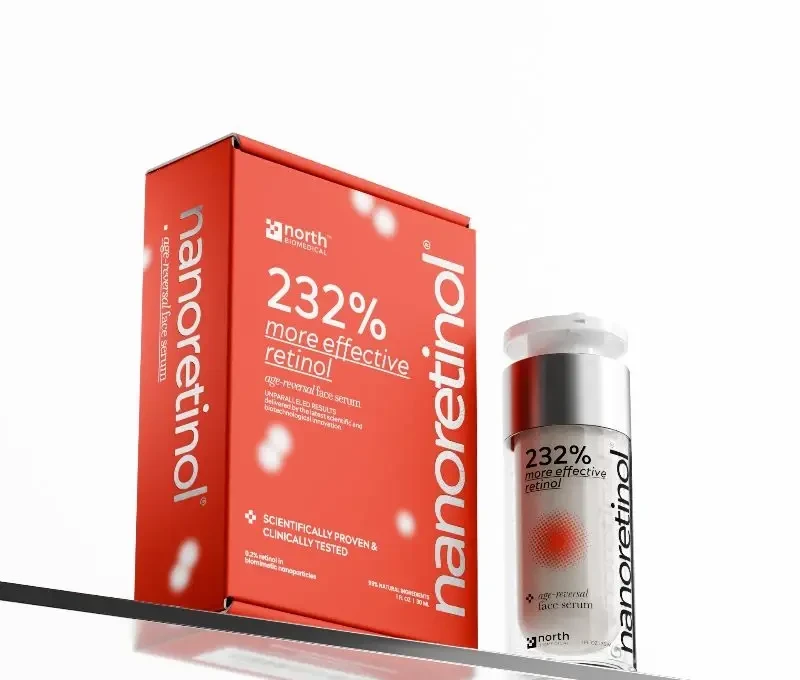
This is where delivery technology changes the clinical calculus. Nanoretinol encapsulates retinol in biomimetic lipid nanoparticles — structures that the skin recognizes as compatible with its own membrane architecture. Rather than forcing entry through barrier disruption, the nanoparticles are absorbed through the epithelial barrier intact. The skin receives the retinol payload without the surface inflammatory response.
Clinical data shows Nanoretinol produces 232% more collagen recovery and 73% more elastin recovery compared to conventional retinol, with significantly reduced cytotoxicity. For a compromised or sensitive barrier, this means retinol’s anti-aging benefits become accessible without the irritation that would otherwise make consistent use impossible. More on the delivery mechanism is in the Nanoretinol guide.
A Practical Recovery Protocol
For a skin barrier in active distress, sequence matters:
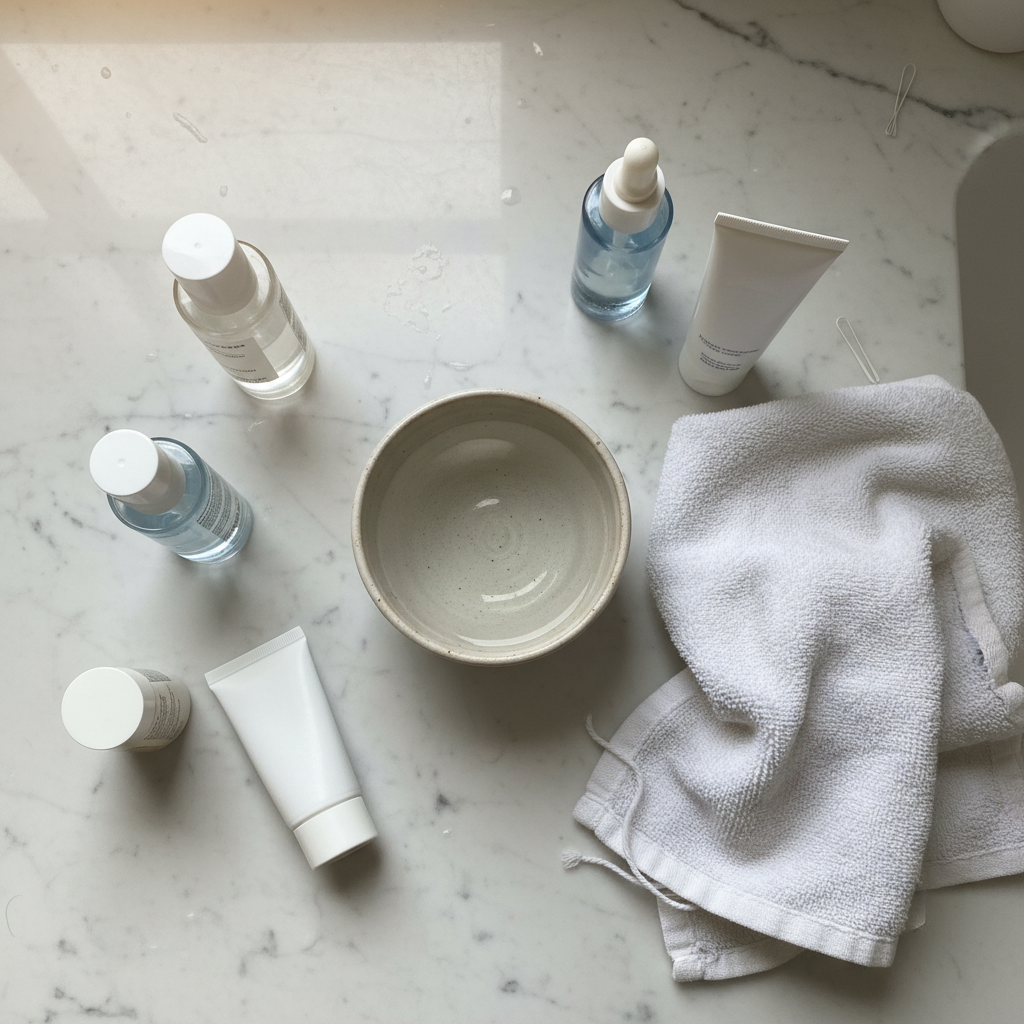
- Switch to a fragrance-free, low-surfactant cleanser. Micellar water or a non-foaming cream cleanser that removes makeup without stripping the lipid matrix. Confirming a product is genuinely fragrance-free matters more here than the cleanser format.
- Apply a ceramide-rich moisturizer while skin is still slightly damp. This traps surface water before TEWL removes it.
- Add niacinamide at 2–5% during the day to stimulate ceramide biosynthesis.
- Hold all exfoliants and high-pH actives for 2–4 weeks minimum.
- Reintroduce retinoids slowly once burning and tightness have resolved — starting with a low concentration, or with a nanoparticle formulation that minimizes barrier disruption.
How Long Does Barrier Repair Take?
For mild to moderate damage, 2–4 weeks of barrier-focused care typically stabilizes visible symptoms. Full normalization of TEWL and lipid composition can take 4–8 weeks depending on the severity of the initial disruption and the baseline lipid synthesis rate — which declines with age.
For women 40 and older, barrier maintenance becomes an ongoing practice rather than a one-time repair. The underlying lipid synthesis enzymes are running slower, so the structural inputs — ceramides externally, niacinamide to stimulate internal synthesis — need to be consistent fixtures in the routine rather than occasional treatments.
The barrier is not the most exciting part of a skincare regimen. But it is the most foundational. A barrier that is functioning well makes every other ingredient you use work better — retinol is more tolerable, vitamin C is less irritating, exfoliants produce cleaner results without the inflammation. Everything performs better when the surface it’s working on is intact.
If you are still unsure whether you are dealing with a damaged barrier or genuinely reactive skin, the sensitive skin care routine explains how the two are told apart clinically.
Where to Go From Here
Barrier repair is the prerequisite for everything else. If your skin is reactive, tight, or perpetually dehydrated, fixing the barrier is not a detour from your anti-aging goals — it is the anti-aging work. Cleansing frequency is usually the first thing to audit, because washing more often than your skin can recover keeps the deficit open.
Once the barrier is stabilized, adding a well-formulated retinoid, a vitamin C antioxidant, and consistent SPF gives you a complete evidence-based regimen for improving skin quality, collagen density, and long-term resilience.
References
-
Rogers J, Harding C, Mayo A, Banks J, Rawlings A. “Stratum corneum lipids: the effect of ageing and the seasons.” Archives of Dermatological Research. 1996;288(12):765–770. doi:10.1007/BF02505294
-
Wang Z, Man M-Q, Li T, Elias PM, Mauro TM. “Aging-associated alterations in epidermal function and their clinical significance.” Aging (Albany NY). 2020;12(6):5551–5565. doi:10.18632/aging.102946
-
Boireau-Adamezyk E, Baillet-Guffroy A, Stamatas GN. “Age-dependent changes in stratum corneum barrier function.” Skin Research and Technology. 2014;20(4):409–415. doi:10.1111/srt.12132
-
Bäsler K, Bergmann S, Heisig M, Naegel A, Zorn-Kruppa M, Brandner JM. “The role of tight junctions in skin barrier function and dermal absorption.” Journal of Controlled Release. 2016;242:105–118. doi:10.1016/j.jconrel.2016.08.007
-
Tanno O, Ota Y, Kitamura N, Katsube T, Inoue S. “Nicotinamide increases biosynthesis of ceramides as well as other stratum corneum lipids to improve the epidermal permeability barrier.” British Journal of Dermatology. 2000;143(3):524–531. doi:10.1111/j.1365-2133.2000.03705.x
-
Kono T, Miyachi Y, Kawashima M. “Clinical significance of the water retention and barrier function-improving capabilities of ceramide-containing formulations: A qualitative review.” The Journal of Dermatology. 2021;48(12):1807–1816. doi:10.1111/1346-8138.16175