Rosacea Skincare: How to Build a Routine That Calms Your Skin Instead of Making It Worse
Why rosacea-prone skin overreacts to most products, which ingredients are clinically proven to help, and how to introduce retinol safely
Why Rosacea Makes Skincare So Difficult
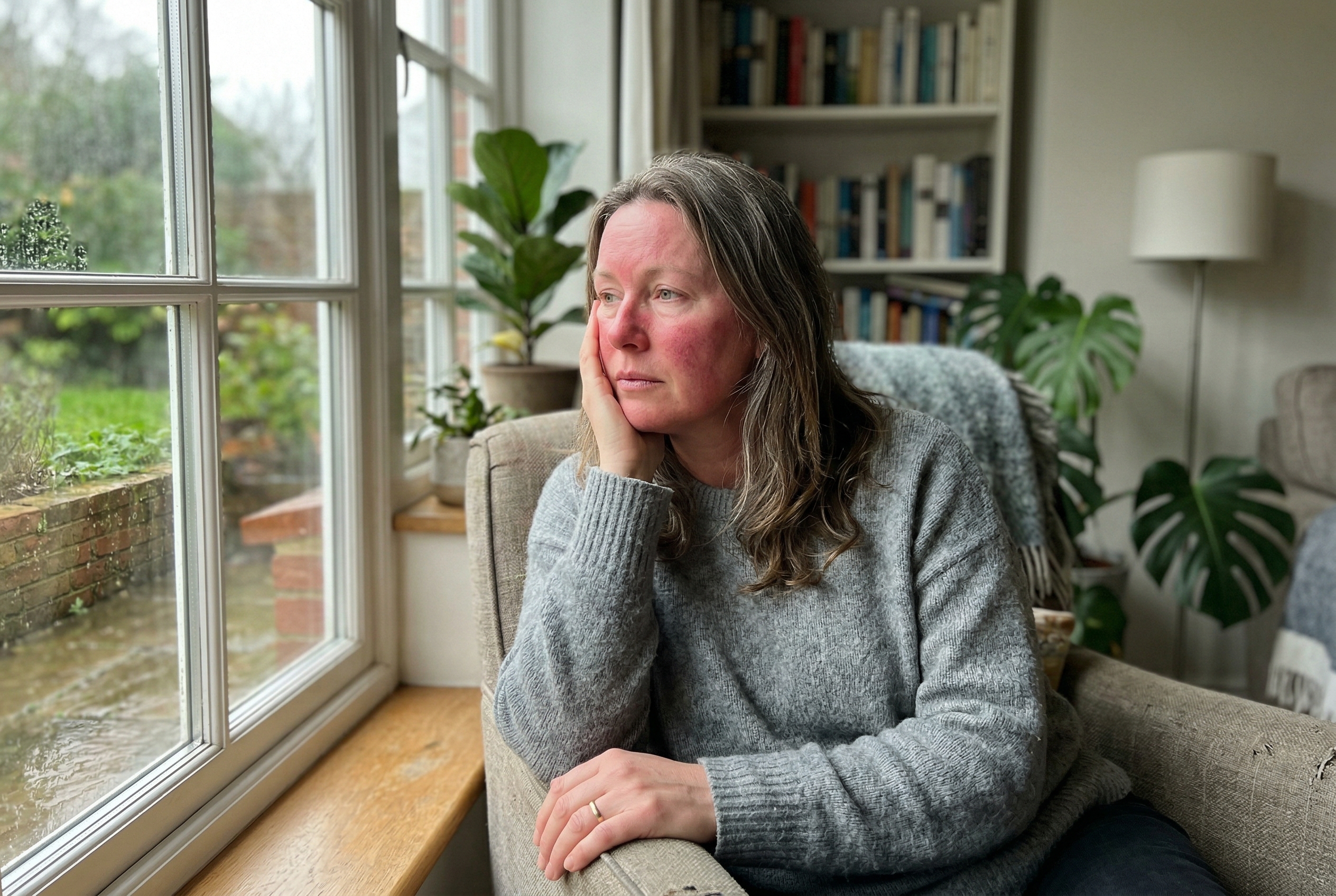
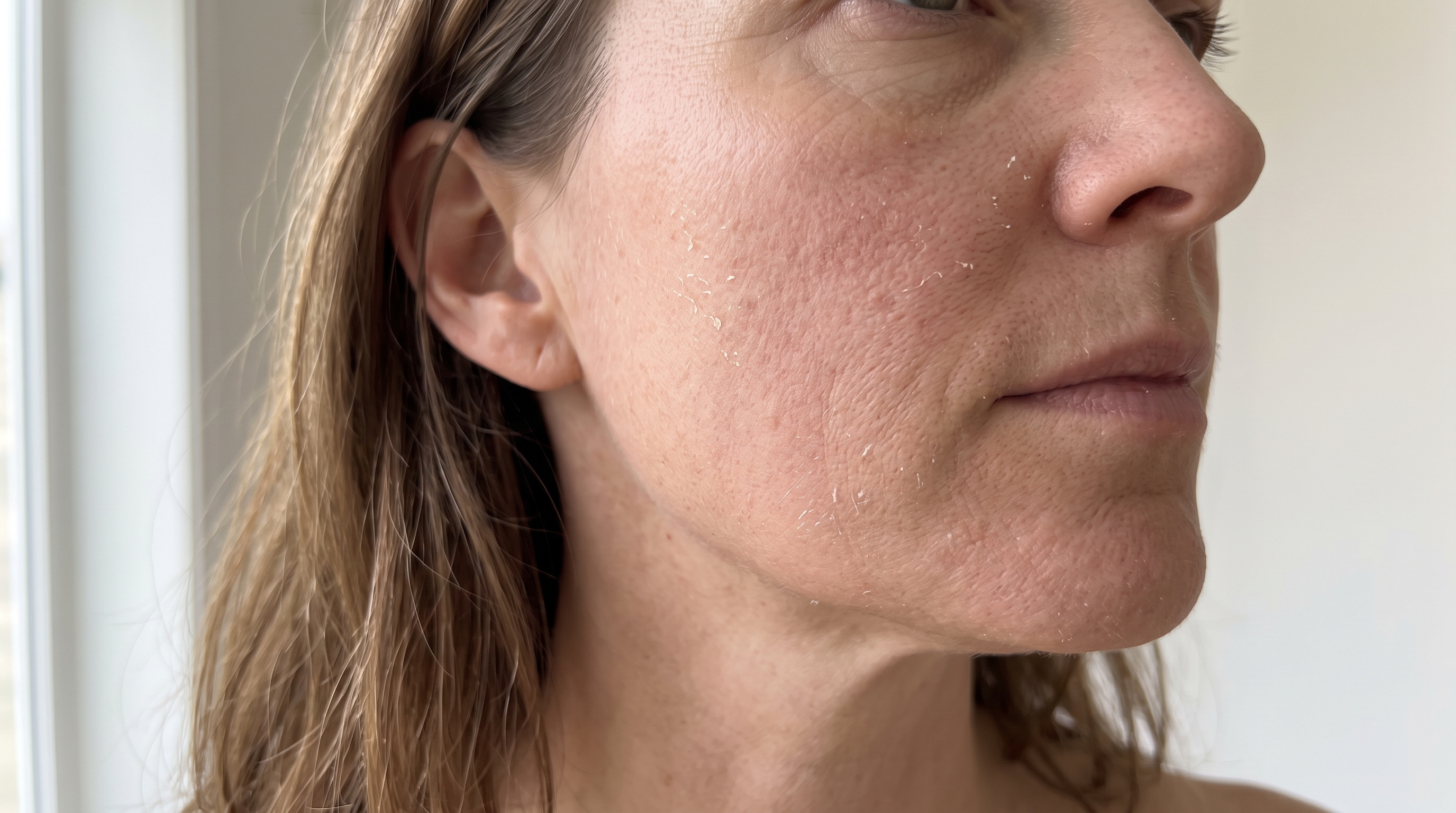
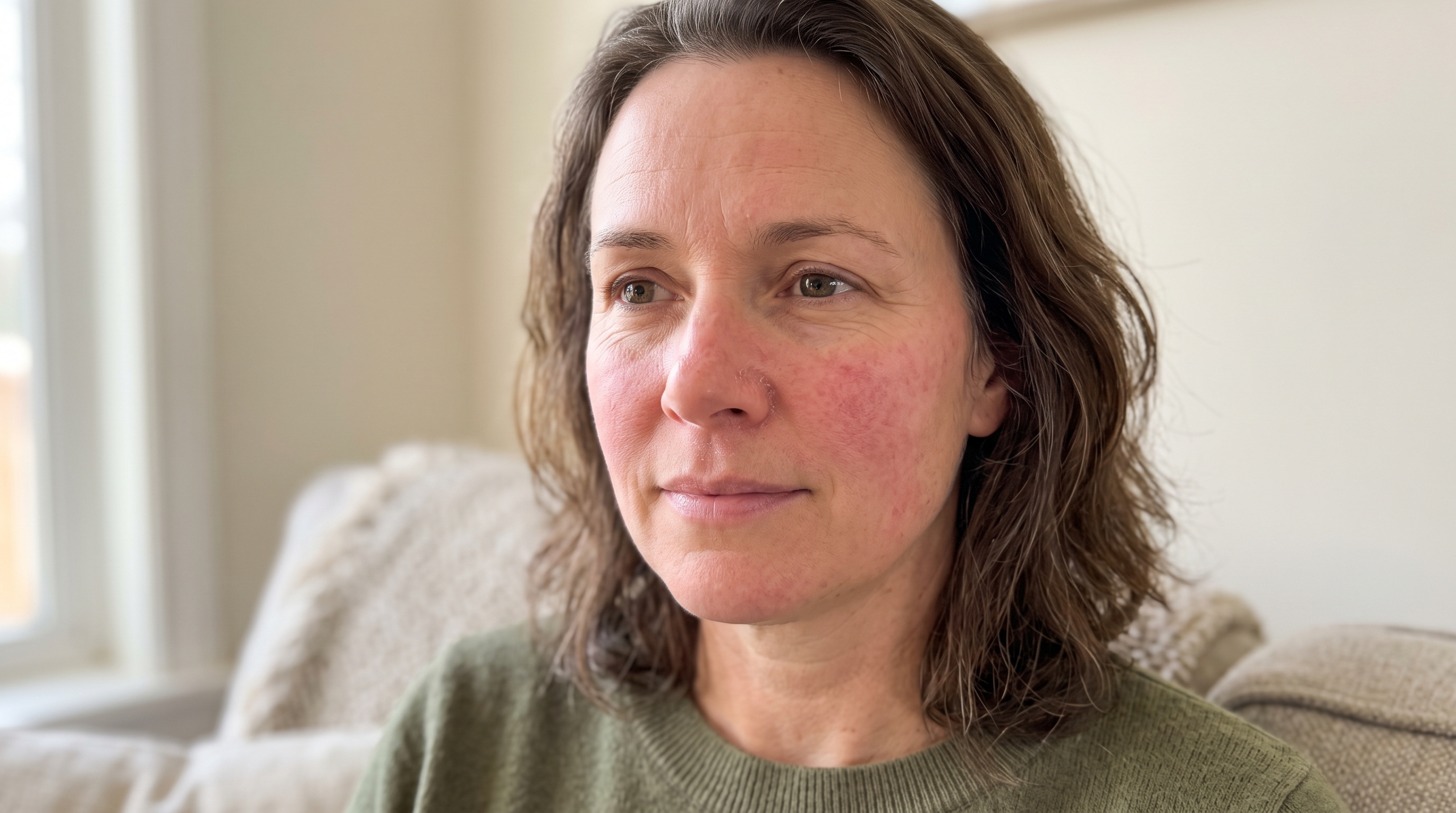
Rosacea isn’t just redness — it’s a chronic inflammatory condition rooted in a dysfunctional innate immune system. Research published in the Journal of Investigative Dermatology demonstrated that rosacea involves abnormal processing of cathelicidin, an antimicrobial peptide that’s part of the skin’s first-line defense [1]. In rosacea-affected skin, cathelicidin is overproduced and improperly cleaved into inflammatory fragments that trigger blood vessel dilation, redness, and papule formation.
This means your skin isn’t just sensitive — it’s primed to overreact. Ingredients that healthy skin tolerates without issue can trigger a cascade of inflammation in rosacea-prone skin. The barrier function is compromised, transepidermal water loss (TEWL) is elevated, and the threshold for irritation is dramatically lower than normal [2].
Understanding this biology matters because it changes how you approach skincare. The goal isn’t aggressive treatment — it’s careful calibration. Every product you add to your routine either calms this overactive immune response or risks amplifying it.
Ingredients Proven to Help Rosacea
Azelaic Acid: The Dermatologist’s First Choice
Azelaic acid at 15–20% concentration is one of the most thoroughly studied topical treatments for papulopustular rosacea. It works through multiple mechanisms: anti-inflammatory action, normalization of keratinocyte proliferation, and antimicrobial effects against Demodex-associated bacteria [3]. Unlike many anti-inflammatory ingredients, azelaic acid is well-tolerated by rosacea-prone skin — in fact, it’s one of the few active ingredients that improves rosacea without triggering irritation in most patients.
Niacinamide: The Barrier Builder
Niacinamide at 2–5% has shown particular promise for rosacea management. A comprehensive review of niacinamide’s mechanisms found it strengthens the skin barrier by boosting ceramide and fatty acid synthesis, reduces inflammatory mediator production, and decreases TEWL [4]. For rosacea-prone skin with inherent barrier dysfunction, niacinamide addresses the foundational problem rather than just the symptoms.
Niacinamide’s sebum-regulating properties provide an additional benefit: it reduces the oily congestion that can contribute to papulopustular flares without the drying effect of conventional astringents [4].
Centella Asiatica: The Calming Extract
This botanical extract has been used for wound healing for centuries, and modern research confirms its anti-inflammatory properties through inhibition of NF-κB signaling [5]. For rosacea, centella asiatica helps calm the chronic low-grade inflammation that keeps blood vessels dilated and skin reactive.
Ceramides and Cholesterol
Repairing the compromised skin barrier is arguably the single most impactful intervention for rosacea management. Moisturizers containing physiological lipids — ceramides, cholesterol, and free fatty acids in the ratio they naturally occur in healthy stratum corneum — have been shown to reduce TEWL and improve subjective symptoms in rosacea patients [2].
Ingredients to Approach With Extreme Caution
Fragrance — Both synthetic and natural fragrances are among the most common rosacea triggers. Eliminate them completely from every product in your routine. Doing that reliably is harder than it sounds, and our guide to fragrance-free skincare explains which label terms actually mean what they claim.
Azelaic acid at 15–20% concentration is one of the most thoroughly studied topical treatments for papulopustular rosacea.
Alcohol (denatured) — Immediate barrier disruption and increased TEWL. Check ingredient lists for alcohol denat., SD alcohol, and isopropyl alcohol.
Menthol, camphor, peppermint — These “cooling” ingredients actually stimulate sensory nerve fibers that trigger vasodilation and flushing in rosacea-prone skin.
High-concentration AHAs (>10%) — Glycolic acid and lactic acid at high concentrations can overwhelm compromised rosacea barriers. Low concentrations (5–8%) may be tolerable for some, but introduce carefully.
Benzoyl peroxide — While effective against acne, it’s typically too irritating for rosacea-prone skin and can trigger persistent redness.
The Retinol Question: Can You Use It With Rosacea?
This is where the conversation gets nuanced. Retinoids are among the most powerful tools for skin renewal, collagen stimulation, and texture improvement — all things rosacea-affected skin could benefit from. A systematic review and meta-analysis found that retinoids, particularly isotretinoin, show promising outcomes for papulopustular rosacea treatment [6]. The anti-inflammatory and cell-normalizing effects of retinoids can actually help manage certain aspects of rosacea.
The problem has never been retinol itself — it’s been the delivery vehicle. Conventional retinol formulations rely on penetration enhancers that dissolve barrier lipids to force the active ingredient through the stratum corneum. For rosacea-prone skin with an already-compromised barrier, this delivery mechanism creates exactly the kind of irritant stress that triggers flares: redness, burning, peeling, and increased sensitivity [6].
This creates a paradox: the ingredient that could help is packaged in a way that hurts.
How Nanoretinol® Changes the Equation for Rosacea-Prone Skin
The key innovation of Nanoretinol® is its delivery mechanism. Rather than forcing retinol through the barrier using chemical disruption, biomimetic lipid nanoparticles pass through the epithelial barrier because the body recognizes them as its own biological structures [7]. No barrier damage. No chemical irritation. No inflammatory cascade.
At 0.2% retinol in a 99% natural, water-based formulation, Nanoretinol® eliminates the petroleum derivatives and harsh solvents that traditional retinol products use to break through the skin barrier.
For rosacea-prone skin, this distinction is critical. The clinical data shows that Nanoretinol® achieves +232% greater collagen recovery than conventional retinol while demonstrating significantly reduced cytotoxicity [7]. Those aren’t just performance numbers — the reduced cytotoxicity means the treatment respects the barrier integrity that rosacea patients fight so hard to maintain.
At 0.2% retinol in a 99% natural, water-based formulation, Nanoretinol® eliminates the petroleum derivatives and harsh solvents that traditional retinol products use to break through the skin barrier. The lipid nanoparticle delivery system provides a restorative effect at the cellular level, effectively delivering the benefits of retinoid therapy without the barrier compromise that makes conventional retinol intolerable for rosacea skin.
Building a Rosacea-Safe Skincare Routine
Cleanser: Gentle, fragrance-free, non-foaming. Micellar water, a cream-based cleanser that doesn’t strip lipids, or a mild azelaic acid cleanser if it doesn’t sting. Water temperature matters — lukewarm only.
Treatment (AM): Azelaic acid 15–20% or niacinamide 4–5% serum. Start with one, not both. If using azelaic acid, apply to completely dry skin to minimize stinging.
Moisturizer: Ceramide-rich, fragrance-free barrier repair cream. Apply liberally. This isn’t optional — it’s therapeutic.
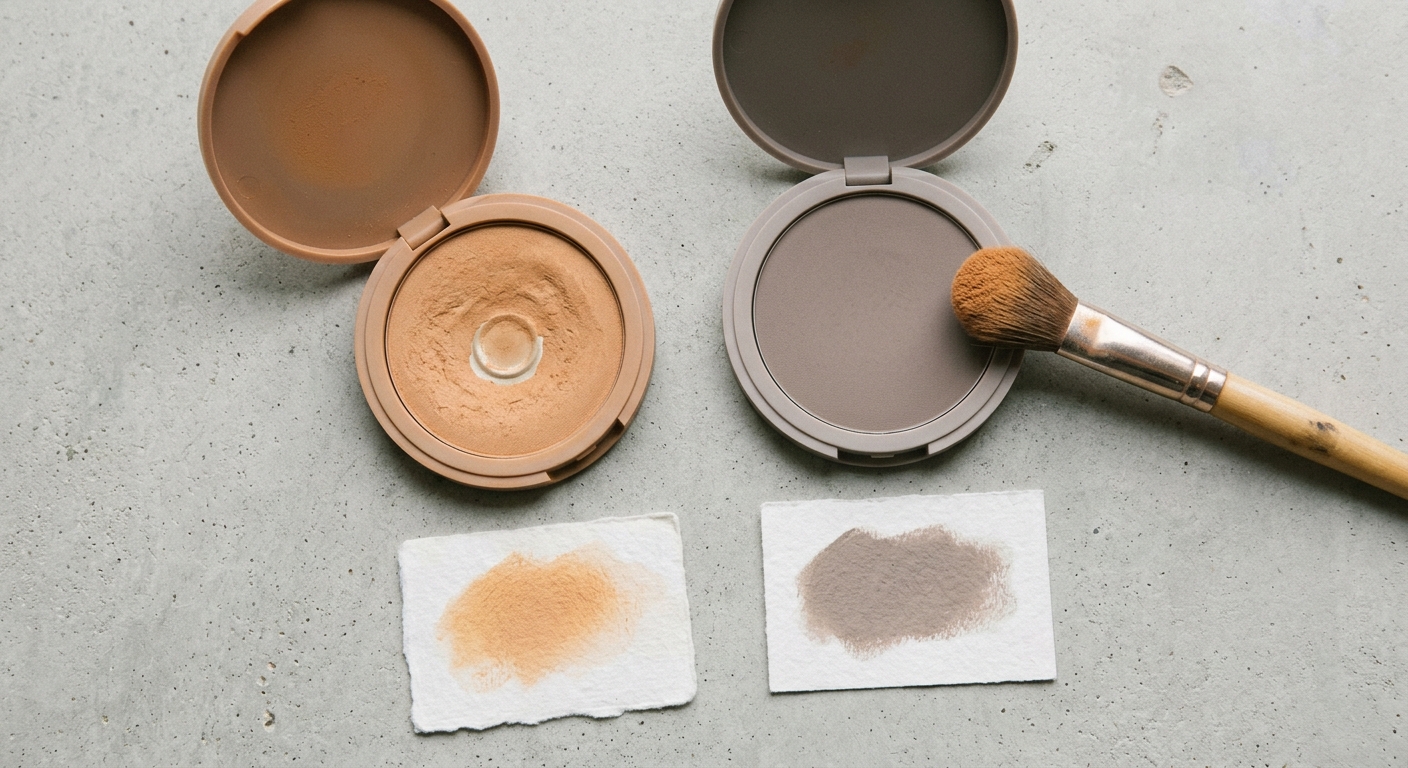
Sunscreen: Mineral-only (zinc oxide, titanium dioxide) at SPF 30+. Chemical sunscreen filters like oxybenzone and avobenzone can trigger flushing in rosacea-prone skin. Tinted mineral sunscreens provide the added benefit of visible redness coverage.
Treatment (PM): Start with barrier repair only for the first 2–4 weeks. Then introduce retinol at low concentration (0.2–0.3%), applied over moisturizer (not under), two nights per week. Gradually increase frequency as tolerance builds.
What not to do: Don’t layer multiple actives. Don’t skip moisturizer “because it feels heavy.” Don’t use physical scrubs. Don’t switch products frequently — give each new addition at least 4 weeks before evaluating.
Managing Flares
Even with the best routine, rosacea will flare. Common triggers include temperature extremes, alcohol, spicy food, emotional stress, and intense exercise. When a flare occurs:
- Strip your routine to cleanser + moisturizer + sunscreen only
- Apply cool (not cold) compresses to reduce acute redness
- Avoid all actives until redness returns to baseline (typically 3–7 days)
- Reintroduce treatments one at a time, starting with the best-tolerated product
Tracking your triggers in a simple journal — what you ate, drank, and applied to your skin before each flare — builds a personal map that’s more useful than any generic list.
Much of the sequencing here applies to reactive skin generally, and the broader sensitive skin care routine covers the subtraction phase that should precede any active.
The Long Game
Rosacea is chronic, progressive if untreated, but highly manageable with the right approach. The science is clear: barrier repair, inflammation control, and careful introduction of therapeutic actives like retinoids can significantly reduce symptoms and improve skin quality over time [1][2][6].
The women who manage rosacea most successfully share a common trait — patience. They resist the urge to try aggressive treatments, they maintain their barrier-focused routine even when skin looks good, and they treat flares as temporary setbacks rather than failures. With consistent, science-informed care, rosacea-prone skin can be resilient, comfortable, and genuinely healthy.
References
- Yamasaki K, Gallo RL. “Rosacea as a disease of cathelicidins and skin innate immunity.” J Investig Dermatol Symp Proc. 2011;15(1):12-15. doi:10.1038/jidsymp.2011.4
- Del Rosso JQ. “A Guide to the Ingredients and Potential Benefits of Over-the-Counter Cleansers and Moisturizers for Rosacea Patients.” J Clin Aesthet Dermatol. 2011;4(8):31-40. PMID: 21909456
- Draelos ZD, et al. “Azelaic acid in the treatment of papulopustular rosacea.” Cutis. 2006;77(Suppl):3-9. PMID: 16871773
- Boo YC. “Mechanistic Insights into the Multiple Functions of Niacinamide: Implications for Skin Health and Disease.” Antioxidants. 2024;13(5):527. doi:10.3390/antiox13050527
- Sun B, et al. “Therapeutic potential of Centella asiatica and its triterpenes: A review.” Front Pharmacol. 2020;11:568032. doi:10.3389/fphar.2020.568032
- Sticchi A, et al. “Rosacea and treatment with retinoids: a systematic review and meta-analysis.” Ther Adv Chronic Dis. 2025;16:20406223251337911. PMID: 40453533
- North Biomedical LLC. “Nanoretinol® vs. Conventional Retinol: Efficacy in Collagen and Elastin Recovery.” Clinical Study Summary, 2024.