Thin Skin: Why It Happens, What Makes It Worse, and How to Rebuild Thickness
Dermal thinning is not inevitable — science shows you can measurably increase skin thickness with the right interventions
The Problem No One Talks About Until It Happens
Most skincare conversations revolve around wrinkles, dark spots, and texture. But for millions of women over 40, the more pressing concern is something less discussed: skin that has become noticeably thinner, more fragile, and prone to bruising from the lightest contact.
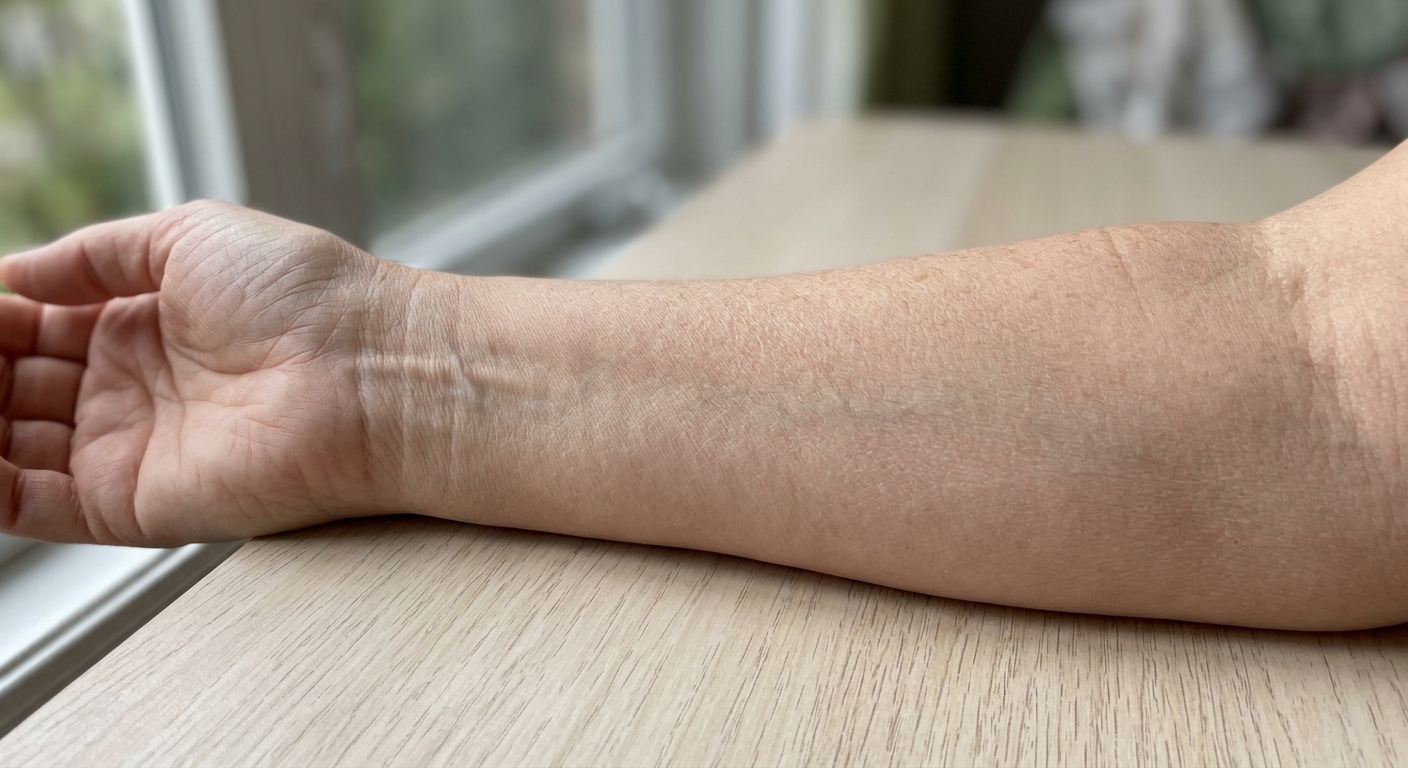
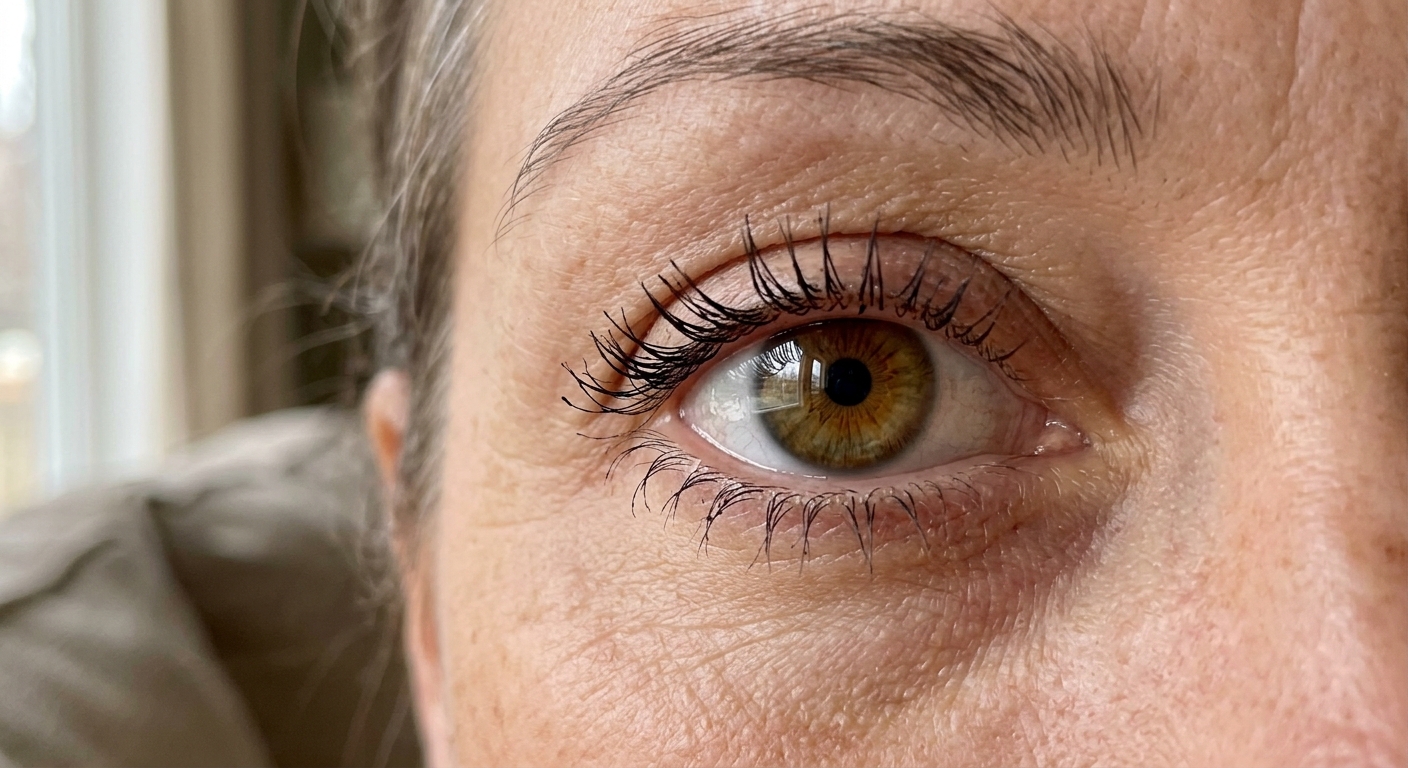
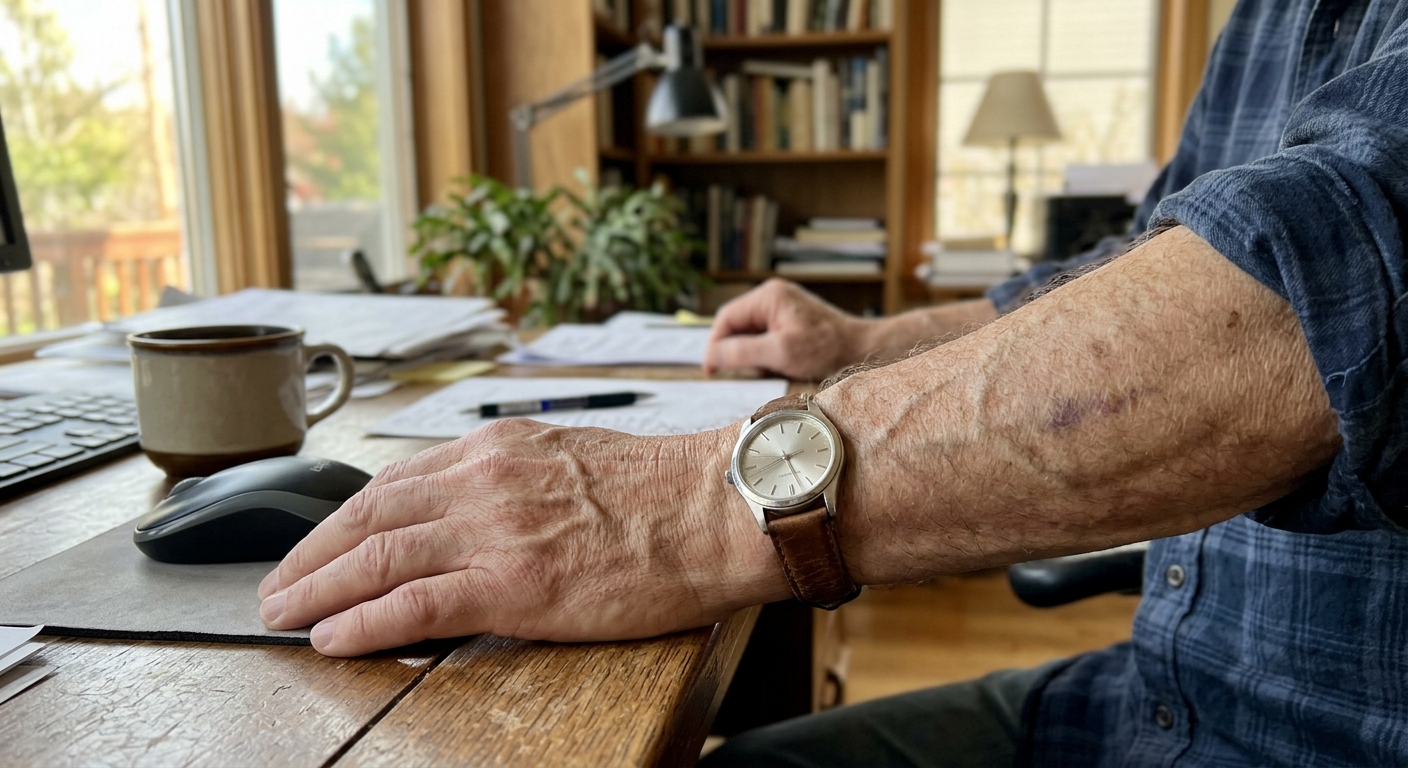
Thin skin is not a cosmetic inconvenience. It is a structural change — a measurable reduction in the dermis, the collagen-rich middle layer that gives skin its strength, resilience, and ability to resist tearing. When dermal thickness declines, you do not just see wrinkles. You see veins showing through translucent skin on your hands and forearms. You bruise from bumping a doorframe. A simple scratch leaves marks that take weeks to fade.
The good news: this is not an irreversible sentence. Clinical research demonstrates that dermal thickness can be measurably increased with targeted interventions.
What Actually Causes Skin to Thin
Skin thinning results from three converging processes, and understanding each one is essential to knowing which treatments will work.
Collagen Decline
Collagen constitutes approximately 80% of the dermis by dry weight. It is the protein that gives skin its tensile strength — its ability to resist stretching and tearing. Starting around age 25, collagen production decreases by roughly 1% per year [1]. By age 50, you have lost approximately 25% of your dermal collagen. By 70, the figure approaches 45%.
This decline is not just about producing less collagen. It is also about losing it faster. Matrix metalloproteinases (MMPs) — enzymes that break down collagen — become more active with age. In young skin, collagen synthesis and degradation are roughly balanced. In aging skin, the balance tips decisively toward destruction [2].
Estrogen Loss
For women, the most dramatic period of skin thinning coincides with menopause. Estrogen plays a direct role in collagen synthesis, and the hormonal shift of menopause accelerates collagen loss dramatically. Studies show that women lose up to 30% of their skin collagen in the first five years after menopause [3]. This is why skin thinning often seems to accelerate sharply in the late 40s and early 50s, rather than progressing at a steady rate.
Estrogen also influences the production of glycosaminoglycans (GAGs) — molecules that attract and hold water in the dermis. As GAG production declines with estrogen loss, the dermis loses both structural protein and hydration simultaneously, compounding the thinning effect.
By age 50, you have lost approximately 25% of your dermal collagen.
Cumulative UV Damage
Photoaging — skin damage from cumulative sun exposure — accelerates skin thinning in exposed areas. UV radiation upregulates MMP expression, meaning sun-exposed skin breaks down collagen faster than protected skin [4]. This is why the skin on your inner forearm (rarely exposed to sun) is typically thicker and more resilient than the back of your hand, even though both areas are the same age.
Paradoxically, severe photoaging can cause both thickening of the epidermis (the outer layer becomes rough and leathery) while the dermis beneath thins. This creates a misleading surface texture that masks the loss of structural strength underneath.
The Medications That Make It Worse
Corticosteroids are the most significant extrinsic contributor to skin thinning. Both topical and systemic corticosteroids suppress collagen synthesis and accelerate protein degradation.
Topical corticosteroid use — even at moderate potency — can cause measurable skin thinning within weeks. Long-term use of potent topical steroids reduces both epidermal and dermal thickness, creating skin that is visibly translucent and tears easily [5]. This is a particularly insidious problem because corticosteroid creams are often prescribed for inflammatory skin conditions common in older adults — eczema, psoriasis, dermatitis — meaning the populations most vulnerable to age-related thinning are also the most likely to receive medications that worsen it.
If you use topical corticosteroids and have noticed increased skin fragility, discuss alternatives with your dermatologist. Non-steroidal anti-inflammatory options and intermittent-use protocols can reduce the thinning risk.
Can You Actually Rebuild Skin Thickness?
Yes. Multiple clinical studies demonstrate that dermal thickness can be increased with topical treatments.
Retinoids: The Strongest Evidence
Retinoids are the most well-studied topical intervention for skin thinning. Their mechanism directly addresses the collagen imbalance: retinoids simultaneously stimulate new collagen synthesis and inhibit the MMPs that degrade existing collagen [6].
The irony of treating thin skin is that its compromised barrier makes it simultaneously more permeable and more reactive.
A pivotal study by Varani and colleagues applied 1% retinol to aged skin in individuals over 80 years old. After just seven days, the retinol-treated skin showed reduced MMP expression, increased fibroblast growth, and new collagen synthesis — even in severely aged skin where the collagen deficit was extreme [2]. The study demonstrated that the cellular machinery for collagen production remains functional well into old age; it simply needs the right signal to activate.
Further clinical evidence shows that 0.05% tretinoin cream applied nightly produced measurable epidermal thickening within 3 months and improvement in both fine and coarse wrinkles within 6 months [6]. Histological examination confirmed new dermal collagen formation (types I and III) accompanied by angiogenesis — the formation of new blood vessels that improve nutrient delivery to the dermis.
For thin skin on the body — forearms, shins, and the backs of hands — retinoid application is particularly relevant because these areas receive less attention than the face but are often where thinning is most problematic.
Alpha-Hydroxy Acids
Glycolic acid, the most-studied AHA, has clinical evidence supporting its ability to increase skin thickness. A controlled study found that a 25% glycolic acid formulation increased skin thickness by 25% over six months of use [7]. The mechanism involves stimulation of collagen synthesis in the dermis and improved hydration of the stratum corneum.
For thin skin that is also sensitive, lactic acid offers a gentler alternative with similar collagen-stimulating properties.
Vitamin C
Topical vitamin C is a required co-factor for collagen synthesis — without adequate vitamin C, the enzymes that cross-link collagen fibers cannot function properly. Research shows that topical application at concentrations of 5 to 15% increases collagen production in both photoaged and chronologically aged skin [8].
Why Delivery Technology Matters for Thin Skin
The irony of treating thin skin is that its compromised barrier makes it simultaneously more permeable and more reactive. Active ingredients penetrate more easily — but so does irritation. Conventional retinol formulations that rely on chemical penetration enhancers can trigger inflammation in thin, fragile skin that paradoxically accelerates collagen degradation.
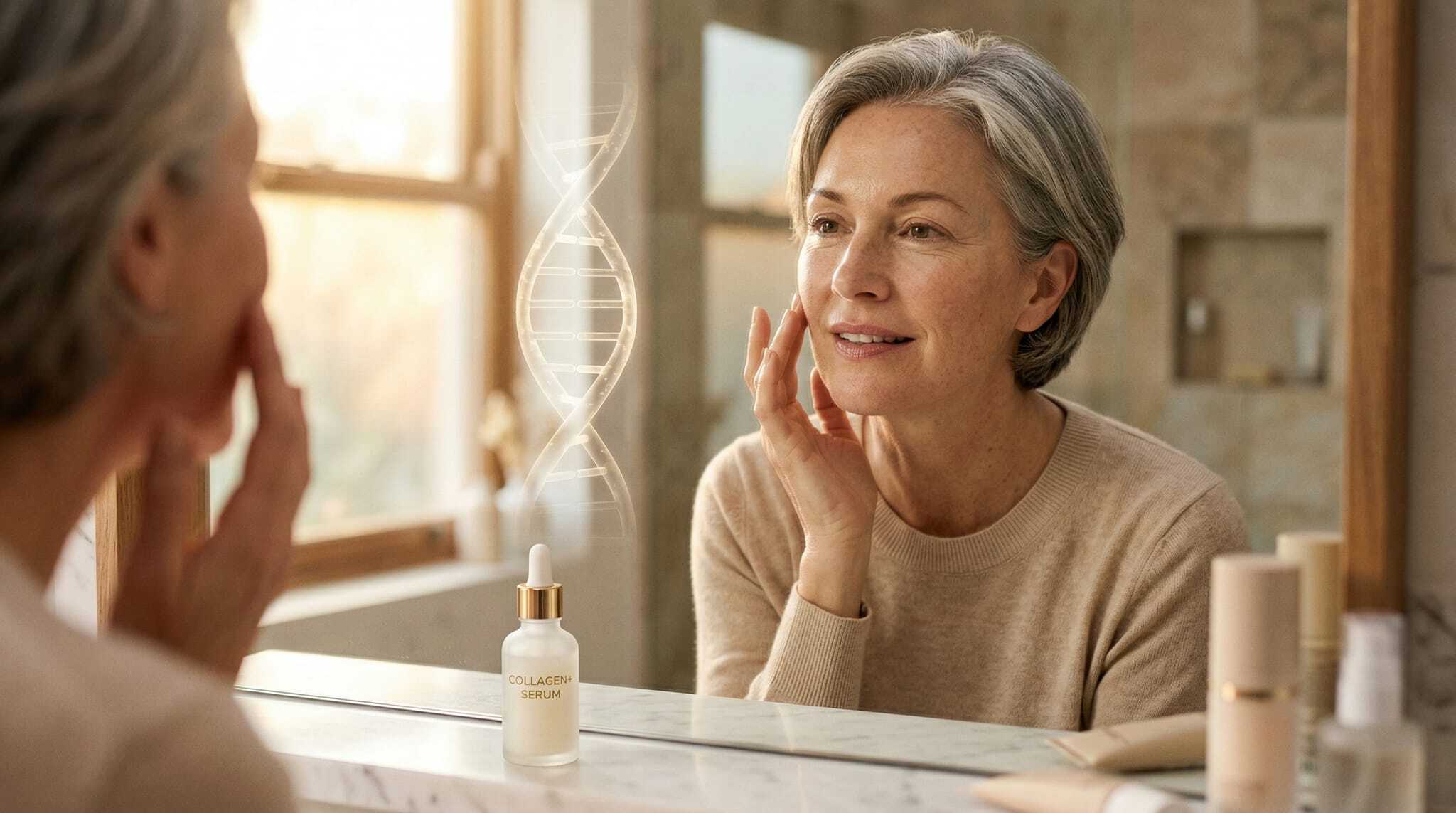
This is precisely the problem Nanoretinol® was designed to solve. By encapsulating retinol in biomimetic lipid nanoparticles that the body recognizes as “self,” the formulation bypasses the epithelial barrier without disrupting it. There is no need for harsh chemical enhancers because the nanoparticles pass through the same way the skin’s own lipid vesicles do.
The result: 232% more effective collagen recovery compared to conventional retinol. For thin skin, this efficiency difference is not incremental — it represents a fundamentally different therapeutic outcome. More retinol reaches the dermal fibroblasts that produce collagen, with significantly less inflammatory signaling that would otherwise trigger MMP activation and further degradation.
The water-based, 99% natural ingredient formulation also avoids the petroleum derivatives that many thin-skin sufferers find irritating. At 0.2% concentration, it delivers sufficient retinoid signaling through superior delivery rather than brute-force concentration.
A Practical Protocol for Thin Skin
If you are dealing with skin thinning — whether from aging, menopause, medication, or sun damage — the evidence supports this approach:
- Start retinoid therapy gradually — begin with 2 to 3 nights per week, increasing as tolerated
- Add vitamin C in the morning — supports collagen synthesis and provides antioxidant protection
- Protect aggressively — broad-spectrum SPF daily on all exposed skin, including hands and forearms
- Moisturize with ceramides — rebuild the barrier to reduce water loss and protect the thinned dermis
- Review medications — if using topical corticosteroids, discuss minimum-effective protocols with your doctor
- Be patient — measurable thickness increases take 3 to 6 months of consistent treatment
Thin skin is a structural problem with structural solutions. The collagen-producing machinery in your dermis does not shut down with age — it slows down. The right signals, delivered effectively, can reactivate it at any age.
References
- Varani J, Dame MK, Rittie L, et al. “Decreased collagen production in chronologically aged skin.” American Journal of Pathology. 2006;168(6):1861-1868. doi:10.2353/ajpath.2006.051302
- Varani J, Warner RL, Gharaee-Kermani M, et al. “Vitamin A Antagonizes Decreased Cell Growth and Elevated Collagen-Degrading Matrix Metalloproteinases and Stimulates Collagen Accumulation in Naturally Aged Human Skin.” Journal of Investigative Dermatology. 2000;114(3):480-486. doi:10.1046/j.1523-1747.2000.00902.x
- Brincat M, Versi E, Moniz CF, et al. “Skin collagen changes in postmenopausal women receiving different regimens of estrogen therapy.” Obstetrics and Gynecology. 1987;70(1):123-127. PMID: 3601262
- Fisher GJ, Wang ZQ, Datta SC, et al. “Pathophysiology of premature skin aging induced by ultraviolet light.” New England Journal of Medicine. 1997;337(20):1419-1428. doi:10.1056/NEJM199711133372003
- Hengge UR, Ruzicka T, Schwartz RA, Cork MJ. “Adverse effects of topical glucocorticosteroids.” Journal of the American Academy of Dermatology. 2006;54(1):1-15. doi:10.1016/j.jaad.2005.01.010
- Mukherjee S, Date A, Patravale V, et al. “Retinoids in the treatment of skin aging: an overview of clinical efficacy and safety.” Clinical Interventions in Aging. 2006;1(4):327-348. doi:10.2147/ciia.2006.1.4.327
- Bernstein EF, Lee J, Brown DB, et al. “Glycolic Acid Treatment Increases Type I Collagen mRNA and Hyaluronic Acid Content of Human Skin.” Dermatologic Surgery. 2001;27(5):429-433. doi:10.1046/j.1524-4725.2001.00234.x
- Fitzpatrick RE, Rostan EF. “Double-blind, half-face study comparing topical vitamin C and vehicle for rejuvenation of photodamage.” Dermatologic Surgery. 2002;28(3):231-236. doi:10.1046/j.1524-4725.2002.01129.x