Double Cleansing: The Two-Step Method Explained by Actual Cleanser Science
Why one face wash can't remove everything, when a second step genuinely helps, and how to do it without stripping your barrier
Double cleansing arrived in the West as a K-beauty import and quickly hardened into dogma: wash your face twice, every night, no exceptions. Like most skincare rules that spread faster than the science behind them, the reality is more useful and more nuanced. Double cleansing is a genuinely smart technique for the right person on the right night — and pointless, even counterproductive, for the wrong one.
The idea is simple. You cleanse first with an oil-based product, then follow with a water-based one. Two steps, two jobs. To understand why that sequence works, you have to understand what your evening face is actually covered in, and why a single cleanser struggles to remove all of it.
The Chemistry: Why One Cleanser Can’t Do It All
By the end of the day your skin carries two very different kinds of grime. There’s the water-soluble layer — sweat, dust, water-based residue — which rinses away easily. And there’s the oil-soluble layer: your own sebum, sunscreen filters, makeup, and pollution particles bound up in oil. These don’t rinse off with water, because oil and water don’t mix.
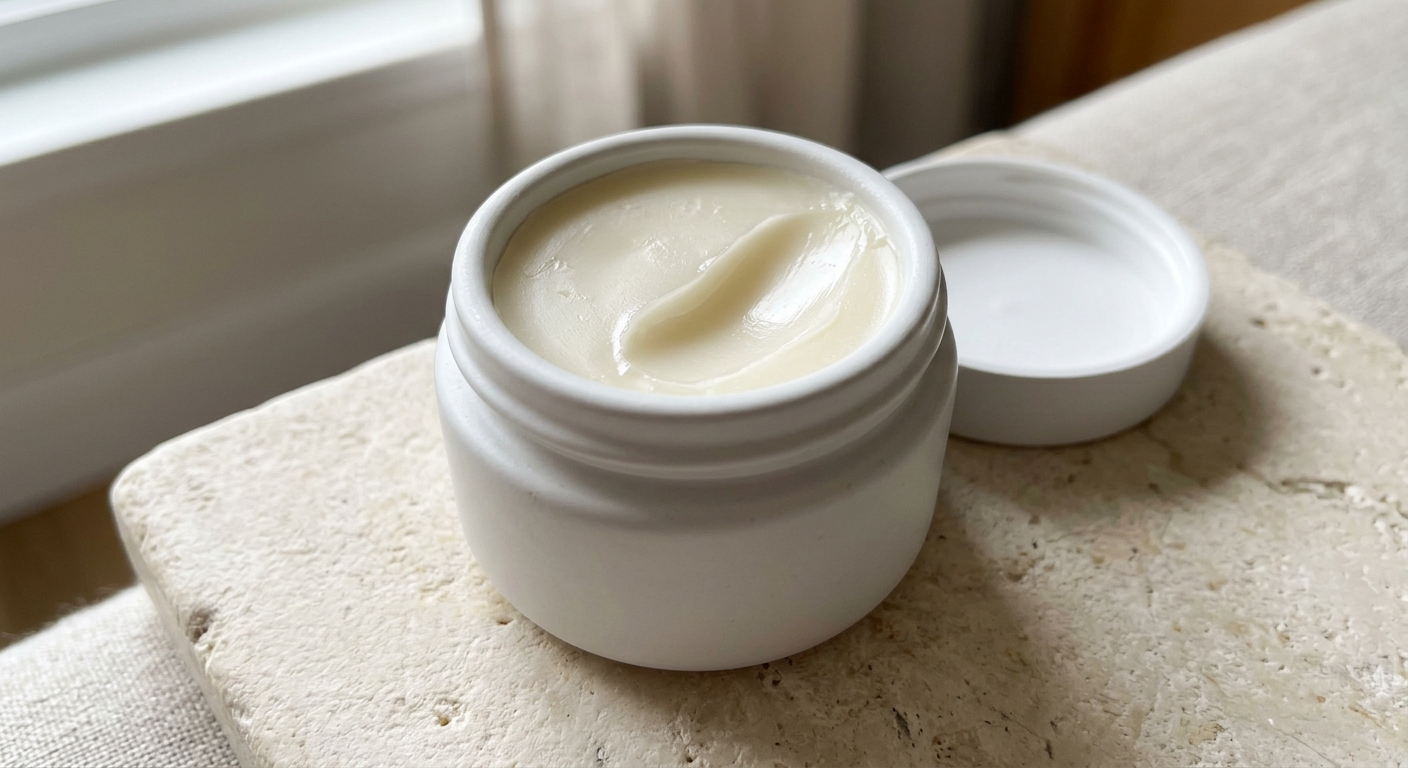
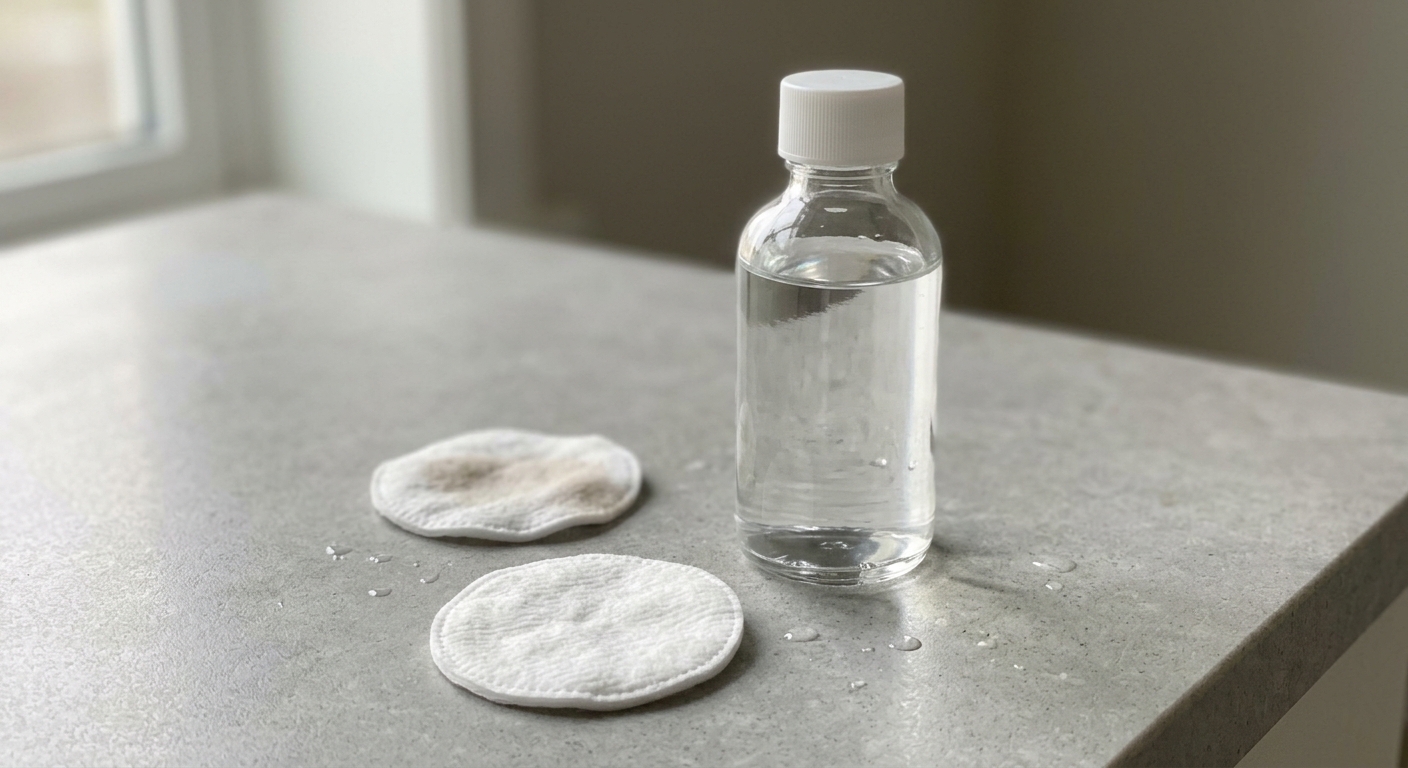
Cleansers work through surfactants — molecules with a water-loving end and an oil-loving end that let them grab oily soil and float it away in water [2]. But the “like dissolves like” principle still rules. An oil-based cleanser, most often a cleansing balm, effortlessly dissolves the oily layer: sunscreen, makeup, and hardened sebum lift away because they’re chemically similar to the cleansing oil. A water-based cleanser, or a micellar water on lighter days, then handles what remains. Picking the first-step product is its own decision, and our guide to the best cleansing oil explains which two label details predict how one behaves. Ask a single gel or foam to strip a full face of waterproof sunscreen in one pass and it can only succeed by being harsh — which is where trouble starts. For that second step, the guide to the best face wash for oily skin explains which surfactant systems stay mild. If your T-zone and your cheeks disagree about how strong that step should be, the best face wash for combination skin settles the argument in favor of the drier zone.
That’s the entire logic of double cleansing: match the cleanser to the soil. Oil for oil, then water for the rest. The eye area is where this matters most, and our guide to the best eye makeup remover covers the formats that clear waterproof makeup in the fewest passes.
That is also why a powered face cleansing brush matters far less to your barrier than the cleanser you load it with.
The Barrier Trade-Off Nobody Mentions
Here’s the catch the two-step evangelists gloss over. Cleansing is never free. Every wash removes some of the skin’s own protective lipids and can leave surfactant behind in the outer layer even after you rinse — and that residual surfactant is what continues to disrupt the barrier and cause tightness and dryness [4]. The harsher the surfactant, the more it interacts with the skin’s proteins and lipids, and the more damage it does [1]. That is also why a powered face cleansing brush matters far less to your barrier than the cleanser you load it with.
So washing twice with two aggressive cleansers isn’t “extra clean” — it’s a double dose of barrier stress. The goal of a good double cleanse is the opposite: two gentle steps that, combined, remove more of the day’s grime than one harsh step would, while doing less damage than that harsh step. Done right, double cleansing is milder than the single stripping wash it replaces. Done wrong, it’s twice the assault on a barrier that, especially in mature skin, is already thinner and more easily compromised. If yours already feels tight, our guide to a damaged skin barrier is worth reading first.
pH Matters More Than You’d Think
The other overlooked variable is pH. Healthy skin sits slightly acidic, around a pH of 5, and that “acid mantle” keeps enzymes, microbes, and barrier repair working properly. Old-fashioned alkaline soaps spike the skin’s surface pH, and that shift alone impairs barrier recovery and mildness [3]. This is why the modern advice is to choose syndet (synthetic detergent) or gentle, pH-balanced cleansers rather than true soap — they clean effectively while leaving the acid mantle closer to where it belongs [2]. When you’re picking cleansers for a double cleanse, pH-appropriate and low-irritant beats “squeaky clean” every time. Our roundup of face washes for aging skin applies the same standard, and the enzyme-level reason acidity matters this much is explained in our guide to skin pH. There is a wrinkle here worth knowing, because a cleanser formulated at skin pH is not automatically the milder choice, as our guide to the dermatologist-recommended cleanser explains.
Who Actually Needs to Double Cleanse
Double cleansing is a tool, not a commandment. You benefit from it when you have oil-soluble soil to remove:
Your skin runs oily or your T-zone builds up heavy sebum by evening.
- You wore sunscreen (which you should have) — SPF filters are stubborn and oil-bound.
- You wore makeup, especially long-wear or waterproof formulas. Skipping the step entirely has its own consequences, covered in sleeping in makeup.
- Your skin runs oily or your T-zone builds up heavy sebum by evening.
- You were exposed to heavy pollution or sweat-and-grime days.
And you can skip it when there’s nothing oily to lift: in the morning (you slept on a clean face — a single gentle cleanse, or even just water, is plenty), or on a bare-skin day with no SPF or makeup. People with dry or reactive skin should be especially cautious about washing twice out of habit. Cleansing is a means to an end, not a virtue in itself. Men deciding whether one well-chosen cleanser is enough can compare surfactant families in our guide to the best face wash for men.
How to Double Cleanse Without Wrecking Your Skin
- Start on dry or barely damp skin with an oil-based cleanser — a cleansing oil or balm. Massage it over the face for 30–60 seconds so it can dissolve sunscreen, makeup, and sebum.
- Add a little water to emulsify — quality cleansing oils turn milky, which lets them rinse clean instead of leaving a film.
- Rinse, then follow with a gentle, pH-balanced water-based cleanser to clear anything left behind, and save an exfoliating glycolic acid cleanser for a few mornings a week rather than this second step.
- Use lukewarm water, never hot — heat strips lipids and undoes the whole “gentle” premise.
- Pat dry and move straight into treatments while skin is still slightly damp.
The entire point is cumulative gentleness: two mild passes, not two strong ones.
Why a Clean Canvas Matters for Your Actives
Beyond simple hygiene, thorough-but-gentle cleansing has a purpose: it prepares skin to actually absorb what you apply next. A film of sunscreen and sebum is a barrier your serums have to fight through. Clear it properly and your nighttime treatments meet skin, not a greasy residue. This is the real reason the double cleanse earned its place in an evening routine — night is when repair ingredients like retinol do their work, and they can only work on skin that’s ready to receive them. (For where cleansing sits in the full lineup, see our skincare routine order guide.)
That handoff — clean skin to active ingredient — is also where delivery quality shows. Even on a perfectly cleansed face, conventional retinol still has to force its way past the barrier, often with irritating results. Nanoretinol takes a different route: its retinol rides in biomimetic lipid nanoparticles the skin recognizes and admits, so it penetrates without the harsh solvents that undo your careful, gentle cleansing. A light, water-based gel that absorbs completely, it’s the logical next step after a barrier-respecting cleanse — the same philosophy of working with the skin rather than against it, carried from your first step to your last. If you’re new to the ingredient, start with our retinol for beginners primer.
The Takeaway
Double cleansing isn’t magic and it isn’t mandatory. It’s applied chemistry: use an oil cleanser to remove oily soil, a gentle water-based cleanser for the rest, keep both mild and pH-friendly, and reserve the second step for nights you actually need it. Treated that way, it leaves skin genuinely clean and ready for treatment — without the tight, stripped feeling that means you’ve gone too far. How often you reach for either step is its own decision, and it changes with age, as explained in how often you should actually wash your face.
References
- Ananthapadmanabhan KP, Moore DJ, Subramanyan K, Misra M, Meyer F. “Cleansing without compromise: the impact of cleansers on the skin barrier and the technology of mild cleansing.” Dermatologic Therapy. 2004;17(Suppl 1):16-25. PMID: 14728695
- Draelos ZD. “The science behind skin care: Cleansers.” Journal of Cosmetic Dermatology. 2018;17(1):8-14. PMID: 29231284
- Hawkins S, Dasgupta BR, Ananthapadmanabhan KP. “Role of pH in skin cleansing.” International Journal of Cosmetic Science. 2021;43(4):474-483. PMID: 34137035
- Walters RM, Mao G, Gunn ET, Hornby S. “Cleansing Formulations That Respect Skin Barrier Integrity.” Dermatology Research and Practice. 2012;2012:495917. PMID: 22927835