Best Face Wash for Aging Skin: What Actually Cleanses Without Wrecking the Barrier
After 40, the wrong cleanser undoes the work of every serum and moisturizer you own — here's how to pick one that doesn't
The cleanser is the most overlooked product in an anti-aging routine, and it’s the one most quietly responsible for results that don’t materialize. You can layer the most advanced retinol, peptide complex, and ceramide moisturizer in your bathroom on top of a barrier you stripped 90 seconds earlier — and you will mostly get the irritation, not the results.
After 40, the chemistry of cleansing changes from “neutral” to “consequential.” Here is what the evidence actually says about what a good face wash for aging skin needs to do, what it needs to avoid, and how to evaluate the bottle in your hand.
Why Cleanser Matters More After 40
Three age-related changes shift the math:
Stratum corneum lipids decline. The outermost layer of your skin is held together by a brick-and-mortar structure of corneocytes (the bricks) and lipids — primarily ceramides, cholesterol, and free fatty acids (the mortar). Ceramide content declines with age and drops sharply during and after menopause. A 2022 study in Scientific Reports found that postmenopausal women had lower stratum corneum ceramide levels and shorter ceramide chain lengths, changes that were prevented in women on hormone replacement therapy [1]. Less mortar, more vulnerability to anything that strips it.
Skin pH rises. Healthy skin sits at a slightly acidic pH around 4.5–5.5, which keeps the skin microbiome balanced and the barrier enzymes working properly. Aged skin loses some of its buffering capacity, and repeated washing with alkaline cleansers can push pH well above 6 — a state that disrupts ceramide synthesis and impairs barrier recovery [2].
Recovery slows down. Younger skin can shrug off a single harsh wash. Older skin takes longer to repair the same damage. Cumulative micro-injuries from twice-daily cleansing add up faster than they used to. When dryness is the dominant complaint, our guide to the best face wash for dry skin goes further into surfactant class and pH.
The Surfactant Question
Every cleanser works by surfactants — molecules that grab oil with one end and water with the other so they can lift dirt off the skin. The problem is that surfactants don’t discriminate between the oil you want gone (sebum, sunscreen, makeup) and the oil you very much want to keep (the lipids holding your barrier together). Two formats sidestep part of this problem: a cleansing balm dissolves the oily load before surfactants are involved at all, while a micellar water keeps surfactant concentration low enough to stay mild. Oily skin runs into a different set of trade-offs with the same chemistry, which the guide to the best face wash for oily skin works through. Reactive skin faces a third version of the same trade-off, which the guide to the best face wash for sensitive skin works through in label terms.
A foundational review in Dermatologic Therapy by Ananthapadmanabhan and colleagues established the principle that “surfactants extract skin components during cleansing and can remain in the stratum corneum after rinsing, disrupting SC structure and degrading barrier properties” [3]. The remaining surfactant molecules insert themselves into the lipid lamellae of the skin barrier and continue causing damage long after you’ve patted your face dry. The three variables dermatology actually measures when judging any cleanser are compared in our guide to the dermatologist-recommended cleanser.
Not all surfactants behave the same way:
- Sodium lauryl sulfate (SLS): the model surfactant for irritation. Studies use SLS specifically because it produces predictable, dose-related increases in transepidermal water loss (TEWL) — a direct measure of barrier disruption [4]. Avoid it in face wash, especially after 40.
- Sodium laureth sulfate (SLES): milder than SLS but still sufficiently disruptive that sensitive and aging skin notice it.
- Cocamidopropyl betaine, decyl glucoside, lauryl glucoside: mild non-ionic and amphoteric surfactants. Substantially gentler on barrier lipids.
- Synthetic detergent (“syndet”) systems: purpose-built mild surfactant blends. Clinical comparisons show syndet bars maintain stratum corneum integrity and skin hydration better than traditional soap [5].
If your cleanser leaves your skin feeling “squeaky clean” or tight, it has stripped lipids you wanted to keep. That feeling is the marker, not the goal.
What pH Actually Does
A controlled clinical study comparing cleansers across the pH spectrum found that pH-neutral and slightly acidic formulations were significantly milder than alkaline ones, with minimal change to surface pH after washing [2]. Even surfactant-free solutions at pH 10 caused stratum corneum swelling and altered lipid rigidity — meaning pH alone, independent of surfactant choice, is enough to damage the barrier.
If your cleanser leaves your skin feeling “squeaky clean” or tight, it has stripped lipids you wanted to keep.
For aging skin, the target is a cleanser at pH 4.5–6.0, ideally close to the skin’s native ~5.5. Most traditional soap bars sit at pH 9–10. Most modern liquid cleansers sit at 5–6. The pH is rarely on the bottle, but the formulation cues are: anything that calls itself “soap-free,” “syndet,” or “pH-balanced” is almost always in the right zone. Anything that lathers like a bar of Ivory probably isn’t. For why that acidity is load-bearing rather than cosmetic, see our explainer on skin pH.
The Ingredient Profile of a Good Face Wash for Mature Skin
Beyond mild surfactants and the right pH, several supporting ingredients have evidence behind them:
- Glycerin or panthenol — humectants that draw water into the stratum corneum during cleansing and partially offset moisture loss.
- Niacinamide — even in a rinse-off formula, niacinamide modestly supports barrier ceramide production with regular use.
- Squalane, jojoba esters, or other lightweight occlusives — replace some of the lipid stripped during the wash.
- Ceramides — limited deposition from rinse-off products, but every bit helps when stratum corneum ceramides are already declining.
- Allantoin or bisabolol — soothing agents that calm the low-grade inflammation that older skin handles less efficiently.
What to Avoid in Anti-Aging Cleansers
Some categories should be filtered out almost on sight after 40:
- Sulfates (SLS, SLES) as a primary surfactant. Repeatedly shown to compromise barrier function in clinical trials [4].
- High alcohol content. Drying and stratum corneum-permeable.
- Strong fragrance. Major source of contact sensitization in aging skin, which already has a more reactive immune profile.
- Aggressive physical scrubs (apricot pits, walnut shell). Microtears outpace older skin’s repair capacity.
- Daily use of acid-based “cleansing pads.” Even mild glycolic or salicylic acid in a daily wash can over-exfoliate skin that has already lost stratum corneum thickness regulation. The same caution is usually misapplied to devices, and our guide to the face cleansing brush shows the controlled data putting more blame on cleanser chemistry than on bristles.
- Bar soaps with high pH. The “deep clean” feeling is barrier disruption.
Foam, Cream, Gel, Oil — Which Texture for Which Skin?
The format is less about marketing and more about how it interacts with sebum and surfactants:
- Cream cleansers: low-foam, high lipid content, ideal for dry or barrier-compromised skin. Best for most people over 50.
- Gel cleansers (mild surfactants): middle ground. Suitable for combination skin and most aging skin types if the surfactant blend is gentle.
- Foam cleansers: pleasant texture but often higher surfactant load. Choose only if formulated with mild syndet systems.
- Cleansing oils and balms: oil-on-oil chemistry to dissolve makeup and SPF without surfactant load. Excellent first cleanse in a double-cleanse routine for anyone wearing daily sunscreen. Our guide to the best cleansing oil covers how to judge one past the marketing.
- Micellar water: surfactants suspended in water as micelles. Very mild for a quick refresh; not always sufficient as the only cleanse if you wear heavy SPF or makeup.
For most women over 40, a low-foam gel or cream cleanser with mild surfactants and a slightly acidic pH covers nearly all use cases.
How Cleansing Affects Your Active Ingredients
This is where the cleanser quietly dictates what your serums can do.
Very mild for a quick refresh; not always sufficient as the only cleanse if you wear heavy SPF or makeup.
Retinol and retinoids. Aggressive cleansing strips lipids and lowers the irritation threshold of the skin. Apply retinol to a recently stripped barrier and you will get more burning, redness, and peeling — which is why so many people quit retinol within weeks. (Our retinol for beginners guide covers this in depth.) The reverse is also true: a mild cleanser preserves the barrier that allows retinol to work without the side effects driving you to abandon it.
Vitamin C. Most L-ascorbic acid serums need a slightly acidic pH (~3.5) to remain stable on the skin. A high-pH cleanser temporarily raises skin pH and degrades the active before it can work.
Niacinamide, peptides, hyaluronic acid. All depend on a functional barrier for predictable behavior. A stripped barrier accelerates penetration of everything — desirable in theory, irritating in practice.
The Routine Mistake That Undoes Everything
Most aging-skin cleansing problems are not really cleanser problems. They are frequency and technique problems:
- Cleansing twice in the morning when nothing was on the face overnight beyond a moisturizer. Once is plenty for most people in the morning. If your skin runs oily and you cleanse again to control shine, the right moisturizer for oily skin usually settles it faster than a second wash.
- Hot water. Strips lipids more aggressively than the surfactant itself. Lukewarm only.
- Long contact time. Most surfactant damage scales with how long the cleanser sits on the skin. 30 seconds is enough.
- Aggressive towel-drying. Pat, do not rub. Older skin is mechanically more fragile.
Fix these four and a mediocre cleanser starts performing better than a great one used badly.
Where Skincare Innovation Is Actually Headed
Surfactant chemistry has improved dramatically since the bar soaps of two decades ago, but the leave-on side of the routine — the actives that change skin biology — has moved even faster. Conventional retinol, even applied to a perfectly preserved barrier, still struggles to reach the dermal fibroblasts where collagen synthesis happens. Most formulations rely on penetration enhancers that work by partially destabilizing the very barrier you spent the cleanse protecting.
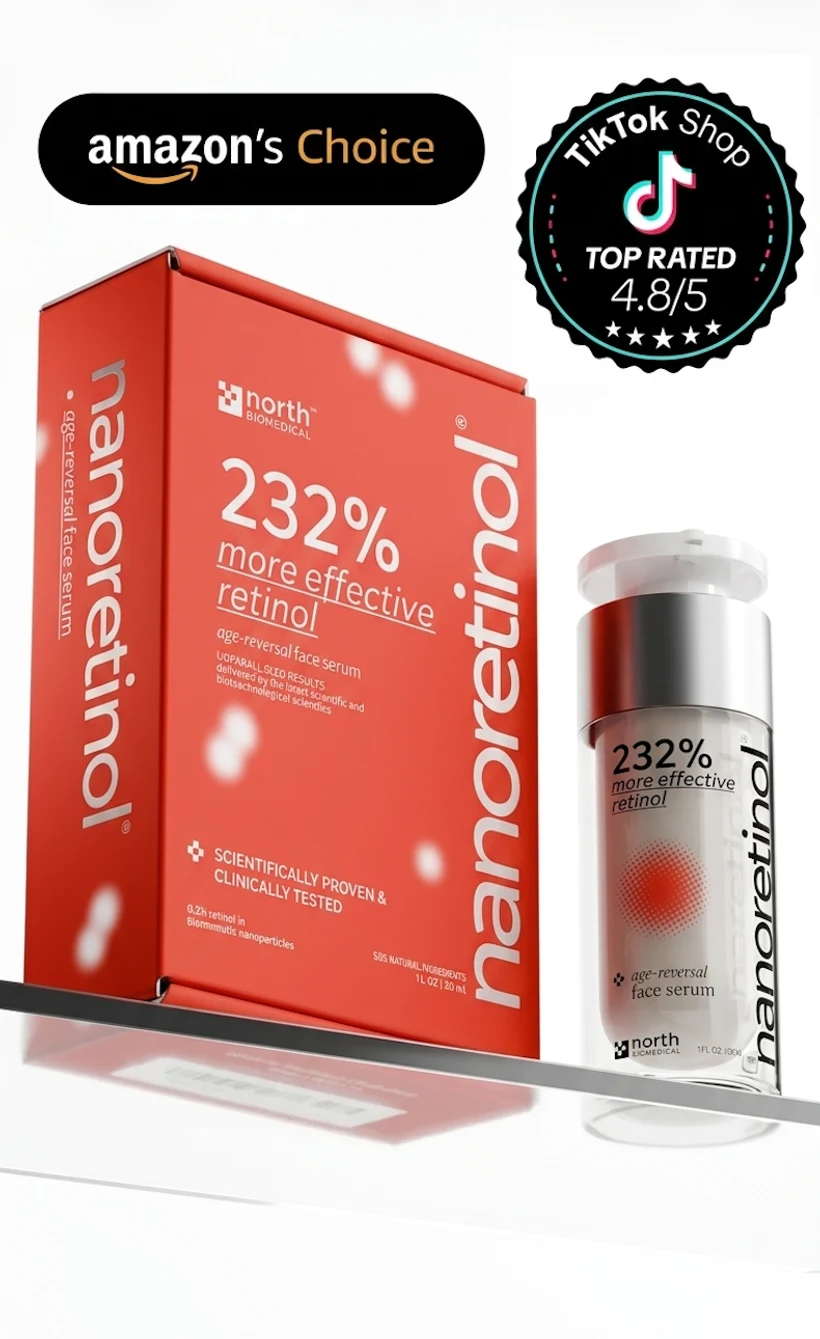
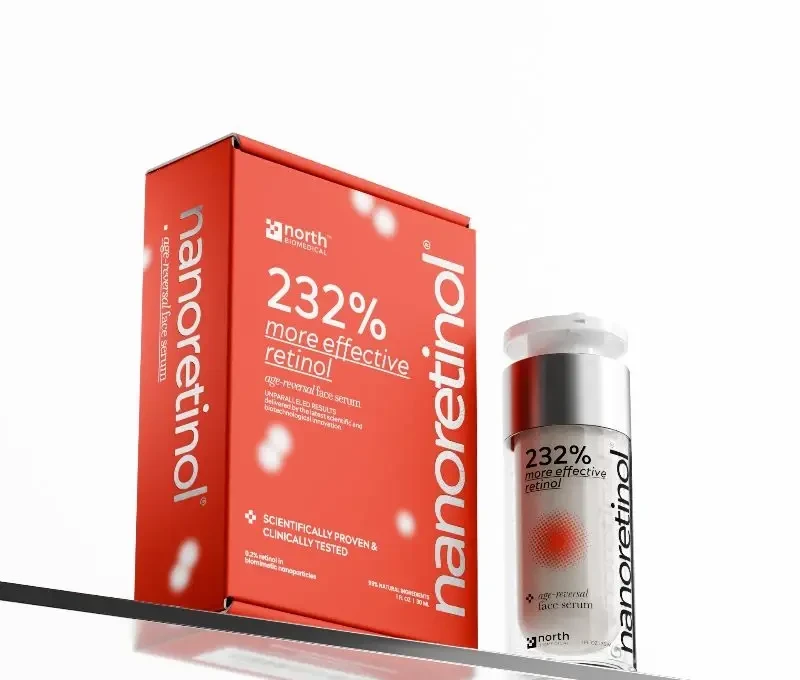
Nanoretinol approaches the delivery problem differently. The retinol is encapsulated in biomimetic lipid nanoparticles that the epithelial barrier reads as “self” and allows through intact — no stripping required. The same nanotechnology is used in pharmaceutical drug delivery. Comparative testing showed +232% more collagen recovery and +73% more elastin recovery versus conventional retinol, and 56-day clinical use produced a +61% increase in skin firmness [6]. For someone investing in a gentle cleanser specifically to protect their barrier, pairing it with a retinoid that doesn’t undo that work is the obvious next step.
Higher baseline sebum output means most men need a different cleanser texture than the guidance above assumes, which the skin care routine for men works through in detail.
A Short Decision Tree
To make this concrete, the framework most aging skin can use:
- Choose a cleanser with mild surfactants (cocamidopropyl betaine, glucosides, syndet systems). Avoid SLS as the primary surfactant.
- Aim for pH around 5.0–5.5. “Soap-free” or “pH-balanced” labels are usually a reliable signal.
- Pick a texture matched to your skin type and sebum level. Cream or gel for most over-40 skin.
- Cleanse once per day with technique (lukewarm water, 30 seconds, pat dry). Add a morning rinse with water-only or a very mild micellar water if needed.
- Layer your actives onto a barrier you didn’t just strip.
The best face wash for aging skin is rarely the most expensive. It is the one that does its small, specific job — removing the day — without removing everything else. Choosing the right cleanser is only half of it; the other half is how often you use it, which shifts as sebum production falls. Male skin runs oilier and meets a razor several times a week, so the best face wash for men applies the same surfactant and pH logic to a different substrate.
References
-
Sanchez J, Rajan H, Ali H, et al. “Menopause induces changes to the stratum corneum ceramide profile, which are prevented by hormone replacement therapy.” Scientific Reports. 2022;12(1):21715. doi:10.1038/s41598-022-26095-0
-
Blaak J, Staib P. “The Relation of pH and Skin Cleansing.” Current Problems in Dermatology. 2018;54:132-142. doi:10.1159/000489527
-
Ananthapadmanabhan KP, Moore DJ, Subramanyan K, Misra M, Meyer F. “Cleansing without compromise: the impact of cleansers on the skin barrier and the technology of mild cleansing.” Dermatologic Therapy. 2004;17 Suppl 1:16-25. doi:10.1111/j.1396-0296.2004.04s1002.x
-
Törmä H, Lindberg M, Berne B. “Skin barrier disruption by sodium lauryl sulfate-exposure alters the expressions of involucrin, transglutaminase 1, profilaggrin, and kallikreins during the repair phase in human skin in vivo.” Journal of Investigative Dermatology. 2008;128(5):1212-1219. doi:10.1038/sj.jid.5701170
-
Mukhopadhyay P. “Cleansers and their role in various dermatological disorders.” Indian Journal of Dermatology. 2011;56(1):2-6. doi:10.4103/0019-5154.77542
-
North Biomedical LLC. “Nanoretinol vs. Conventional Retinol: Efficacy in Collagen and Elastin Recovery.” Clinical Study Summary, 2024. https://northbiomedical.com/documents/Nanoretinol-Study_Summary.pdf