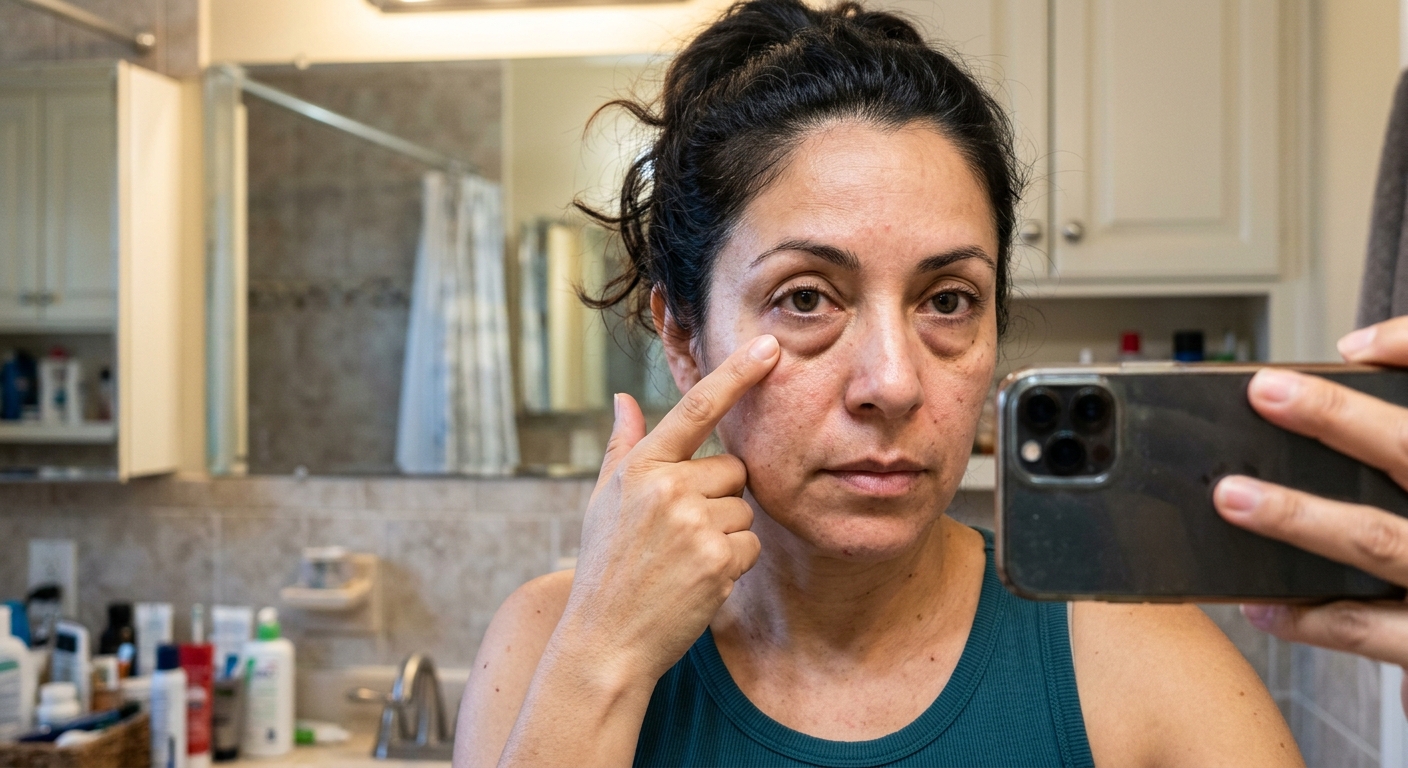
Eye Bags: What Causes Them and How to Actually Reduce Puffiness Under Your Eyes
The anatomy of under-eye bags, the science behind what makes them worse, and the treatments that clinical evidence actually supports
What Eye Bags Actually Are
Eye bags look like a cosmetic problem, but they’re an anatomical one. That puffy, swollen appearance under your eyes isn’t just tired skin — it’s the visible result of structural changes happening in one of the most delicate areas of your face.
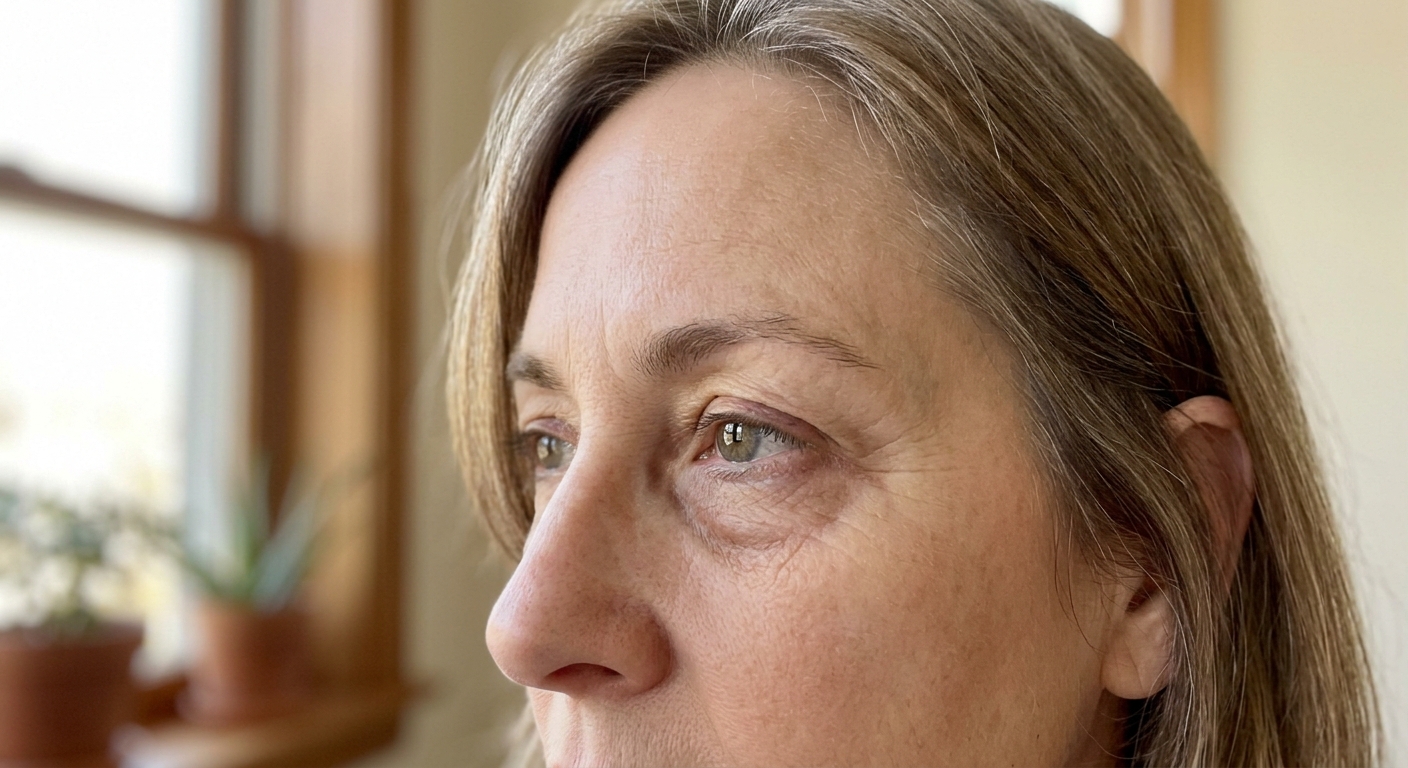
The skin around your eyes is thinner than anywhere else on your body — roughly 0.5mm compared to 2mm on the rest of your face. It has fewer oil glands, less collagen, and almost no subcutaneous fat for cushioning. This makes the periorbital area uniquely vulnerable to aging, fluid shifts, and environmental damage [1].
Understanding the different mechanisms behind eye bags is critical, because not all puffiness responds to the same treatment.
The Three Types of Under-Eye Bags
Fat Pad Herniation
Behind your lower eyelids sit three discrete fat pads (medial, central, and lateral) held in place by the orbital septum — a thin membrane of connective tissue. With age, this septum weakens. Gravity and repeated facial expressions gradually stretch it, allowing the fat pads to push forward and create visible bulges [2].
This is the most common cause of permanent eye bags in people over 40. The fat itself doesn’t increase in volume — it simply migrates forward into an area where it becomes visible beneath the thin eyelid skin. Once this happens, no topical product can push the fat back. This is why blepharoplasty (eyelid surgery) remains the gold standard for structural fat-related eye bags. Telling that structural cause apart from simple crepiness is the first step in our guide to the best eye cream for men.
Fluid Retention (Periorbital Edema)
The puffiness you wake up with — the kind that improves by mid-morning — is usually fluid accumulation. During sleep, fluid redistributes to the head and face. The loose tissue under the eyes, with its minimal structural support, fills with fluid easily [3]. That fluid-driven pattern is the one topicals can genuinely influence, and the product criteria that follow from it are set out in our guide to the best eye cream for puffy eyes.
This type of puffiness is worsened by high sodium intake, alcohol consumption, allergies, poor sleep posture (sleeping face-down), and hormonal fluctuations. It’s temporary and treatable without surgery.
The skin around your eyes is thinner than anywhere else on your body — roughly 0.5mm compared to 2mm on the rest of your face.
Collagen and Skin Thinning
As the periorbital skin thins with age, the underlying structures — blood vessels, muscle, fat — become more visible. Collagen loss in this area creates a hollow, crepey appearance that reads as “bags” even when no actual swelling is present [4]. This structural thinning also contributes to dark circles, because the blood vessels beneath the translucent skin cast a bluish-purple shadow.
What Makes Eye Bags Worse
Genetics
If your parents had prominent eye bags, you likely will too. The size of your orbital fat pads, the strength of your orbital septum, and the thickness of your periorbital skin are all heavily influenced by genetics [2].
UV Damage
Chronic sun exposure degrades collagen and elastin in the periorbital area faster than almost anywhere else on the face. The thin skin offers minimal UV protection, and accumulated photodamage accelerates the thinning and laxity that make eye bags more prominent [5].
Sleep Deprivation
Research published in Sleep found that sleep-deprived individuals were consistently rated as having more swollen eyes, darker circles, and a more fatigued appearance than well-rested controls [6]. Chronic sleep loss impairs the body’s lymphatic drainage and promotes fluid retention in the periorbital area.
Allergies
Histamine-mediated inflammation causes vasodilation and increased vascular permeability in the delicate periorbital tissues. This is why seasonal allergies often present with puffy, swollen under-eyes — a condition sometimes called “allergic shiners.”
Evidence-Based Treatments for Eye Bags
Cold Compresses and Elevation
For morning puffiness caused by fluid retention, cold compresses are clinically effective. Cold causes vasoconstriction, reducing blood flow and fluid accumulation in the periorbital tissues. Sleeping with your head slightly elevated helps prevent nighttime fluid migration to the face [3].
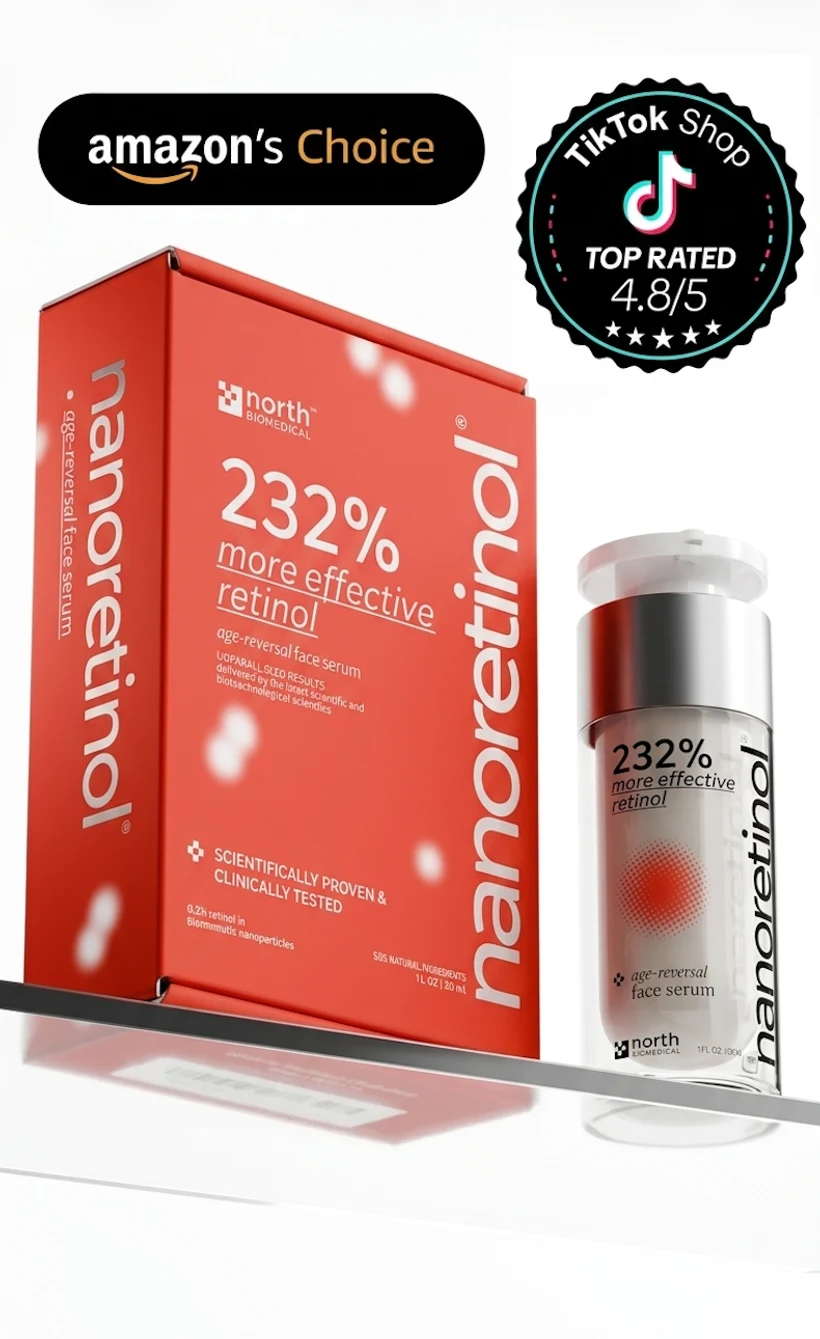
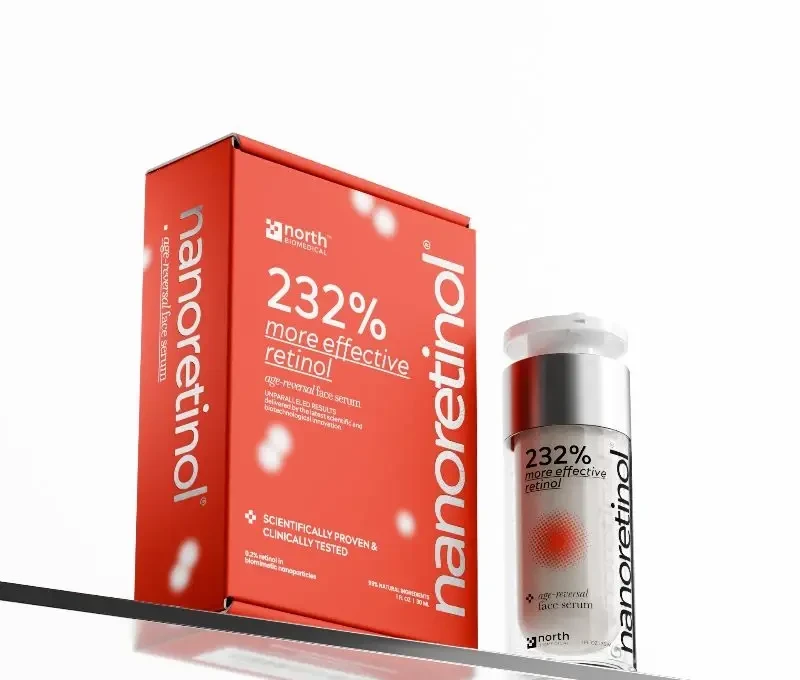
Clinical testing confirmed +232% more effective collagen recovery and +73% more effective elastin recovery — with dramatically reduced irritation.
Caffeine: The Evidence-Backed Depuffer
Topical caffeine is one of the most researched ingredients for periorbital puffiness. It works through vasoconstriction and its ability to promote microcirculation. A clinical study found that a 3% caffeine formulation significantly reduced periorbital puffiness and improved blood circulation in the under-eye area within one month of use [7].
A comprehensive review of eye cream ingredients published in International Journal of Women’s Dermatology confirmed that caffeine shows consistent promise for reducing periorbital puffiness and improving skin tone in the eye area [4].
Retinoids for Collagen Rebuilding
For the structural component of eye bags — the thinning skin and collagen loss that make everything look worse — retinoids are the most evidence-backed solution. A randomized controlled trial using 3-D imaging demonstrated that products containing retinyl propionate, niacinamide, and peptides significantly improved periorbital smoothness and wrinkle depth in women aged 30–70 after just four weeks [8].
The periorbital area is also the most irritation-prone region of the face. This creates a clinical paradox: the area that most needs retinol’s collagen-stimulating effects is also the area least tolerant of retinol’s side effects.
This is where Nanoretinol® offers a meaningful advantage. Its biomimetic lipid nanoparticle delivery system allows retinol to reach the dermis without disrupting the fragile periorbital skin barrier. The nanoparticles are recognized by skin cells as biological “self,” bypassing the inflammatory response that conventional retinol triggers. Clinical testing confirmed +232% more effective collagen recovery and +73% more effective elastin recovery — with dramatically reduced irritation. For the sensitive skin around the eyes, that combination of efficacy and gentleness is exactly what the clinical evidence calls for.
Peptides: Targeted Firmness
Signal peptides have shown measurable effects on periorbital skin. Palmitoyl pentapeptide-4 (Matrixyl) and palmitoyl tripeptide-1 stimulate collagen and elastin production, which can improve skin firmness in the under-eye area over time [4].
Haloxyl — a peptide complex containing palmitoyl oligopeptide and palmitoyl tetrapeptide-7 — has been studied specifically for periorbital concerns and demonstrated improvements in under-eye appearance in clinical evaluations.
Hyaluronic Acid: Surface Hydration
Topical hyaluronic acid doesn’t address the structural causes of eye bags, but it can temporarily plump the skin and reduce the appearance of crepiness and fine lines. A clinical trial in 76 women found that low-molecular-weight HA cream applied twice daily for 60 days significantly improved periorbital hydration, elasticity, and roughness compared to placebo [9].
When to Consider Surgery
Blepharoplasty is the definitive treatment for structural eye bags caused by fat pad herniation. The procedure repositions or removes excess fat and tightens loose skin. For moderate to severe bags that don’t respond to topical treatments, a consultation with an oculoplastic surgeon is worthwhile.
A Complete Under-Eye Strategy
Based on the clinical evidence, here’s an approach that addresses all three mechanisms of eye bags:
- Manage fluid retention. Reduce sodium intake, sleep with your head slightly elevated, and use cold compresses in the morning.
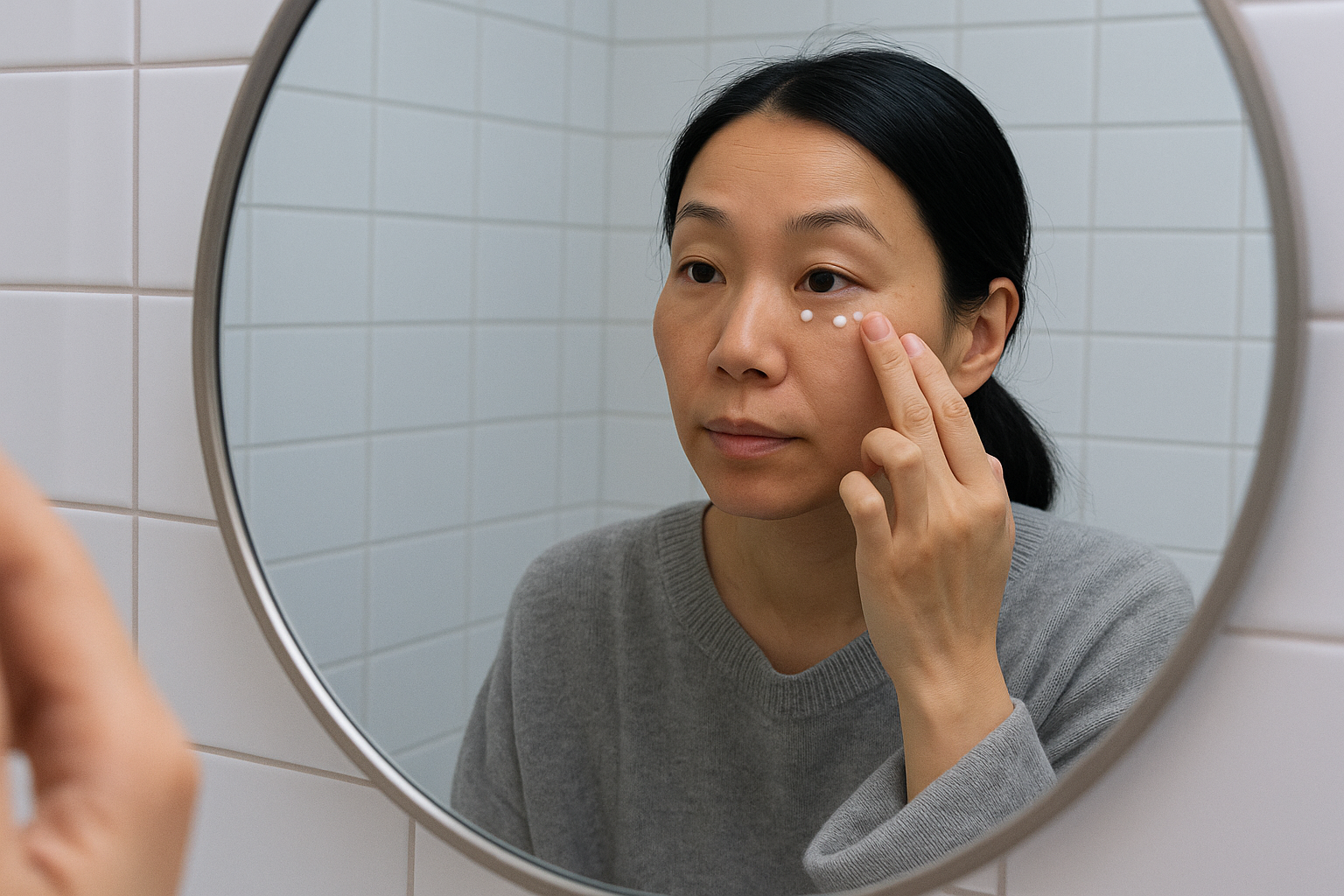
- Apply caffeine topically. Look for eye-specific formulations with at least 1% caffeine for vasoconstrictive effects.
- Rebuild collagen. Use a retinol product formulated specifically for the periorbital area. Gentle delivery systems matter more here than anywhere else on the face.
- Protect from UV. The under-eye area needs sunscreen and sunglasses. UV damage accelerates every factor that makes eye bags worse.
- Support with peptides and HA. Layer peptide serums and hyaluronic acid for cumulative structural and hydration benefits.
- Rule out allergies. If puffiness is chronic and bilateral, an allergy evaluation may identify a treatable underlying cause.
References
- Pilkington SJ, Belden S, Miller RA. “The tricky tear trough: a review of topical cosmeceuticals for periorbital skin rejuvenation.” Journal of Clinical and Aesthetic Dermatology. 2015;8(9):39-47. PMID: 26430491
- Rohrich RJ, Arbique GM, Wong C, et al. “The anatomy of suborbicularis fat: implications for periorbital rejuvenation.” Plastic and Reconstructive Surgery. 2009;124(3):946-951. doi:10.1097/PRS.0b013e3181b17b76
- American Academy of Ophthalmology. “How to Get Rid of Bags Under the Eyes.” Accessed March 2026. aao.org
- Hamie H, et al. “A review of the efficacy of popular eye cream ingredients.” International Journal of Women’s Dermatology. 2024;10(2):e117. doi:10.1097/JW9.0000000000000117
- Rittié L, Fisher GJ. “UV-light-induced signal cascades and skin aging.” Ageing Research Reviews. 2002;1(4):705-720. doi:10.1016/S1568-1637(02)00024-7
- Sundelin T, Lekander M, Kecklund G, et al. “Cues of fatigue: effects of sleep deprivation on facial appearance.” Sleep. 2013;36(9):1355-1360. doi:10.5665/sleep.2964
- Herman A, Herman AP. “Caffeine’s mechanisms of action and its cosmetic use.” Skin Pharmacology and Physiology. 2013;26(1):8-14. doi:10.1159/000343174
- Kaczvinsky JR, et al. “Efficacy of anti-aging products for periorbital wrinkles as measured by 3-D imaging.” Journal of Cosmetic Dermatology. 2009;8(3):228-233. doi:10.1111/j.1473-2165.2009.00456.x
- Pavicic T, et al. “Efficacy of cream-based novel formulations of hyaluronic acid of different molecular weights in anti-wrinkle treatment.” Journal of Drugs in Dermatology. 2011;10(9):990-1000. PMID: 21931055