Neck Lines: What Causes Them and How to Actually Smooth Them
Why your neck ages faster than your face — and what the science says about treating it
Why Your Neck Ages Faster Than Your Face
Most people invest time and money into their facial skincare routine — cleansers, serums, retinol, sunscreen — and stop at the jawline. Meanwhile, the neck quietly becomes the single most visible indicator of aging on the entire body.
The reason is structural. Neck skin is thinner than facial skin, contains fewer sebaceous glands, and has a lower density of melanocytes [1]. It also sits on top of the platysma muscle, a broad, thin sheet of muscle that stretches from the collarbone to the jaw. Every time you look down, swallow, or turn your head, the platysma contracts and folds the overlying skin. Over decades, these repeated mechanical forces etch permanent creases into skin that’s simultaneously losing collagen support.
The result: horizontal lines that appear in your 30s and deepen through your 40s and beyond. They’re not just cosmetic — they signal that collagen and elastin are breaking down faster in your neck than your face.
The Three Forces Behind Neck Lines
UV-Driven Collagen Destruction
Chronic UV exposure is the single largest contributor to premature neck aging. A comprehensive review in the International Journal of Molecular Sciences confirmed that UV radiation degrades collagen by upregulating matrix metalloproteinases (MMPs), enzymes that literally chew through collagen fibers [2]. The neck receives substantial cumulative UV exposure because most people don’t apply sunscreen below the chin with the same diligence they apply it to the face.
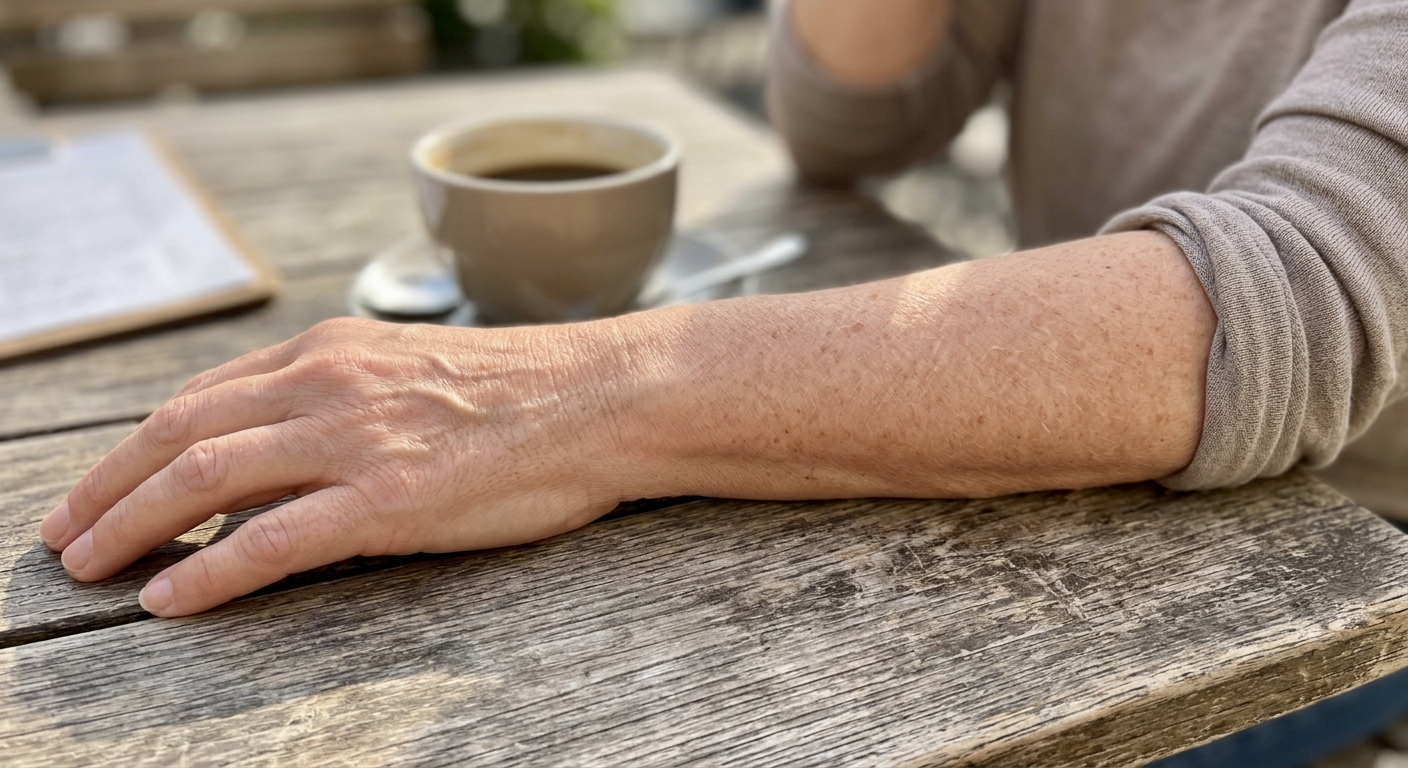
Photoaged neck skin shows a characteristic pattern: fine crepey lines layered over deeper horizontal creases, with mottled pigmentation and visible texture changes.
Repetitive Mechanical Folding
Horizontal neck lines aren’t just wrinkles — they’re crease lines, similar to the lines that form on a piece of paper that’s been folded in the same place repeatedly. Every time you tilt your head forward, the skin on the front of your neck compresses into folds. In younger skin, collagen and elastin spring back. As these structural proteins decline with age, the creases become permanent.
The modern epidemic of “tech neck” has accelerated this problem. Hours spent looking down at phones and laptops compress neck skin hundreds of times per day, accelerating crease formation in people as young as their 20s.
Starting in your mid-20s, collagen production declines by approximately 1% per year.
Age-Related Structural Decline
Starting in your mid-20s, collagen production declines by approximately 1% per year [3]. By 50, you’ve lost roughly a quarter of your skin’s collagen framework. Elastin production begins declining around age 40, and unlike collagen, the body is almost incapable of producing new functional elastin in adulthood.
For the neck, this structural decline is compounded by gravity. The thin platysma muscle gradually loses tone, allowing skin to sag and fold under its own weight. The combination of collagen loss, elastin degradation, and gravitational pull creates the classic “banded” appearance that defines neck aging.
What Actually Works: Evidence-Based Treatments
Topical Retinol — The Foundation
Retinol remains the most evidence-backed topical ingredient for treating neck wrinkles. A 2023 clinical trial published in the Journal of Cosmetic Dermatology evaluated a retinol-based neck treatment across multiple studies and found statistically significant improvements in fine lines, wrinkles, crepiness, laxity, and texture after 12 to 16 weeks of consistent use [4]. Improvements were confirmed through clinical assessment, subject questionnaires, ultrasound imaging, and biomarker analysis from skin biopsies.
A separate randomized, double-blind study in the Journal of Drugs in Dermatology showed that a topical cream designed for the neck significantly improved sagging, laxity, fine and coarse wrinkles, roughness, and hyperpigmentation [5]. The study also demonstrated increased collagen and elastin synthesis through in vitro analysis of 3D skin models.
The mechanism is well-established: retinol converts to retinoic acid in the skin, where it stimulates fibroblast activity, promotes collagen synthesis, and suppresses the MMPs that break collagen down. The challenge with neck skin is that it’s more sensitive than facial skin, making irritation a common barrier to consistent use.
Sunscreen — Non-Negotiable
Without daily broad-spectrum sunscreen on the neck, every other treatment is working against an ongoing assault. UV radiation doesn’t just cause new damage — it actively degrades existing collagen faster than topical treatments can rebuild it. SPF 30 or higher, applied to the neck and décolletage every morning, is the baseline requirement.
Professional Treatments
For deeper neck lines that don’t respond adequately to topical treatments, clinical evidence supports several professional options. Radiofrequency combined with platelet-rich plasma (RF + PRP) showed the best long-term results in a 2024 randomized clinical trial, maintaining significant wrinkle improvement at six months post-treatment [6]. Microneedling with PRP and standalone PRP injections also showed improvement at one month, though results faded faster without the radiofrequency component.
UV radiation doesn’t just cause new damage — it actively degrades existing collagen faster than topical treatments can rebuild it.
Pulsed dye laser and intense pulsed light (IPL) treatments have demonstrated efficacy for the vascular component of neck aging, improving redness and texture while stimulating collagen remodeling [7].
The Delivery Problem — Why Most Neck Products Underperform
Here’s the uncomfortable truth about most neck creams: they contain active ingredients at concentrations too low to make meaningful change, or they use formulation technologies that can’t deliver those ingredients past the skin barrier effectively.
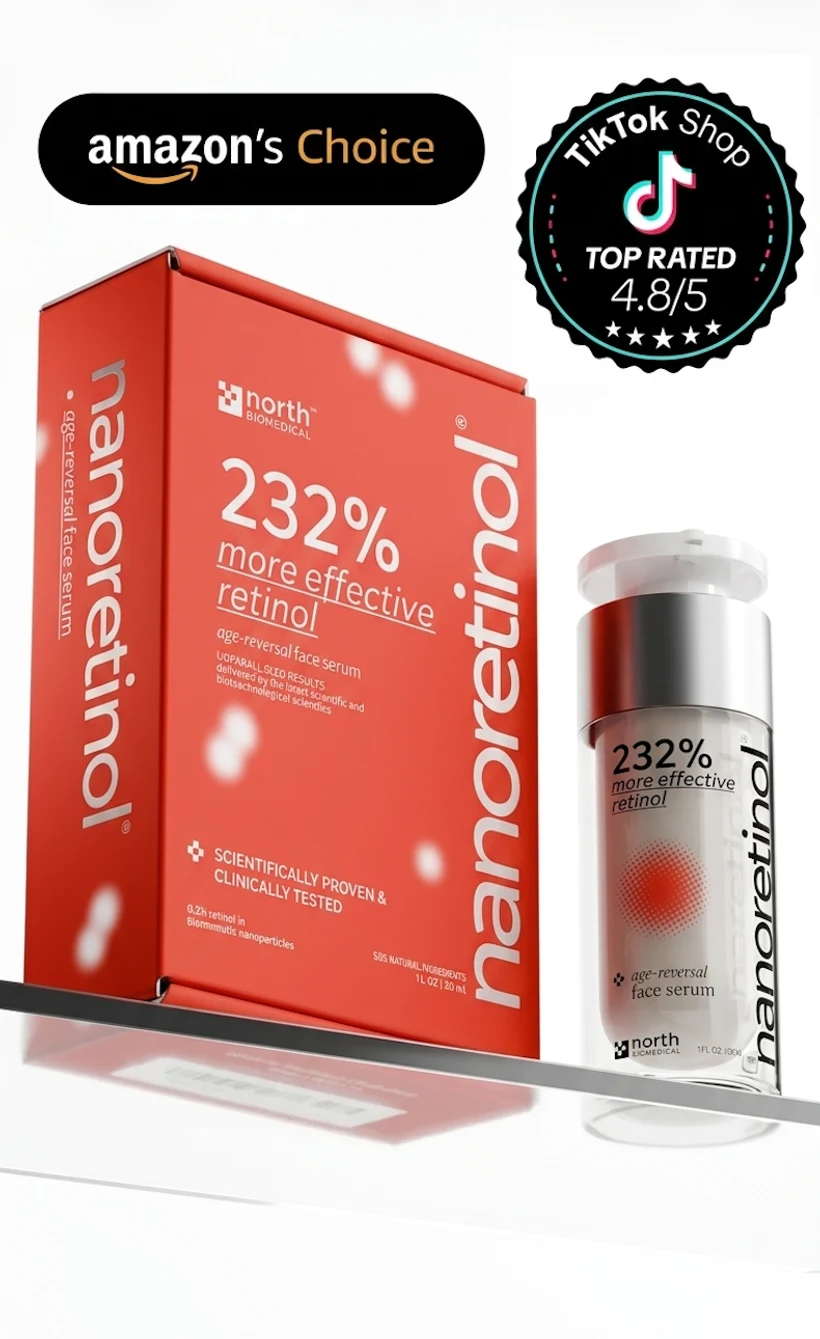
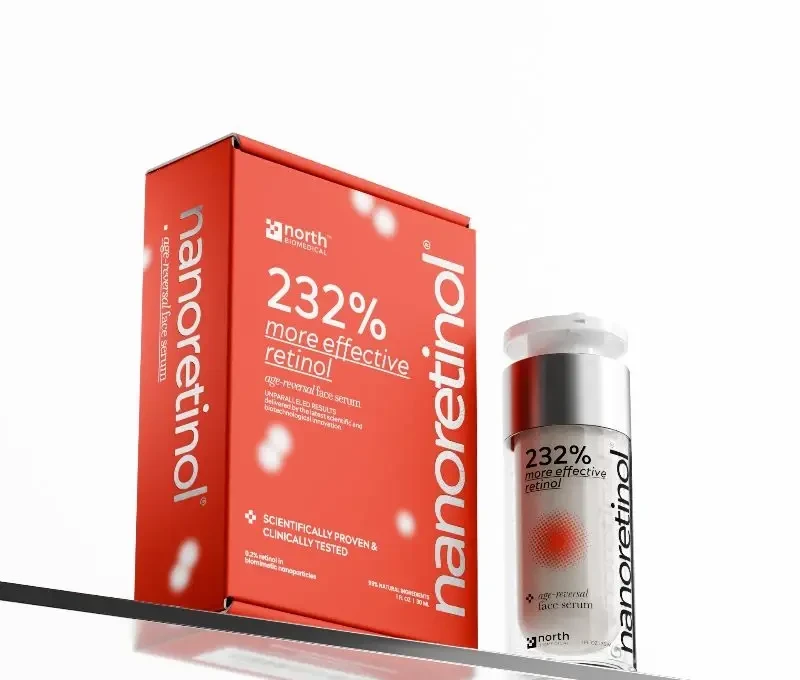
This is precisely where delivery technology matters. Nanoretinol® addresses the two biggest challenges with retinol on the neck: penetration and irritation. Its lipid nanoparticle encapsulation system delivers retinol through the skin barrier without relying on chemicals that damage it — making it particularly well-suited for the thinner, more sensitive skin of the neck. In clinical testing, Nanoretinol® achieved +232% greater collagen recovery and +73% greater elastin recovery compared to conventional retinol, with significantly reduced irritation.
For neck skin that’s simultaneously more vulnerable and more in need of collagen support than the face, a delivery system that maximizes efficacy while minimizing damage isn’t a luxury — it’s a requirement.
Building a Neck-Specific Routine
If you’re ready to treat neck lines seriously, here’s the evidence-based approach:
Morning: Apply a vitamin C serum (optional, for antioxidant protection) followed by broad-spectrum SPF 30+ sunscreen to the entire neck and décolletage.
Evening: Apply retinol to the neck, starting with every other night and building to nightly as tolerance develops. Follow with a ceramide-rich moisturizer to reinforce the skin barrier.
Weekly: Consider adding a gentle AHA exfoliant (like lactic acid) once per week to improve texture and enhance retinol penetration.
Behavioral: Be mindful of “tech neck” — raise your phone to eye level rather than dropping your chin to screen level.
The Timeline
Neck lines didn’t form overnight, and they won’t disappear overnight. Clinical studies show measurable improvement beginning at 8 to 12 weeks of consistent retinol use, with continuing improvement through 16 weeks and beyond [4][5]. Deeper creases may require professional intervention to achieve meaningful change.
The key is consistency. Your neck has spent years — possibly decades — without the same care your face receives. Closing that gap takes time, but the clinical evidence is clear: the right active ingredients, properly delivered, can meaningfully improve even established neck lines.
References
- Makino ET, Kadoya K, Chung R, Jiang L, Mikati M, Mehta RC. “Efficacy and Tolerability of a Novel Topical Treatment for Neck: A Randomized, Double-blind, Regimen-Controlled Study.” Journal of Drugs in Dermatology. 2021;20(2):184-191. doi:10.36849/JDD.5819
- Kohl E, Steinbauer J, Landthaler M, Szeimies RM. “Skin Ageing.” Journal of the European Academy of Dermatology and Venereology. 2011;25(8):873-884. doi:10.1111/j.1468-3083.2010.03963.x
- Varani J, Dame MK, Rittie L, et al. “Decreased Collagen Production in Chronologically Aged Skin: Roles of Age-Dependent Alteration in Fibroblast Function and Defective Mechanical Stimulation.” American Journal of Pathology. 2006;168(6):1861-1868. doi:10.2353/ajpath.2006.051302
- Sullivan K, Law RM, Lain E, et al. “Evaluation of a Retinol Containing Topical Treatment to Improve Signs of Neck Aging.” Journal of Cosmetic Dermatology. 2023;22(10):2755-2764. doi:10.1111/jocd.15904
- Makino ET, Kadoya K, Chung R, Jiang L, Mikati M, Mehta RC. “Efficacy and Tolerability of a Novel Topical Treatment for Neck: A Randomized, Double-blind, Regimen-Controlled Study.” Journal of Drugs in Dermatology. 2021;20(2):184-191. doi:10.36849/JDD.5819
- Wang Y, et al. “Comparing the Effectiveness of Platelet-Rich Plasma Alone Versus Combined With Radiofrequency for Neck Wrinkles.” Journal of Cosmetic Dermatology. 2024. doi:10.1111/jocd.16621
- Munavalli GS, Weiss RA, Halder RM. “Photoaging and Pigmentary Changes of the Skin.” In: Bogle MA, ed. Procedures in Cosmetic Dermatology: Lasers, Lights, and Energy Devices. Elsevier; 2023. PMID: 33626227