Vitamin K for Skin: The Unsung Ingredient That Fights Dark Circles, Bruising, and Visible Veins
Most people know vitamin K for blood clotting — but dermatology research reveals powerful topical benefits for aging skin
The Vitamin Nobody Talks About in Skincare
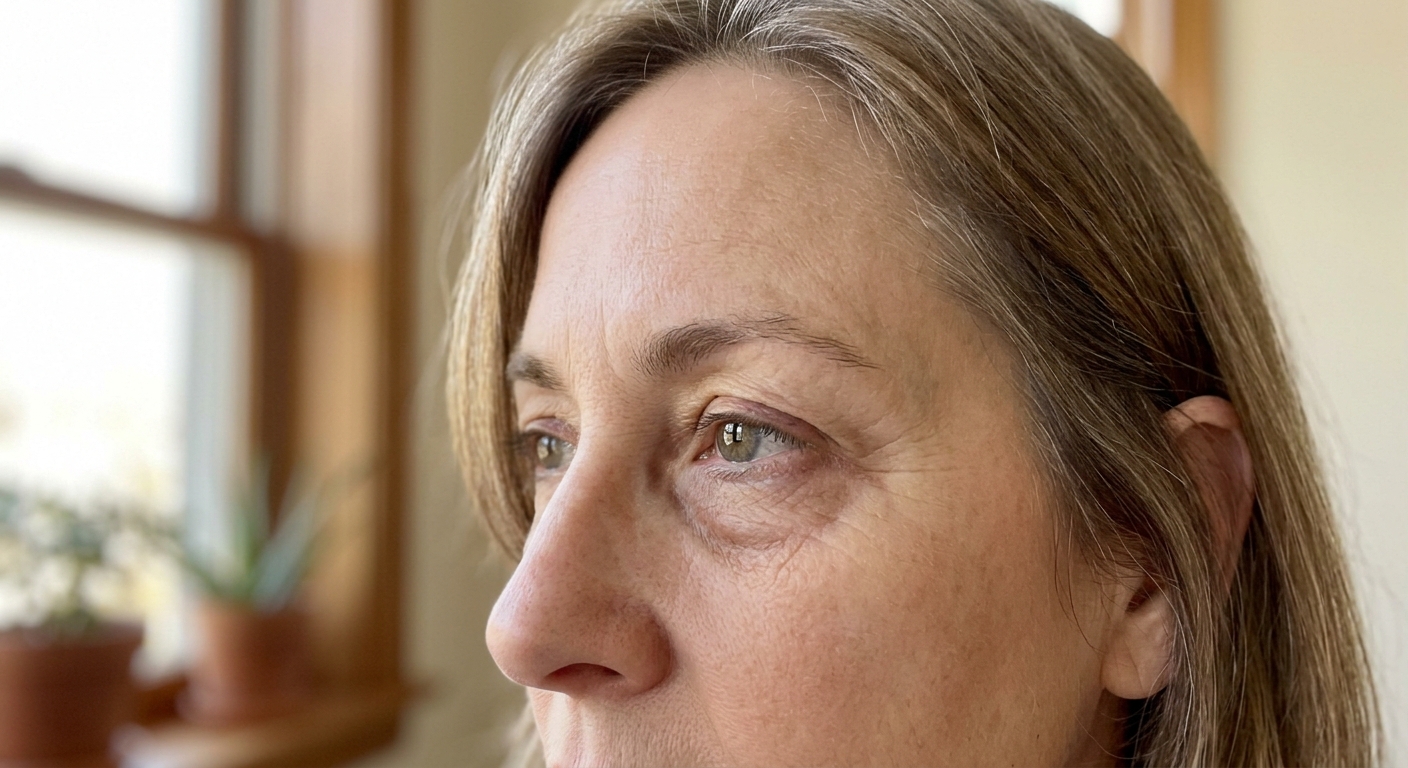
Walk into any skincare aisle and you’ll see shelves dominated by vitamins C, E, and A (retinol). But vitamin K — the fat-soluble vitamin best known for its role in blood clotting — is quietly backed by clinical evidence for some of the most stubborn cosmetic concerns: dark under-eye circles, bruising, and visible veins.
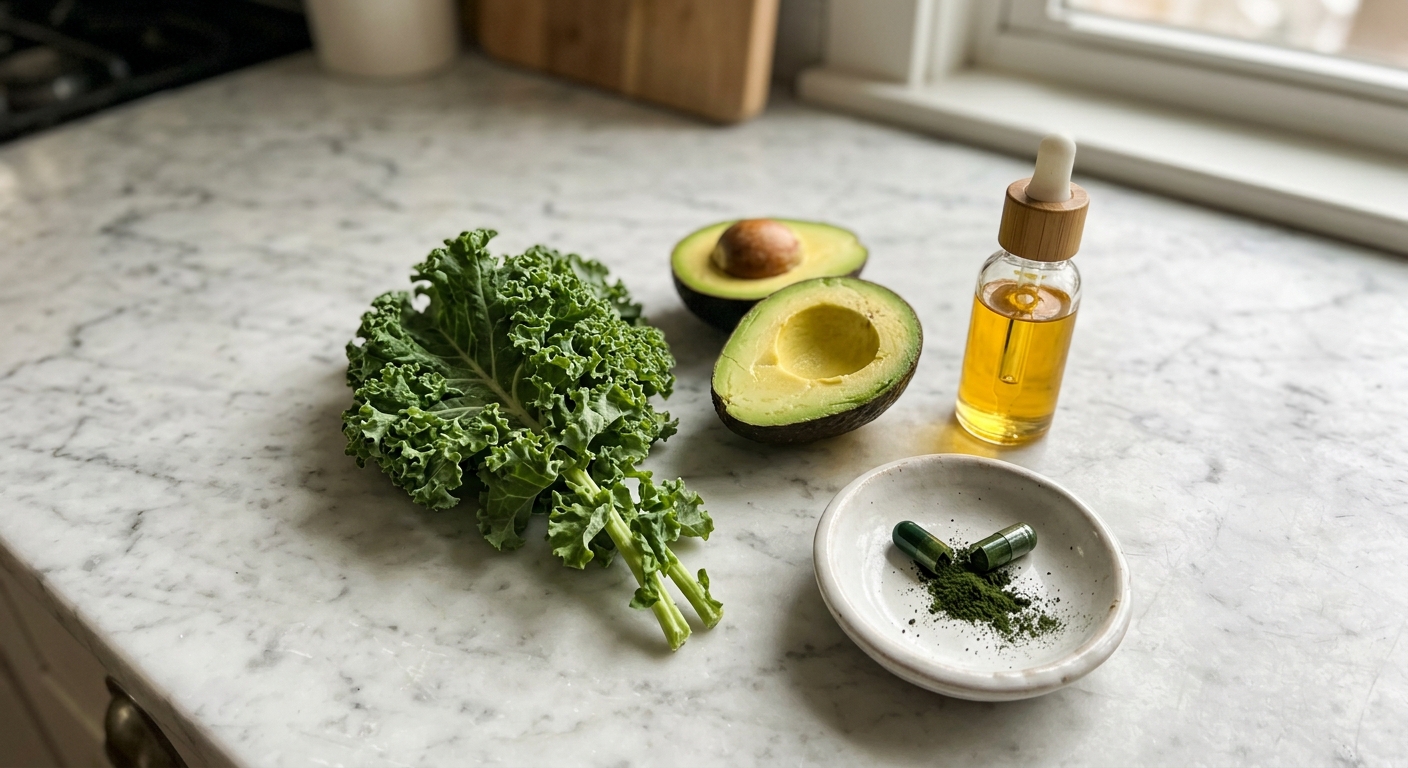
Vitamin K exists in two natural forms: K1 (phytonadione), found in green leafy vegetables, and K2 (menaquinone), produced primarily by intestinal bacteria [1]. When applied topically, phytonadione interacts with the skin’s microvascular system in ways that no other vitamin does — making it uniquely suited for problems rooted in blood vessel dysfunction rather than collagen loss.
This isn’t a trendy ingredient searching for a purpose. Dermatologists have been studying topical vitamin K since the mid-1990s, and the clinical data, while more modest than retinol’s decades-long portfolio, points to genuine utility for specific skin concerns that other ingredients can’t adequately address.
How Vitamin K Works on Skin
The Coagulation Connection
Vitamin K’s systemic function is well-understood: it’s an essential cofactor in the hepatic synthesis of coagulation factors II, VII, IX, and X [1]. Without adequate vitamin K, blood doesn’t clot properly.
When applied topically, phytonadione appears to support microvascular integrity and accelerate the clearance of hemoglobin breakdown products from the skin. The exact mechanism of topical action isn’t fully elucidated — researchers have observed its effects on haemostasis and purpura clearance but acknowledge that the pathway differs from its systemic coagulation role [2].
What’s clear from clinical data is that topical vitamin K can reduce the visible signs of subcutaneous blood vessel leakage — the reddish-purple discoloration that defines bruising and contributes to the vascular type of dark under-eye circles.
Beyond Clotting: Anti-Inflammatory Properties
Emerging research suggests vitamin K has anti-inflammatory and antioxidant properties independent of its coagulation role. Vitamin K-dependent proteins have been identified in skin tissue, suggesting the vitamin plays a local role in maintaining tissue health and calcium regulation in the dermis [1]. Some researchers theorize that topical vitamin K strengthens capillary walls and reduces the permeability that allows blood to leak into surrounding tissue.
Clinical Evidence: What Has Been Proven
Dark Circles
A clinical study by Mitsuishi et al. (2004) evaluated a gel containing 2% phytonadione combined with 0.1% retinol and 0.1% vitamins C and E on 57 adults with infraorbital dark circles. After 8 weeks of twice-daily application, 47% of patients showed reductions in haemostasis (the blood vessel-related component of dark circles), and wrinkles also decreased [2].
Dermatologists have been studying topical vitamin K since the mid-1990s, and the clinical data, while more modest than retinol’s decades-long portfolio, points to genuine utility for specific skin concerns that other ingredients can’t adequately address.
A separate study by Ahmadraji and Shatalebi (2015) tested an eye counter pad containing caffeine and vitamin K in an emulsified emu oil base. After 28 days, the formulation achieved a 16% reduction in dark circle appearance, with the authors attributing dark circle improvement specifically to vitamin K’s capillary-strengthening properties [3].
These aren’t dramatic overnight transformations, but they address a component of dark circles — subcutaneous vascular leakage — that pure brightening ingredients like vitamin C or niacinamide don’t specifically target.
Bruise Resolution
The most controlled evidence for topical vitamin K comes from bruise research. Shah et al. (2002) conducted a double-blind, randomized, placebo-controlled study on 22 patients evaluating vitamin K cream versus placebo for laser-induced purpura. The results were nuanced: vitamin K applied before laser treatment did not significantly prevent bruising, but post-treatment application showed trends toward faster resolution [4].
Lou et al. (1999) tested five different vitamin K formulations on 20 subjects with laser-induced purpura and found that a combination of 1% vitamin K with 0.3% retinol in an acrylates copolymer cream significantly hastened purpura resolution compared to controls and other formulations [5]. This finding is particularly interesting because it suggests vitamin K and retinol have synergistic effects on vascular healing.
Spider Veins and Visible Vessels
While the evidence is less robust for treating established broken capillaries, vitamin K creams are widely used by dermatologists as adjunctive therapy before and after vascular laser treatments. The rationale is sound: by supporting microvascular integrity and accelerating hemoglobin clearance, topical vitamin K may improve outcomes and reduce recovery time from laser procedures targeting spider veins [4][5].
Where Vitamin K Fits in an Anti-Aging Routine
Vitamin K is not a replacement for retinol, vitamin C, or sunscreen. It occupies a specific niche: addressing vascular-origin skin concerns that other actives miss.
Here’s how to think about it:
Vitamin K is for: Dark circles (vascular type), post-procedure bruising, visible capillaries, thin skin showing underlying vessels Vitamin K is not for: Wrinkles, collagen loss, hyperpigmentation (melanin-driven), texture improvement
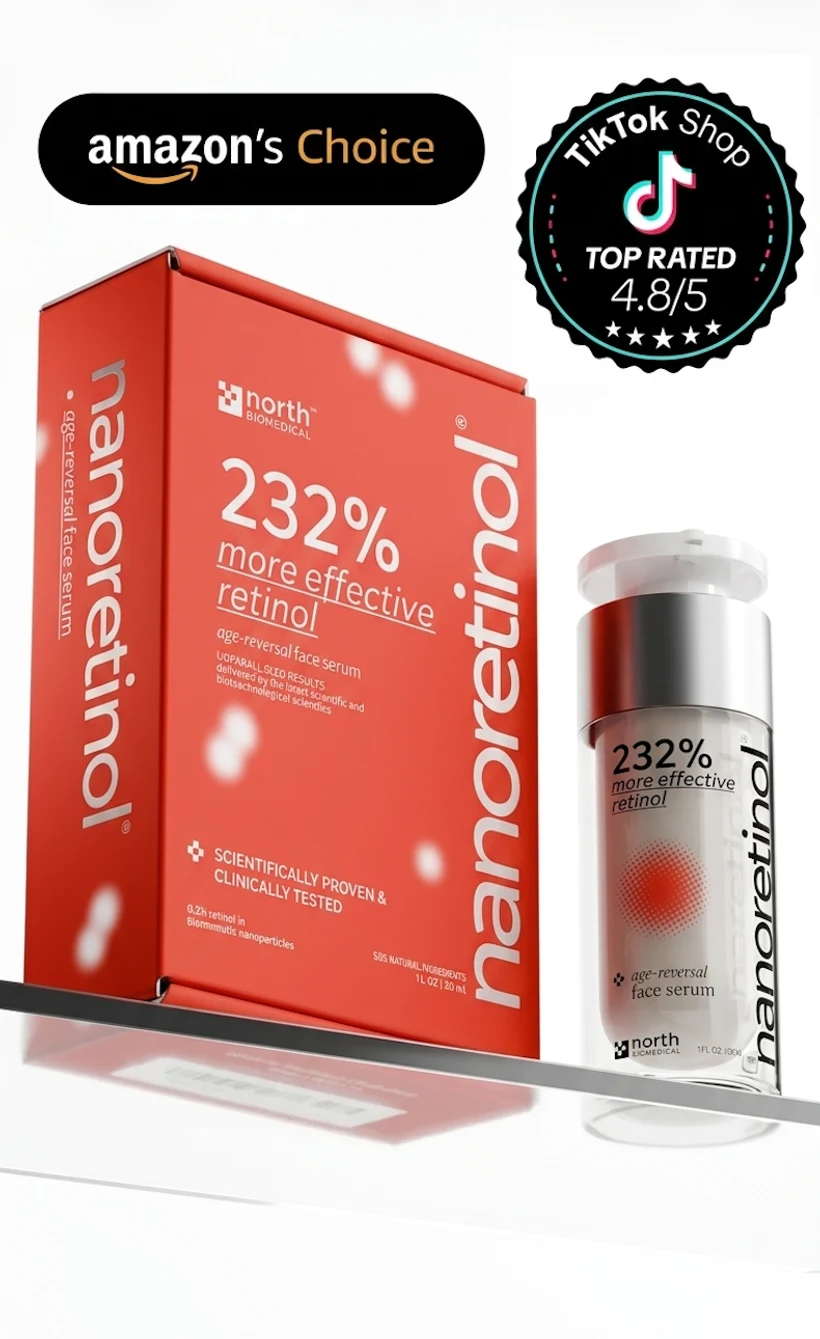
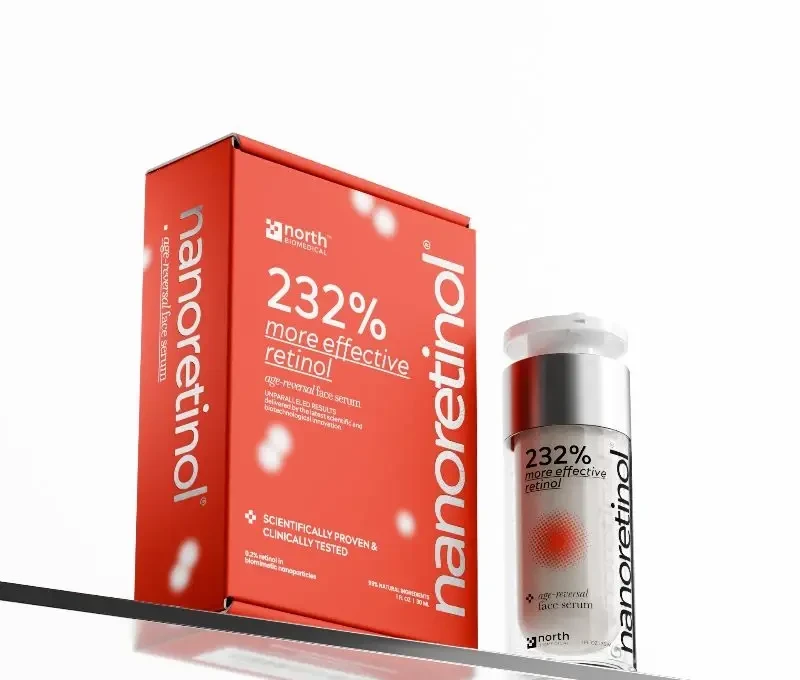
Its biomimetic lipid nanoparticles deliver retinol through the skin barrier without damaging it, achieving +232% greater collagen recovery and +73% greater elastin recovery compared to conventional retinol — with significantly less irritation.
The clinical data consistently shows that vitamin K works best in combination — particularly with retinol and vitamin C. The Mitsuishi study used all three together, and Lou et al. found the vitamin K + retinol combination outperformed vitamin K alone [2][5].
Pairing Vitamin K With Retinol: The Synergy
The Lou et al. finding — that vitamin K combined with retinol accelerated bruise healing more than vitamin K alone — has important implications for aging skin. Retinol addresses the collagen and structural side of skin aging, while vitamin K addresses the vascular side. Together, they tackle the two main visible markers of aging skin: wrinkles and visible blood vessels.
For the retinol component of this pairing, delivery matters enormously. Conventional retinol formulations use chemical penetration enhancers that can actually trigger the flushing and irritation that make vascular concerns worse — counterproductive when you’re trying to strengthen capillary integrity.
Nanoretinol® sidesteps this problem entirely. Its biomimetic lipid nanoparticles deliver retinol through the skin barrier without damaging it, achieving +232% greater collagen recovery and +73% greater elastin recovery compared to conventional retinol — with significantly less irritation. For someone combining retinol with vitamin K to address both structural and vascular aging, a delivery system that doesn’t trigger flushing is essential.
How to Use Vitamin K Topically
Product forms: Vitamin K is available in creams (most common), serums, and eye-specific formulations. Concentrations in clinical studies range from 1% to 5% phytonadione.
Application: Apply to the target area (under eyes, areas with visible vessels) once or twice daily. For dark circles, consistency over 4-8 weeks is required to see results [2][3].
Combination strategy: Use vitamin K in the morning alongside vitamin C serum and sunscreen. Use retinol at night. This gives your skin 24-hour coverage — vascular support and antioxidant protection during the day, collagen rebuilding at night.
Eye area: Vitamin K is one of the few ingredients with specific clinical evidence for the periorbital area. It’s generally well-tolerated in this delicate zone.
Setting Realistic Expectations
Vitamin K is a targeted tool, not a miracle ingredient. The clinical evidence supports modest but meaningful improvements in:
- Vascular-type dark circles (47% response rate in the Mitsuishi study)
- Post-procedural bruising recovery time
- Capillary wall strengthening (preventive)
It won’t erase deep wrinkles, reverse sun damage, or treat melanin-driven hyperpigmentation. But for the specific vascular concerns it targets — concerns that retinol, vitamin C, and acids simply don’t address — it fills a genuine gap in a comprehensive skincare routine.
The most effective approach combines vitamin K’s vascular benefits with retinol’s collagen-building power and vitamin C’s antioxidant protection. Used together, these three vitamins address every major visible marker of aging skin: wrinkles, discoloration, visible vessels, and structural decline.
References
- Thorp JA, Gaston L, Caspers DR, Pal ML. “Current Concepts and Controversies in the Use of Vitamin K.” Drugs. 1995;49(3):376-387. doi:10.2165/00003495-199549030-00005
- Mitsuishi T, Shimoda T, Mitsui Y, Kuriyama Y, Kawana S. “The Effects of Topical Application of Phytonadione, Retinol and Vitamins C and E on Infraorbital Dark Circles and Wrinkles of the Lower Eyelids.” Journal of Cosmetic Dermatology. 2004;3(2):73-75. doi:10.1111/j.1473-2130.2004.00090.x
- Ahmadraji F, Shatalebi MA. “Evaluation of the Clinical Efficacy and Safety of an Eye Counter Pad Containing Caffeine and Vitamin K in Emulsified Emu Oil Base.” Advanced Biomedical Research. 2015;4:10. doi:10.4103/2277-9175.148292
- Shah NS, Lazarus MC, Bugdodel R, et al. “The Effects of Topical Vitamin K on Bruising After Laser Treatment.” Journal of the American Academy of Dermatology. 2002;47(2):241-244. doi:10.1067/mjd.2002.120465
- Lou WW, Quintana AT, Geronemus RG, Grossman MC. “Effects of Topical Vitamin K and Retinol on Laser-Induced Purpura on Nonlesional Skin.” Dermatologic Surgery. 1999;25(12):942-944. doi:10.1046/j.1524-4725.1999.99115.x
- Roh MR, Chung KY. “Infraorbital Dark Circles: Definition, Causes, and Treatment Options.” Dermatologic Surgery. 2009;35(8):1163-1171. doi:10.1111/j.1524-4725.2009.01213.x