Collagen Mask: What the Viral Overnight Masks Really Do for Your Skin
Collagen masks promise glass skin by morning. Here is what the science says about collagen on the skin, why the glow fades, and what actually builds firmness
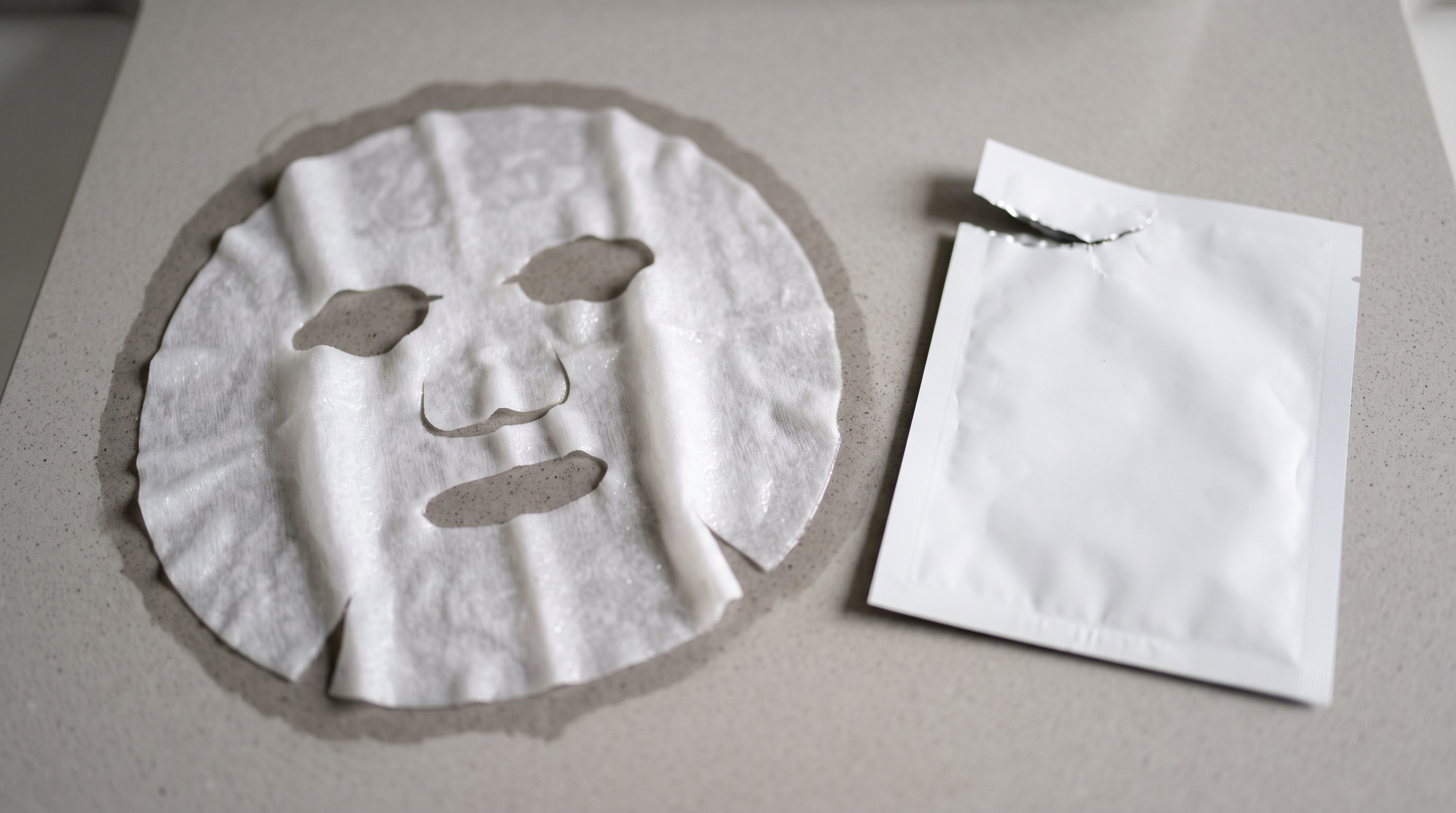
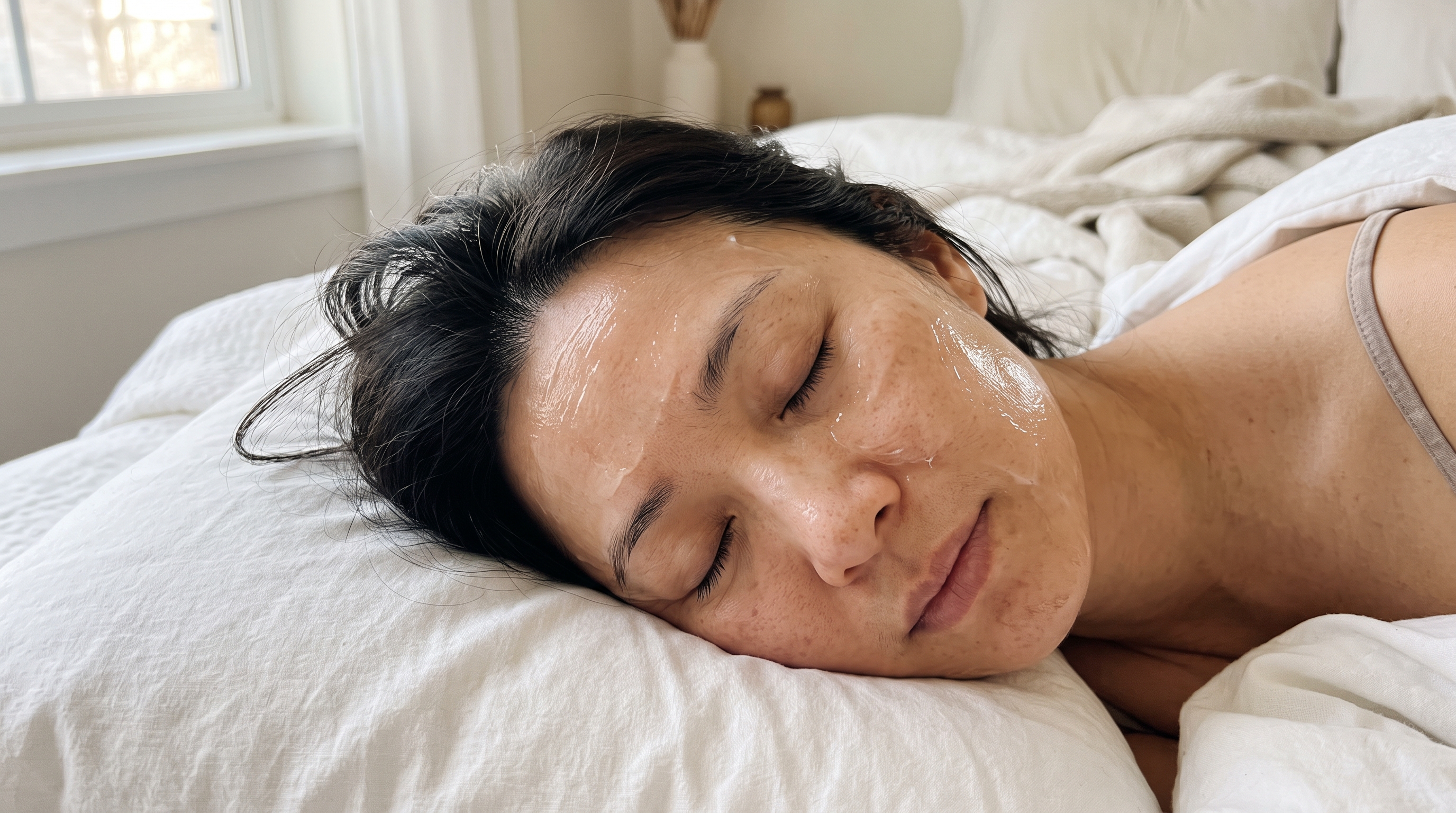
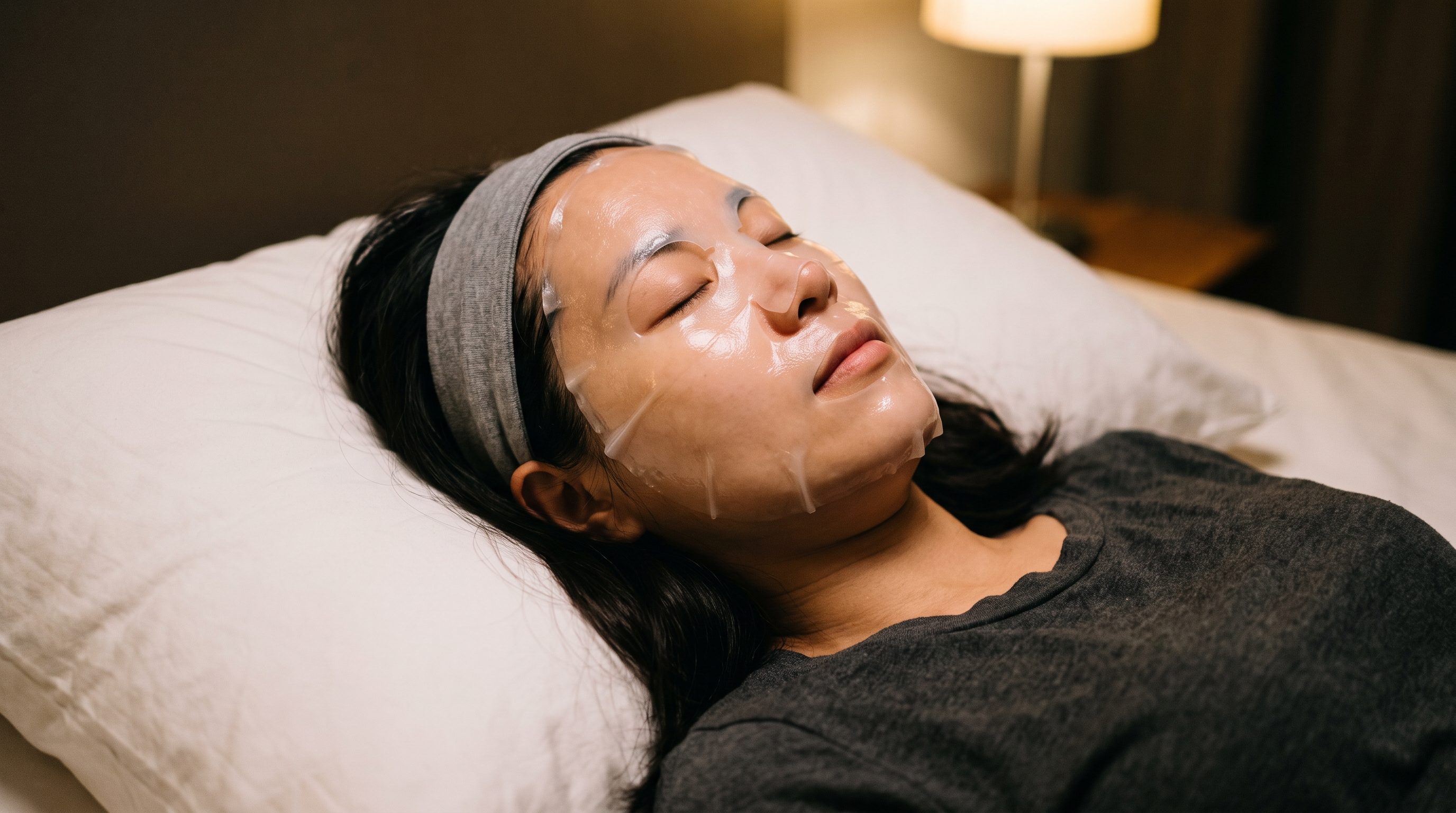
Few skincare products have spread as fast as the overnight collagen mask. The routine is simple and oddly satisfying: press a cool, jelly-like sheet onto your face before bed, peel it off in the morning, and film the result. The videos show skin that looks plump, bouncy and glassy, and the name on the packet suggests the reason is collagen, the protein that keeps skin firm.
The morning glow is real. The explanation usually offered for it is not. Understanding the difference will help you decide whether a collagen mask is worth buying, how often to use it, and what to pair it with if firmer skin is the real goal.
Why collagen matters, and why it declines
Collagen is the main structural protein in the dermis, the thick layer beneath the surface. Fibroblasts, the cells that make it, weave long collagen fibers into a supportive mesh that gives skin its firmness and resistance to wrinkling. That mesh does not last forever.
In a study comparing skin from young adults with skin from people over 80, Varani and colleagues found that aged skin produced markedly less type I collagen. Part of the reason was that the collagen network itself had become fragmented, so fibroblasts lost the mechanical tension that normally prompts them to keep building [1]. Less collagen leads to looser fibers, which leads to even less collagen. That slow spiral is what people are trying to reverse when they buy a collagen product.
The size problem: why collagen cannot soak in
Your skin’s outer layer is designed to keep things out. A widely cited analysis by Bos and Meinardi found that the compounds that successfully penetrate skin are almost all smaller than about 500 daltons in molecular weight [2]. A single intact collagen molecule weighs roughly 300,000 daltons and is a long, rope-like triple helix. It is about 600 times over that practical limit.
Many masks use hydrolyzed collagen instead, which has been broken into smaller peptide fragments. These are much smaller than native collagen, but most are still well above 500 daltons, and even the fragments that do enter the upper layers are not reassembled into new collagen fibers in the dermis. Reviews of collagen in cosmetics describe its topical role consistently: it is a humectant and film-former that helps the surface hold water, not a replacement for the skin’s own structural collagen [3][4].
So when a mask “turns clear” overnight, that is not a sign that collagen has disappeared into your face.
So when a mask “turns clear” overnight, that is not a sign that collagen has disappeared into your face. It shows that the sheet has changed as it sat on warm skin for hours, which tells you nothing about where the collagen went.
What an overnight collagen mask actually does
If collagen is not rebuilding anything, why does skin look so good the next morning? Three things are happening, and all three are genuine.
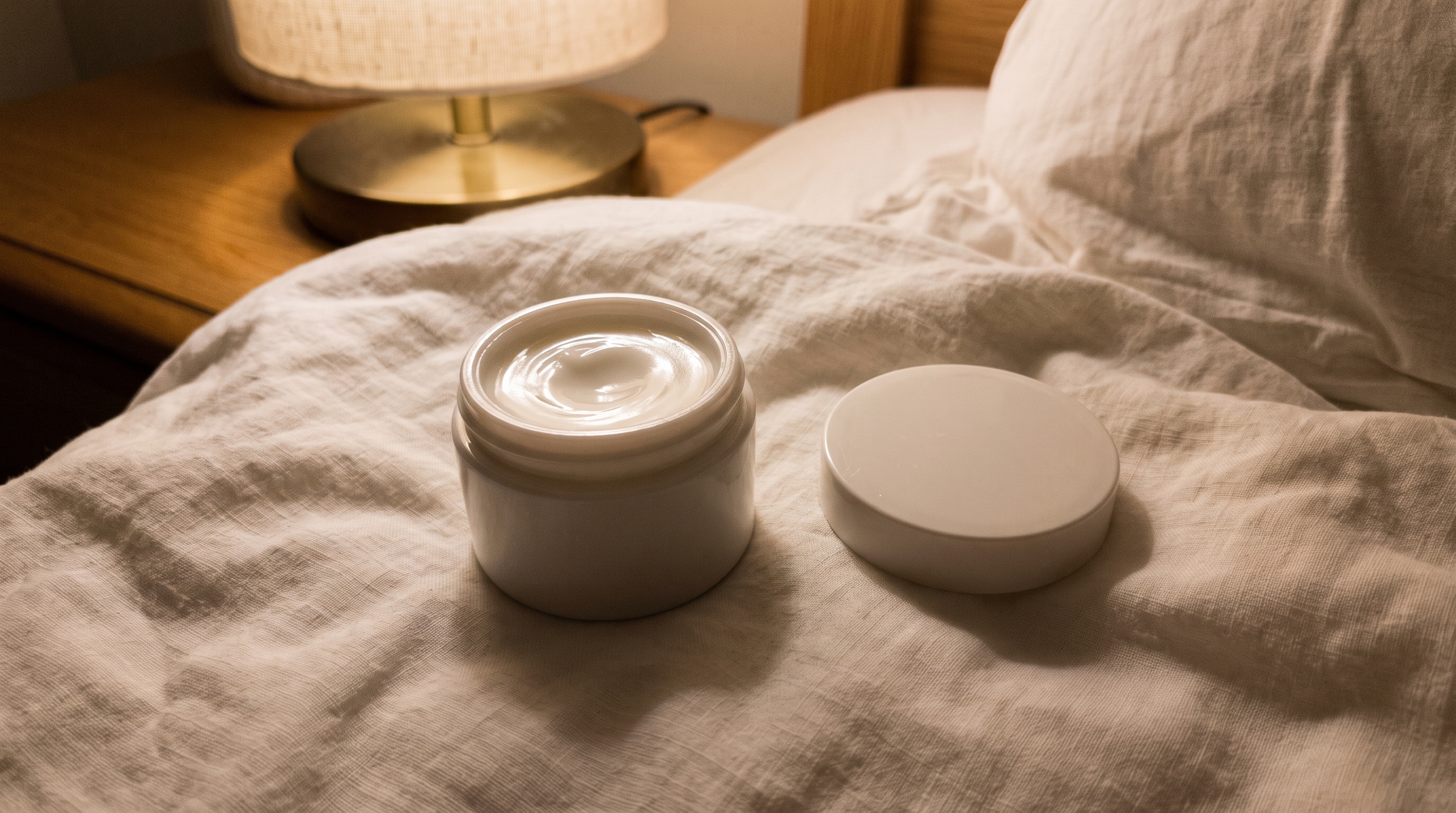
Occlusion. A hydrogel sheet sits on the skin for six to eight hours and blocks water from evaporating. The skin barrier normally loses a steady trickle of water to the air; covering it lets the outer layers rehydrate from within [5].
Humectant hydration. Collagen, hyaluronic acid, glycerin and similar ingredients in the gel attract and bind water at the surface. Moisturizer research shows that combining humectants with occlusion is one of the most effective ways to raise surface hydration quickly [6].
Swelling of the outer layer. When the stratum corneum takes on water, its cells swell and flatten out. Fine dehydration lines soften, the surface reflects light more evenly, and skin looks smoother and brighter. That is the glass-skin effect.
None of this is fake, and for dry or dehydrated skin it can be a genuinely pleasant treatment. It works much like a very efficient overnight face mask or a long sheet mask session. The limitation is time: the water gained through occlusion leaves again over the following hours once the barrier is exposed to air, so the effect typically fades within a day.
In a longer controlled trial, 0.4% retinol applied to the arm for 24 weeks visibly smoothed fine wrinkles compared with a plain lotion and increased the skin’s own collagen production.
Who a collagen mask suits, and how to use one
A collagen mask is a reasonable purchase if you understand what you are buying: a strong, temporary hydration boost.
- Good fit: dry or dehydrated skin, skin that feels tight after flights or in heated rooms, and the night before an event when you want smooth makeup application.
- Use with care: acne-prone skin, because heavy occlusion for eight hours can aggravate breakouts in some people. Try a shorter wear time first.
- Frequency: once or twice a week is plenty. Because the effect is temporary, nightly use adds cost without adding lasting change.
- Order: apply the mask as the final step over clean skin or a simple serum. Avoid wearing it directly over strong exfoliating acids or prescription actives, since occlusion can increase how much of those reaches the skin and make irritation more likely.
- Check the label: look for a short, fragrance-free ingredient list with humectants such as glycerin or hyaluronic acid alongside the collagen. Fragrance under an occlusive sheet for hours is an easy way to irritate sensitive skin.
What actually rebuilds collagen
If your goal is firmer skin that lasts beyond breakfast, the question to ask is not “how do I put collagen on my skin?” but “how do I get my skin to make more of it?” Our article on whether collagen creams work goes into the same question for creams, and the answer is the same.
The best-supported answer is retinol. In a study of naturally aged skin in people over 80, Varani and colleagues found that applying 1% retinol for seven days increased fibroblast growth and collagen production while reducing the enzymes that break collagen down [7]. In a longer controlled trial, 0.4% retinol applied to the arm for 24 weeks visibly smoothed fine wrinkles compared with a plain lotion and increased the skin’s own collagen production [8].
Daily broad-spectrum sunscreen protects the collagen you already have, and our guide on how to boost collagen production covers the other habits and ingredients that support it.
Where Nanoretinol fits
The obstacle for many people is that conventional retinol can be harsh. Many formulas rely on solvents and petroleum-derived ingredients that force retinol through the skin by disrupting its barrier, which causes the redness and peeling that sends people back to gentler, purely cosmetic options like masks.
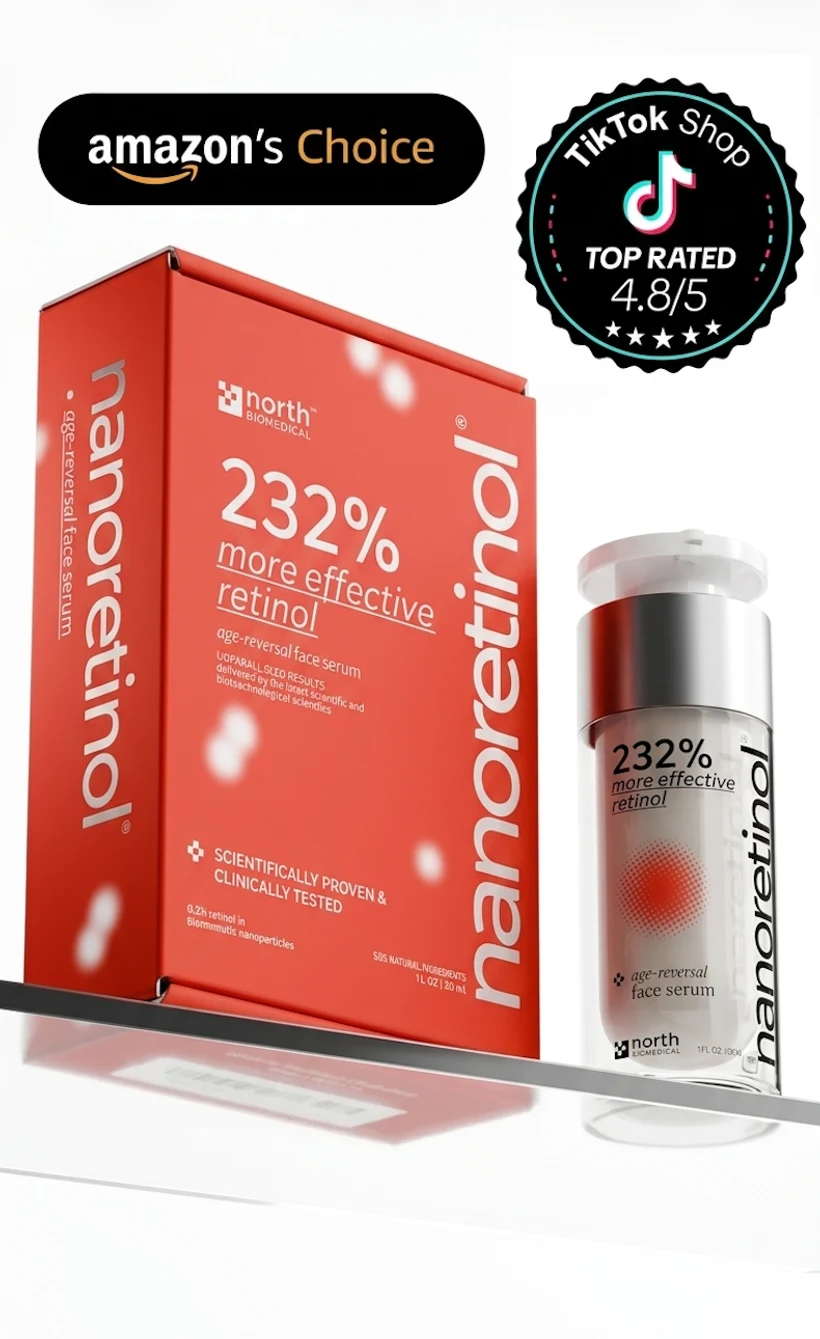
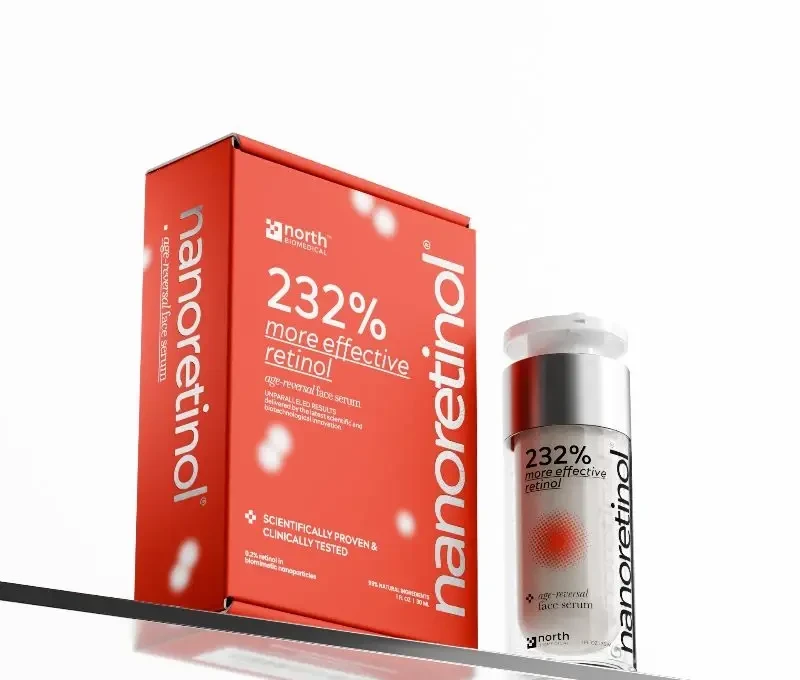
Nanoretinol was designed to remove that trade-off. It encapsulates stabilized 0.2% retinol in biomimetic lipid nanoparticles that skin recognizes as its own, so the retinol reaches skin cells without breaking down the barrier. In North Biomedical’s study summary, it was 232% more effective in collagen recovery and 73% more effective in elastin recovery than conventional retinol, and 56 days of use produced a 61% increase in skin firmness and a 56% increase in elasticity. Its light, water-based gel is suitable for sensitive skin and the eye contour.
A sensible routine keeps both: Nanoretinol on most nights to work on the collagen itself, and an occasional collagen mask on a non-retinol night when you want the quick, glossy boost.
The honest verdict
A collagen mask is a hydration treatment with excellent marketing. It will not add collagen to your skin, but it can make skin look smoother and more radiant for a day, and that is worth something. Enjoy it for what it is, and put your long-term effort into the ingredients that help your skin build its own collagen.
References
- Varani J, Dame MK, Rittie L, et al. “Decreased collagen production in chronologically aged skin: roles of age-dependent alteration in fibroblast function and defective mechanical stimulation.” The American Journal of Pathology. 2006;168(6):1861-1868. doi:10.2353/ajpath.2006.051302
- Bos JD, Meinardi MMHM. “The 500 Dalton rule for the skin penetration of chemical compounds and drugs.” Experimental Dermatology. 2000;9(3):165-169. doi:10.1034/j.1600-0625.2000.009003165.x
- Sionkowska A, Adamiak K, Musiał K, Gadomska M. “Collagen based materials in cosmetic applications: A review.” Materials. 2020;13(19):4217. doi:10.3390/ma13194217
- Aguirre-Cruz G, León-López A, Cruz-Gómez V, et al. “Collagen hydrolysates for skin protection: Oral administration and topical formulation.” Antioxidants. 2020;9(2):181. doi:10.3390/antiox9020181
- Proksch E, Brandner JM, Jensen JM. “The skin: an indispensable barrier.” Experimental Dermatology. 2008;17(12):1063-1072. doi:10.1111/j.1600-0625.2008.00786.x
- Purnamawati S, Indrastuti N, Danarti R, Saefudin T. “The role of moisturizers in addressing various kinds of dermatitis: A review.” Clinical Medicine & Research. 2017;15(3-4):75-87. doi:10.3121/cmr.2017.1363
- Varani J, Warner RL, Gharaee-Kermani M, et al. “Vitamin A antagonizes decreased cell growth and elevated collagen-degrading matrix metalloproteinases and stimulates collagen accumulation in naturally aged human skin.” Journal of Investigative Dermatology. 2000;114(3):480-486. doi:10.1046/j.1523-1747.2000.00902.x
- Kafi R, Kwak HSR, Schumacher WE, et al. “Improvement of naturally aged skin with vitamin A (retinol).” Archives of Dermatology. 2007;143(5):606-612. doi:10.1001/archderm.143.5.606