Niacinamide Benefits for Skin: What This Ingredient Actually Does
Niacinamide benefits go far beyond hype. Learn how this vitamin B3 derivative reduces dark spots, strengthens the skin barrier, and works alongside retinol.

North Biomedical topic guide
Browse evidence-based skincare ingredient guides covering antioxidants, acids, hydrators, oils, peptides, vitamins, barrier support, and more.
Overview
Ingredient names are useful only when they lead to a better formula choice. Concentration, stability, vehicle, packaging, skin contact time, and the rest of the routine can determine whether a promising molecule becomes a useful product.
Use this library to compare what an ingredient does, what evidence supports topical use, who may benefit, and where marketing gets ahead of the data. Each guide separates plausible mechanism from demonstrated outcome.
Foundational guides
These overviews establish the vocabulary, evidence, and limits you will need for the more specific guides below.
Niacinamide benefits go far beyond hype. Learn how this vitamin B3 derivative reduces dark spots, strengthens the skin barrier, and works alongside retinol.
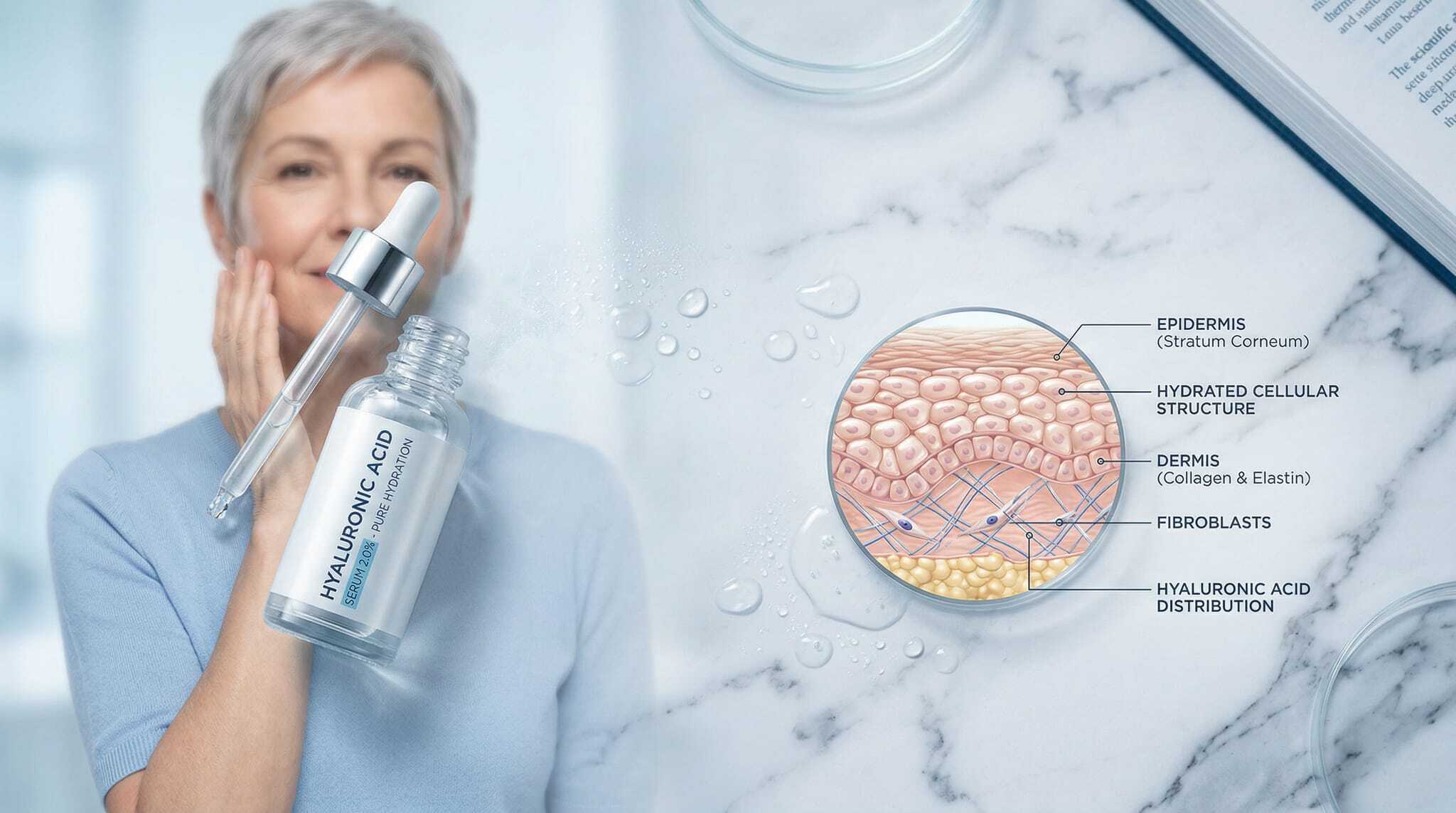
Hyaluronic acid benefits include deep hydration, plumper skin, and reduced wrinkles. Learn how molecular weight affects absorption and why HA matters after 40.
Peptides for skin stimulate collagen through distinct mechanisms. Learn the three classes of peptides, what clinical studies show, and how to pair them with retinol.
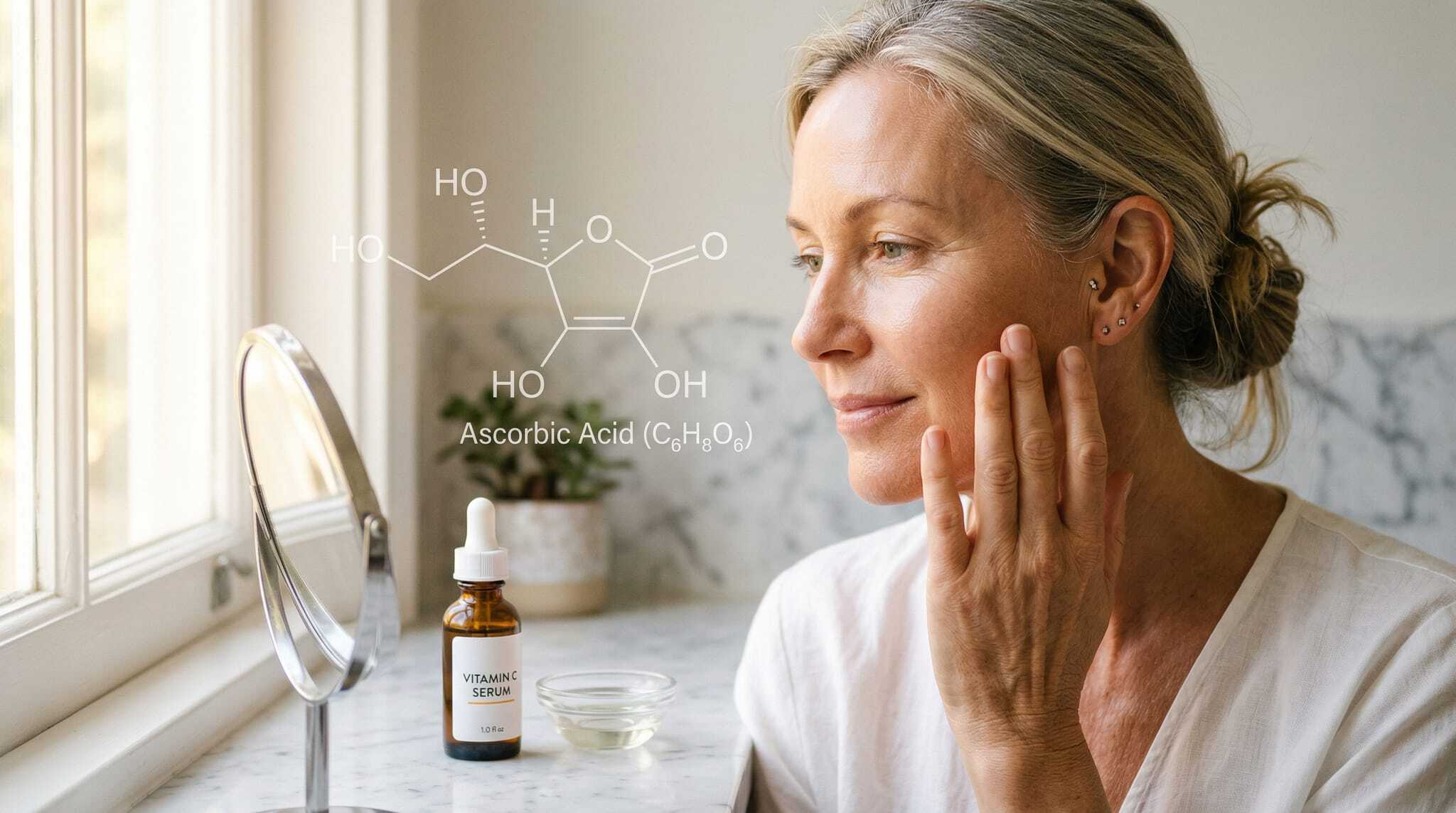
Vitamin C serum benefits include collagen synthesis, photoprotection, and dark spot fading. Learn how L-ascorbic acid fights skin aging and pairs with retinol.

Ceramides are structural lipids essential to the skin barrier. Learn how levels change with age and how ceramide products can improve dryness and active tolerance.
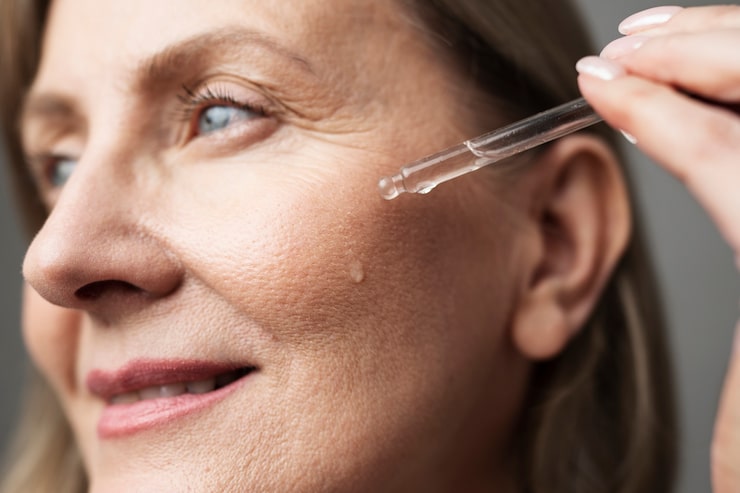
Antioxidant skin care helps limit free-radical damage linked to visible aging. Compare the best-supported antioxidants and build an effective routine after 40.
Curated paths
Follow a short sequence when you want a focused answer without scanning the entire library.
Path 1
Compare humectants, emollients, occlusives, and barrier lipids by the job they perform.
Path 2
Review evidence and formulation constraints for common antioxidant and tone-support ingredients.
Path 3
Choose among AHAs, BHAs, PHAs, and gentler acids according to goal and tolerance.
Complete topic library
200 articles shown
No article in this topic matches that filter. Try a broader term.
