North Biomedical topic guide

Dark Spots & Hyperpigmentation: Causes, Ingredients, and Treatment

Identify common causes of dark spots and uneven tone, then compare sunscreen, brightening ingredients, retinoids, and procedures by concern.

50 evidence-led articles, organized in one place

How to use this guide

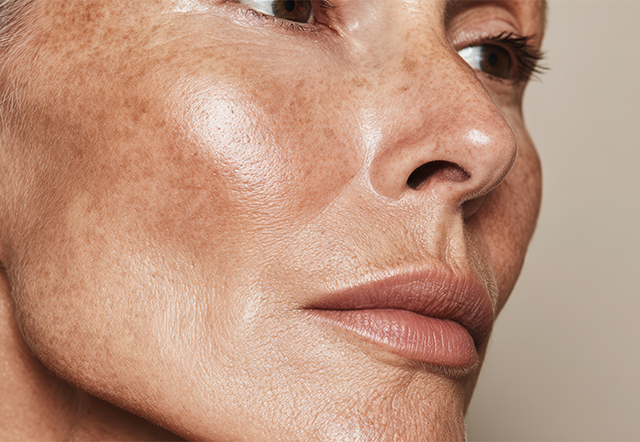
Dark spots are an outcome, not a single diagnosis. Ultraviolet exposure, post-inflammatory pigment, melasma, friction, irritation, medication, and underlying health conditions can create similar-looking discoloration through different pathways.

This hub begins with pattern and cause, then organizes treatment options by ingredient, body area, and procedure. Persistent, changing, symptomatic, or unexplained pigment should be assessed by a qualified clinician before it is treated as a cosmetic spot.

Go deeper by goal

Follow a short sequence when you want a focused answer without scanning the entire library.

Browse all 50 articles

50 articles shown

  1. Age Spots on Face: What Causes Them and How to Actually Get Rid of Them Age spots on face result from decades of UV exposure that permanently alter melanocytes. Learn what clinical research says about treatments that actually work.
  2. Age Spots on Hands: What They Really Are and How to Fade Them Age spots on hands are UV-related solar lentigines. See why they form, which treatments can fade them, and how daily sun protection prevents new spots.
  3. Age Spots on Legs: Why They Appear and How to Fade Them Age spots on legs are caused by decades of UV-triggered melanin clusters. Learn what treatments dermatologists recommend and how retinol can help fade them.
  4. Alpha Arbutin: The Science-Backed Skin Brightener Women Over 40 Should Know Alpha arbutin inhibits tyrosinase to fade dark spots and hyperpigmentation safely. Learn the science, optimal concentrations, and how to combine it with retinol.
  5. Best Eye Cream for Dark Circles and Under-Eye Bags: What Actually Works The best eye cream for dark circles depends on the cause. Compare caffeine, retinoids, pigment treatments, moisturizers, and options for under-eye bags.
  6. Best Hand Cream for Aging Hands: What Actually Firms Crepey Skin and Fades Age Spots The best hand cream for aging hands needs more than moisture. A science-backed guide to firming crepey skin, fading age spots, and protecting hands after 40.
  7. Blotchy Skin: What Causes Uneven Patches and How to Finally Even Things Out Blotchy skin is caused by UV damage, hormones, and inflammation. Learn the science behind uneven skin tone and evidence-based treatments that actually work.
  8. Can Retinol Reverse Sun Damage? What Science Says About Photoaging Can retinol reverse sun damage? Review evidence for fine lines and uneven pigment, what it cannot undo, how long results take, and why sunscreen remains essential.
  9. Can You Actually Reverse Sun Damage on Your Face? Science Says Yes — Here's How Sun damage face repair is backed by clinical evidence. Learn which ingredients reverse photoaging, rebuild collagen, and restore skin texture after UV damage.
  10. Dark Circles Under Eyes: What Actually Causes Them and How to Treat Them Dark circles under the eyes can come from pigment, vessels, shadows, or thin skin. Identify the cause and compare treatments with realistic evidence.
  11. Dark Elbows and Dark Knees: Why They Darken and How to Lighten Them Dark elbows and dark knees are caused by friction melanosis and dryness. Learn what ingredients actually lighten them and how long it takes.
  12. Dark Inner Thighs: What Causes Them and How to Actually Fade the Pigmentation Dark inner thighs are usually post-inflammatory hyperpigmentation from friction. Learn the cause and the evidence-based fade routine.
  13. Dark Knuckles: What Causes Them and How to Lighten the Skin Dark knuckles are caused by friction, inflammation, and extra melanin — not poor hygiene. Learn the real causes and the evidence-based way to fade them.
  14. Dark Lips: The Science of Lip Pigmentation and How to Lighten Them Dark lips explained by science: why lip pigmentation develops and how to lighten dark lips safely with SPF, gentle actives, and cell turnover.
  15. Dark Neck: Why Skin on Your Neck Gets Darker and What Actually Helps Dark neck skin can result from UV damage, friction, hormones, or eczema. Learn the science behind neck hyperpigmentation and which treatments work for each type.
  16. Dark Spot Correctors: Which Ingredients Actually Fade Hyperpigmentation Do dark spot correctors work? Compare clinically supported ingredients for hyperpigmentation and melasma, plus the timeline and sunscreen needed for results.
  17. Dark Spots on Arms: What Causes Them and How to Fade Them for Good Dark spots on arms are often UV-related solar lentigines. Learn how to distinguish common causes, which treatments can fade them, and how to prevent more.
  18. Dark Spots on Back: Why They Appear and How to Fade Them Dark spots on the back are usually solar lentigines from cumulative sun damage. Learn the proven ingredients that fade them and how to protect new skin.
  19. Dark Spots on Chest: What Causes Them and How to Actually Fade Them Dark spots on chest and décolletage are driven by decades of UV exposure on neglected skin. Learn the causes, clinical treatments, and proven topical ingredients.
  20. Dark Spots on Face: Causes, Treatments, and the Ingredients That Actually Work Dark spots on the face have different causes and need targeted care. Compare evidence-backed brightening ingredients, sunscreen, and realistic treatment timelines.
  21. Dark Spots on Forehead: What Causes Them and How to Fade Them Dark spots on the forehead are usually sun-driven hyperpigmentation. Learn what causes them and the evidence-based ingredients that genuinely fade them.
  22. Dark Spots on Nose: Why They Appear There and How to Actually Fade Them Dark spots on the nose are usually sun-driven pigmentation, not blackheads. Learn what causes them and which ingredients actually fade them, backed by research.
  23. Dark Underarms: What Actually Causes Them and How to Fade Them Dark underarms are caused by friction, shaving, deodorants, and post-inflammatory pigmentation. Learn which evidence-based ingredients actually lighten them.
  24. Dark Upper Lip: Why Pigmentation Forms There and How to Fade It A dark upper lip is usually perioral melasma or sun-triggered hyperpigmentation. Learn the science and evidence-based treatment to fade it consistently.
  25. Does Retinol Help Dark Spots? How It Works and Timelines Does retinol help dark spots? See which types may respond, how retinoids affect hyperpigmentation, realistic timelines, and when to seek care.
  26. How to Get Rid of Dark Spots on Your Body: A Head-to-Toe Guide How to get rid of dark spots on the body: what causes them, which dark spot remover ingredients work, and why body skin needs a different plan than your face.
  27. How to Get Rid of Freckles: What Actually Fades Them (and What Doesn't) How to get rid of freckles: understand why they form, which ingredients actually fade them, and how to stop new ones from appearing after 40.
  28. Hydroquinone for Dark Spots: How It Works, When to Use It, and What's Changed Hydroquinone cream is the classic treatment for dark spots. Learn how it works, what the safety evidence says, and which alternatives the science now supports.
  29. Hyperpigmentation Around the Mouth: Causes and How to Fade It Hyperpigmentation around the mouth comes from inflammation, sun, and friction. Here's what causes the dark skin and how to fade it effectively.
  30. Hyperpigmentation on Cheeks: Why It Lands Here and How to Treat It Hyperpigmentation on the cheeks is driven by sun exposure, melasma, and post-acne marks. Learn why pigment concentrates here and the proven ingredients that fade it.
  31. Hyperpigmentation on Face: Why It Happens and How to Fade It Hyperpigmentation on the face comes from overactive melanin. Learn the real causes, the four main types, and the evidence-based ingredients that fade dark patches.
  32. Hyperpigmentation on Legs: Why Dark Spots Appear and How to Fade Them Hyperpigmentation on legs comes from shaving, ingrown hairs, sun, and healed blemishes. Learn what causes leg dark spots and how to fade them for good.
  33. Hyperpigmentation Treatment: What Actually Fades Dark Spots (and What Wastes Your Money) Hyperpigmentation treatment that works: how tyrosinase inhibitors, retinoids, tranexamic acid, and sunscreen fade dark spots, backed by clinical research.

  34. Kojic Acid for Skin: The Fungus-Derived Brightener That Fights Dark Spots Without Hydroquinone Kojic acid inhibits tyrosinase to target dark spots and uneven tone. Review its evidence, irritation risk, product use, and safe combinations with other actives.
  35. Leathery Skin: Why It Happens and How to Soften Sun-Damaged Skin Leathery skin is the result of UV-driven collagen and elastin breakdown. Learn what causes that tough, weathered texture and how to genuinely soften it.
  36. Licorice Root Extract for Skin: The Botanical Brightener Women Over 40 Are Using Discover the clinical benefits of licorice root extract for skin. Learn how glabridin safely fades dark spots, hyperpigmentation, and brightens mature skin.
  37. Liver Spots: What They Really Are and How to Fade Them Liver spots are sun-driven age spots, not a liver problem. Learn what causes them and the science-backed treatments that actually fade them.
  38. Melasma Mustache: Why Upper-Lip Pigmentation Happens and What Actually Fades It Melasma mustache causes upper-lip shadowing that looks stubborn. Learn what fades it, what worsens it, and how to support brighter skin.
  39. Melasma Treatment: A Science-Backed Guide to Fading Stubborn Dark Patches A comprehensive guide to melasma treatment, comparing hydroquinone, tranexamic acid, and why retinol is essential for long-term management after 40.
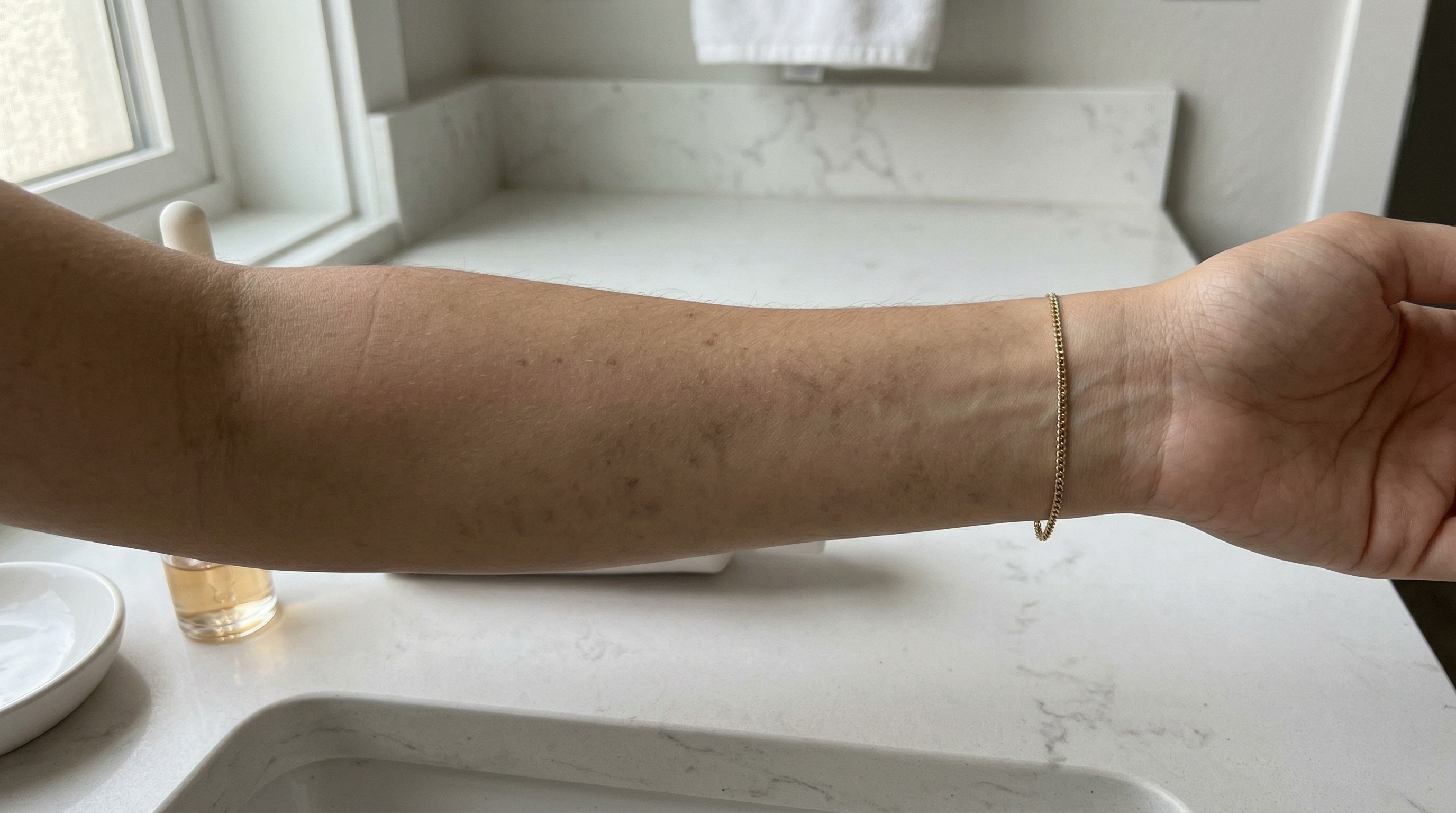
  40. Post-Inflammatory Hyperpigmentation: Why Those Dark Spots Linger and How to Actually Fade Them Post-inflammatory hyperpigmentation leaves excess pigment after acne, irritation, or injury. Learn who is most affected and which treatments help it fade safely.
  41. PRP Under Eyes: What Platelet-Rich Plasma Really Does for Dark Circles and Crepey Skin PRP under eyes uses your own platelets to target dark circles and crepey skin. Here's what the research shows — and a smarter at-home alternative.
  42. Sallow Skin: What Causes That Dull Yellow Tone and How to Fix It Sallow skin has two distinct causes: melanin irregularities and AGEs. Learn the science behind skin yellowing and the evidence-based routine that addresses both.
  43. Sun Damage on the Chest: Why the Décolletage Ages Fast and How to Fix It Sun damage on the chest causes mottled pigment, crepey texture, and vertical wrinkles. Learn why the décolletage ages fast and the evidence-based way to repair it.
  44. Sun Damaged Skin: What It Really Is and How to Reverse It Sun damaged skin is reversible. Learn what UV does to collagen, which treatments actually undo photoaging, and how to build a repair routine that works.
  45. Sunscreen for Hyperpigmentation: Why SPF Is the Missing Step in Your Dark Spot Routine Sunscreen is essential for fading hyperpigmentation. Learn why UVA and visible light matter, when iron oxides help, and how to choose and apply daily protection.
  46. Tranexamic Acid for Dark Spots: A Gentler Approach to Hyperpigmentation Tranexamic acid targets pathways involved in excess pigment. Review topical and oral evidence, safety, results, and how it compares with other dark-spot treatments.
  47. Tyrosinase Inhibitors: The Skincare Ingredients That Actually Fade Dark Spots, Ranked by Evidence Tyrosinase inhibitors reduce steps in melanin production. Compare hydroquinone, thiamidol, azelaic acid, kojic acid, arbutin, and others by clinical evidence.
  48. Uneven Skin Tone: What Causes It and How to Even Out Your Complexion Uneven skin tone results from UV damage, hormonal shifts, and inflammation. Learn which ingredients and treatments actually restore a balanced complexion.
  49. Vitamin C Serum Benefits for Aging Skin: The Science-Backed Anti-Aging Powerhouse Vitamin C serum benefits include collagen synthesis, photoprotection, and dark spot fading. Learn how L-ascorbic acid fights skin aging and pairs with retinol.
  50. Vitamin K for Skin: The Unsung Ingredient That Fights Dark Circles, Bruising, and Visible Veins Vitamin K for skin reduces dark circles, bruising, and spider veins. Learn the clinical evidence behind topical phytonadione and how it complements retinol.