North Biomedical topic guide

Loose, Crepey & Sagging Skin: A Practical Evidence Guide

Understand why skin loses firmness and compare evidence-based options for crepey, loose, sagging, and wrinkled skin by body area.

150 evidence-led articles, organized in one place

How to use this guide

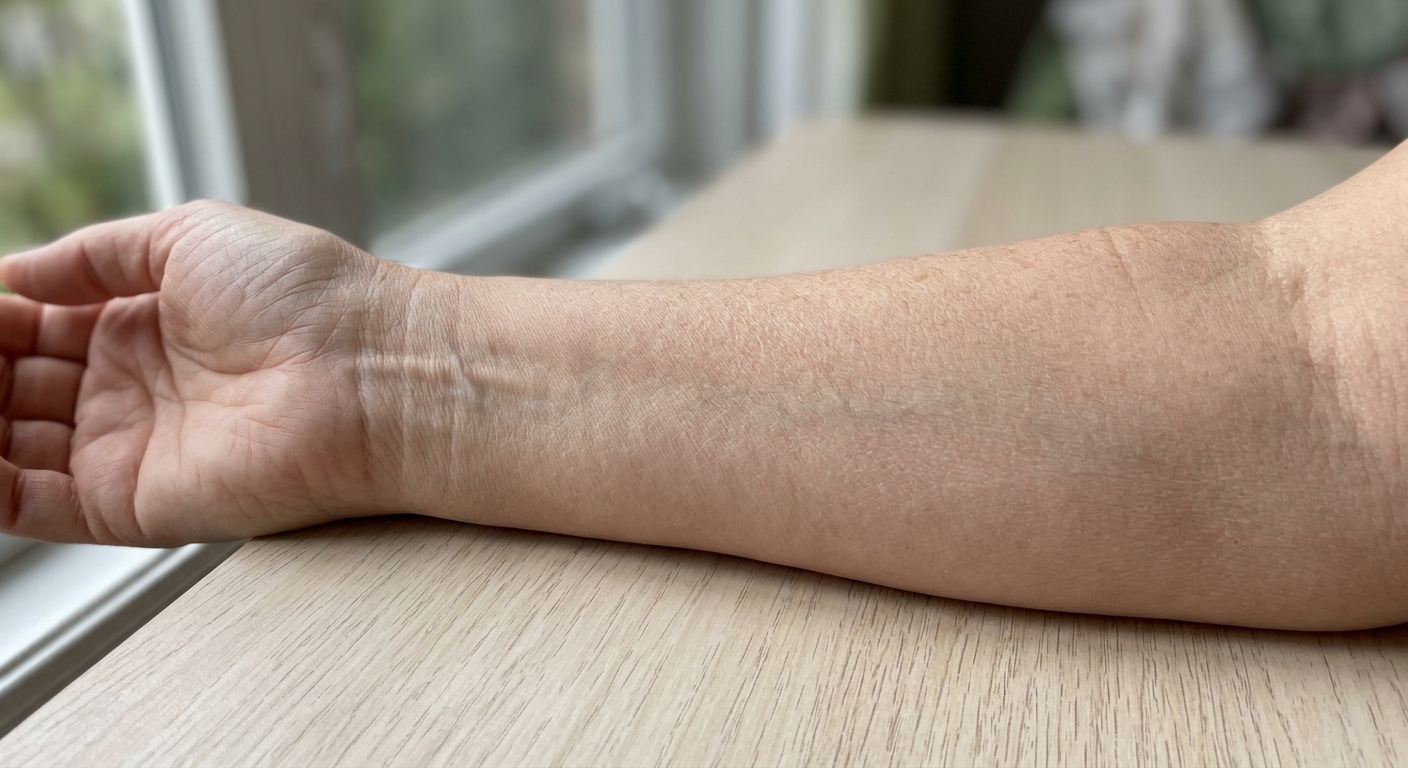
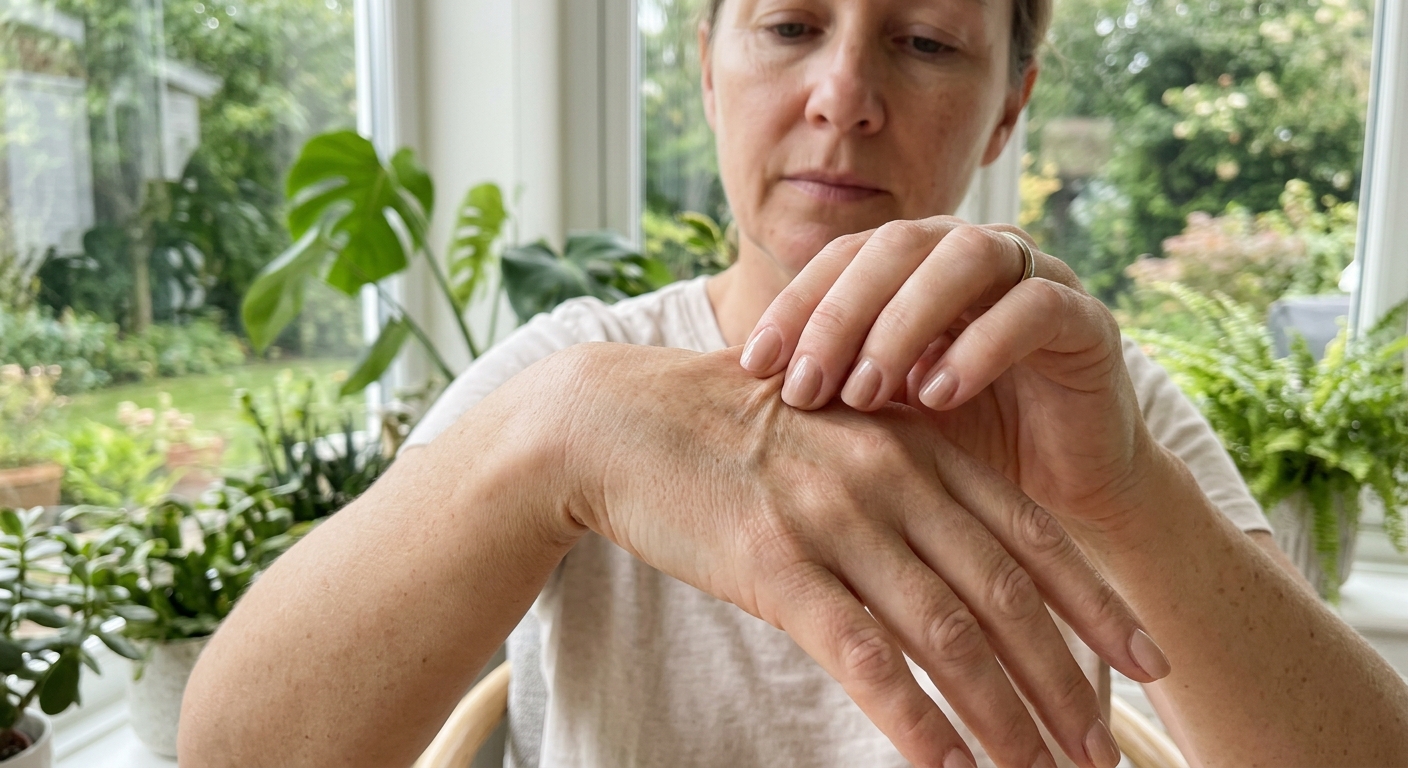
Loose, crepey, and sagging skin are related, but they are not interchangeable. Crepiness usually describes a thin, finely wrinkled surface; laxity describes reduced recoil; and sagging reflects deeper structural change, volume loss, or both. The most useful treatment depends on which layer is driving what you see.

This guide organizes North Biomedical’s research by concern, body area, and intervention. Start with the overview articles to identify the likely mechanism, then compare topical care, daily prevention, and professional options without assuming that one product can reproduce a procedure.

Go deeper by goal

Follow a short sequence when you want a focused answer without scanning the entire library.

Browse all 150 articles

150 articles shown

  1. Adenosine for Skin: How This Anti-Wrinkle Active Works (and Where Retinol Still Wins) Adenosine in skin care smooths wrinkles by signaling fibroblasts to make collagen. Learn how it works, what the studies show, and how it compares to retinol.
  2. Aging Hands: Why They Give Away Your Age and How to Make Them Look Younger Aging hands show wrinkles, dark spots, and volume loss from UV damage and collagen decline. Learn evidence-based treatments to make hands look younger.
  3. Anti Wrinkle Facial Serum: How to Choose One That Actually Works Choose an anti-wrinkle facial serum by evidence, not marketing. Compare retinoids, vitamin C, peptides, hydration, and the delivery systems that matter.
  4. Anti Wrinkle Night Cream: What Actually Works While You Sleep, According to Science Choose an anti-wrinkle night cream by its active ingredients and delivery system. Compare retinoids, peptides, moisturizers, and barrier-supporting formulas.
  5. Astaxanthin for Skin: Why This Marine Antioxidant Is 6,000× Stronger Than Vitamin C Astaxanthin for skin may support moisture, elasticity, and resilience to UV stress. Review the human evidence, realistic benefits, dosing, and limitations.
  6. Best Body Lotion for Aging Skin: What Actually Firms Crepey Arms, Legs, and Décolletage Best body lotion for aging skin: a science-backed ranking of retinol, peptides, ceramides, and AHAs that actually firm crepey body skin over 40.
  7. Best Collagen Supplement for Sagging Skin: What the Clinical Evidence Actually Shows Compare collagen supplements for sagging skin by peptide type, source, dose, and clinical evidence—and understand what oral collagen cannot realistically fix.
  8. Best Eye Cream for Dark Circles and Under-Eye Bags: What Actually Works The best eye cream for dark circles depends on the cause. Compare caffeine, retinoids, pigment treatments, moisturizers, and options for under-eye bags.
  9. Best Eye Cream for Wrinkles: What Actually Smooths Fine Lines Around the Eyes The best eye cream for wrinkles isn't about the jar — it's the ingredients. See what dermatology research says works on crow's feet and fine lines.
  10. Best Face Cream for Sagging Skin: What Actually Firms (And What Doesn't) Best face cream for sagging skin: the ingredients with real clinical evidence for firming loose skin, and the ones to ignore. Plus what to expect.
  11. Best Face Mask for Aging Skin: What a Mask Can (and Can't) Do for Wrinkles The best face mask for aging skin delivers real hydration and radiance. Learn which ingredients matter and where a mask's power ends, per the science.
  12. Best Hand Cream for Aging Hands: What Actually Firms Crepey Skin and Fades Age Spots The best hand cream for aging hands needs more than moisture. A science-backed guide to firming crepey skin, fading age spots, and protecting hands after 40.
  13. Best Neck Firming Cream: What Actually Works, According to Dermatology Research Best neck firming cream ingredients ranked by clinical evidence. Learn which actives actually tighten neck skin and what dermatologists recommend for women over 40.
  14. Best Skin Firming Serum: What Actually Tightens Aging Skin (Backed by Science) Compare skin-firming serum ingredients such as retinoids, vitamin C, and peptides by clinical evidence, formulation, tolerability, and realistic tightening effects.
  15. Best Treatment for Deep Wrinkles on Face: What Actually Works According to Science Discover the best treatments for deep wrinkles on your face backed by clinical trials. Learn which ingredients actually rebuild collagen and smooth deep lines.
  16. Best Wrinkle Cream: What Actually Works, According to Dermatology Research The best wrinkle cream isn't about price or marketing. Learn which ingredients have real clinical evidence for fine lines and why delivery matters as much as dose.
  17. Best Wrinkle Filler Cream: What Actually Plumps Lines (and What Just Hides Them) Best wrinkle filler creams compared: instant-blur silicones vs. structural collagen builders. What the clinical literature says about each, and what to choose.
  18. Botox Alternatives: What Actually Works for Wrinkles Without Needles Looking for Botox alternatives? We rank the most effective non-injectable wrinkle treatments by clinical evidence — peptides, retinol, microcurrent, and more.
  19. Botox Around the Mouth: What to Expect When Treating Smile Lines and Lip Wrinkles Considering Botox around your mouth for lip lines or a gummy smile? Learn how neuromodulators work on perioral wrinkles and when retinol might be a better choice.
  20. Bunny Lines: Why Those Wrinkles Appear on Your Nose and What Actually Smooths Them Bunny lines are dynamic wrinkles that form across the nose from repeated muscle movement. Here's the anatomy, the photoaging science, and what works.
  21. Can Retinol Reverse Sun Damage? What Science Says About Photoaging Can retinol reverse sun damage? Review evidence for fine lines and uneven pigment, what it cannot undo, how long results take, and why sunscreen remains essential.
  22. Castor Oil for Face: Does It Really Help Wrinkles? What the Science Says Does castor oil for face really fight wrinkles? The science on what castor oil benefits for skin actually deliver, what they don't, and the proven alternative.
  23. Cellulite Treatment: What Actually Works, According to the Science Cellulite treatment options ranked by clinical evidence. Learn what causes dimpling, which topical ingredients work, and what science says about lasting results.
  24. Cheek Wrinkles: What Causes Them and How to Make Them Fade Cheek wrinkles form when collagen loss and repeated muscle movement combine. Learn the science behind cheek lines and what topical ingredients actually work.
  25. Chest Wrinkles: Why They Form and How to Restore Your Décolletage Learn about the causes of chest wrinkles—from sun damage to sleep positions—and explore science-backed treatments like retinoids and laser therapy.
  26. Chest Wrinkles: Why Your Décolletage Ages Faster and What Actually Helps Chest wrinkles form from UV damage, collagen loss, and sleep position. Learn what dermatology says actually works for decolletage anti-aging.
  27. Chin Wrinkles: Why That Cobblestone Texture Appears and How to Smooth It Chin wrinkles come from the mentalis muscle, dermal collagen loss, and dehydration. Learn the science and the topical strategy that actually works.
  28. Collagen Banking: Why Your 40s Are the Best Time to Start Collagen banking is the proactive strategy dermatologists recommend for women in their 40s. Here's the science behind it and the most effective way to start.
  29. Collagen Boosting Foods: What to Eat to Support Your Skin from the Inside Out Collagen boosting foods like bone broth, citrus, and leafy greens support skin elasticity. Learn which nutrients science proves stimulate collagen production.
  30. Collagen in Coffee: Does It Actually Work — or Does the Heat Ruin It? Does collagen in coffee work, or does the heat destroy it? Here's the science on collagen powder in hot coffee, absorption, and what it means for your skin.
  31. Cortisol Face: What Stress Really Does to Your Skin and How to Reverse It Cortisol face isn't just puffiness. Learn how the stress hormone breaks down collagen and ages skin, plus what actually reverses it.
  32. Crepey Eyelids: Why the Skin Above Your Eyes Wrinkles First and What Actually Smooths It Crepey eyelids form when collagen and elastin in the thinnest skin on your face break down. Learn what the science says works to restore smoothness.
  33. Crepey Hands: Why They Happen and How to Firm Thin, Wrinkled Skin Crepey hands come from collagen loss, elastin breakdown, and sun damage in thin skin. Here's what causes them and how to firm crepey hand skin.
  34. Crepey Neck Skin: Why It Happens and What Actually Works Crepey neck skin results from collagen loss, elastin degradation, and UV damage. Learn the science and which treatments actually rebuild the dermis.
  35. Crepey Neck: What Causes That Tissue-Paper Texture and How to Actually Smooth It Crepey neck is caused by collagen loss, fragmented elastin, and barrier thinning. Learn the science and what actually works to firm and smooth it.
  36. Crepey Skin on Arms: Why It Happens and How to Firm It Up Crepey skin on arms is caused by collagen loss and UV damage. Learn evidence-based treatments including retinoids, peptides, and nanoparticle delivery systems.
  37. Crepey Skin on Face: Best Treatments That Actually Work Crepey skin on face results from collagen and elastin loss. Learn the best face creams and ingredients proven to firm, plump, and restore texture.
  38. Crepey Skin on Legs: What Causes It and the Best Lotions to Actually Fix It Crepey skin on legs is caused by collagen loss, UV damage, and declining hyaluronic acid. Discover the best lotions and science-backed treatments that actually work.
  39. Crow's Feet: What Causes Them and How to Actually Treat Them Crow's feet reflect thin eye-area skin, repeated muscle movement, UV exposure, and collagen loss. Compare the topical, injectable, and device treatments that work.
  40. Deep Forehead Wrinkles: What Actually Smooths Them (Beyond Botox) Deep forehead wrinkles include dynamic and etched-in lines. Compare retinoids, peptides, resurfacing, injectables, and the limits of moisturizers alone.
  41. Do Collagen Creams Work? What the Science Actually Says Do collagen creams work? The science on whether topical collagen can penetrate skin, what it really does, and what actually rebuilds your own collagen.
  42. Do Collagen Supplements Actually Improve Skin Elasticity? What the Science Says Do collagen supplements improve skin elasticity? Review clinical trials, absorption, effective doses, likely effect size, and what rebuilds collagen in the dermis.
  43. Do Wrinkle Patches Really Work? The Science Behind Silicone Patches Do wrinkle patches work? The science on silicone and frownie wrinkle patches, what occlusion really does, and why the smoothing fades by afternoon.
  44. Does Retinol Build Collagen? The Science of Collagen Restoration Does retinol build collagen? Yes — here's exactly how it works at the cellular level, what the clinical trials show, and why delivery determines results.
  45. Does Retinol Really Reduce Wrinkles? What the Clinical Evidence Says Does retinol reduce wrinkles? We review the clinical trials and peer-reviewed evidence behind retinol's anti-wrinkle effects, and what actually makes it work.
  46. Does Retinol Thin Your Skin? The Science Behind Skincare's Scariest Myth Does retinol thin skin? It can compact the outer dead-cell layer while supporting a thicker living epidermis and dermis. Review the clinical evidence and safe use.
  47. Downturned Mouth Corners: Why They Develop and What Actually Lifts Them Downturned mouth corners are caused by DAO muscle overpull, fat compartment loss, and collagen decline. Here's the anatomy and what works to lift them.
  48. Elastin: The Forgotten Protein That Determines Whether Your Skin Bounces Back Elastin gives skin resilience and recoil. Learn how aging and UV exposure damage elastic fibers, what solar elastosis means, and which treatments have evidence.
  49. Eye Bags: What Causes Them and How to Actually Reduce Puffiness Under Your Eyes Eye bags are caused by fat pad herniation, fluid retention, and collagen loss. Learn what science says works to reduce puffiness and tighten under-eye skin.
  50. Eye Cream for Wrinkles: Which Ingredients Actually Work, According to Science Compare eye-cream ingredients for wrinkles, including retinoids, peptides, vitamin C, caffeine, and moisturizers, with realistic benefits for the delicate eye area.
  51. Eye Wrinkles When Smiling: Why Dynamic Lines Form and How to Soften Them Eye wrinkles when smiling are dynamic lines caused by repeated muscle movement. Learn why they form, when they become permanent, and how to soften them.
  52. Eyelid Wrinkles: What Causes Them and What Actually Smooths Them Eyelid wrinkles form earlier due to ultra-thin skin and constant movement. Discover evidence-based treatments that smooth and firm periorbital skin safely.
  53. Face Taping for Wrinkles: What the Science Actually Says Face taping for wrinkles is a trending technique with almost no clinical evidence. Learn the real science of wrinkle formation and what actually rebuilds collagen.
  54. FaceTite: How Radiofrequency Skin Tightening Firms the Jawline Without a Facelift FaceTite uses radiofrequency energy to tighten lower-face and neck skin without a facelift. See how it works, what results to expect, and how to maintain them.
  55. Facial Exercises for Jowls: Do They Actually Work? What the Science Really Says Can facial exercises improve jowls? Review the limited evidence, why lower-face sagging develops, and which topical, device, and procedural options are stronger.
  56. Facial Volume Loss: Why Your Face Is 'Sinking' — and What Actually Restores It Facial volume loss reflects changes in fat compartments, bone, ligaments, and collagen. Learn why hollowing occurs and which treatments can—and cannot—restore it.
  57. Festoons: What Causes Those Cheek Bags and What Actually Helps Festoons (malar mounds) are sagging pouches on the upper cheek caused by skin laxity, lymphatic congestion, and collagen loss. Here's what works.
  58. Fine Lines Around Eyes: Why the Skin There Ages First — and What Actually Smooths It Fine lines around eyes appear first because periorbital skin is the thinnest on the face. Learn the science of why they form and which treatments actually work.
  59. Frown Lines: What Causes Those '11' Lines and How to Actually Smooth Them Frown lines (glabellar lines) form from muscle contractions and collagen loss. Learn what causes '11' lines and which treatments actually work.
  60. Gaunt Face: What Causes a Hollow, Sunken Look — and How to Restore It A gaunt face comes from lost facial fat, shrinking bone, and thinning skin. Here's what causes the hollow look and how to restore fullness and firmness.
  61. Glycation and Your Skin: How Sugar Silently Accelerates Aging From the Inside Out Glycation damages skin collagen and elastin through AGEs, causing wrinkles, stiffness, and yellowing. Learn what glycation skin aging is and how to fight it.
  62. Green Tea for Skin: What EGCG Actually Does for Aging, Wrinkles, and UV Damage Green tea for skin: EGCG polyphenols protect collagen, reduce UV damage, and fight wrinkles. Learn the science behind green tea's anti-aging benefits.
  63. HIFU Treatment: Does Ultrasound Skin Tightening Actually Work? HIFU treatment uses focused ultrasound to heat deep skin and trigger new collagen. See how it works, what studies show, its real limits, and how to keep results.
  64. Hooded Eyes: Why Eyelids Sag With Age and How to Firm Them Hooded eyes develop as eyelid skin loses collagen and elasticity. Learn what causes sagging eyelids and the proven ways to firm them without surgery.
  65. How to Boost Collagen Production in Your Skin: What Actually Works Learn how to support skin collagen with sun protection, retinoids, vitamin C, procedures, sleep, and nutrition—and which popular claims lack good evidence.
  66. How to Get Rid of a Double Chin: What Actually Works According to Science How to get rid of a double chin: compare clinically proven treatments including exercises, cryolipolysis, and deoxycholic acid injections ranked by evidence.
  67. How to Get Rid of Crepey Skin: What Actually Firms Thin, Wrinkled Skin Learn why skin becomes thin and crepey and which moisturizers, retinoids, exfoliants, sun protection, and procedures can improve its texture and firmness.
  68. How to Get Rid of Forehead Wrinkles: The Science-Backed Guide Forehead wrinkles develop from muscle movement, UV damage, and collagen loss. Compare retinoids, peptides, resurfacing, and neuromodulators by evidence.
  69. How to Get Rid of Jowls: What the Science Says About a Sagging Jawline How to get rid of jowls using evidence-based skincare. Learn the real anatomy of jowl formation and which topical and professional treatments have clinical backing.
  70. How to Get Rid of Lip Wrinkles: Science-Backed Treatments for Perioral Lines Discover the most effective ways to treat vertical lip wrinkles and smokers' lines using clinical evidence, focusing on collagen recovery and barrier health.
  71. How to Get Rid of Smile Lines: What Science Says About Nasolabial Folds Smile lines deepen due to collagen loss, fat redistribution, and muscle movement. Learn what clinical research says actually works for nasolabial folds treatment.
  72. How to Get Rid of Stretch Marks: Treatments That Actually Work Evidence-based stretch marks treatments including retinoids, microneedling, and laser therapy. Learn what science says about fading striae.
  73. How to Get Rid of Wrinkles: What the Science Actually Says Works Wondering how to get rid of wrinkles? Here is what peer-reviewed research shows actually reduces fine lines and deep facial wrinkles — and what to skip.
  74. How to Improve Skin Elasticity: What the Science Says Actually Works Skin elasticity declines as collagen and elastic fibers change with age and UV exposure. Review the topical, lifestyle, and procedural options backed by evidence.
  75. How to Prevent Wrinkles: The Science-Backed Strategies That Actually Work How to prevent wrinkles: evidence-based strategies including sunscreen, retinol, and antioxidants. Learn what dermatology research proves works before lines form.
  76. How to Reverse Skin Aging: What the Evidence Actually Supports Can skin aging be reversed? Review evidence for sunscreen, retinoids, vitamin C, niacinamide, lifestyle changes, and procedures—plus the limits of each.
  77. How to Tighten Belly Skin: What Actually Works According to Science How to tighten belly skin after weight loss or aging. Learn what clinical research says about collagen, retinol, and skin-tightening treatments that work.
  78. How to Tighten Loose Skin After Weight Loss: What the Science Actually Says Learn how to tighten loose skin after weight loss using science-backed methods like resistance training, collagen, and advanced topical retinoids.

  79. How to Tighten Loose Skin on Arms: What Science Says Actually Works Loose skin on arms is caused by collagen and elastin loss, not just excess fat. Learn what clinical research says actually tightens sagging arm skin.
  80. How to Tighten Neck Skin: What the Science Says Actually Works How to tighten neck skin with proven topical ingredients. Retinol, peptides, and firming actives that rebuild collagen and elastin in aging neck skin.
  81. How to Tighten Skin on Your Face: What Actually Works After 40 How to tighten skin on your face without surgery: the collagen science, the ingredients that work, and the treatments worth it for sagging, loose facial skin.
  82. Hyperdilute Radiesse: How the Collagen-Building Injectable Works on Crepey Skin Hyperdilute Radiesse stimulates collagen to firm crepey skin on the neck, chest, and hands. Here's the science — and how retinol works the same way.
  83. Inflammaging: The Hidden Cause of Premature Skin Aging Inflammaging is the chronic low-grade inflammation that silently drives skin aging. Learn how it destroys collagen, what triggers it, and how to reduce it.
  84. Kybella: How the Double-Chin Injection Works, What to Expect, and the Step Most People Skip Kybella uses deoxycholic acid injections to reduce fat beneath the chin. Review candidacy, treatment sessions, swelling, risks, results, and skin-laxity limits.
  85. Leathery Skin: Why It Happens and How to Soften Sun-Damaged Skin Leathery skin is the result of UV-driven collagen and elastin breakdown. Learn what causes that tough, weathered texture and how to genuinely soften it.
  86. Lip Lines: Why They Form and What Actually Smooths Them Lip lines develop from repeated movement, UV exposure, thinning skin, and structural aging. Compare retinoids, resurfacing, injectables, and other treatments.
  87. Liquid Collagen: Does Drinking It Actually Firm Your Skin? Liquid collagen drinks promise firmer skin, but does drinking collagen reach your face? Here's what the research shows and where your money is better spent.
  88. Loose Skin After Weight Loss: Why It Happens and What Actually Helps Loose skin after weight loss is caused by histological changes in collagen and elastin, not just a lack of fat underneath. Here's what helps and what doesn't.
  89. Loose Skin on Thighs: Why It Happens and How to Firm It Up Loose skin on thighs comes from collagen and elastin loss, weight changes, and aging. Learn the real causes of saggy thigh skin and how to firm it up.
  90. Loose Skin Under the Chin: What's Really Causing It and How to Tighten It Without Surgery Loose skin under the chin can reflect collagen loss, platysmal bands, fat, and anatomy. Compare topical care, devices, injectables, and surgical options.
  91. Madecassoside for Skin: The Calming Ingredient That Quietly Boosts Collagen Madecassoside is the Centella asiatica triterpene with real clinical evidence — calms inflamed skin, stimulates Type I collagen, and works alongside retinoids.
  92. Marine Collagen for Skin: What the Clinical Evidence Actually Shows Marine collagen supplements provide fish-derived peptides. Review trials on hydration and elasticity, effective doses, safety, sourcing, and realistic limitations.
  93. Marionette Lines: Why They Form and What the Science Says About Treating Them Marionette lines run from the corners of your mouth down to your chin. Learn why they form and which treatments are backed by clinical evidence.
  94. Microneedling Benefits: How Collagen Induction Therapy Turns Back the Clock on Aging Skin Microneedling benefits include collagen induction, wrinkle reduction, and scar improvement. Learn how this therapy works and what science says about results.
  95. Moisturizer for Crepey Skin: What the Science Actually Says Works Crepey skin is an elastin and collagen problem, not a moisture problem. Here's what to look for in a moisturizer that actually rebuilds skin structure.
  96. Morpheus8: Does RF Microneedling Really Tighten Skin? Morpheus8 RF microneedling heats the deep dermis to trigger new collagen. See what the research shows, what it costs, who it suits, and how to keep results.
  97. Mounjaro Face: Why Rapid Weight Loss Ages the Face — and What Helps Mounjaro face is the sunken, sagging look that follows fast weight loss on tirzepatide. Here's why it happens and how to keep skin firm through it.
  98. Nasolabial Folds: Why They Form and What Actually Softens Them Nasolabial folds form from collagen loss, fat-pad descent, and repeated muscle pull. Learn what causes them and which topicals actually soften them.
  99. Neck Bands: What Those Vertical Cords Actually Are and How to Address Them Vertical neck bands form when the platysma muscle thickens and the overlying skin thins. Learn the science of why bands appear and which treatments actually help.
  100. Neck Lines: What Causes Them and How to Actually Smooth Them Neck lines reflect UV exposure, collagen loss, anatomy, and repeated motion. Compare retinoids, moisturizers, resurfacing, devices, and injectable treatments.
  101. Neck Wrinkles: Why They Form and How to Actually Smooth Them Neck wrinkles form because neck skin is thinner and oil-poor. Learn the science-backed treatments — retinoids, sunscreen, and smarter delivery — that actually work.
  102. Necklace Lines: What Those Horizontal Rings Around Your Neck Really Are Necklace lines are the horizontal rings around your neck. Learn what causes these necklace wrinkles and which treatments actually smooth them, per the science.
  103. Non-Surgical Skin Tightening: Which Treatments Actually Work, According to Clinical Evidence Compare non-surgical skin-tightening treatments for face and neck, including radiofrequency, ultrasound, and laser, by evidence, downtime, risks, and results.
  104. Ozempic Face: What GLP-1 Weight Loss Does to Your Skin and How to Rebuild Ozempic face is the visible skin aging caused by GLP-1 weight loss drugs. Learn why it happens, how collagen and elastin are affected, and how to protect your skin.
  105. Peptides vs Collagen: Which One Actually Rebuilds Aging Skin? Peptides vs collagen: collagen molecules are too large to absorb, while peptides signal your skin to make its own. Here's what the science says actually works.
  106. Plasma Pen Skin Tightening: What Fibroblast Treatment Really Does Plasma pen skin tightening explained: how fibroblast treatment works, what studies show about collagen remodeling, the real risks, and gentler at-home options.
  107. Premature Aging Skin: Why Your Face Is Aging Faster Than It Should Premature aging skin is driven by UV-triggered collagen breakdown, not chronological age. Learn the science and what reverses early skin damage.
  108. PRP Under Eyes: What Platelet-Rich Plasma Really Does for Dark Circles and Crepey Skin PRP under eyes uses your own platelets to target dark circles and crepey skin. Here's what the research shows — and a smarter at-home alternative.
  109. Puffy Eyes: Why They Happen and How to Actually De-Puff Puffy eyes have three different causes: overnight fluid, age-related fat herniation, and thinning skin. Here's what actually de-puffs each one.
  110. Radiofrequency Skin Tightening: How It Works, At-Home vs In-Office, and What to Expect Radiofrequency skin tightening heats the dermis to rebuild collagen and firm loose skin. How RF works, at-home vs in-office, and how to make results last.
  111. Red Light Therapy for Wrinkles: What the Science Actually Says Red light therapy for wrinkles uses photobiomodulation to stimulate collagen synthesis without UV damage. Here's what clinical trials actually show.
  112. Renuvion Skin Tightening: What the Evidence Actually Shows Renuvion (J-Plasma) promises skin tightening without surgery. The FDA trial and an independent 2025 systematic review reach opposite conclusions. Here's both.
  113. Retinol for Crepey Skin: Does It Work on Your Neck, Arms, and Body? Can retinol improve crepey skin on the neck, arms, and body? Review its effects on collagen and cell turnover, body-skin evidence, safe use, and limitations.
  114. Retinol for Wrinkles: How to Use It, What to Expect, and Why Most People Give Up Too Soon Retinol is a well-studied topical for wrinkles. Learn how to start, expected timelines, irritation management, sunscreen needs, and why formulation affects results.
  115. RF Microneedling: How It Tightens Skin and Whether It's Worth It RF microneedling tightens skin by triggering collagen renewal deep in the dermis. Here's how it works, what the evidence shows, and what to expect.
  116. Sagging Cheeks: Why the Midface Falls and What You Can Do About It Sagging cheeks are caused by fat compartment descent, facial bone resorption, and collagen loss. Learn what the science says and which topical treatments can help.
  117. Sagging Face Skin: What's Really Happening Below the Surface and How to Tighten It Sagging face skin is caused by collagen loss, elastin breakdown, and fat pad descent. Learn what treatments actually tighten skin based on clinical evidence.
  118. Sagging Jowls: What's Really Happening to Your Jawline and How to Fight Back Sagging jowls result from collagen breakdown, fat pad descent, and jawbone resorption. Learn what causes jowls and which treatments have clinical evidence.
  119. Sagging Jowls: Why Your Jawline Changes After 40 and What You Can Do About It Sagging jowls reflect changes in bone, fat pads, ligaments, muscle, and collagen. Compare topical care, devices, injectables, and surgery by likely benefit.
  120. Saggy Butt: Why It Happens and How to Firm the Skin Above the Muscle Saggy butt isn't just a muscle problem — the skin layer loses collagen, elastin, and fat with age. Here's what actually firms it back up.
  121. Saggy Eyelid Treatment Without Surgery: What Actually Tightens Loose Lid Skin Saggy eyelid treatment options ranked by clinical evidence. Learn what causes droopy eyelids and which non-surgical approaches actually firm thinning lid skin.
  122. Saggy Face After Weight Loss: Why It Happens and What You Can Actually Do About It Facial sagging after weight loss reflects reduced fat volume and limited skin retraction. Learn what may improve texture, restore volume, or tighten excess skin.
  123. Sculptra: How It Rebuilds Collagen, What It Costs, and the At-Home Alternative Sculptra is a collagen-stimulating injectable, not a filler. Learn how poly-L-lactic acid works, what Sculptra costs, results timeline, and at-home alternatives.
  124. Skin Laxity: What Causes It and the Treatments With Real Evidence Skin laxity is the loss of dermal recoil from collagen and elastin breakdown. Learn what causes it and which topical and in-office treatments are evidence-backed.
  125. Skin Tightening Cream: What Actually Works for Loose, Sagging Skin Do skin tightening creams work? A science-based guide to the ingredients that genuinely firm loose, sagging skin — and the realistic results to expect.
  126. Sleep Wrinkles: How Your Pillow Is Aging Your Face (And What Actually Helps) Sleep wrinkles form from repeated mechanical compression during side and stomach sleeping. Learn the science of sleep-related aging and what skin science says helps.
  127. Smile Lines: What Causes Nasolabial Folds and How to Actually Treat Them Smile lines, or nasolabial folds, deepen with facial structure, fat-pad descent, movement, and collagen loss. Compare topical, injectable, and surgical options.
  128. Smokers Lines: Why You Get Them (Even If You've Never Smoked) and How to Smooth Them Smokers lines aren't really from smoking. Learn why these vertical upper-lip wrinkles form and the topical and clinical treatments that actually work.
  129. Soft Jawline: Why You Lose Definition and How to Restore It A soft jawline can reflect bone structure, fat, muscle, skin laxity, and collagen loss. Identify the cause and compare topical, device, and procedural options.
  130. Sofwave: How Ultrasound Skin Tightening Works and What to Expect Sofwave explained: how SUPERB ultrasound tightens skin, what the clinical studies actually show, who it suits, and the realistic limits of the treatment.
  131. Solar Elastosis: What It Is, What Causes That Leathery Skin Texture, and What Reverses It Solar elastosis is UV-driven damage to elastic fibers that can make skin yellow, leathery, and deeply wrinkled. Learn prevention and evidence-based treatment.
  132. Sunken Cheeks: Why Your Face Loses Volume and What You Can Do About It Sunken cheeks result from collagen loss, fat pad shrinkage, and bone resorption. Learn what causes facial volume loss and which treatments restore fullness.
  133. Sunken Eyes: Why They Happen and What Actually Helps Sunken eyes result from fat loss, bone resorption, and thinning skin around the orbit. Learn what causes hollow under-eyes and evidence-based ways to treat them.
  134. Sunken Temples: What Causes Them and How to Restore the Look of Lost Volume Sunken temples reveal age before any wrinkle does. Learn the bone, fat, and skin changes behind temple hollowing and which evidence-based options help.
  135. Sunscreen for Aging Skin: Does Daily SPF Prevent Wrinkles? Does daily sunscreen prevent wrinkles? See what randomized and clinical studies show about photoaging, SPF choice, application, and realistic limits.
  136. Tear Trough Hollows: What Causes Them and What Skincare Can (and Cannot) Do Tear trough hollows are caused by bone, fat, and skin changes that happen with age. Here's the real science — and what topical skincare can actually fix.
  137. Tech Neck Wrinkles: Why Your Phone Is Aging Your Neck Faster Than Your Face Tech neck wrinkles reflect repeated folding plus UV exposure and collagen loss in thin neck skin. Learn prevention and which topical or procedural treatments help.
  138. The Best Cream for Wrinkled Skin: What the Science Actually Rewards Choosing a cream for wrinkled skin? Here's the evidence on which ingredients actually reduce wrinkles and rebuild collagen — and which are just expensive filler.
  139. The Menopause Skin Guide: How to Rebuild Collagen and Restore Your Glow After 40 Menopause face changes are driven by estrogen loss and collagen decline. Learn how to rebuild skin firmness, hydration, and elasticity with proven ingredients.
  140. Thermage: Does Radiofrequency Skin Tightening Actually Work? Thermage uses monopolar radiofrequency to heat deeper tissue and stimulate remodeling. Review candidacy, evidence, comfort, cost, risks, and expected results.
  141. Thin Skin: Why It Happens, What Makes It Worse, and How to Rebuild Thickness Thin skin causes easy bruising, visible veins, and fragility. Learn what clinical studies show about treatments that actually rebuild skin thickness.
  142. Thinning Lips: Why Your Lips Lose Volume With Age and What Actually Restores Fullness Lips can thin with age as collagen, muscle, fat, teeth, and bone change. Compare moisturizers, lip treatments, fillers, and other options for restoring definition.
  143. Tretinoin Alternatives: Gentler Options That Still Build Collagen Compare tretinoin alternatives—including retinol, retinal, bakuchiol, and peptides—by evidence, irritation, access, and ability to improve collagen and texture.
  144. Turkey Neck: What's Really Happening Under the Skin and How to Tighten It Turkey neck is caused by collagen loss, platysma muscle changes, and gravity. Learn what treatments actually tighten and firm aging neck skin.
  145. Ultherapy: How Ultrasound Skin Tightening Works — and Who It's Really For Ultherapy uses microfocused ultrasound to heat deep skin layers and stimulate collagen. See how it works, who it's for, the real limits, and how results last.
  146. Under Eye Wrinkles: Why They Form First and What Actually Smooths Them Under eye wrinkles form earlier due to thinner skin and constant movement. Learn what clinical studies say about the most effective treatments.
  147. What Causes Crepey Skin? The Real Biology Behind That Thin, Papery Texture What causes crepey skin? Collagen loss, sun damage, and dehydration thin the dermis until it creases. Here is the science — and what actually rebuilds it.

  148. Why Your Skin Loses Firmness — and What Actually Brings It Back Learn why skin loses firmness with age — collagen decline, elastin degradation, hormonal shifts — and discover the clinically proven ingredients that rebuild it.
  149. Wrinkles Around the Mouth: What Causes Them and How to Actually Smooth Them Wrinkles around the mouth reflect movement, UV damage, collagen loss, and structural changes. Compare retinoids, resurfacing, fillers, and other treatments.
  150. Wrinkles on Forearms: Why They Appear and How to Smooth Them Wrinkles on forearms come from cumulative sun damage and collagen loss, not just age. Learn what causes forearm creases and the evidence-based way to smooth them.