
Emu Oil for Skin: What Science Says About This Ancient Remedy
The fatty acid profile, penetration science, and clinical evidence behind one of nature's most unusual skincare oils
Long before dermatology existed as a discipline, Indigenous Australians were using the rendered fat of the emu — a large flightless bird native to the continent — to treat wounds, reduce pain, and protect skin from the elements. Thousands of years later, that traditional knowledge is being examined with modern scientific tools, and the results are more interesting than the “miracle oil” marketing might suggest.
Emu oil isn’t a miracle. But its unusual fatty acid composition gives it properties that most plant-based and mineral oils simply don’t have — particularly when it comes to penetrating the skin barrier and reducing inflammation. Understanding what the science actually supports helps separate legitimate benefits from overblown claims.
What Makes Emu Oil Different
Most skincare oils fall into predictable categories. Plant oils like jojoba and argan are rich in unsaturated fatty acids. Mineral oil sits on the skin surface as an occlusive barrier. Emu oil does something unusual: its fatty acid profile closely resembles the lipid composition of human skin.
The oil is composed of approximately 49% oleic acid (omega-9), 25% palmitic acid, 10% linoleic acid (omega-6), 8% stearic acid, and smaller amounts of alpha-linolenic acid (omega-3) [1]. This specific ratio of saturated to unsaturated fats is remarkably similar to the intercellular lipids of the human stratum corneum — the outermost layer of skin that acts as the body’s primary barrier.
This structural similarity is what gives emu oil its most notable characteristic: the ability to penetrate past the stratum corneum into deeper skin layers, rather than simply coating the surface.
The Penetration Advantage
A pilot double-blind study by Zemstov et al., published in the Australasian Journal of Dermatology, compared emu oil to mineral oil when applied to healthy human subjects for two weeks. Participants rated emu oil as having both superior penetration and better moisturizing properties [2]. While subjective, this aligns with the biochemical rationale: skin cells recognize emu oil’s lipid profile as compatible with their own membranes, facilitating passage through the barrier.
More rigorous research supports this penetration claim. A 2024 study published in Pharmacological Research — Modern Chinese Medicine demonstrated that emu oil combined with menthol significantly attenuated inflammation in mouse models, with the researchers noting that emu oil “demonstrates superior permeation capabilities compared to mineral oil when applied topically to the face and trunk, effectively penetrating the stratum corneum and reaching deeper skin layers” [3].
This penetration ability has two practical implications for skincare:
-
Emu oil delivers its own beneficial compounds deeper. The anti-inflammatory fatty acids and antioxidants in the oil reach the living layers of the epidermis, not just the dead cells on the surface.
-
It can enhance the delivery of other actives. Research has explored emu oil as a transdermal delivery vehicle — a natural carrier that helps other compounds cross the skin barrier more effectively [1].
Understanding what the science actually supports helps separate legitimate benefits from overblown claims.
Anti-Inflammatory Properties: The Strongest Evidence
If emu oil has a genuine clinical strength, it’s inflammation reduction. This is where the evidence is most consistent.
A foundational study by Whitehouse et al. in Inflammopharmacology demonstrated that topically applied emu oil significantly inhibited chronic inflammation in adjuvant-induced arthritis models. The anti-inflammatory activity was concentrated in a low triglyceride fraction of the oil, and repeated applications produced no notable side effects — no platelet inhibition, no gastrotoxicity, and no proteinuria [4].
The mechanism appears to involve emu oil’s omega fatty acids acting on cyclooxygenase and lipoxygenase pathways — the same enzymatic pathways targeted by NSAIDs, but through a gentler, lipid-mediated route [1]. This makes topical emu oil potentially useful for inflammatory skin conditions like eczema, dermatitis, and general redness — conditions where the skin barrier is already compromised and harsh treatments make things worse.
A comprehensive review by Jeengar et al. in Nutrition confirmed emu oil’s potent anti-inflammatory actions and highlighted its use in treating mucositis, inflammatory bowel conditions (when taken orally), and auricular inflammation [1]. The review also noted antioxidant properties contributed by small molecules including polyphenols, flavonoids, and carotenoids present in the oil.
Moisturization and Skin Repair
As a moisturizer, emu oil functions as both an emollient (softening the skin surface) and a mild occlusive (reducing transepidermal water loss). The Zemstov study found that participants rated it superior to mineral oil for hydration [2], and additional research in mouse models showed that emu oil increased epithelialization, granulation, and wound contraction when applied after the initial inflammatory phase of wound healing [5].
For aging skin specifically, emu oil’s collagen-stimulating potential has been suggested but not robustly proven in human studies. Some research indicates that the oil may stimulate fibroblast activity — the cells responsible for producing collagen and elastin — but this evidence comes primarily from cell culture studies rather than controlled human trials [5].
The most honest assessment: emu oil is an excellent moisturizer with genuine anti-inflammatory benefits and superior penetration. It’s not a proven anti-aging treatment on its own, but its properties make it a valuable component of a broader skincare strategy.
How Emu Oil Compares to Other Oils
Understanding where emu oil fits among popular skincare oils helps set appropriate expectations:
Vs. Jojoba oil: Jojoba is technically a wax ester that mimics sebum. It’s excellent for balancing oil production but doesn’t penetrate as deeply as emu oil. Emu oil is the better choice for dry or inflamed skin; jojoba for oily or acne-prone skin.
Vs. Rosehip oil: Rosehip is rich in linoleic acid and vitamin A derivatives (trans-retinoic acid). It has mild retinoid activity that emu oil lacks. For anti-aging specifically, rosehip has more direct evidence. For anti-inflammatory and barrier repair purposes, emu oil has the edge.
It’s excellent for balancing oil production but doesn’t penetrate as deeply as emu oil.
Vs. Squalane: Both are excellent emollients with good skin compatibility. Squalane is lighter, absorbs faster, and is better suited for oily skin. Emu oil is richer and better for very dry or compromised skin.
Vs. Coconut oil: Coconut oil is highly comedogenic and can clog pores for many people. Emu oil rates low on comedogenicity scales and is generally well-tolerated on the face. For sensitive or acne-prone skin, emu oil is the safer choice.
Limitations and Considerations
Emu oil isn’t without drawbacks, and honest assessment requires acknowledging them:
Quality varies enormously. The Whitehouse study found “considerable variability in potency of some commercial oil samples” and noted little correlation between the oil’s color and its anti-inflammatory activity [4]. Not all emu oil is created equal. The rendering process, the age of the bird, and the specific fat deposits used all affect the final product’s composition. Look for oils that are fully refined and certified by the American Emu Association or equivalent body.
The evidence base is limited. While the fatty acid science is solid and the anti-inflammatory data are promising, there are relatively few large-scale, controlled human clinical trials on emu oil for skin. Much of the evidence comes from animal models, cell studies, and small pilot trials. This doesn’t mean the oil doesn’t work — it means the level of scientific certainty is lower than for ingredients like retinoids, niacinamide, or vitamin C.
It’s an animal product. For consumers seeking vegan skincare, emu oil is not an option. This is a practical consideration that no amount of scientific evidence changes.
Penetration is a double-edged sword. If the oil contains contaminants or is rancid, enhanced penetration means those undesirable compounds also reach deeper skin layers. Quality sourcing is essential.
Where Emu Oil Fits in a Skincare Routine
For those who choose to incorporate emu oil, it works best as:
- A standalone moisturizer for very dry or compromised skin — applied after cleansing and actives, before sunscreen
- A carrier oil mixed with other treatments — its penetration-enhancing properties can improve the delivery of serums and treatments applied underneath
- A targeted anti-inflammatory treatment — applied to areas of redness, eczema patches, or post-procedure irritation
- A body oil for crepey or dehydrated skin — its richer texture is well-suited to body application
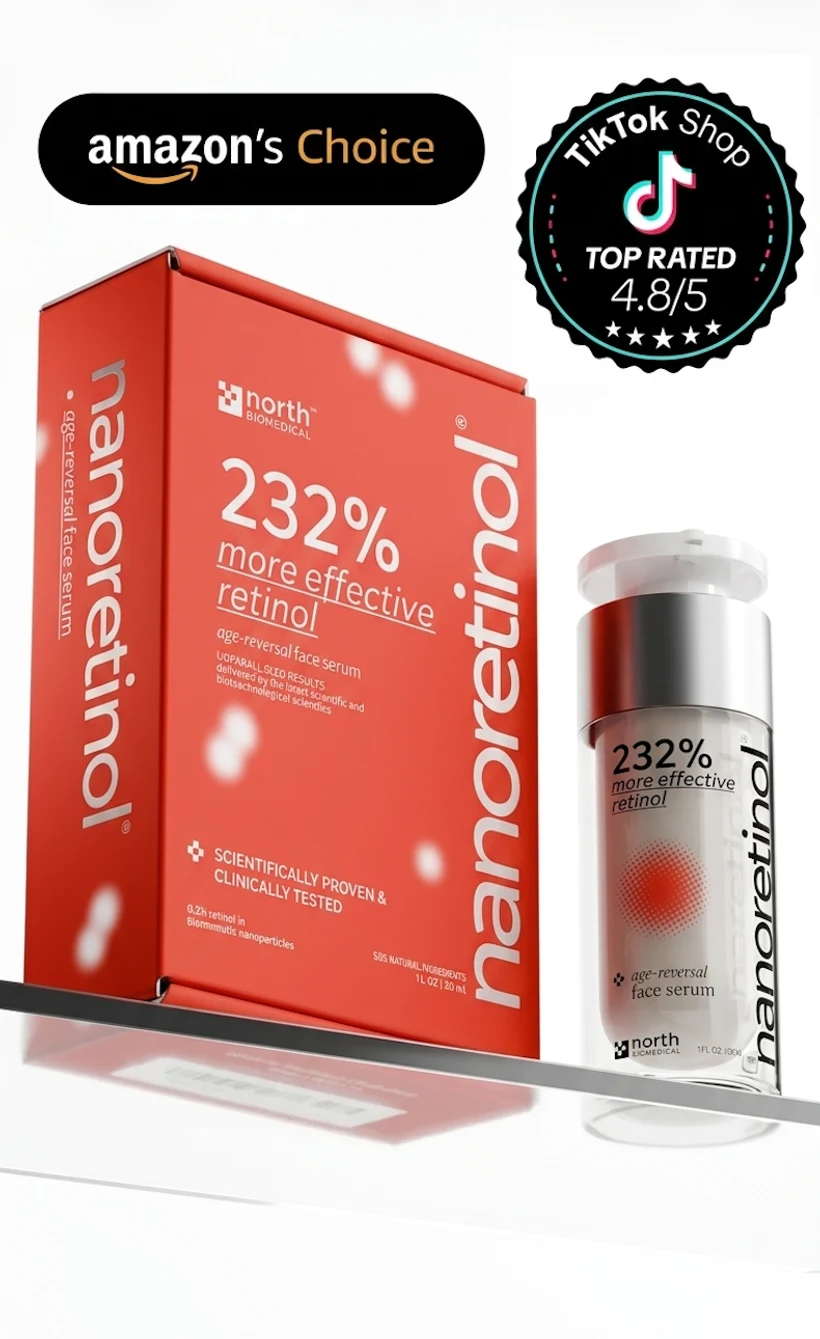
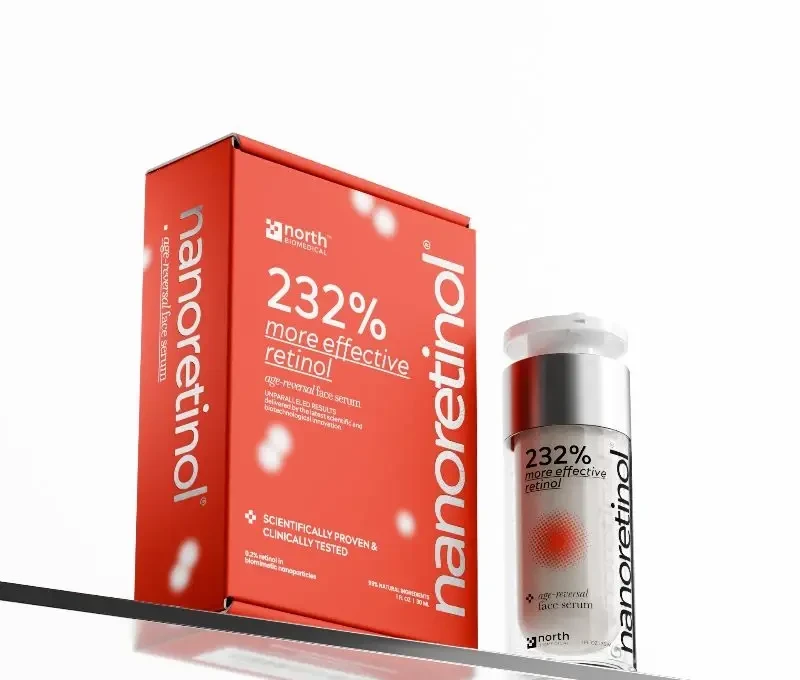
What emu oil shouldn’t replace: a dedicated retinoid for anti-aging. While emu oil supports skin health and may enhance the delivery of active ingredients, it doesn’t provide the keratinocyte-normalizing, collagen-stimulating activity that retinoids deliver. Nanoretinol® provides those benefits through its biomimetic lipid nanoparticle delivery system — coincidentally, a technology that shares conceptual DNA with emu oil’s natural approach. Both rely on lipid compatibility to cross the skin barrier, but Nanoretinol® does so while delivering a clinically proven active ingredient (+232% more collagen recovery, +73% more elastin recovery than conventional retinol) rather than relying solely on the carrier’s own fatty acids.
The Verdict
Emu oil is a legitimate skincare ingredient with genuine science behind its key claims: superior penetration, meaningful anti-inflammatory activity, and effective moisturization. It’s not a one-product solution for aging skin, but it’s far more than a marketing gimmick.
For dry, irritated, or barrier-compromised skin, it’s one of the best natural oil options available. For anti-aging, it’s a complement — not a replacement — to evidence-based actives like retinoids, peptides, and antioxidants.
References
-
Jeengar MK, Kumar PS, Thummuri D, et al. “Review on Emu Products for Use as Complementary and Alternative Medicine.” Nutrition. 2015;31(1):21-27. doi:10.1016/j.nut.2014.04.004
-
Zemstov A, Gaddis M, Montalvo-Lugo VM. “Moisturizing and Cosmetic Properties of Emu Oil: A Pilot Double Blind Study.” Australasian Journal of Dermatology. 1996;37(3):159-161. doi:10.1111/j.1440-0960.1996.tb01040.x
-
Li J, Cheng Z, Wang T, et al. “Topical Application of Emu Oil and Menthol Alleviates Inflammation in Mice.” Pharmacological Research — Modern Chinese Medicine. 2024;13:100009. doi:10.1007/s44403-024-00009-6
-
Whitehouse MW, Turner AG, Davis CK, Roberts MS. “Emu Oil(s): A Source of Non-Toxic Transdermal Anti-Inflammatory Agents in Aboriginal Medicine.” Inflammopharmacology. 1998;6(1):1-8. doi:10.1007/s10787-998-0001-9
-
Politis MJ, Dmytrowich A. “Promotion of Second Intention Wound Healing by Emu Oil Lotion: Comparative Results with Furasin, Polysporin, and Cortisone.” Plastic and Reconstructive Surgery. 1998;102(6):2404-2407. doi:10.1097/00006534-199812000-00020
-
Snowden JM, Gruenwald J. “Potential Therapeutic Applications for Emu Oil.” Complementary Medicine Research. 2021;28(4):362-369. doi:10.1159/000516264