
Polynucleotides for Skin: The 'Salmon DNA' Treatment, Explained
Inside the regenerative skin booster everyone is suddenly talking about — what polynucleotides are, what the research supports, and where they fit in a real anti-aging routine.
Every few years, a single ingredient takes over the conversation. Right now, it is polynucleotides — better known to the internet by the slightly startling nickname “salmon DNA” or the “salmon sperm facial.” Celebrities credit them for glassy, lit-from-within skin, and clinics report waitlists. If you are over 40 and have watched your skin lose its bounce, the promise of a treatment that “regenerates” rather than merely fills is understandably appealing.
So what is actually in the syringe, and does the science hold up? Here is a grounded look at what polynucleotides are, how they work, and where they realistically belong in an anti-aging plan.
What Polynucleotides Actually Are
Polynucleotides, or PNs, are long chains of purified DNA fragments, most often extracted from the sperm or roe of salmon and trout. That sounds alarming, but the source is chosen for good biological reasons: fish DNA is remarkably similar in structure to human DNA, highly purified, and very low-risk for allergic reaction.
You will also see the closely related term PDRN — polydeoxyribonucleotide — which refers to shorter fragments of the same family. The two are cousins. PDRN tends to appear in topical serums and some injectables, while “polynucleotides” usually refers to the longer-chain injectable skin boosters like the ones driving the current trend. (For the topical side of the family, see our guide to PDRN serum.)
Crucially, polynucleotides are not fillers. A traditional hyaluronic acid filler adds volume by physically sitting under the skin. Polynucleotides add almost no volume — instead, they aim to switch your own skin cells back into repair mode.
How They Work in Skin
The active idea behind polynucleotides is biostimulation: rather than doing the work for your skin, they prompt your skin to do the work itself.
If you are over 40 and have watched your skin lose its bounce, the promise of a treatment that “regenerates” rather than merely fills is understandably appealing.
Once placed in the dermis, polynucleotide fragments interact with fibroblasts — the cells responsible for producing collagen, elastin, and the matrix that keeps skin plump. Research indicates these fragments activate adenosine A2A receptors on those fibroblasts, increase the release of growth factors like VEGF, encourage new capillary formation, and stimulate type I collagen synthesis [1]. A broad review of the regenerative potential of polydeoxyribonucleotides describes the same throughline: improved tissue repair, better hydration, and reactivated cellular renewal [2].
In other words, the mechanism is less “fill the gap” and more “wake up the factory.” That is why practitioners describe the result as improved skin quality — texture, glow, elasticity — rather than a change in facial shape.
What the Evidence Shows
The most informative human data comes from controlled comparisons. In a randomized, double-blind, split-face trial, polynucleotide injections were tested directly against hyaluronic acid filler for periocular (under-eye) rejuvenation. The polynucleotide side showed greater improvement in skin elasticity and texture than the hyaluronic acid side, with minimal adverse reactions [3]. That is a meaningful finding, because it isolates the regenerative effect from simple volumizing.
A wider review of polynucleotides in aesthetic medicine echoes the pattern while staying appropriately measured: across studies, treatments produced varying degrees of improvement in skin elasticity and hydration, with a favorable safety profile — but the authors are candid that more rigorous, standardized research is still needed to pin down exactly how well they work and for whom [2]. That is the honest state of the science: promising, increasingly well-supported, but not yet the slam-dunk the marketing implies.
What They Treat — and Realistic Expectations
Polynucleotides tend to perform best for crepey, thin, dehydrated skin, fine lines, under-eye quality, and overall dullness — the “my skin looks tired” complaints rather than deep structural sagging. They will not lift jowls, fill deep folds, or replace what a surgeon does.
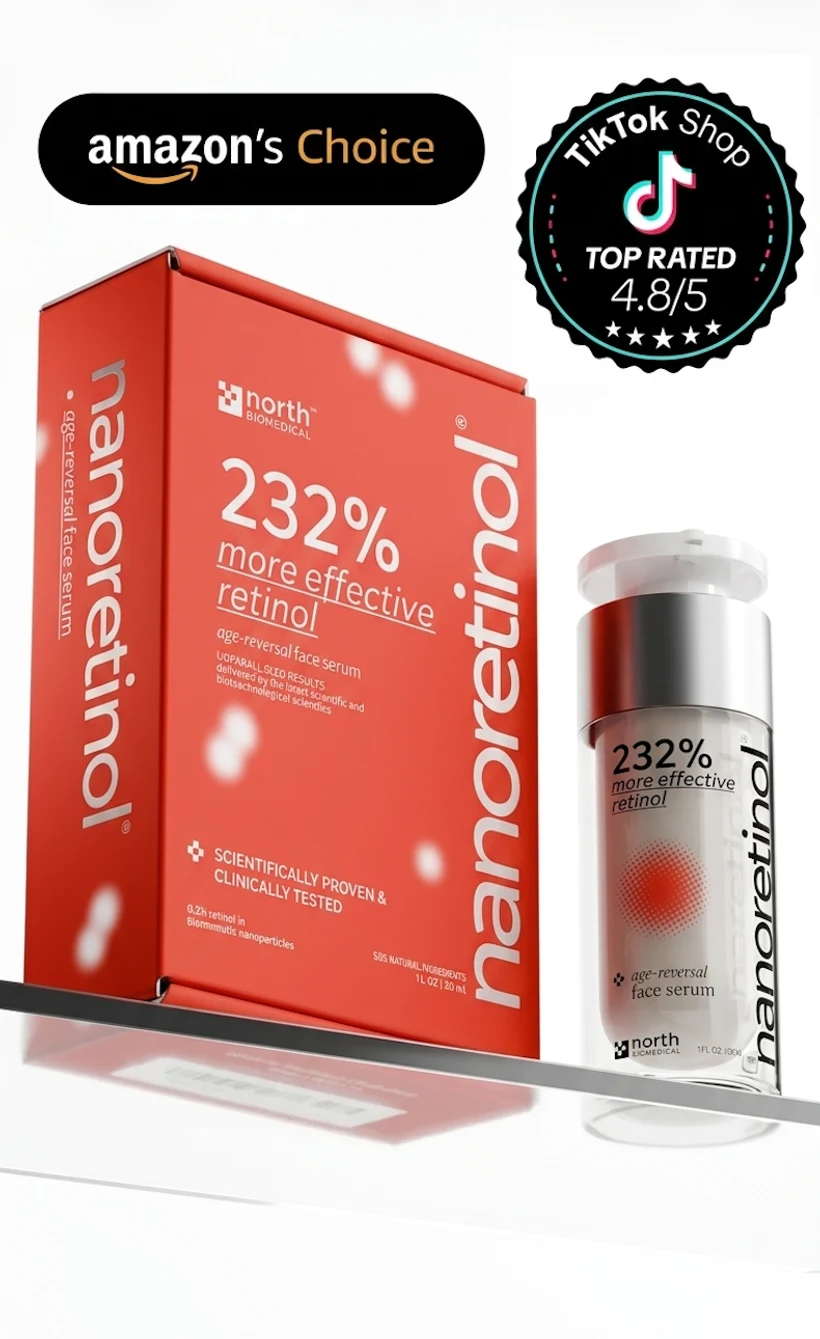
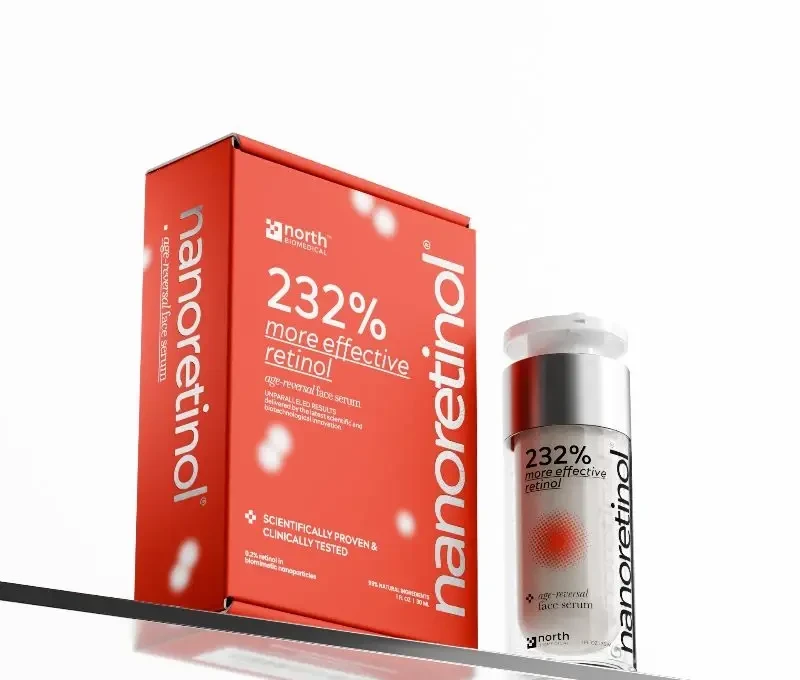
It delivers a stabilized 0.2% retinol inside biomimetic lipid nanoparticles that the skin accepts as “self” and absorbs without breaking down the barrier — making it gentle enough for consistent, long-term use.
Expectations should be set around a course, not a single visit. Most protocols involve a series of sessions a few weeks apart, with results building gradually as your own collagen responds, and periodic maintenance to sustain them.
The Realities Before You Book
Polynucleotides are an injectable medical treatment, which means a qualified injector, needles, possible bruising and swelling for a few days, and a cost that adds up across a multi-session course. They are also relatively new to many Western markets, so regulatory status and product quality vary — another reason to choose an experienced, reputable provider rather than the cheapest clinic.
And like every in-office regenerative treatment, the effect is not permanent. You are renting a boosted repair response, and your skin’s underlying rate of aging resumes once the stimulation fades.
Where Polynucleotides Fit Alongside Retinol
It helps to see polynucleotides for what they are: a periodic, professional jump-start to your skin’s repair machinery. What they are not is a daily driver of collagen — and the daily driver is where most long-term improvement actually comes from.
The most proven at-home tool for continuous collagen renewal remains the retinoid family. A comprehensive review of retinoids in skin aging found consistent clinical evidence that they increase collagen production, improve elasticity, and reduce wrinkles over time [4]. Where a course of polynucleotides gives your fibroblasts an occasional push, nightly retinol keeps gently nudging them, week after week, which is what compounds into lasting change.
The reason most people never see retinol’s full payoff is tolerance: conventional formulas irritate, flake, and get abandoned. Nanoretinol was engineered around that failure point. It delivers a stabilized 0.2% retinol inside biomimetic lipid nanoparticles that the skin accepts as “self” and absorbs without breaking down the barrier — making it gentle enough for consistent, long-term use. In North Biomedical’s testing, that delivery approach proved 232% more effective at collagen recovery and 73% more effective at elastin recovery than conventional retinol. It is the kind of foundation that makes any regenerative treatment, polynucleotides included, work against a backdrop of healthier skin rather than in isolation.
If you are exploring regenerative options, it is worth comparing polynucleotides with related approaches like Profhilo and exosomes for skin, and reading the broader science of how to improve skin elasticity.
Worth the Hype?
Polynucleotides are one of the more scientifically interesting entries in the regenerative-skincare wave, with genuine evidence that they improve elasticity and skin quality — and genuine limits the marketing tends to skip. Treat them as an occasional professional boost, not a miracle, and anchor the everyday work in the proven basics: sun protection and a retinol your skin can actually live with. The treatment may make headlines, but it is the nightly routine that quietly keeps the results.
References
- Oh N, Hwang J, Kang MS, Yoo CY, Kwak M, Han DW. “Versatile and Marvelous Potentials of Polydeoxyribonucleotide for Tissue Engineering and Regeneration.” Biomaterials Research. 2025;29:0183. doi:10.34133/bmr.0183
- Lee KWA, Chan KWL, Lee A, Lee CH, Wan J, Wong S, Yi KH. “Polynucleotides in Aesthetic Medicine: A Review of Current Practices and Perceived Effectiveness.” International Journal of Molecular Sciences. 2024;25(15):8224. doi:10.3390/ijms25158224
- Lee YJ, Kim HT, Lee YJ, Paik SH, Moon YS, Lee WJ, Chang SE, Lee MW, Choi JH, Jung JM, Won CH. “Comparison of the effects of polynucleotide and hyaluronic acid fillers on periocular rejuvenation: a randomized, double-blind, split-face trial.” Journal of Dermatological Treatment. 2022;33(1):254-260. doi:10.1080/09546634.2020.1748857
- Mukherjee S, Date A, Patravale V, Korting HC, Roeder A, Weindl G. “Retinoids in the treatment of skin aging: an overview of clinical efficacy and safety.” Clinical Interventions in Aging. 2006;1(4):327-348. doi:10.2147/ciia.2006.1.4.327