Profhilo: What 'Bio-Remodelling' Really Means for Your Skin
Why this injectable is not a filler, what the clinical evidence actually shows, and how to support firmer, more hydrated skin every day
For years the conversation around injectables was simple: Botox to relax wrinkles, fillers to add volume. Then a third category quietly arrived and confused everyone. “Skin boosters” like Profhilo do not freeze a muscle or plump a cheek. They promise something harder to picture — skin that is simply better quality: more hydrated, more elastic, more luminous. So what is Profhilo actually doing, and does the science back up the glossy before-and-after photos?
Why Profhilo Is Not a Filler
This is the single most important thing to understand. A traditional dermal filler is engineered to stay put and create structure — it lifts a cheekbone or fills a deep fold because it is cross-linked, meaning its hyaluronic acid molecules are chemically bonded into a firm gel that resists spreading.
Profhilo is the opposite by design. It is an exceptionally pure, high concentration of hyaluronic acid — 64 milligrams in a single 2 mL injection — made without any chemical cross-linking agent. Once injected, it does not hold a shape. It spreads through the tissue and acts on the skin from the inside.
That distinction is why you will hear the word “bio-remodelling” attached to it everywhere. The goal is not volume — it is to stimulate your own skin to renew itself.
The Science of “Bio-Remodelling”
Profhilo is made with a hybrid of high-molecular-weight and low-molecular-weight hyaluronic acid bound together by a patented thermal process rather than chemicals. The two weights behave differently: the high-molecular-weight portion provides hydration and a scaffold, while the low-molecular-weight portion is more biologically active, signaling the cells in your skin to get to work.
The two weights behave differently: the high-molecular-weight portion provides hydration and a scaffold, while the low-molecular-weight portion is more biologically active, signaling the cells in your skin to get to work.
Laboratory research helps explain what that means at a cellular level. A study of these hybrid hyaluronan complexes found they significantly enhanced the behavior of skin-derived cells in ways relevant to facial bio-remodelling — going beyond the passive hydration you would expect from hyaluronic acid alone [1]. In practical terms, the injection encourages fibroblasts to produce fresh collagen and elastin, the two proteins responsible for firm, springy skin.
The clinical results follow from that mechanism. In a controlled study treating the notoriously difficult skin of the neck, the hybrid hyaluronan injections produced significant improvements in skin roughness and laxity, with good tolerability [2]. A broader systematic review pooling multiple studies concluded that the majority of treated patients reported meaningful improvements in skin elasticity, laxity, hydration, and overall skin quality after treatment [3].
What to Expect From Treatment
The standard Profhilo protocol is two sessions spaced about four weeks apart, with the product placed at a small number of strategic points so it can spread evenly across an area like the lower face or neck. Most people are then maintained with a session every six months or so.
Results are gradual and natural rather than dramatic. Over the weeks following treatment, skin tends to look more hydrated and reflective, feel firmer, and show a subtle improvement in fine, crepey laxity. Because it does not add volume, it will not change the shape of your face — which is precisely the appeal for people who want to look like a well-rested version of themselves rather than a different person. If your concern is genuine volume loss in the cheeks, a biostimulator like Sculptra or a structural filler is a different tool for a different job.
Your skin loses hyaluronic acid, collagen, and elastin continuously as you age.
Downtime is minimal. The most common after-effect is a small raised bump at each injection point that settles within a day, plus the usual possibility of minor bruising. As with any injectable, results and safety depend heavily on the training of your injector.
The best candidates tend to be people in their late thirties through their fifties who are starting to notice their skin looking tired, dull, or lightly crepey but who are not yet dealing with significant sagging. If your skin feels persistently dehydrated and has lost its bounce, you are squarely in the group most likely to be happy with the result. If you are hoping to erase deep folds or restore lost cheek volume, you will be disappointed, because that is simply not what bio-remodelling is built to do.
The Cost and the Catch
A course of two Profhilo sessions typically runs from roughly $600 to $1,200 depending on your provider and location, and because the effect fades, maintenance is an ongoing expense. And here is the catch that applies to every injectable in this category: it stimulates your skin temporarily, but it does nothing to change what happens on the other 363 days of the year.
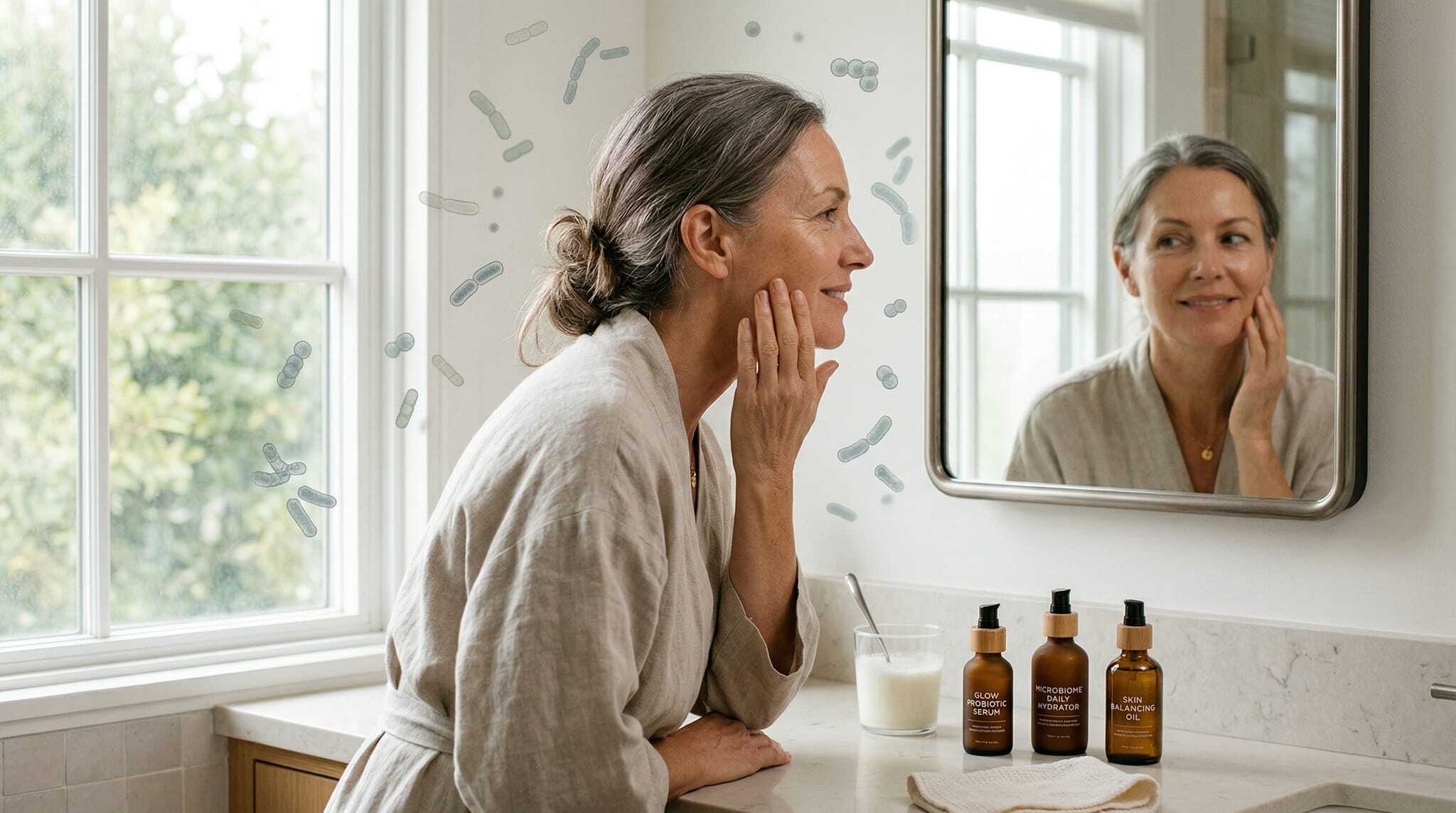
Your skin loses hyaluronic acid, collagen, and elastin continuously as you age. A skin booster gives those reserves a periodic top-up. What actually protects your skin quality over the long run is what you do daily.
How to Support Bio-Remodelling Every Day
This is where a well-formulated topical does quiet, cumulative work that no twice-a-year injection can match. Retinol is one of the most thoroughly studied ingredients in all of skincare, and a landmark trial found that applying it to naturally aged skin increased not only collagen but also the skin’s own glycosaminoglycans — the family of molecules that includes hyaluronic acid — while visibly improving fine wrinkles [4]. In other words, retinol nudges your skin to make more of the very substances Profhilo delivers.
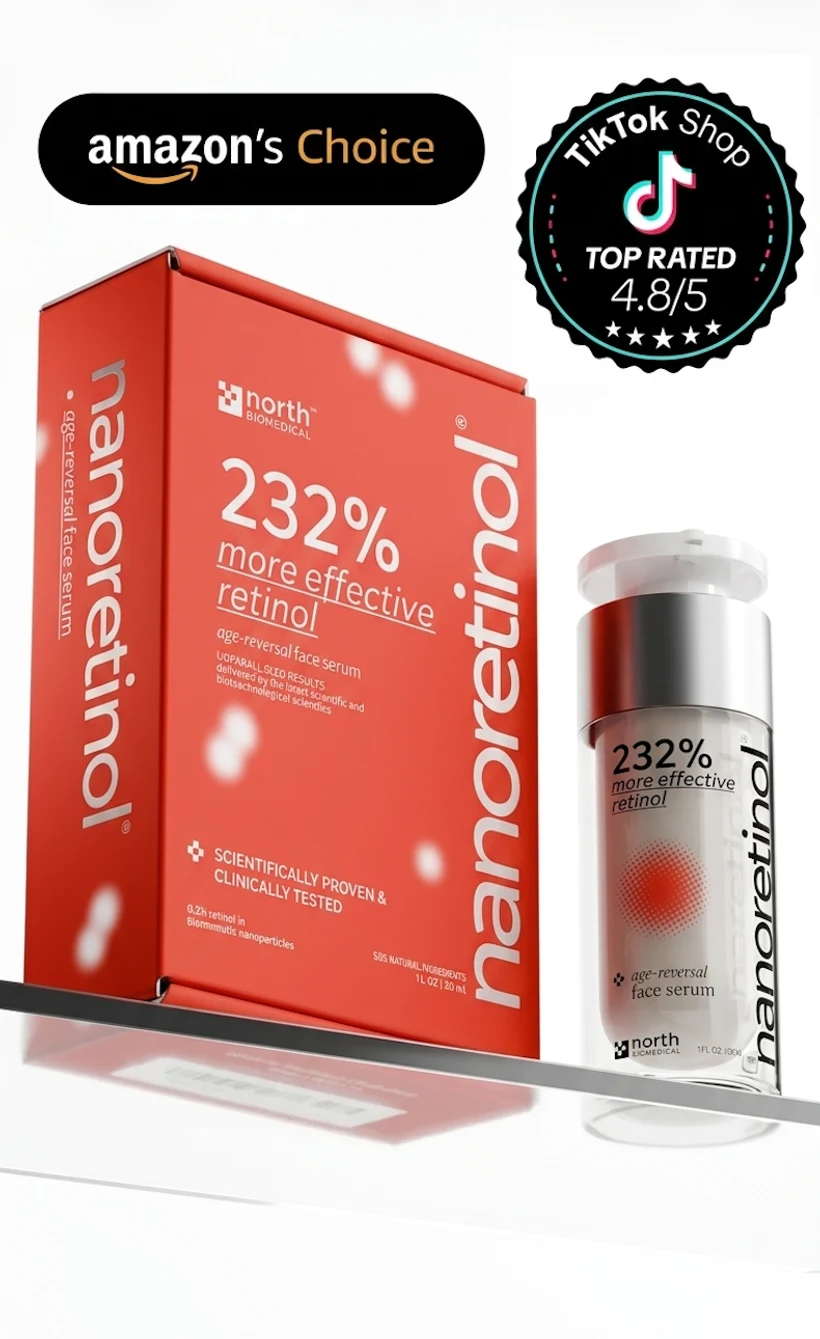
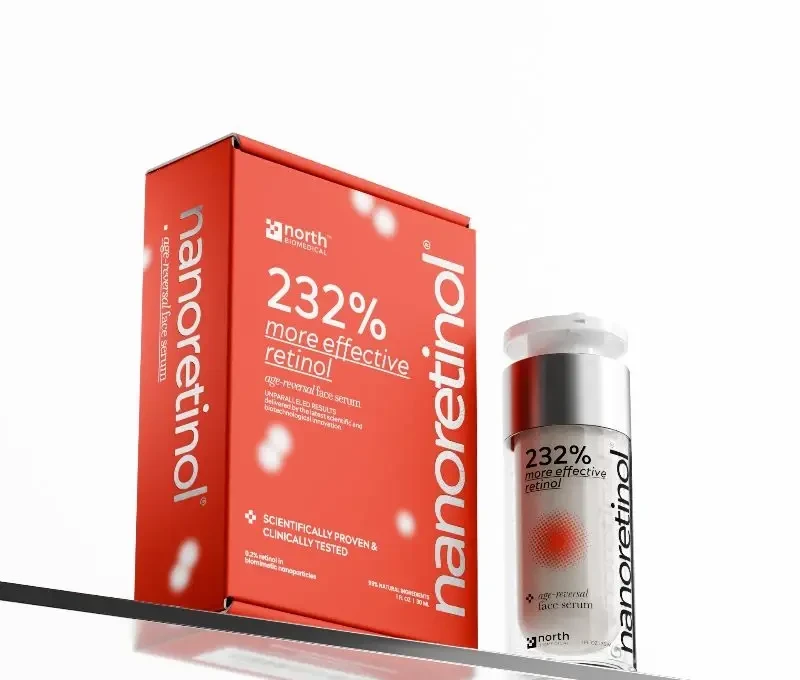
The problem has always been getting retinol to work without irritation, because conventional formulas push their way in by disrupting the skin barrier. Nanoretinol was built to bypass that entirely. It encapsulates retinol in biomimetic lipid nanoparticles that the skin recognizes as its own and ushers inside without burning or peeling, delivering the active deep where collagen and elastin are made. In North Biomedical’s clinical testing, this approach proved 232% more effective than conventional retinol at collagen recovery and 73% more effective for elastin — with far gentler tolerability and a light, water-based, hydrating feel.
Think of it as the difference between a periodic professional service and daily upkeep. Profhilo can give your skin a genuine, evidence-backed boost. But the firmness and glow you want to keep are built one night at a time — and that is something you can do at home, without a needle, for the cost of a single bottle.
References
- Stellavato A, La Noce M, Corsuto L, Pirozzi AVA, De Rosa M, Papaccio G, Schiraldi C, Tirino V. “Hybrid Complexes of High and Low Molecular Weight Hyaluronans Highly Enhance HASCs Differentiation: Implication for Facial Bioremodelling.” Cellular Physiology and Biochemistry. 2017;44(3):1078-1092. PMID: 29179206
- Sparavigna A, Bombelli L, Giori AM, Bellia G. “Efficacy and Tolerability of Hybrid Complexes of High- and Low-Molecular-Weight Hyaluronan Intradermal Injections for the Treatment of Skin Roughness and Laxity of the Neck.” The Scientific World Journal. 2022;2022:4497176. PMID: 36164489
- Sparavigna A, Cigni C, Tanzini L, Lualdi R, Grimolizzi F. “A Systematic Review of the Efficacy and Safety of Profhilo and Profhilo Body.” Plastic and Aesthetic Nursing. 2026;46(2):80-92. PMID: 41920062
- Kafi R, Kwak HS, Schumacher WE, et al. “Improvement of naturally aged skin with vitamin A (retinol).” Archives of Dermatology. 2007;143(5):606-612. PMID: 17515510