Bakuchiol Oil: What It Can Do, How It Compares With Retinol and How to Use It
Bakuchiol is sold as the plant-based retinol alternative, and the oil format is everywhere. Here is what the evidence supports, what to check on the label and how to use one
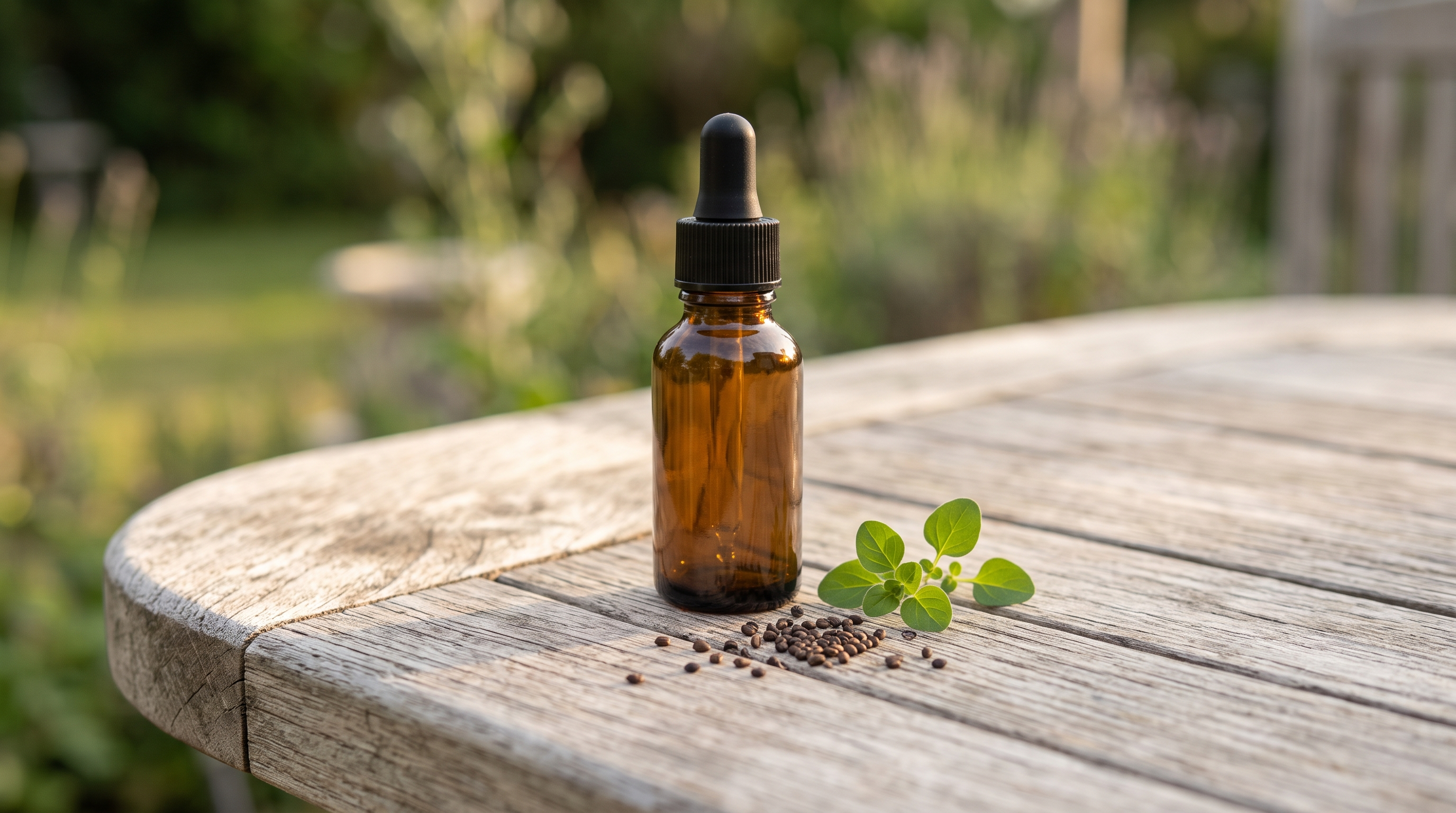
Bakuchiol is the ingredient people turn to after retinol has left their skin red, tight and peeling. It comes from the seeds and leaves of Psoralea corylifolia, a plant known in India as babchi, and it is marketed as a plant-based retinol alternative. Because bakuchiol dissolves readily in oil, many of the most popular products are simple face oils: bakuchiol blended into squalane or a plant oil, used a few drops at a time.
That format has real advantages, and a few traps. This guide covers what bakuchiol is, what the studies actually measured, how an oil differs from a serum, why the carrier oil matters as much as the bakuchiol, and how to use one well.
What bakuchiol is, and why it is compared with retinol
Bakuchiol looks nothing like retinol at the molecular level. It is a plant compound called a meroterpene phenol, with no structural resemblance to vitamin A. The comparison comes from how skin responds to it. In laboratory skin models, bakuchiol switched on a pattern of genes strikingly similar to the one retinol switches on, and it increased production of type I, III and IV collagen [1].
That study also included a small clinical case study in which people applied a bakuchiol product twice a day. After 12 weeks, lines and wrinkles, pigmentation, elasticity and firmness had improved, without the irritation usually seen with retinol [1].
What the head-to-head trial found
The strongest evidence comes from a randomized, double-blind study of 44 people with facial sun damage [2]. One group applied a 0.5% bakuchiol cream twice a day, the other a 0.5% retinol cream once a day, for 12 weeks. Both groups saw significant reductions in wrinkle surface area and pigmentation, with no statistical difference between them. The retinol group reported more scaling and stinging.
Your skin needed 12 weeks of twice-daily bakuchiol to match once-daily retinol in a head-to-head study, so occasional drops are not the same thing.
Your skin needed 12 weeks of twice-daily bakuchiol to match once-daily retinol in a head-to-head study, so occasional drops are not the same thing.
A second study looked at sensitive skin. In 60 women aged 40 to 65 with conditions such as rosacea, eczema or cosmetic intolerance, a bakuchiol cleanser and moisturizer used twice daily for four weeks was well tolerated and raised skin moisture by 16% [3].
These are encouraging results, but they are small studies of creams, not oils, and none has run longer than 12 weeks. Bakuchiol’s evidence base is a handful of trials, while retinol’s spans decades. Our full comparison of bakuchiol and retinol covers where each one wins.
Oil or serum: what the format changes
Because bakuchiol is oil-soluble, an oil is a natural home for it. Oils contain no water, so they often need fewer preservatives, and they leave a soft, cushioned finish that dry and mature skin tends to love.
The trade-offs are texture and placement. An oil sits on top of lighter products, so it belongs at the end of your evening routine or mixed into your moisturizer. It can feel heavy on oily skin and may pill under sunscreen and makeup in the morning. A water-based serum layers more easily and suits oily or combination skin better; our guide to bakuchiol serum covers how to choose one.
Pure bakuchiol or babchi oil?
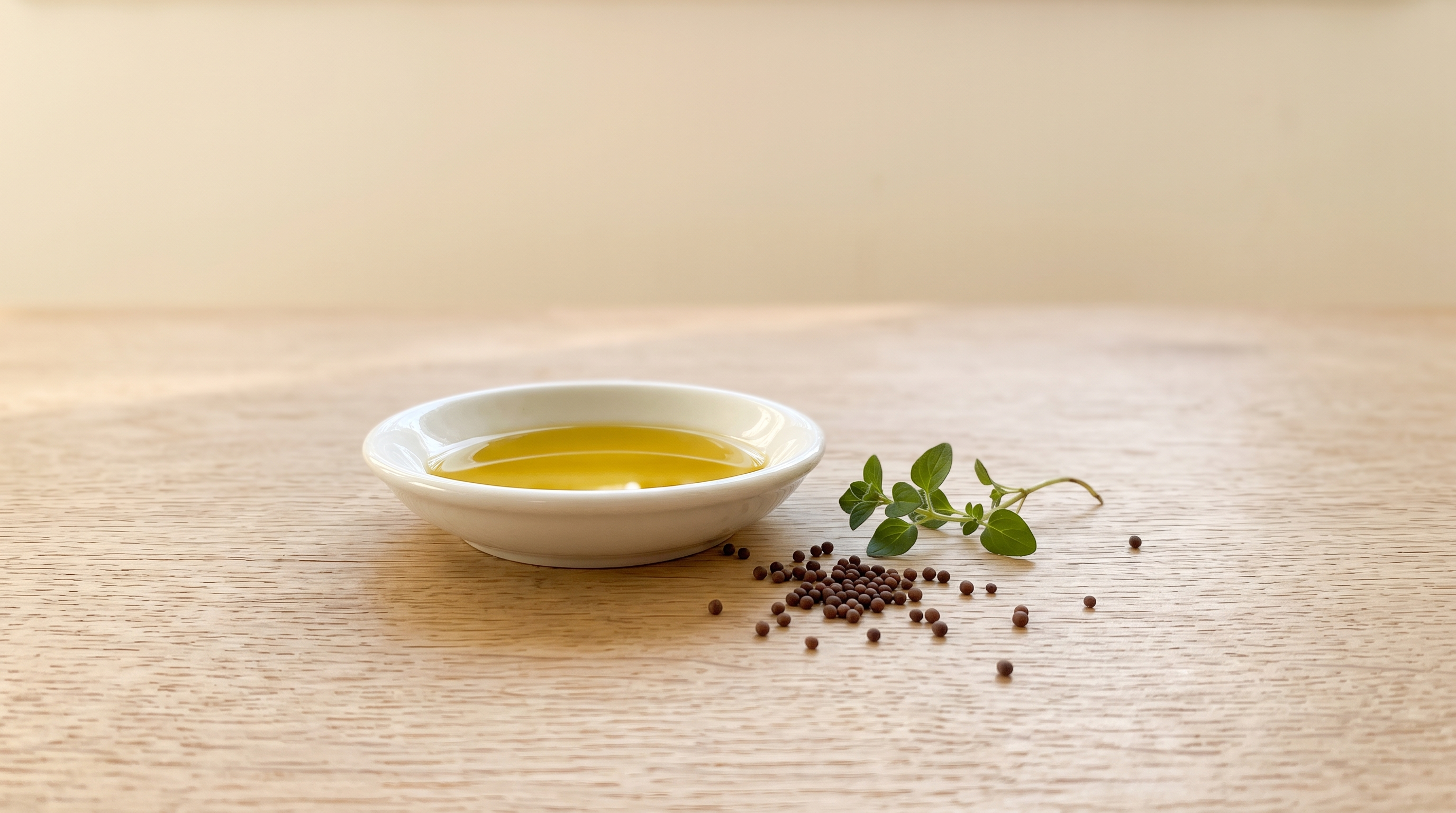
This is the most important label check. Purified bakuchiol is one compound extracted from the plant. Babchi oil, sometimes listed as Psoralea corylifolia seed oil or extract, is a cruder product that can contain psoralens, natural compounds that make skin far more sensitive to sunlight. The seeds have long been used with sun exposure to treat vitiligo for exactly that reason, and doctors have reported a severe phototoxic reaction in a child with vitiligo after exposure to babchi seeds [4].
Cosmetic-grade bakuchiol is purified to remove those compounds. Choose products that list bakuchiol itself on the ingredient list, and be wary of oils that list only the seed or its extract.
Your skin will respond to the carrier oil as much as to the bakuchiol, so a pore-clogging base can cancel out the benefit.
The carrier oil matters as much as the bakuchiol
Bakuchiol makes up only a small fraction of most bakuchiol oils, so the rest of the bottle is carrier oil. Oils differ widely in how readily they clog pores.
Your skin will respond to the carrier oil as much as to the bakuchiol, so a pore-clogging base can cancel out the benefit.
There is some evidence on which oils help breakout-prone skin. Researchers have suggested that acne-prone skin may produce sebum that is relatively low in linoleic acid, a fatty acid abundant in oils such as grapeseed, safflower and sunflower. In a double-blind, placebo-controlled study, applying linoleic acid shrank the tiny clogged pores that come before breakouts by almost 25% in one month [5].
- Oily or breakout-prone skin: choose bakuchiol in squalane or a linoleic-rich oil, and avoid heavy bases such as coconut oil.
- Dry or mature skin: richer bases such as rosehip, marula or argan are usually comfortable. Our guide to the best face oil for aging skin compares them.
- Sensitive skin: pick a short, fragrance-free formula. Squalane is one of the gentlest carriers, and our guide to squalane oil explains why.
How to use a bakuchiol oil
- Patch test first. Apply a drop behind the ear or along the jaw for a few nights.
- Use three to four drops at night, pressed into skin as the last step, or mixed into your moisturizer.
- Build toward twice daily. The trial results came from twice-daily use. If your skin is happy at night, add a lighter morning application under sunscreen.
- Wear sunscreen every morning. Purified bakuchiol has not shown the sun sensitivity linked to babchi seeds, but the pigmentation and wrinkle benefits depend on protecting your skin from UV.
- Store it well. Keep the bottle closed, cool and out of direct light, and replace it if it starts to smell rancid.
- Be cautious in pregnancy. Bakuchiol is often marketed as pregnancy-safe, but no human studies have tested it in pregnancy, so ask your doctor first.
When you want retinol’s results without its irritation
Most people choose bakuchiol oil for one reason: conventional retinol irritated them. That is a fair reason. Retinol remains the better-proven ingredient, though. In a 24-week randomized trial in older adults, 0.4% retinol significantly improved fine wrinkles and increased collagen production compared with the plain lotion base [6].
The irritation usually comes from the formula rather than the retinol itself. Many conventional retinol products rely on chemicals that break down the skin’s lipid barrier to push retinol in, which causes the redness, burning and peeling that send people looking for alternatives.
Nanoretinol is designed to avoid that problem. Its 0.2% stabilized retinol is carried in biomimetic lipid nanoparticles that the skin recognizes as its own, so it crosses the barrier without damaging it, and clinical testing found that side effects, when present, were milder than with conventional retinol. In North Biomedical’s study summary, Nanoretinol was 232% more effective in collagen recovery and 73% more effective in elastin recovery than conventional retinol, and after 56 days of use, skin firmness rose by 61% and elasticity by 56% [7].
If you love the feel of your bakuchiol oil, you do not have to give it up. Use Nanoretinol at night, starting every other evening, and keep the oil for the morning or your off nights. Nanoretinol is not for use during pregnancy or breastfeeding, and it should not be combined with other retinoid products.
References
- Chaudhuri RK, Bojanowski K. “Bakuchiol: a retinol-like functional compound revealed by gene expression profiling and clinically proven to have anti-aging effects.” International Journal of Cosmetic Science. 2014;36(3):221-230. doi:10.1111/ics.12117
- Dhaliwal S, Rybak I, Ellis SR, et al. “Prospective, randomized, double-blind assessment of topical bakuchiol and retinol for facial photoageing.” British Journal of Dermatology. 2019;180(2):289-296. doi:10.1111/bjd.16918
- Draelos ZD, Gunt H, Zeichner J, Levy S. “Clinical evaluation of a nature-based bakuchiol anti-aging moisturizer for sensitive skin.” Journal of Drugs in Dermatology. 2020;19(12):1181-1183. doi:10.36849/JDD.2020.5522
- Mehta N, Arora V, Verma KK. “Severe phototoxic reaction to Psoralea corylifolia seeds in a child with vitiligo.” Contact Dermatitis. 2024;90(6):619-621. doi:10.1111/cod.14527
- Letawe C, Boone M, Piérard GE. “Digital image analysis of the effect of topically applied linoleic acid on acne microcomedones.” Clinical and Experimental Dermatology. 1998;23(2):56-58. doi:10.1046/j.1365-2230.1998.00315.x
- Kafi R, Kwak HS, Schumacher WE, et al. “Improvement of naturally aged skin with vitamin A (retinol).” Archives of Dermatology. 2007;143(5):606-612. doi:10.1001/archderm.143.5.606
- North Biomedical LLC. “Nanoretinol vs. Conventional Retinol: Efficacy in Collagen and Elastin Recovery.” Clinical Study Summary, 2024. Study summary