Beef Tallow for Skin: What It Actually Does — and What It Can't
The viral kitchen-fat moisturizer, examined: its real benefits, its real limits, and the aging concerns it leaves completely untouched.
Scroll through skincare social media for ten minutes and you will meet beef tallow. Rendered, whipped, scented with a drop of essential oil, and sold in little amber jars — it has become one of the most talked-about “natural” moisturizers of the decade. The pitch is seductive: our great-grandmothers used animal fat, it is closer to our skin than anything from a lab, and it costs pennies to make.
Some of that pitch is fair. Some of it quietly skips over what aging skin actually needs. Here is what beef tallow does well, what the research says it cannot do, and where it leaves the biggest concerns — wrinkles, sagging, sun damage — entirely unaddressed.
What Beef Tallow Actually Is
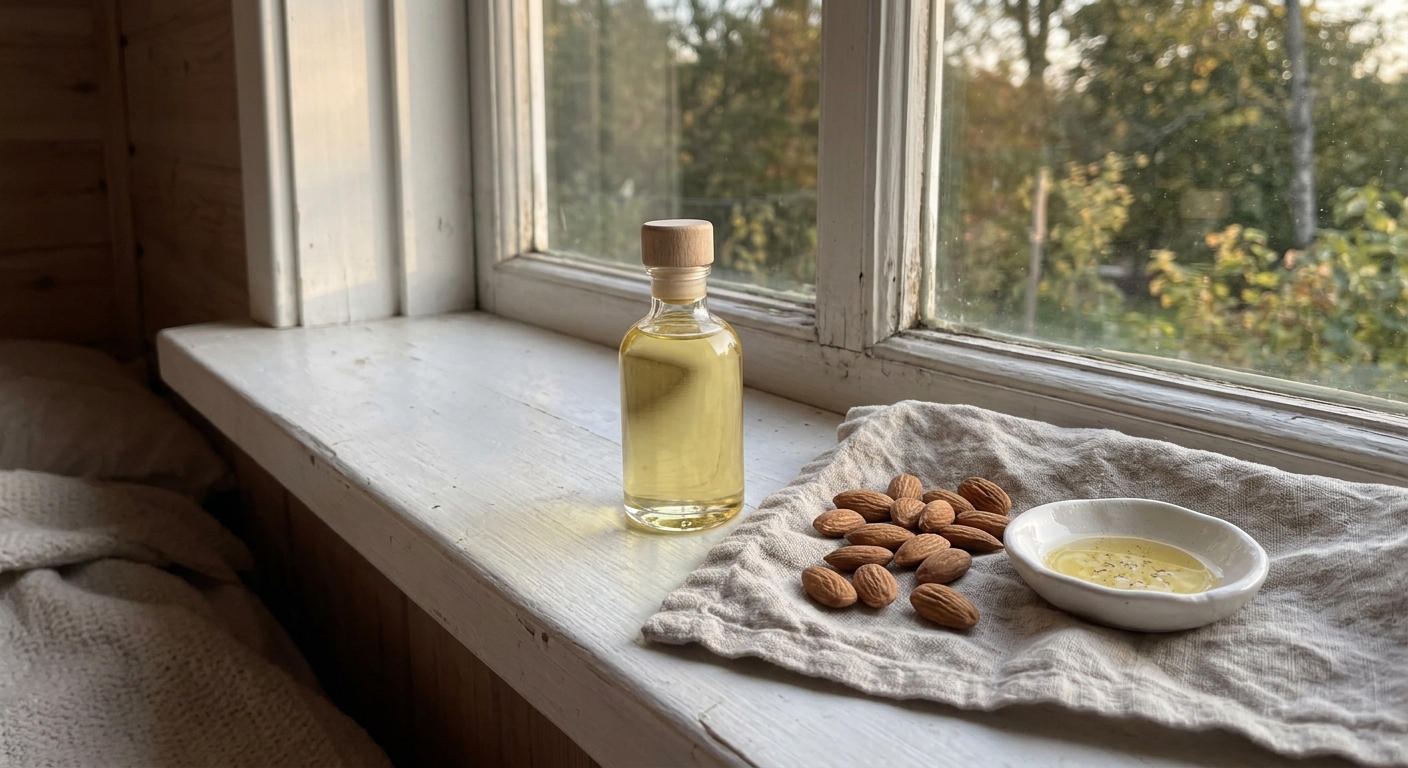
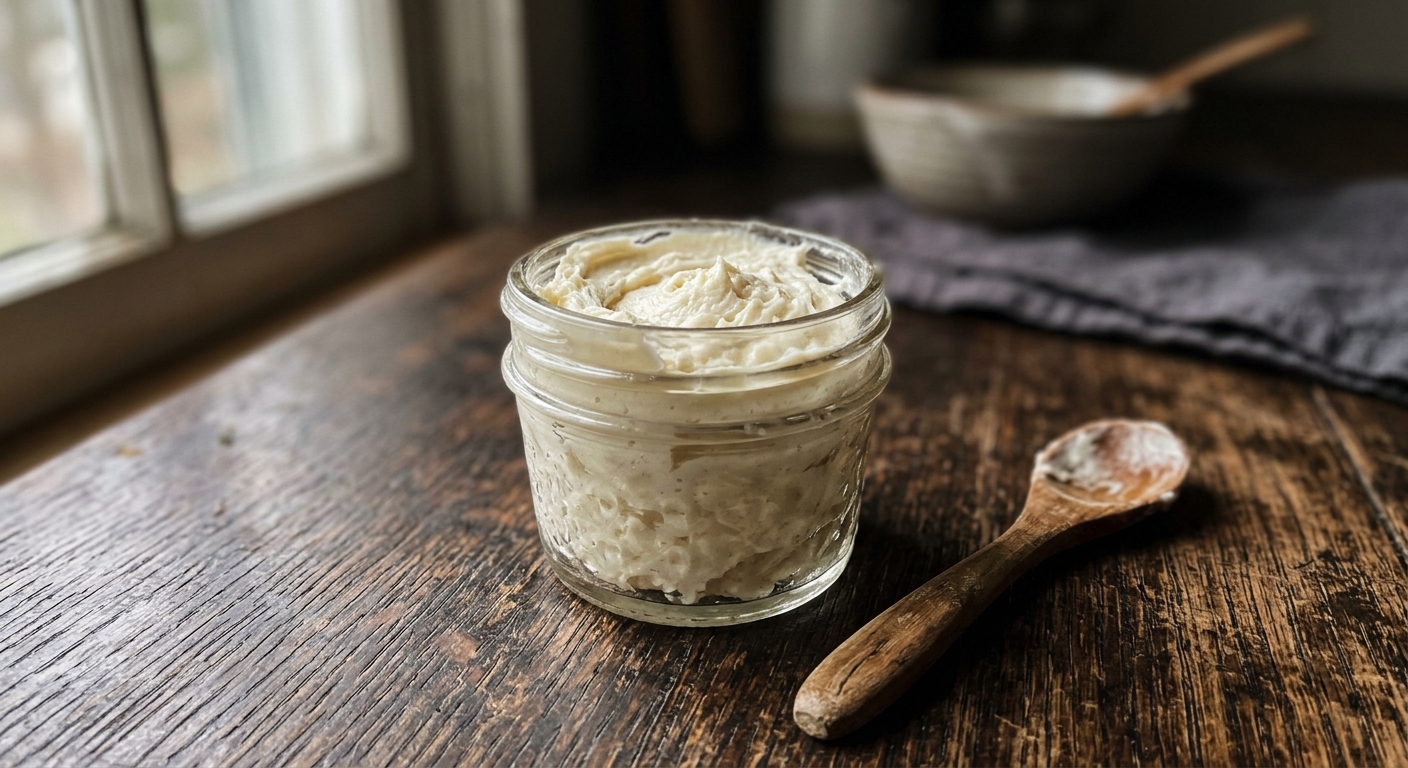
Beef tallow is rendered fat from cattle, mostly from the fatty tissue around the kidneys and loin. Chemically, it is a blend of fatty acids: roughly 40–45% oleic acid, 28–31% palmitic acid, and 12–25% stearic acid, with smaller amounts of others.
That profile is the source of the “biocompatibility” claim. Human sebum and the lipids in our own skin barrier are also built largely from oleic, palmitic, and stearic acids, so tallow is structurally similar to fats the skin already produces. A 2024 scoping review in Cureus examined the available literature and concluded that tallow is broadly biocompatible with healthy skin and may offer hydration and mild anti-inflammatory benefits [1]. So the basic premise — that tallow is not foreign or harsh — holds up.
What It Does Well
Tallow is a genuinely effective occlusive and emollient. Those are two of the three jobs a moisturizer can do.
Despite thousands of testimonials, there are no human clinical trials showing tallow outperforms — or even matches — standard moisturizers like ceramide creams or petrolatum.
An occlusive forms a physical layer on the skin surface that slows transepidermal water loss — the constant evaporation of moisture from the deeper layers out into the air. An emollient fills the microscopic gaps between surface skin cells, which is what makes skin feel smooth and soft immediately after application [3]. Tallow’s high content of saturated fats — palmitic and stearic acid — makes it especially good at the occlusive job, sealing the surface much the way a balm does.
For someone with dry, tight, flaky skin, or a compromised skin barrier, that is real value. Tallow can calm the rough, dehydrated feeling quickly, and for many people it does so without the irritation that fragranced commercial lotions can cause.
The Evidence Gap
Here is where enthusiasm has run ahead of data. Despite thousands of testimonials, there are no human clinical trials showing tallow outperforms — or even matches — standard moisturizers like ceramide creams or petrolatum. The Cureus review that found tallow “biocompatible” also noted that the evidence base is thin and that most of it examines tallow’s individual fatty acids rather than the whole rendered fat on real skin [1].
A 2025 cross-sectional analysis in the Journal of Cosmetic Dermatology looked specifically at how tallow is marketed online. It found that claims of efficacy for acne, eczema, and even anti-aging were widespread but largely lacked cited evidence, and that most promotional posts came from people without healthcare credentials and with a financial stake in the sale [2]. In other words: tallow is a competent moisturizer with a marketing budget far larger than its research file.
What Tallow Cannot Do
This is the part the viral videos skip. Moisturizing — even excellent moisturizing — operates only at the surface. It addresses how skin feels and the water content of its outermost layer. It does nothing for the structural changes that actually make skin look older.
UV exposure accelerates both processes by activating enzymes that chop existing collagen into fragments.
Those changes happen in the dermis, the living scaffold below the surface. With age, the body produces less collagen — the protein that gives skin its firmness — and the elastin network that lets skin snap back begins to degrade. UV exposure accelerates both processes by activating enzymes that chop existing collagen into fragments [4]. The visible results are familiar: fine lines, crepey texture, loss of firmness, and uneven tone.
No fatty acid blend reverses that. Tallow cannot signal a skin cell to make new collagen. It cannot speed up cell turnover, fade sun-induced pigment, or rebuild elastic fibers. It sits on top of the problem and makes the surface feel nice. For genuine skin elasticity concerns, that is a comfort, not a correction. There is also a practical caveat: tallow is moderately comedogenic for some skin types, and the richness so welcome on dry skin can contribute to clogged pores on oily or acne-prone skin.
The Route That Actually Changes Aging Skin
If your goal is comfort and barrier support, tallow is a reasonable — if under-studied — choice. If your goal is to address wrinkles, firmness, and tone, you need an ingredient that talks to the dermis, not just the surface.
That ingredient is retinol. Unlike an occlusive, retinol is a cell-communicating active: it binds receptors inside skin cells and switches on collagen production while accelerating turnover of the outer layer. A randomized controlled trial found that topical retinol significantly improved fine wrinkles in naturally aged skin, with measurable increases in collagen [5]. A 2025 network meta-analysis of 23 randomized trials and nearly 4,000 participants ranked retinol among the most effective topical agents for both fine wrinkles and hyperpigmentation [6].
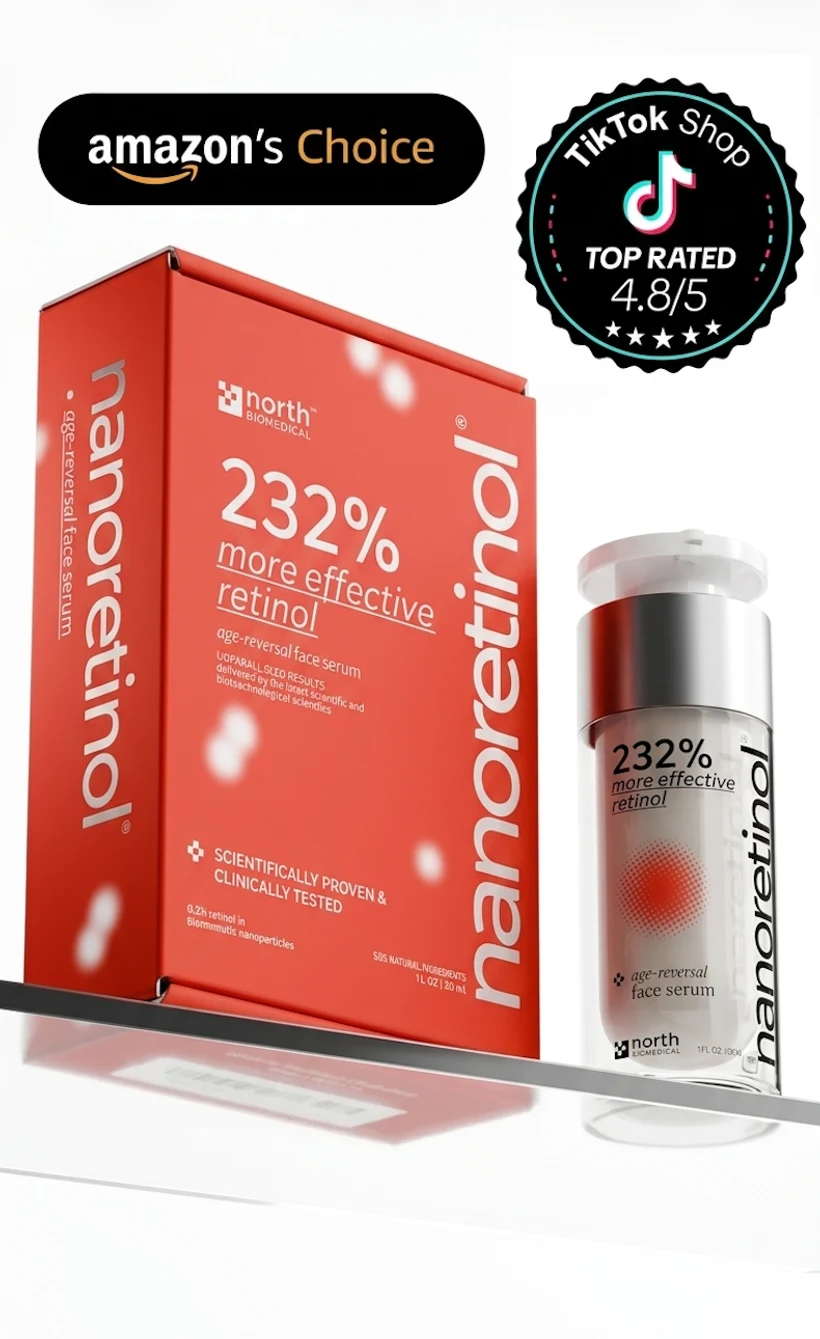
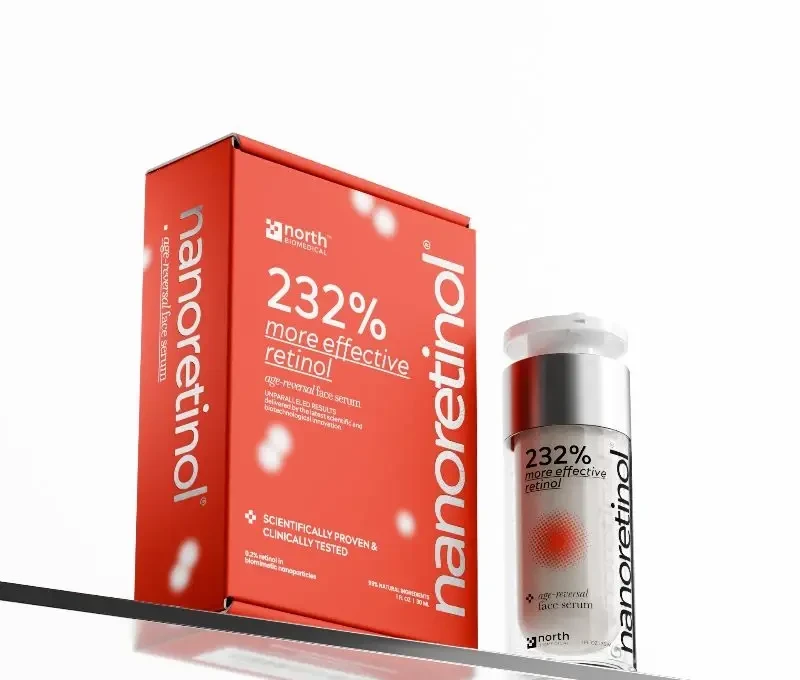
The historical knock on retinol is that it can irritate — the same barrier disruption that lets it in also causes redness and peeling. That is a delivery problem, not a reason to avoid the molecule. Nanoretinol solves it by encapsulating retinol in biomimetic lipid nanoparticles that the skin recognizes as “self” and admits without damaging the barrier. The result is retinol that reaches the dermis where it works, with side effects that clinical trials describe as minimal and milder than conventional retinol. It is water-based, 99% natural, and gentle enough for sensitive skin — which means you can still layer a barrier-supporting moisturizer over it if you like the cushioned feel tallow fans are chasing.
Where This Leaves Beef Tallow
Beef tallow is not a scam, and it is not dangerous. It is a perfectly serviceable occlusive moisturizer with a compelling backstory and very little clinical evidence behind the bigger claims. If you enjoy it, there is no reason to stop using it as a barrier balm.
But “moisturizes well” and “treats aging skin” are not the same sentence. A jar of rendered fat will soften how your skin feels tonight. It will not touch the collagen loss, elastin breakdown, or sun damage that determine how your skin looks in five years. For that, the science still points to retinol — ideally one engineered to get where it needs to go. Match the tool to the job: an occlusive for comfort, a properly delivered retinol for change.
References
- Russell MF, Sandhu M, Vail M, Haran C, Batool U, Leo J. “Tallow, Rendered Animal Fat, and Its Biocompatibility With Skin: A Scoping Review.” Cureus. 2024;16(5):e60981. doi:10.7759/cureus.60981
- Almatroud L, Choi S, Libson K, Ashack K. “Beef Tallow-Based Skincare Claims in Social Media: A Cross-Sectional Analysis.” Journal of Cosmetic Dermatology. 2025;24(12):e70544. doi:10.1111/jocd.70544
- Rajkumar J, Chandan N, Lio P, Shi V. “The Skin Barrier and Moisturization: Function, Disruption, and Mechanisms of Repair.” Skin Pharmacology and Physiology. 2023;36(4):174-185. doi:10.1159/000534136
- Shin JW, Kwon SH, Choi JY, Na JI, Huh CH, Choi HR, Park KC. “Molecular Mechanisms of Dermal Aging and Antiaging Approaches.” International Journal of Molecular Sciences. 2019;20(9):2126. doi:10.3390/ijms20092126
- Kafi R, Kwak HSR, Schumacher WE, Cho S, Hanft VN, Hamilton TA, et al. “Improvement of naturally aged skin with vitamin A (retinol).” Archives of Dermatology. 2007;143(5):606-612. doi:10.1001/archderm.143.5.606
- Lin L, Chen X, Liu C, et al. “Comparative efficacy of topical interventions for facial photoaging: a network meta-analysis.” Scientific Reports. 2025;15:26889. doi:10.1038/s41598-025-12597-0