Cysteamine Cream for Dark Spots: How It Works, What Trials Show and How to Use It
A natural antioxidant molecule has become one of the most-studied alternatives to hydroquinone. Here is what it can and cannot do for stubborn pigmentation
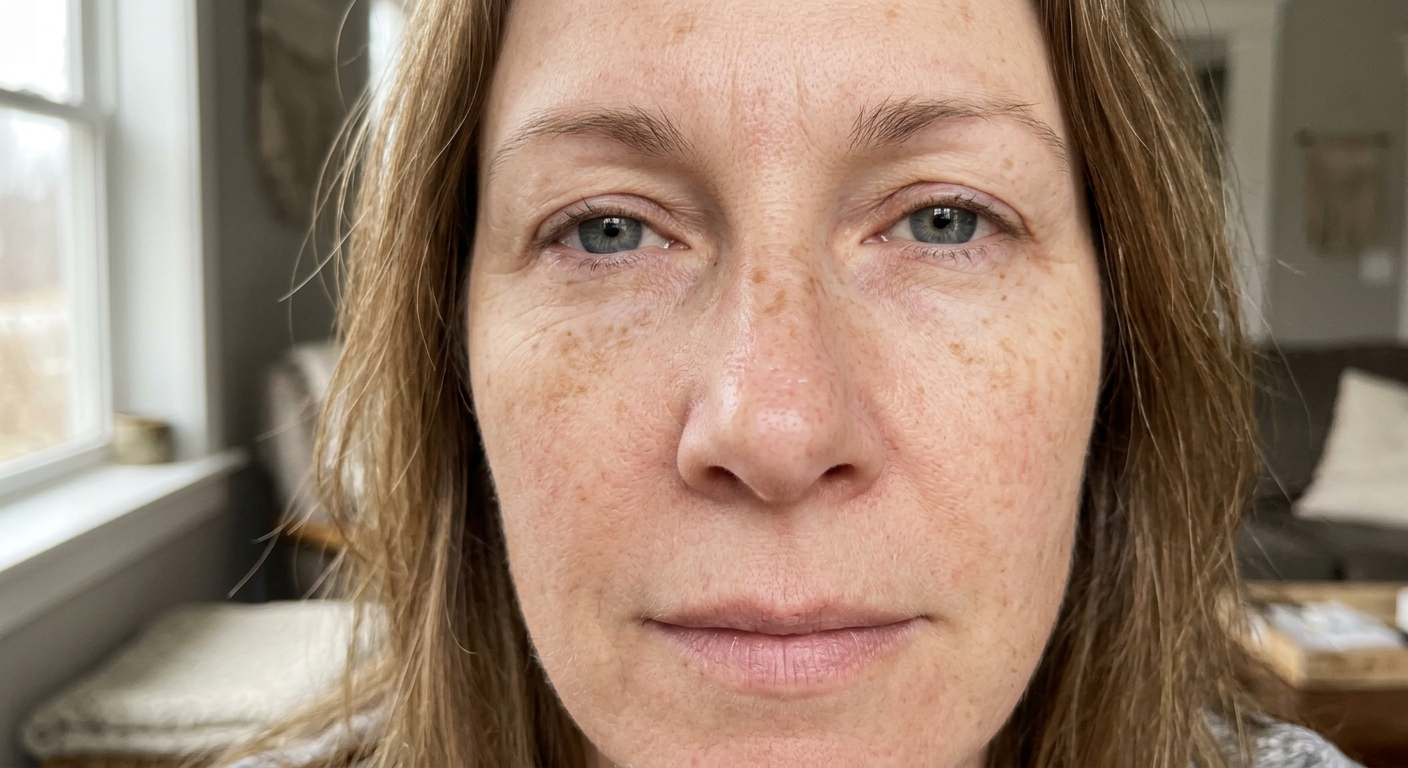
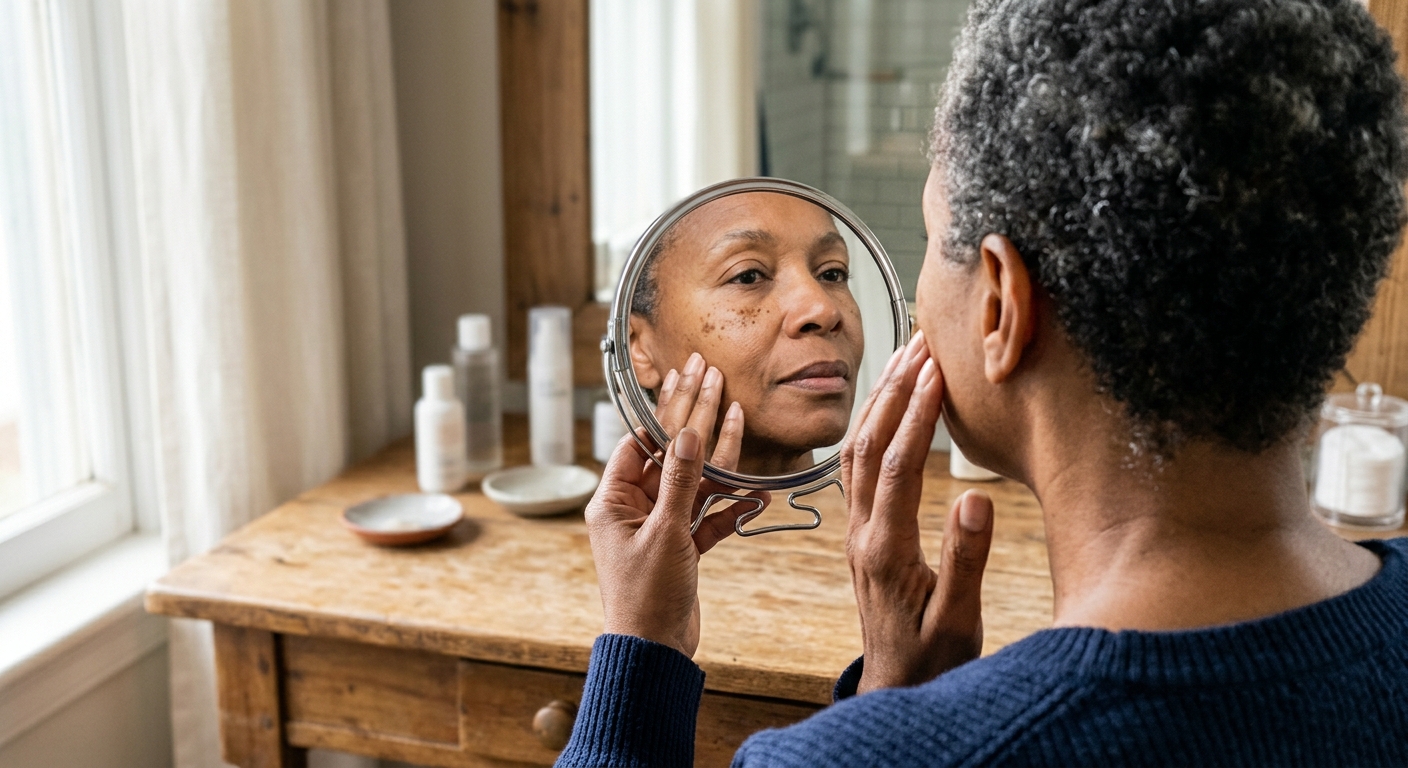
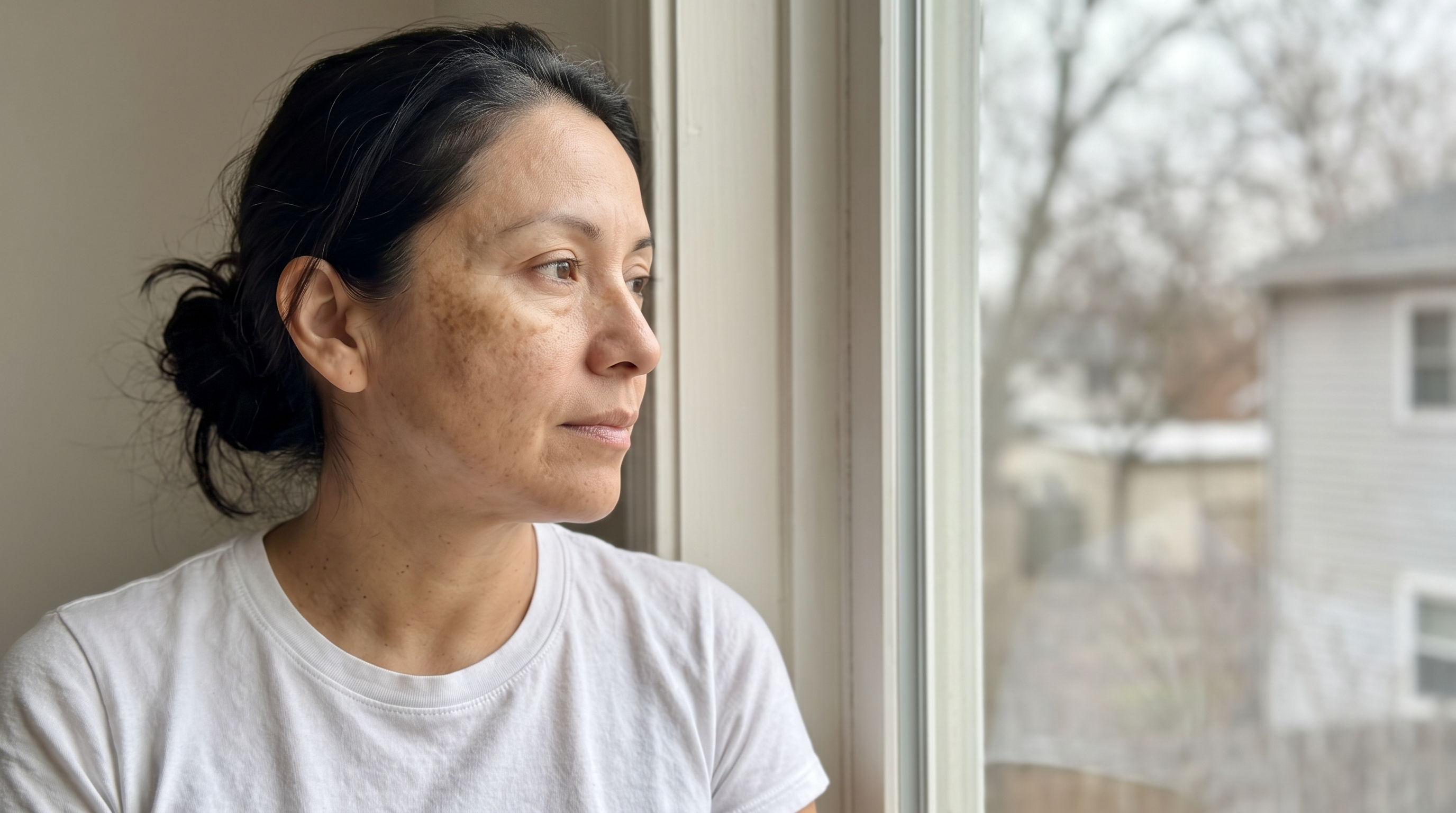
If you have tried vitamin C, niacinamide and a drawer full of brightening serums and your dark patches are still there, you have probably come across cysteamine cream. It is often described as the strongest non-hydroquinone option for melasma and sun spots, and unlike many brightening ingredients, it has been tested in several randomized trials.
It also comes with some unusual instructions: you leave it on for only 15 minutes, it can smell faintly of sulphur, and it tends to warm or sting briefly. Understanding why those things happen, and what the trials actually found, helps you decide whether it belongs in your routine.
What cysteamine is
Cysteamine is a small sulphur-containing molecule that your body makes naturally when it breaks down coenzyme A. It is an antioxidant, and it has been used in medicine for decades for unrelated conditions. Dermatologists became interested in it as a depigmenting agent because of how it interferes with melanin production.
Laboratory work in human pigment cells showed that cysteamine and its close relative cystamine lower melanin production through several routes at once: they can inhibit tyrosinase, the key enzyme in melanin formation, and they mop up the reactive quinone intermediates that the pathway needs to build pigment [1]. That multi-step action is part of why it behaves differently from single-target brighteners.
Why it is so hard to formulate
Cysteamine has three practical problems. It oxidises readily, it attracts water from the air, and it has a strong, unpleasant odour [2]. For years that made it almost impossible to put into a cosmetic cream that would stay active on a bathroom shelf.
Modern products use stabilised forms of cysteamine, and most are designed for short contact: you apply the cream, leave it for about 15 minutes, then wash it off. The short contact time limits irritation and odour while still allowing the molecule to act on pigment cells.
A cream you rinse off after 15 minutes can still outperform some treatments you leave on all night.
What the clinical trials show
Against placebo. In a randomized, double-blind trial of 50 people with epidermal melasma, 5% cysteamine cream applied once daily for four months significantly reduced pigmentation compared with placebo. The colour difference between the melasma patches and normal skin, measured with a skin colorimeter, fell by roughly two-thirds in the cysteamine group, compared with a small change on placebo, and melasma severity scores were significantly lower [3].
Against Kligman’s formula. In a double-blind trial of 50 people, 5% cysteamine applied for 15 minutes a day was compared with a modified Kligman’s formula containing 4% hydroquinone, 0.05% tretinoin and a steroid, applied overnight. After four months, cysteamine reduced melasma scores by about 9% more than the Kligman’s formula and was significantly better tolerated [4].
Against hydroquinone alone. The picture is more mixed here. In a trial of 40 women, 4% hydroquinone reduced melasma severity scores more than 5% cysteamine at both 60 and 120 days, although photographic improvement and colorimetric lightening did not differ significantly between the groups [5]. A 2024 meta-analysis of seven randomized trials concluded that cysteamine was clearly more effective than placebo and not significantly different from 4% hydroquinone, with a similar rate of side effects [6].
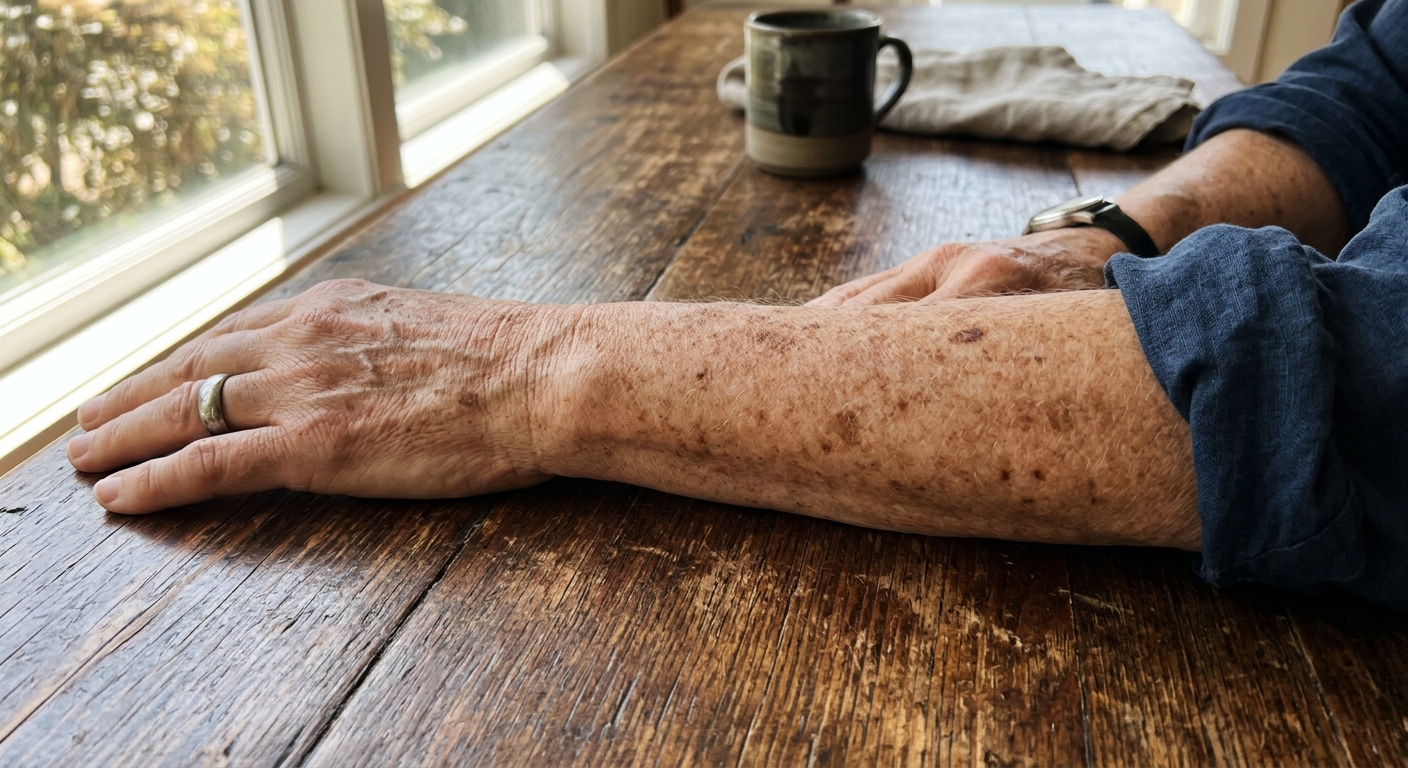
On sun spots. Solar lentigines, the flat brown spots that appear on hands and faces after years of sun, are notoriously resistant to creams. In a 12-week vehicle-controlled trial of 30 people, stabilised cysteamine applied to lentigines on the backs of the hands reduced their colour by 40%, compared with 2% for the vehicle cream [7].
It is worth keeping the evidence in proportion. Most trials are small, run for three to four months, and several come from the same research group. But taken together, they place cysteamine among the better-supported topical options for pigmentation.
How cysteamine compares with other brighteners
Hydroquinone remains the benchmark for melasma, but many people want to avoid it for long stretches, and its long-term use has been linked to rare skin darkening. Our guide to hydroquinone for dark spots explains those trade-offs. Cysteamine offers comparable results in several trials without those long-term concerns.
Pigment that fades without daily sun protection almost always comes back, whichever cream you choose.
Other options work through different mechanisms. Tranexamic acid calms the signalling that drives pigment in melasma, as our guide to tranexamic acid for dark spots explains, and azelaic acid, niacinamide and vitamin C add gentler support. Because they act at different steps, some dermatologists combine them, for example cysteamine in the evening and a tranexamic acid or niacinamide serum in the morning.
How to use cysteamine cream
- Apply to clean, completely dry skin. Damp skin increases stinging.
- Cover the whole area, not just the spots. Melasma is patchy and spreads; treating the surrounding skin helps even out the tone.
- Leave it for the time on the label. This is usually 15 minutes. Start with 5 to 10 minutes for the first week if your skin is sensitive.
- Rinse thoroughly and moisturize. A plain, fragrance-free moisturizer helps settle any warmth or redness.
- Expect some warmth, redness and a faint smell. These are common and usually settle as your skin adjusts. Stop and seek advice if you develop blistering or persistent irritation.
- Be patient. Trials measured results at two to four months, not two weeks.
- Wear sunscreen every day. Visible light and ultraviolet light both drive melasma, so tinted mineral sunscreens with iron oxides are especially useful. Our guide to sunscreen for hyperpigmentation explains why.
If your pigmentation appeared suddenly, looks irregular, or is changing, have it checked by a dermatologist before treating it. For persistent melasma, our broader melasma treatment guide outlines the in-clinic options.
Keeping spots from returning
Fading existing pigment is only half the job. The other half is turning over sun-damaged surface cells and rebuilding the healthier skin that reflects light evenly. That is where retinoids earn their place: they speed up cell renewal, help disperse pigment and support collagen in photoaged skin.
Using cysteamine and a retinoid together takes some care. Both can cause redness, so the simplest approach is to alternate: cysteamine on some evenings, a gentle retinoid on others, and sunscreen every morning.
Where Nanoretinol fits
Many people with pigmentation have sensitive, easily irritated skin, and irritation itself can trigger more pigment. That is a real problem with conventional retinol, which often relies on solvents and petroleum-derived ingredients that break down the skin barrier to push retinol through, causing redness and peeling.
Nanoretinol encapsulates stabilised 0.2% retinol in biomimetic lipid nanoparticles that the skin recognises as its own, so it reaches the cells without damaging the barrier. North Biomedical’s study summary reports 232% greater effectiveness in collagen recovery and 73% greater effectiveness in elastin recovery compared with conventional retinol, and clinical trials confirm minimal side effects that are milder than those of conventional retinol. Apply it at night on the evenings you are not using cysteamine, and wear sunscreen within 24 hours after application.
A realistic plan for stubborn pigment
Cysteamine cream is not a miracle, but it is a well-studied, hydroquinone-free option with real trial data behind it. Give it three to four months, protect your skin from visible and ultraviolet light, and pair it with a gentle retinoid for the long game.
References
- Qiu L, Zhang M, Sturm RA, et al. “Inhibition of melanin synthesis by cystamine in human melanoma cells.” Journal of Investigative Dermatology. 2000;114(1):21-27. doi:10.1046/j.1523-1747.2000.00826.x
- Atallah C, Charcosset C, Greige-Gerges H. “Challenges for cysteamine stabilization, quantification, and biological effects improvement.” Journal of Pharmaceutical Analysis. 2020;10(6):499-516. doi:10.1016/j.jpha.2020.03.007
- Mansouri P, Farshi S, Hashemi Z, Kasraee B. “Evaluation of the efficacy of cysteamine 5% cream in the treatment of epidermal melasma: a randomized double-blind placebo-controlled trial.” British Journal of Dermatology. 2015;173(1):209-217. doi:10.1111/bjd.13424
- Karrabi M, David J, Sahebkar M. “Clinical evaluation of efficacy, safety and tolerability of cysteamine 5% cream in comparison with modified Kligman’s formula in subjects with epidermal melasma: a randomized, double-blind clinical trial study.” Skin Research and Technology. 2021;27(1):24-31. doi:10.1111/srt.12901
- Lima PB, Dias JAF, Cassiano D, et al. “A comparative study of topical 5% cysteamine versus 4% hydroquinone in the treatment of facial melasma in women.” International Journal of Dermatology. 2020;59(12):1531-1536. doi:10.1111/ijd.15146
- Mawu FO, Christopher PM. “Efficacy and safety of cysteamine 5% cream for the management of melasma: a systematic review and meta-analysis of randomized controlled trials.” Archives of Dermatological Research. 2024;317(1):117. doi:10.1007/s00403-024-03571-3
- Saki N, Modabber V, Kasraei H, Kasraee B. “Successful treatment of solar lentigines by topical application of stabilized cysteamine: a vehicle-controlled, double-blind randomized study.” Health Science Reports. 2024;7(2):e1930. doi:10.1002/hsr2.1930