
Hydroquinone for Dark Spots: How It Works, When to Use It, and What's Changed
The gold-standard skin-lightening ingredient has a complicated history—and understanding it helps you make smarter choices about fading hyperpigmentation
The Gold Standard With an Asterisk
For decades, 4% hydroquinone was the dermatologist’s first answer to hyperpigmentation. Solar lentigines (age spots), melasma, post-inflammatory dark marks—hydroquinone cream was the go-to. It worked. Dermatology textbooks called it the gold standard. Physicians prescribed it routinely.
Then the picture got more complicated.
In recent years, the FDA moved to ban over-the-counter hydroquinone products, citing safety concerns that have accumulated over years of research. The European Union had already restricted its use in cosmetics. The ingredient remains available by prescription in the US, but the landscape shifted.
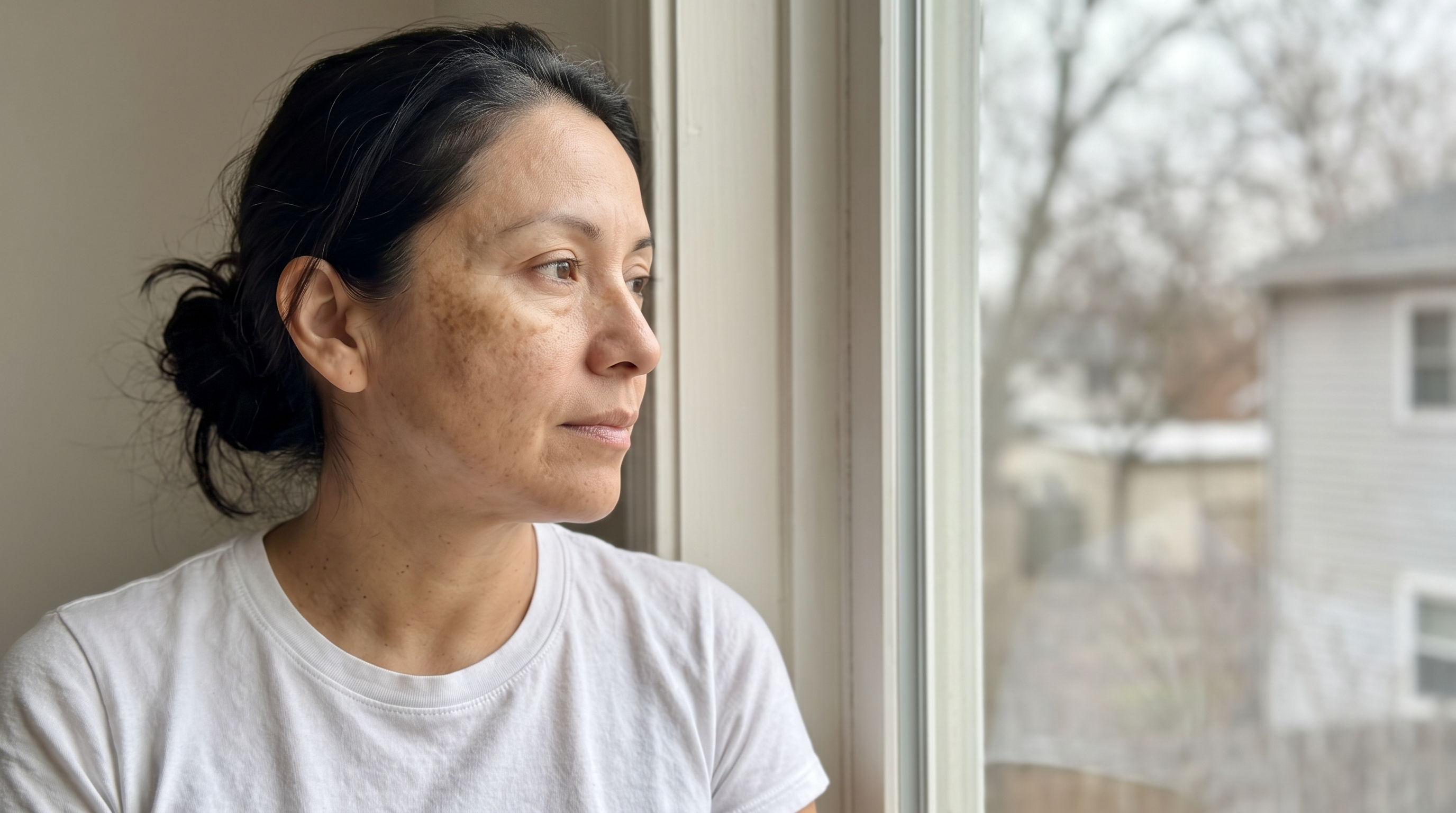
Understanding hydroquinone—what it actually does, what the legitimate concerns are, and what alternatives are now validated—is genuinely useful if you’re dealing with dark spots, whether on your face, hands, or anywhere else UV has left its mark.
How Hydroquinone Works
Hydroquinone’s primary mechanism is tyrosinase inhibition. Tyrosinase is the enzyme that converts amino acid precursors into melanin—the pigment responsible for dark spots, tan lines, and all forms of hyperpigmentation. When tyrosinase is blocked, melanin production slows [1].
But hydroquinone does more than inhibit one enzyme. It also disrupts melanosome distribution (the vesicles that transport melanin to surface skin cells) and directly suppresses melanocyte activity. At higher concentrations, it can cause structural changes in melanocytes themselves—the cells shrink and become more dendritic. This multilevel attack on the pigmentation pathway is why it was so effective, and why it remained the clinical benchmark for so long.
At 2-4% concentrations applied daily, visible lightening of dark spots typically appears within 5-7 weeks, with sunscreen use significantly amplifying outcomes. A study cited in dermatological literature found 96% improvement when hydroquinone was combined with sunscreen, compared to 81% with hydroquinone alone [1].
The Safety Conversation
The concerns surrounding hydroquinone are real and worth understanding, not dismissing.
A 2024 systematic review in the Archives of Dermatological Research summarized 15 years of accumulated safety data [2]. The most commonly reported adverse effects include local skin irritation, erythema, itching, peeling, and dryness—largely dose- and concentration-dependent, and mild in most cases. More concerning is the risk of exogenous ochronosis, a paradoxical darkening of the skin that occurs with long-term high-dose use, particularly in darker skin tones. This condition, while uncommon with proper use, is irreversible.
At 2-4% concentrations applied daily, visible lightening of dark spots typically appears within 5-7 weeks, with sunscreen use significantly amplifying outcomes.
The FDA’s move toward restricting OTC hydroquinone products was driven partly by carcinogenicity data in animal studies at high doses, and partly by the risk of consumers self-treating with products of unknown quality and concentration without medical guidance. The prescription classification brings it under physician supervision—arguably where a drug with this risk profile belongs.
For people using hydroquinone under dermatological supervision, at appropriate concentrations, for defined treatment periods, the risk profile is manageable. For long-term, unsupervised home use, the calculus is different.
What the Evidence Says Now
A 2025 systematic review of solar lentigines clinical trials in the Journal of Cosmetic Dermatology evaluated the current evidence landscape across all treatment categories [3]. The findings were instructive.
Hydroquinone as a monotherapy performed modestly. More effective were combination formulations: the classic “triple therapy” combining hydroquinone with a retinoid and a low-potency corticosteroid consistently outperformed hydroquinone alone. The retinoid component accelerates cell turnover, pushing out pigmented cells while enhancing hydroquinone penetration; the corticosteroid manages irritation. Combined, these effects compound.
But the systematic review also found non-hydroquinone alternatives achieving comparable or superior outcomes. Mequinol 2% with tretinoin 0.01% achieved clinical success rates of 52.6% to over 80% for facial solar lentigines—without hydroquinone’s long-term risk profile. Cysteamine, niacinamide, azelaic acid, and tranexamic acid all demonstrated meaningful efficacy through distinct melanin-blocking mechanisms.
A separate clinical comparison study found that a multimodality brightener combination without hydroquinone produced equivalent reductions in overall hyperpigmentation—and was rated more favorably by patients than 4% hydroquinone [4].
What Alternatives Actually Work
For most people dealing with sun-induced dark spots, the alternative toolkit is strong:
Mequinol 2% with tretinoin 0.01% achieved clinical success rates of 52.6% to over 80% for facial solar lentigines—without hydroquinone’s long-term risk profile.
Retinoids work on hyperpigmentation through accelerated cell turnover and tyrosinase suppression—a different mechanism from hydroquinone, which is why they stack well when combined. Tretinoin (prescription) has strong evidence; over-the-counter retinol achieves the same active form in skin, more gradually. See retinol for dark spots for the complete evidence breakdown.
Tranexamic acid inhibits plasminogen-dependent activation of melanocytes—a newer mechanism that doesn’t affect tyrosinase at all, making it complementary to retinoids. Clinical trials show it competes favorably with hydroquinone for melasma with significantly better tolerability. Details at tranexamic acid for dark spots.
Vitamin C (L-ascorbic acid) provides antioxidant protection against UV-triggered oxidative stress that initiates melanogenesis, while also inhibiting tyrosinase directly. The mechanism aligns well with morning sun protection routines. See vitamin C serum benefits.
Alpha arbutin is a glycosylated form of hydroquinone itself—structurally related but hydrolyzing to hydroquinone slowly in the skin, reducing systemic exposure while maintaining the tyrosinase-blocking effect.
Niacinamide works differently: it doesn’t reduce melanin production but interrupts melanosome transfer—the process by which melanin-containing vesicles move from melanocytes to surface keratinocytes. This slows the spread of pigment through the skin layer.
The Delivery Problem
Most topical brightening ingredients face the same fundamental challenge: getting active molecules deep enough into the skin to reach active melanocytes in the basal layer, without requiring concentrations that cause irritation.
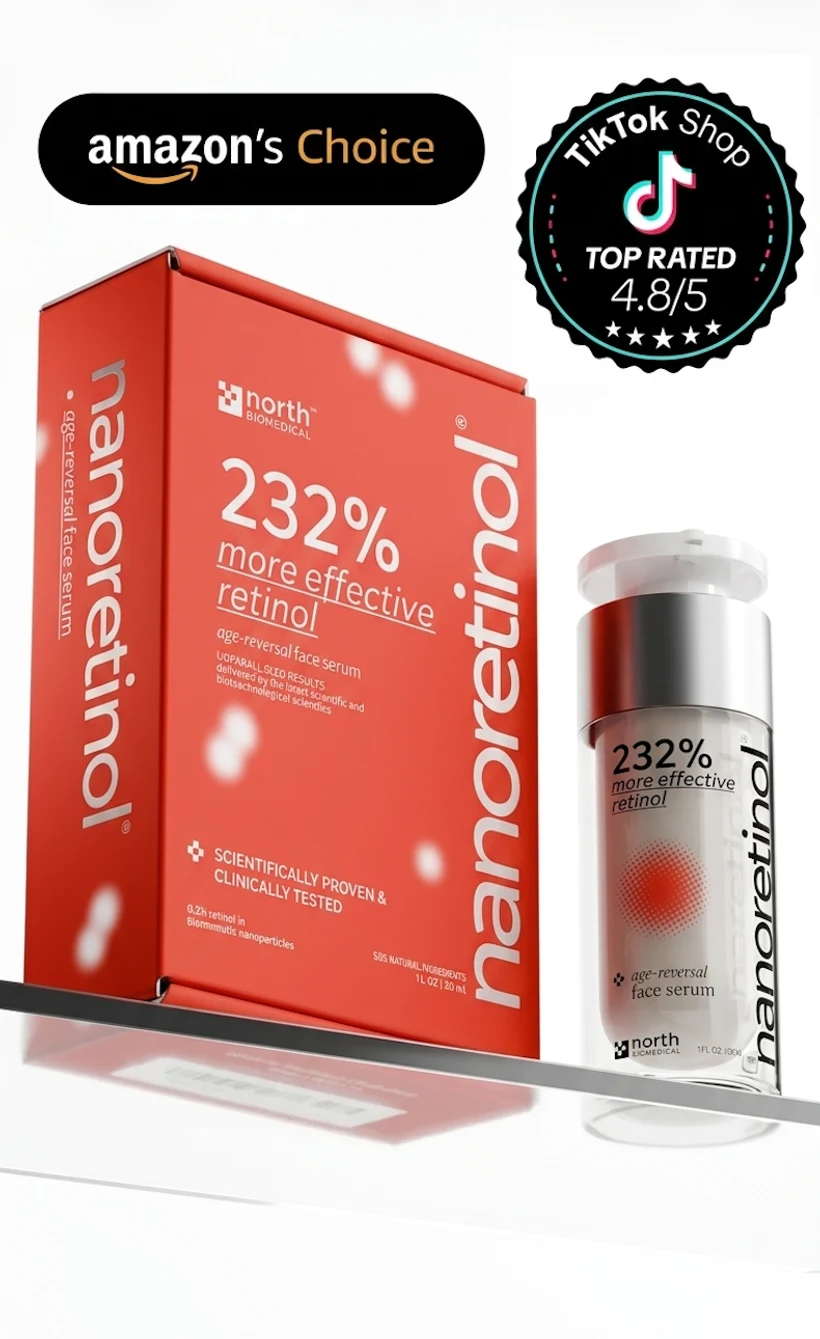
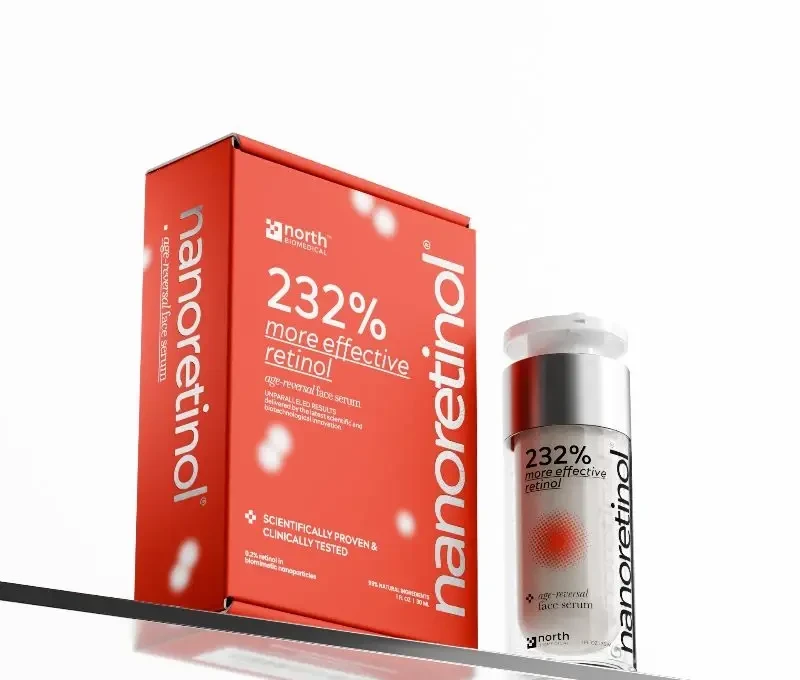
This is where delivery technology matters. Nanoretinol uses lipid nanoparticles that are recognized by skin cells as native lipids, allowing retinol to penetrate deeply without barrier disruption. In clinical testing, this approach showed +232% greater collagen recovery and +73% greater elastin recovery compared to conventional retinol—evidence that the delivery system is working where other formulations fall short.
For hyperpigmentation, the combination of a penetrating retinol (addressing cell turnover and tyrosinase), a vitamin C (morning UV protection and tyrosinase inhibition), and consistent broad-spectrum sunscreen creates a multi-pronged protocol that addresses the problem at multiple biological levels—without requiring a prescription or carrying hydroquinone’s risk profile.
What to Realistically Expect
Whether using hydroquinone or the alternative combinations described above, realistic timelines apply. Solar lentigines begin lightening within 6-12 weeks of consistent use; full results often take 4-6 months. Dark spots on the face and areas with established pigmentation require longer, more consistent treatment than recently formed spots.
Two things don’t change regardless of which brightening ingredients you use: SPF every morning is non-negotiable (UV is what triggers new melanin production, and a single sunburn can undo weeks of treatment progress), and consistency matters more than intensity. Brief applications of high-potency products produce less result than daily use of properly formulated alternatives.
References
-
Fabian IM, Sinnathamby ES, Flanagan CJ, Lindberg A, Tynes B, Kelkar RA, Varrassi G, Ahmadzadeh S, Shekoohi S, Kaye AD. “Topical Hydroquinone for Hyperpigmentation: A Narrative Review.” Cureus. 2023;15(11):e48840. doi:10.7759/cureus.48840
-
Shivaram K, Edwards K, Mohammad TF. “An update on the safety of hydroquinone.” Archives of Dermatological Research. 2024;316(7):378. doi:10.1007/s00403-024-02990-6
-
Mardani G, Nasiri MJ, Namazi N, Farshchian M, Abdollahimajd F. “Treatment of Solar Lentigines: A Systematic Review of Clinical Trials.” Journal of Cosmetic Dermatology. 2025;24(4):e70133. doi:10.1111/jocd.70133
-
Makino ET, Mehta RC, Garruto J, Gotz V, Sigler ML, Herndon JH. “Clinical efficacy and safety of a multimodality skin brightener composition compared with 4% hydroquinone.” Journal of Drugs in Dermatology. 2013;12(3):s21-6. https://pubmed.ncbi.nlm.nih.gov/23545929/