How to Get Rid of Lip Wrinkles: Science-Backed Treatments for Perioral Lines
From smokers' lines to age-related vertical creases, here is how to restore smoothness to the mouth area.
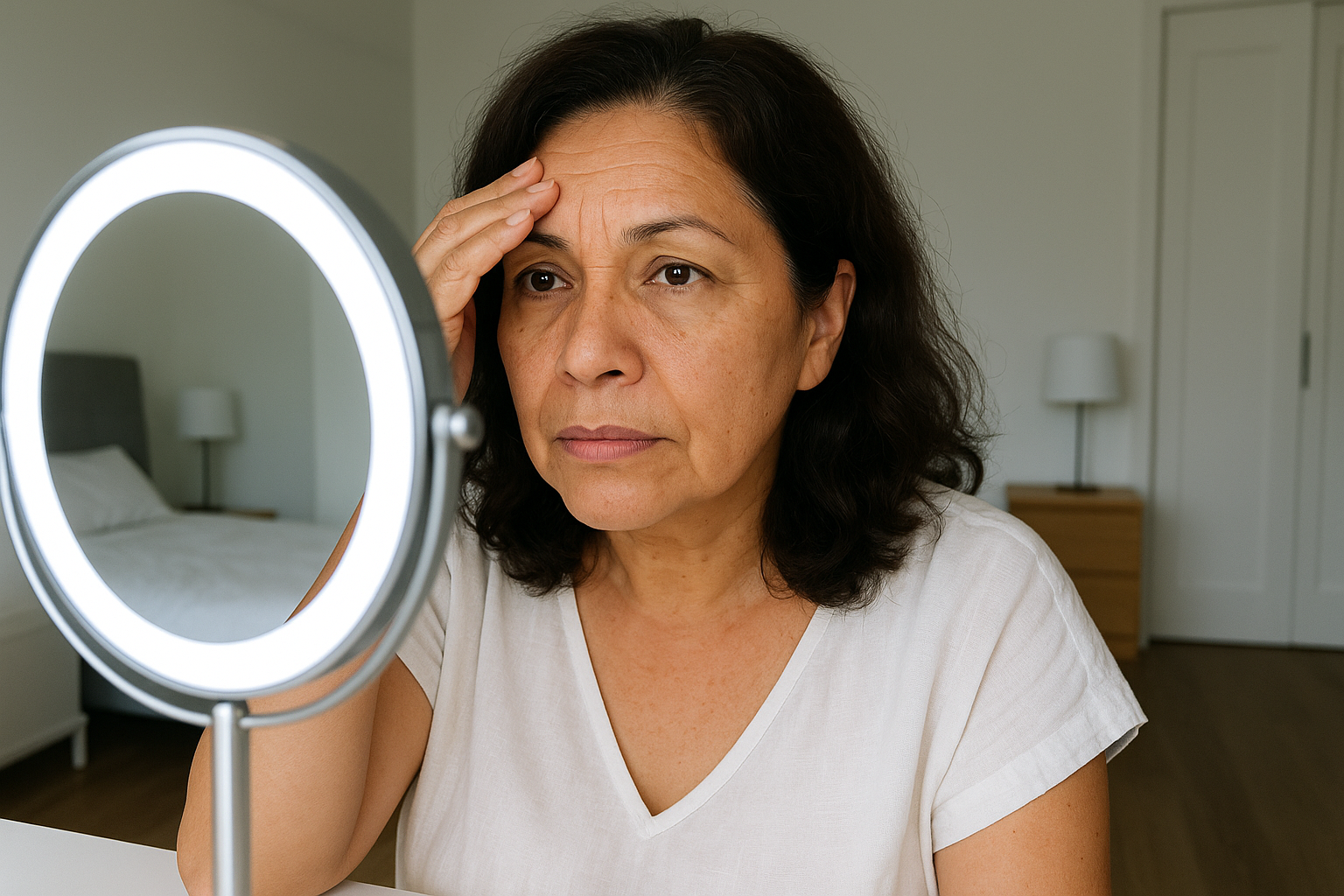
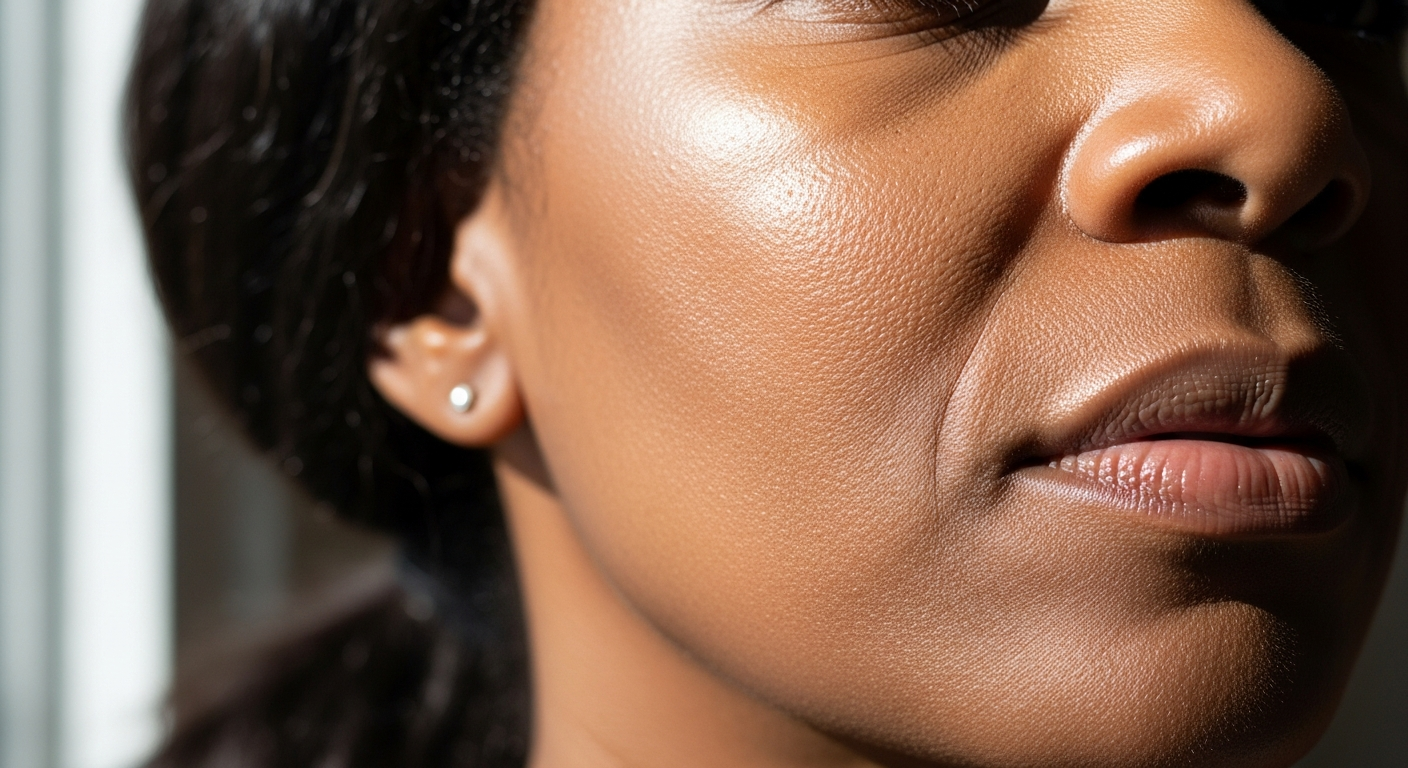
The skin surrounding your mouth, often referred to as the perioral area, is one of the first places to show signs of structural aging. Whether they are called “smokers’ lines,” “lipstick bleeding lines,” or simply vertical lip wrinkles, these perioral rhytids can be notoriously difficult to treat. Unlike the skin on your cheeks or forehead, the perioral region is subject to near-constant mechanical stress from speaking, eating, and facial expressions, all while possessing a thinner dermis and fewer sebaceous glands.
Understanding how to get rid of lip wrinkles requires a shift from superficial camouflage to structural restoration. By focusing on the underlying mechanisms—collagen degradation and epidermal thinning—it is possible to achieve significant, lasting improvement.
Why Vertical Lip Lines Form
The development of perioral lines is a multi-factorial process. First, the natural depletion of collagen and elastin—which accelerates after age 40—reduces the “snap-back” quality of the skin [1]. When you purse your lips, the skin folds; in youthful skin, it bounces back flat. In aging skin, these folds eventually “etch” into the surface as permanent creases.
External factors play a massive role as well. Chronic UV exposure causes solar elastosis, where elastin fibers become thickened and tangled, losing their functional elasticity. Smoking—the namesake of “smokers’ lines”—is particularly destructive because it introduces free radicals that cross-link collagen fibers and reduces blood flow to the capillary beds surrounding the lips [2]. Shielding the vermilion itself takes a dedicated product, which our guide to the best SPF lip balm works through.
When you purse your lips, the skin folds; in youthful skin, it bounces back flat.
Clinical Treatments for Perioral Lines
Dermatological interventions for lip wrinkles generally fall into three categories: volume restoration, surface resurfacing, and muscle modulation.
1. Dermal Fillers
Hyaluronic acid (HA) fillers are the gold standard for immediate volume restoration. In the perioral area, “micro-droplet” techniques are used to fill individual vertical lines without over-inflating the lips themselves. Studies indicate that HA fillers can provide significant smoothing for 6 to 9 months by physically propping up the dermal-epidermal junction [3].
2. Laser Resurfacing and Microneedling
For etched lines that remain visible even at rest, resurfacing is often necessary. Fractional ablative lasers and radiofrequency (RF) microneedling create controlled micro-injuries that trigger the body’s wound-healing response. This process synthesizes new Type I and Type III collagen, effectively “re-paving” the skin surface from the inside out [4].
3. Topical Retinoids
While procedures offer fast results, topical retinoids are the foundation of long-term maintenance. Retinol is clinically proven to increase epidermal thickness and stimulate the production of glycosaminoglycans, which help the skin retain moisture and look more “plump” [5].
The Challenge of Conventional Retinol
The primary barrier to using retinol around the mouth is irritation. The perioral area is highly sensitive; conventional retinol formulations often rely on “lipid mobility” to penetrate the skin, a process that can disrupt the delicate moisture barrier and lead to the dreaded “retinol burn,” peeling, and redness. Keeping the lip surface itself comfortable through that adjustment is a separate job, covered in our guide to the best lip balm for dry lips.
This creates a paradox: the area that needs collagen stimulation the most is often too sensitive to tolerate the very ingredient that provides it.
Nanotechnology: A Smarter Approach to Collagen Recovery
This is where the delivery system becomes more important than the ingredient itself. Traditional retinol molecules are large and unstable, struggling to bypass the skin’s epithelial barrier without aggressive chemical enhancers.
Clinical assessments of Nanoretinol® have shown it to be +232% more effective in collagen recovery than conventional retinol, with a +73% increase in elastin recovery.
Nanoretinol® utilizes biomimetic lipid nanoparticles to solve this problem. These nanoparticles act as a “biological Trojan horse,” appearing identical to the skin’s own cell membranes. This allows the retinol to pass through the epithelial barrier quietly, without triggering the inflammatory response associated with conventional retinoids.
Clinical assessments of Nanoretinol® have shown it to be +232% more effective in collagen recovery than conventional retinol, with a +73% increase in elastin recovery. For vertical lip lines, this means a significant increase in the skin’s structural density and “snap-back” ability without the inflammatory side effects that often make perioral treatment impossible with traditional products.
Restoring the Perioral Barrier
Treating lip wrinkles is not just about aggressive stimulation; it is about protection. Because the lips lack the oil-producing glands found elsewhere on the face, the perioral area is prone to transepidermal water loss (TEWL). Using a water-based, high-absorption formula allows for deep nourishment without the heavy, occlusive feel that can lead to perioral dermatitis in some skin types.
Consistency is the final piece of the puzzle. Scientific evidence suggests that while procedural results are impressive, the sustained use of a high-efficiency delivery system like Nanoretinol® can result in a +61% increase in skin firmness and a +56% increase in elasticity over a 56-day period.
Until the lines soften, formula choice limits the visible damage, and our guide to the best lipstick for older women covers the application sequence that stops feathering. The liner is the part doing the containing, and the guide to the best lip liner for mature lips covers how to choose one.
Conclusion
Getting rid of lip wrinkles is a marathon, not a sprint. By combining sun protection, lifestyle adjustments, and advanced delivery systems that respect the skin’s barrier, you can effectively reverse the look of etched lines. The science of senior skincare has moved beyond simply “applying” ingredients—it is now about ensuring those ingredients reaching the target cells where they can actually do the work.
References
- Ganceviciene M, et al. “Skin anti-aging strategies.” Dermato-endocrinology. 2012;4(3):308-319. doi:10.4161/derm.22804
- Morita A. “Tobacco smoke causes premature skin aging.” Journal of Dermatological Science. 2007;48(3):169-175. doi:10.1016/j.jdermsci.2007.06.004
- Cleveland Clinic. “Lip Lines: Vertical Lip Wrinkles, Causes, Filler & other Treatments.” 2024. https://my.clevelandclinic.org/health/diseases/24343-lip-lines
- Weiner SF. “Radiofrequency Microneedling: Overview of Technology, Advantages, and Indications.” Facial Plastic Surgery Clinics of North America. 2019;27(3):291-303. doi:10.1016/j.fsc.2019.03.002
- Mukherjee S, et al. “Retinoids in the treatment of skin aging: an overview of clinical efficacy and safety.” Clinical Interventions in Aging. 2006;1(4):327-348. PMID: 18046911
- North Biomedical LLC. “Nanoretinol® vs. Conventional Retinol: Efficacy in Collagen and Elastin Recovery.” Clinical Study Summary, 2024.