Korean Moisturizer: How to Choose One by Texture, Lipids and Evidence
Gel cream, emulsion, barrier cream or sleeping pack: what each K-beauty format actually does for your skin, and which hero ingredients have human data behind them
Korean moisturizers earned their reputation honestly. They tend to be lightweight, fragrance-conscious, pleasant to layer and priced well below prestige Western creams. The problem is that the category now covers everything from a watery gel to an overnight occlusive pack, and the marketing on almost all of them leads with a hero extract rather than with the thing that decides whether your skin stays hydrated.
That deciding factor is structure: how much water the formula brings, how much it holds in, and whether it gives your barrier the lipids it is actually made of. Get that right and the hero extract is a bonus. Get it wrong and no amount of snail or ginseng will rescue the result.
What a moisturizer is really doing
Every moisturizer, Korean or otherwise, works through some mix of three mechanisms. Humectants such as glycerin, hyaluronic acid and panthenol pull water into the upper stratum corneum. Occlusives such as petrolatum, dimethicone and heavier plant oils slow the evaporation of water back out. Emollients such as squalane and lighter esters fill the gaps between surface cells so skin feels smooth [1].
The stratum corneum itself holds water through two systems: the natural moisturizing factor inside the cells, and the lipid layers packed between them [2]. When either system is depleted, which happens with age, cold dry air, harsh cleansing and exfoliating acids, water escapes faster than the skin can replace it. That loss is what you feel as tightness by mid-afternoon.
The part most people miss is that moisturizers are not inert. Lodén’s review of emollients and dry-skin disorders makes the point that the composition of a cream decides whether it supports barrier function or, in some cases, weakens it on healthy skin [3]. A moisturizer is an active treatment for the barrier, for better or worse.
A moisturizer that feels weightless is usually doing less to stop water leaving your skin, and that trade-off is a choice, not a bonus.
The four Korean textures and who each one suits
K-beauty shelves sort moisturizers by feel, and those feel categories map reasonably well onto how the formulas behave.
Gel creams. Water-rich, humectant-heavy and low in occlusive oils. They sink in instantly and suit oily, combination or humid-climate skin. Their weakness is the evaporation side: a formula that is mostly water and humectant can draw moisture into the surface and then let it leave again when the air is dry. On genuinely dry or mature skin in winter, a gel cream alone often under-delivers.
Emulsions. In Korean routines an emulsion is a thin milky lotion used as a lighter layer before, or instead of, a cream. It is a useful middle ground for normal skin, or a first moisturizing layer under something richer.
Barrier creams. Thicker creams built around ceramides, cholesterol, fatty acids, panthenol and often centella. These are the Korean moisturizers most worth considering for dry, reactive or ageing skin, because they address the lipid side of the barrier rather than only the water side.
Sleeping packs. Overnight masks that sit as the last step and add an occlusive film. They are best understood as a lid: useful over a lighter moisturizer on dry nights, unnecessary on oily skin.
If you are dry rather than simply dehydrated, the structural choice is straightforward and matches our wider guide to the best moisturizer for dry skin: favour a barrier cream, and add a sleeping pack on top in cold months rather than reaching for a second gel.
The lipid ratio matters more than the hero extract
The most useful research for anyone shopping barrier creams is decades old and rarely appears on a label. Working at the University of California, San Francisco, Man, Feingold, Thornfeldt and Elias showed that the three main stratum corneum lipids (ceramides, cholesterol and free fatty acids) behave very differently depending on how they are combined [4].
Applying one or two of these lipids alone to damaged skin actually delayed barrier recovery. An equimolar mixture of all three allowed normal repair. And raising any one of the three up to roughly threefold within a complete mixture accelerated repair further, with similar preliminary results in damaged human skin [4].
The practical message is that “contains ceramides” is not enough. A cream that lists a ceramide far down the ingredient list with no cholesterol and no fatty acid is using the word as decoration. Look for all three families together, which is the same standard we apply in our guide to the best ceramide moisturizer.
Which hero ingredients have human evidence
Korean moisturizers are usually sold on one signature botanical or ferment. Some of these have been tested on people and some mostly in cell cultures.
Centella asiatica has the strongest case. In a four-week study of 25 volunteers applying creams and gels with 2.5% or 5% Centella extract twice daily to the forearms, the 5% formulations performed best, increasing surface hydration, lowering transepidermal water loss and reducing a measured inflammatory response [5]. Reviews of the plant in cosmetology also describe its triterpenes supporting collagen synthesis and wound healing in laboratory models [6]. Our dedicated page on centella asiatica for skin covers the compounds in detail.
Applying just one or two barrier lipids on their own actually slowed skin repair, which is why a lone ceramide on a label proves very little.
Snail secretion filtrate, ginseng, rice ferment, propolis and heartleaf all have plausible mechanisms and some small studies, but the evidence is thinner, often short-term, and frequently tested in combination formulas where it is hard to know which ingredient did the work. None of them is a reason to pay more on its own. Treat them as texture and comfort choices layered on top of a sound base formula, which is the same conclusion our review of the best Korean skincare for aging skin reached about the category as a whole.
How to read a Korean moisturizer label
A short checklist covers most of the decision:
- Find the base. Glycerin, butylene glycol or propanediol near the top means a humectant base. Look next for an occlusive or emollient (squalane, shea butter, dimethicone, caprylic/capric triglyceride) if your skin is dry.
- Check for complete barrier lipids. Ceramides alongside cholesterol and a fatty acid, not a ceramide in isolation.
- Look for soothing support. Panthenol, centella extract or madecassoside are sensible, well-tolerated additions.
- Watch for fragrance and essential oils if your skin is reactive. Many Korean formulas are fragrance-free, but not all, and a pleasant scent is a common irritant.
- Match texture to season, not only to skin type. The gel cream that suits you in July may leave you tight in January.
Moisturizers are also excellent vehicles for other ingredients [1], so the base formula is what determines how comfortable your whole routine feels.
What even the best cream cannot do
A good Korean barrier cream will keep the surface hydrated, calm and resilient. What it will not do is rebuild the dermis underneath, where collagen and elastin loss create the lines and laxity people often hope a richer cream will fix. Hydration plumps the surface temporarily. Structural change needs an ingredient that signals fibroblasts to make new matrix.
Retinol remains the best-documented over-the-counter option for that job. In a randomised, vehicle-controlled trial in 36 elderly adults with a mean age of 87, 0.4% retinol applied for 24 weeks significantly improved fine wrinkling and increased glycosaminoglycans and procollagen I compared with the vehicle [7].
Where Nanoretinol fits
The reason many people with a gentle, barrier-first routine avoid retinol is that conventional formulas feel like the opposite philosophy. They typically rely on solvents and petroleum-derived penetration enhancers that push retinol through the stratum corneum by disrupting its lipids, which is where the redness and peeling come from.
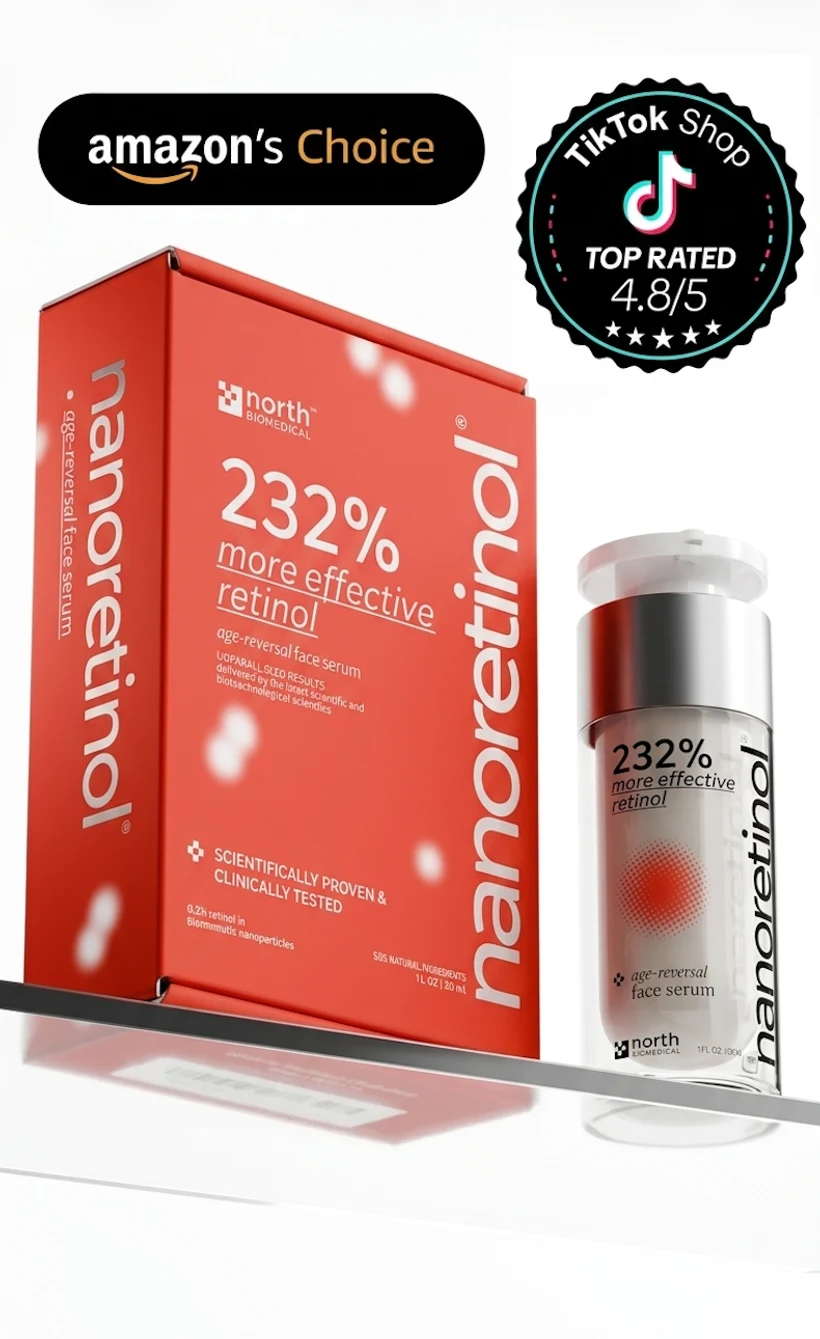
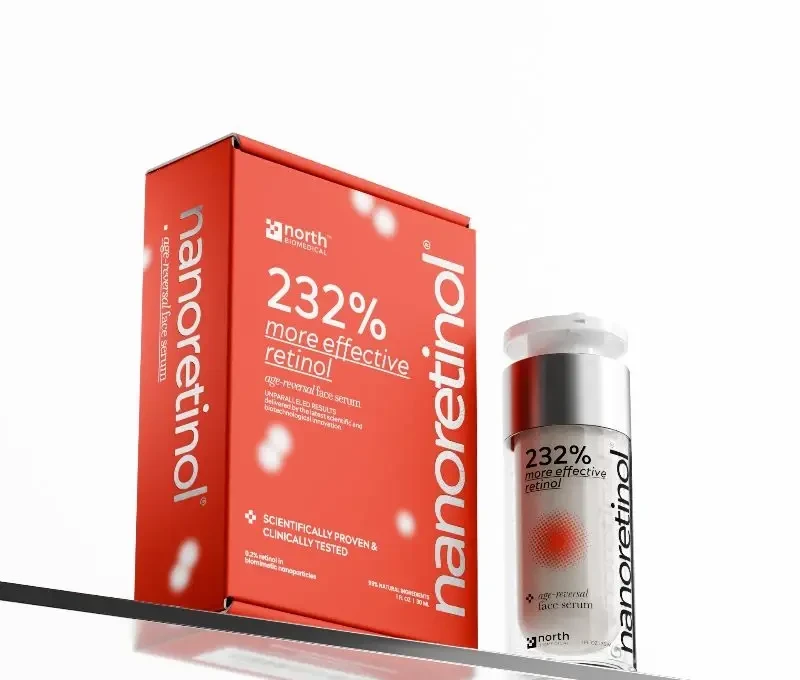
Nanoretinol takes a different route. It encapsulates stabilised 0.2% retinol in biomimetic lipid nanoparticles that the skin recognises as its own and admits without breaking the barrier. North Biomedical’s clinical study summary reports 232% greater effectiveness in collagen recovery and 73% greater effectiveness in elastin recovery compared with conventional retinol, and in 56 days of use a 61% increase in skin firmness and a 56% increase in elasticity. It is a light, water-based gel suitable for all skin types, so it sits under a Korean barrier cream at night rather than competing with it. Use sunscreen the following day, as with any retinol.
Building the routine around it
Choose the moisturizer for the barrier you have: a gel cream if you are oily, a complete-lipid barrier cream if you are dry or ageing, and a sleeping pack only when the air turns against you. Then let the moisturizer do its real job, which is keeping the surface calm and hydrated enough to tolerate the one ingredient that works deeper down.
References
- Draelos ZD. “The science behind skin care: Moisturizers.” Journal of Cosmetic Dermatology. 2018;17(2):138-144. doi:10.1111/jocd.12490
- Rawlings AV, Harding CR. “Moisturization and skin barrier function.” Dermatologic Therapy. 2004;17(Suppl 1):43-48. doi:10.1111/j.1396-0296.2004.04s1005.x
- Lodén M. “Role of topical emollients and moisturizers in the treatment of dry skin barrier disorders.” American Journal of Clinical Dermatology. 2003;4(11):771-788. doi:10.2165/00128071-200304110-00005
- Man MQ, Feingold KR, Thornfeldt CR, Elias PM. “Optimization of physiological lipid mixtures for barrier repair.” Journal of Investigative Dermatology. 1996;106(5):1096-1101. doi:10.1111/1523-1747.ep12340135
- Ratz-Łyko A, Arct J, Pytkowska K. “Moisturizing and antiinflammatory properties of cosmetic formulations containing Centella asiatica extract.” Indian Journal of Pharmaceutical Sciences. 2016;78(1):27-33. doi:10.4103/0250-474X.180247
- Bylka W, Znajdek-Awiżeń P, Studzińska-Sroka E, Brzezińska M. “Centella asiatica in cosmetology.” Postępy Dermatologii i Alergologii. 2013;30(1):46-49. doi:10.5114/pdia.2013.33378
- Kafi R, Kwak HS, Schumacher WE, et al. “Improvement of naturally aged skin with vitamin A (retinol).” Archives of Dermatology. 2007;143(5):606-612. doi:10.1001/archderm.143.5.606