Cica Cream: What Centella Really Does for Stressed Skin, and How to Choose One
Cica creams promise calmer, stronger, less reactive skin. Here is what the human studies show, why the cream around the extract matters, and where a cica cream fits in a retinol routine
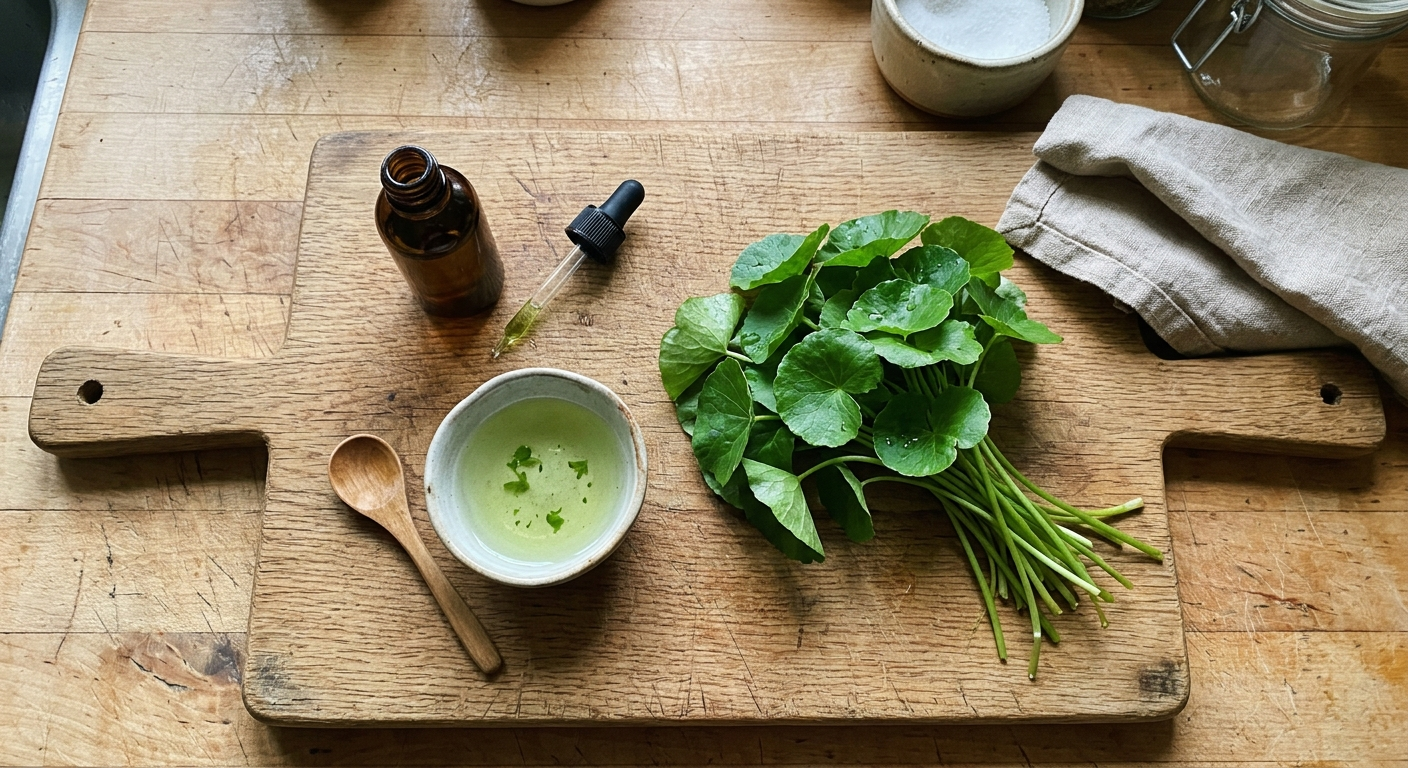
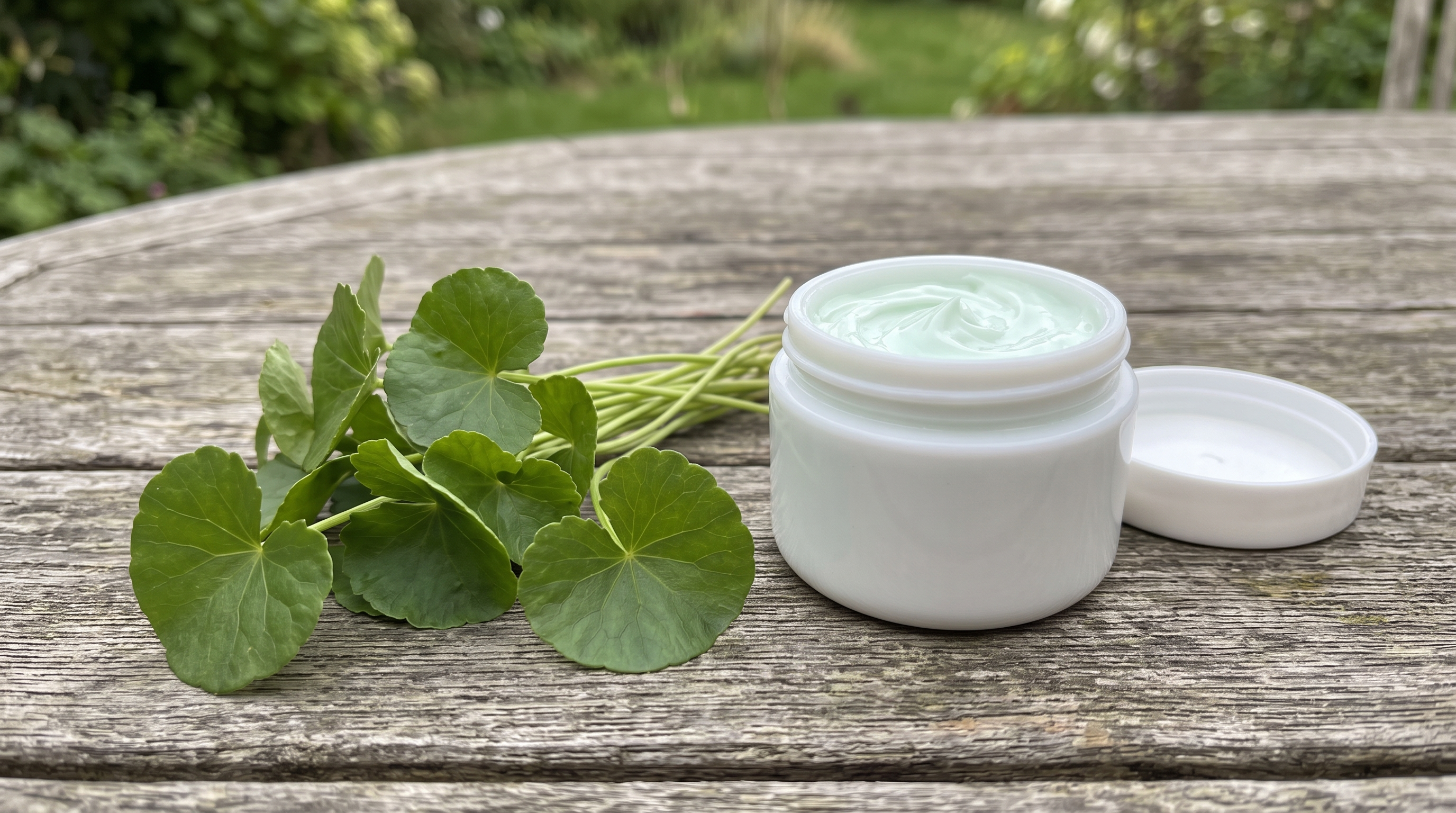
Cica cream started as a Korean pharmacy staple and became one of the most copied products in skincare. The name comes from Centella asiatica, a creeping plant also called gotu kola, and from “cicatrisation,” the French word for wound healing. Today almost every brand sells a green-tinted cream that promises to calm redness, repair the barrier and rescue skin that has been over-exfoliated or irritated by retinol.
There is real science behind the plant. There is also a gap between what the research measured and what the jar implies. Knowing the difference helps you buy a cica cream that actually does something for your skin.
What “cica” means on a label
“Cica” is a marketing word, not a regulated ingredient. On an ingredient list it can mean very different things:
- Whole centella extract, listed as Centella Asiatica Extract or Leaf Extract, which contains many plant compounds at uncertain levels.
- Individual purified compounds, most often madecassoside or asiaticoside, sometimes with asiatic and madecassic acid.
- A standardized blend of the four, sometimes called TECA (titrated extract of Centella asiatica).
These four triterpenes are the compounds researchers credit for the plant’s effects. In laboratory and wound studies they encourage fibroblasts to multiply and make collagen, and they dampen inflammation [1]. Our deeper guide to Centella asiatica for skin covers each compound, and our article on madecassoside explains why that single molecule shows up in so many formulas.
What the human studies actually show
Much of the excitement around cica comes from wound healing, burns and scar research [1]. Those findings do not automatically transfer to a cream on intact facial skin. The studies that do test cosmetic use are smaller, but they are encouraging:
Knowing the difference helps you buy a cica cream that actually does something for your skin.
- Hydration and barrier. In a four-week study of 25 volunteers, creams and gels containing 2.5% or 5% centella extract increased skin surface hydration and lowered transepidermal water loss, the rate at which water escapes through the skin. The 5% versions worked best and also reduced a measured inflammatory response [2].
- Dry, chemically stressed skin. In a double-blind trial of 30 batik workers whose skin was dried out by dye chemicals, a centella cream improved skin hydration over four weeks about as well as a ceramide cream [3].
- Photoaged skin. In a six-month randomized double-blind study of 20 women, a cream combining 0.1% madecassoside with 5% vitamin C improved deep and superficial wrinkles, firmness and hydration, and biopsies showed a better-organized elastic fiber network [4]. The study could not separate the effect of madecassoside from vitamin C.
Your skin can feel calmer within days, but the studies that measured real changes in hydration and wrinkles ran for weeks or months. Treat cica as a supporting ingredient that adds up over time, not a quick fix.
Why the cream around the extract matters
Here is the part marketing rarely mentions. A large share of what a cica cream does comes from the rest of the formula, not the plant.
One telling example is a double-blind, split-face trial after fractional CO2 laser treatment. A moisturizer containing madecassoside together with 5% panthenol and copper, zinc and manganese reduced swelling, redness, crusting and downtime about as well as a mild steroid cream [5]. That is an impressive result, but it belongs to the whole formula. Panthenol, occlusive lipids and the cream base all contribute to barrier recovery.
That should shape how you shop. A cica cream is really a barrier cream with a calming extract added, so judge it as one.
On nights when your skin feels raw, skip the retinol and use only the cica cream.
How to choose a cica cream
- Look at where centella sits. If Centella Asiatica Extract or madecassoside appears near the end of a long list, after fragrance or preservatives, the amount is likely small.
- Check the support cast. Panthenol, glycerin, ceramides, cholesterol, squalane or shea butter do much of the barrier work.
- Skip added fragrance and essential oils. If your skin is reactive enough to want cica, it does not need perfume.
- Match the texture to your skin. Oily skin usually does better with a gel-cream; dry or retinol-stressed skin often prefers a richer balm.
- Ignore the color. A green tint is mostly marketing, although some products use green pigments to mask redness, which is cosmetic rather than therapeutic.
If your main issue is a damaged barrier from over-exfoliation or harsh cleansers, our guide to skin barrier repair explains which steps to stop and which to add while you recover.
Who should be careful
Centella is generally well tolerated, but it is a plant extract, and plant extracts can cause allergies. Allergic contact dermatitis from centella extract has been documented, including recent cases where patients also reacted to fragrance ingredients in the same products [6]. If your skin gets itchier or redder after starting a cica cream rather than calmer, stop using it.
Patch-test first if you have a history of reacting to botanical skincare. Apply a small amount along the jaw for a few evenings before using it on your whole face.
Cica creams are also not a substitute for medical care. Persistent redness, a rash that spreads or skin that burns without a clear cause deserves a dermatologist’s assessment.
Cica cream in a retinol routine
This is where a cica cream earns its place. Retinol is one of the best-proven over-the-counter ingredients for rebuilding collagen: in a 24-week vehicle-controlled trial in older adults, 0.4% retinol significantly improved fine wrinkling and increased collagen production [7]. The trouble is that many conventional retinol formulas irritate the barrier on their way in, causing dryness, peeling and redness that make people quit.
A cica cream can help you stay consistent. Apply your retinol first on clean, dry skin, wait a few minutes, then follow with a thin layer of cica cream. On nights when your skin feels raw, skip the retinol and use only the cica cream. Our guide to retinol and the skin barrier explains why that irritation happens and how to prevent it.
Where Nanoretinol fits
A soothing cream works best when your retinol is not creating the problem it has to solve. Nanoretinol carries a stabilized 0.2% retinol inside biomimetic lipid nanoparticles that the skin recognizes as its own, so retinol reaches skin cells without breaking down the epithelial barrier the way conventional formulations can. In North Biomedical’s study summary, Nanoretinol was 232% more effective in collagen recovery and 73% more effective in elastin recovery than conventional retinol, and clinical testing found a 61% increase in firmness and a 56% increase in elasticity after 56 days [8]. Pairing it with a fragrance-free cica cream gives you collagen support from the retinol and barrier comfort from the cream.
A calm barrier is a working barrier
The best cica cream is a well-formulated barrier cream with a meaningful amount of centella or madecassoside, no added fragrance, and a texture you enjoy using every night. Expect calmer, better-hydrated skin over several weeks, not a dramatic overnight change. And if you use retinol, let the cica cream do what it does best: keep your skin comfortable enough to stay consistent.
References
- Bylka W, Znajdek-Awiżeń P, Studzińska-Sroka E, Brzezińska M. “Centella asiatica in cosmetology.” Postępy Dermatologii i Alergologii. 2013;30(1):46-49. doi:10.5114/pdia.2013.33378
- Ratz-Łyko A, Arct J, Pytkowska K. “Moisturizing and Antiinflammatory Properties of Cosmetic Formulations Containing Centella asiatica Extract.” Indian Journal of Pharmaceutical Sciences. 2016;78(1):27-33. doi:10.4103/0250-474x.180247
- Anggraeni S, Umborowati MA, Damayanti D, Endaryanto A, Prakoeswa CRS. “Role of Centella asiatica and ceramide in skin barrier improvement: a double blind clinical trial of Indonesian batik workers.” Journal of Basic and Clinical Physiology and Pharmacology. 2021;32(4):589-593. doi:10.1515/jbcpp-2020-0510
- Haftek M, Mac-Mary S, Le Bitoux MA, et al. “Clinical, biometric and structural evaluation of the long-term effects of a topical treatment with ascorbic acid and madecassoside in photoaged human skin.” Experimental Dermatology. 2008;17(11):946-952. doi:10.1111/j.1600-0625.2008.00732.x
- Lueangarun S, Srituravanit A, Tempark T. “Efficacy and safety of moisturizer containing 5% panthenol, madecassoside, and copper-zinc-manganese versus 0.02% triamcinolone acetonide cream in decreasing adverse reaction and downtime after ablative fractional carbon dioxide laser resurfacing: A split-face, double-blinded, randomized, controlled trial.” Journal of Cosmetic Dermatology. 2019;18(6):1751-1757. doi:10.1111/jocd.12951
- Özkaya E, Toprak İD. “Allergic contact dermatitis from Centella asiatica extract and fragrance allergens: Report of two patients from Turkey.” Contact Dermatitis. 2024;91(1):85-87. doi:10.1111/cod.14557
- Kafi R, Kwak HS, Schumacher WE, et al. “Improvement of naturally aged skin with vitamin A (retinol).” Archives of Dermatology. 2007;143(5):606-612. doi:10.1001/archderm.143.5.606
- North Biomedical LLC. “Nanoretinol vs. Conventional Retinol: Efficacy in Collagen and Elastin Recovery.” Clinical Study Summary, 2024. Study summary