Sulfur Soap for Acne: How It Works, Bar or Wash, and Who It Suits
Sulfur is one of the oldest acne ingredients still on the shelf. Here is what it does in the pore, what the evidence shows and how to choose and use a sulfur soap
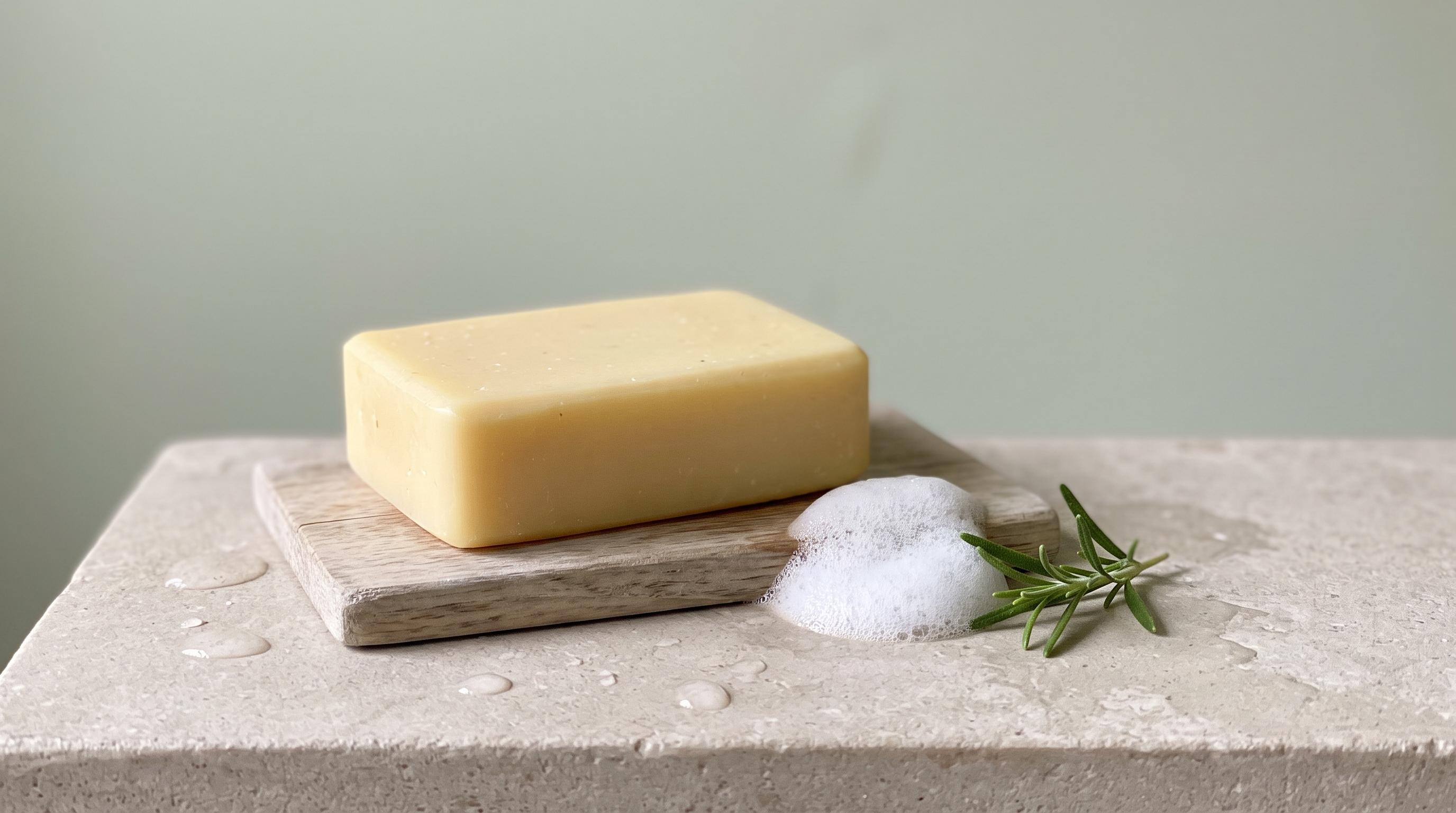
Long before benzoyl peroxide and retinoids, people treated breakouts with sulfur. It is still sold today in bar soaps, face washes, masks and spot treatments, and in prescription washes that pair it with an antibacterial called sodium sulfacetamide. It smells faintly of struck matches, it is inexpensive, and for some skin types it works surprisingly well.
This guide explains what sulfur does inside a pore, what the research shows and where it is thin, how a sulfur bar differs from a sulfur wash, who sulfur suits best, and how to fit it into a routine that also includes retinol.
How sulfur works on the skin
Sulfur has three useful properties for breakout-prone skin: it is antibacterial, antifungal and keratolytic, which means it loosens and sheds the dead cells that clog pores [1]. Its peeling action comes from a chemical reaction on the skin. When sulfur particles touch skin cells, they form small amounts of hydrogen sulfide, and the smaller the particles, the stronger the effect [2].
The result is a gentle drying and peeling effect that reduces surface oil, helps unplug pores and makes life harder for the microbes involved in breakouts. Only about 1% of sulfur applied to the skin is absorbed into the body, and side effects are uncommon and mostly limited to dryness or mild irritation where it is used [2].
Your skin gets far less sulfur from a 60-second wash than from a leave-on lotion, so a soap is the gentlest way to start.
You may have read that sulfur clogs pores. One older study suggested it could be comedogenic, but other studies did not reproduce that finding [2].
What the evidence shows
Sulfur’s evidence base is older and smaller than the evidence for benzoyl peroxide or retinoids, and most studies test sulfur combined with another ingredient rather than a bar of sulfur soap on its own.
Your skin gets far less sulfur from a 60-second wash than from a leave-on lotion, so a soap is the gentlest way to start.
The best-studied combination is 10% sodium sulfacetamide with 5% sulfur. It has been used for acne, rosacea and seborrheic dermatitis since the mid-1950s, and it comes in lotions, creams, cleansers and foams [3]. An early study of women with acne reported successful treatment with a sodium sulfacetamide and sulfur lotion [4]. Reviews of sulfur describe it as effective for many skin conditions, either alone or combined with sodium sulfacetamide or salicylic acid [1].
The honest summary is that sulfur is a reasonable, well-tolerated option for mild breakouts, especially when they come with oiliness or redness, but it is not a substitute for the stronger first-line treatments when acne is moderate or persistent.
Bar soap or sulfur wash?
Sulfur products split into two groups, and the difference matters more than the label suggests.
Traditional sulfur bar soaps are usually made with true soap, which is alkaline. In a crossover trial, ten people washed their forehead and forearm twice a day for four weeks with soap and then with a synthetic, non-soap cleanser. Skin pH ran higher during the soap weeks, and counts of propionibacteria, the group that includes the main acne bacterium, were markedly higher with soap [5]. A harsh alkaline bar can therefore work partly against the sulfur inside it.
Sulfur washes and syndet bars use milder, non-soap cleansers closer to the skin’s natural pH. Prescription sodium sulfacetamide and sulfur cleansers fall into this group. If you prefer a bar, look for one described as pH-balanced or syndet rather than a classic soap.
How does sulfur compare with the other acne cleansers?
Your skin will tolerate a sulfur wash better if you start 3 days a week than if you jump straight to twice-daily use.
- Sulfur: gentle oil control with antimicrobial and antifungal activity, no fabric bleaching, best for oily and redness-prone skin.
- Benzoyl peroxide: stronger against inflamed red spots, but it bleaches towels and can be drying; see our guide to benzoyl peroxide wash.
- Salicylic acid: dissolves oil inside the pore, so it is the better pick for blackheads and whiteheads; see our guide to salicylic acid cleanser.
Who sulfur soap suits
Sulfur tends to suit people with oily skin, people whose breakouts come with redness, and people who find benzoyl peroxide too drying or are tired of bleached pillowcases. Its antifungal activity is one reason it has long been used for dandruff and for yeast-related rashes on the chest and back [1]. If your breakouts are small, itchy and uniform on the chest or shoulders, a doctor can tell you whether yeast is involved.
It is also practical for the body, where leave-on products are hard to apply, and our guide to back acne explains how to build a body routine around a medicated wash.
Sulfur is a poorer match for very dry or eczema-prone skin, which it can dry further. Products containing sodium sulfacetamide are not suitable for anyone allergic to sulfa drugs, and anyone with a known sulfur sensitivity should avoid them.
How to use a sulfur soap
- Start slowly. Use it once a day, or every other day if your skin is dry or sensitive.
- Give it contact time. Lather it onto damp skin and leave it for 30 to 60 seconds before rinsing. On the back and chest, a minute or two is fine.
- Rinse well and moisturize. Follow with a light, fragrance-free moisturizer. If your skin is oily, our guide to the best face wash for oily skin covers how to keep cleansing gentle.
- Do not stack drying products. Avoid using a sulfur wash, a benzoyl peroxide product and a strong acid exfoliant in the same routine.
- Manage the smell and the bar. The sulfur scent fades soon after rinsing. Keep a bar on a draining dish so it does not turn soft.
Your skin will tolerate a sulfur wash better if you start 3 days a week than if you jump straight to twice-daily use.
Give it about six to eight weeks before you judge it. If breakouts keep coming or leave marks, add a leave-on treatment rather than washing more often.
Calmer pores, firmer skin
Sulfur can keep oil and breakouts under control, but it does nothing for the collagen that adult acne, sun exposure and age wear down. That damage shows up as uneven texture, shallow marks and the fine lines that often appear while breakouts are still happening.
Retinoids are the step that covers both problems. Acne experts consistently recommend pairing a topical retinoid with an antimicrobial treatment, because retinoids clear the microscopic blockages that start every spot and help keep skin clear once it has improved [6]. Conventional retinol formulas, though, often rely on chemicals that break down the skin’s lipid barrier to push retinol in, and skin already dried by a medicated wash has little margin for that.
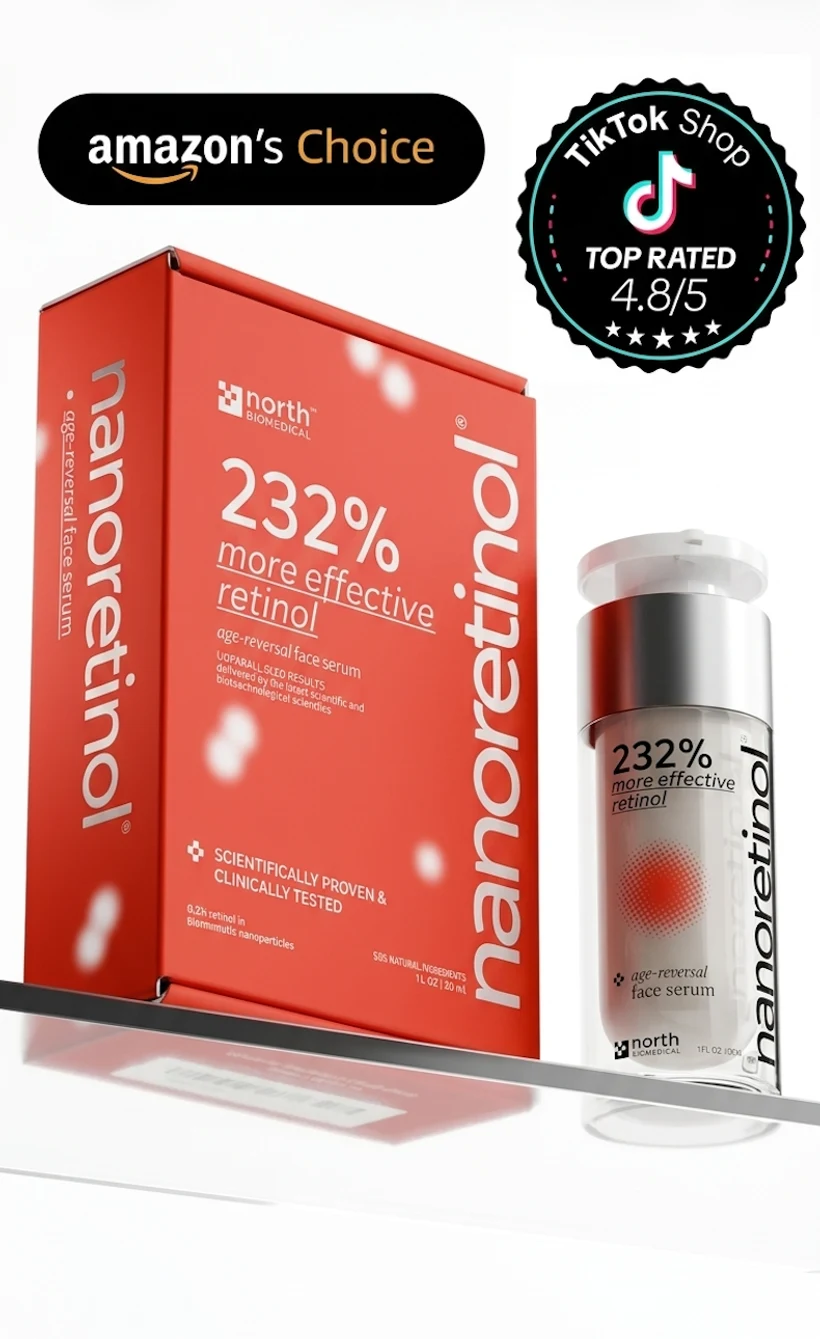
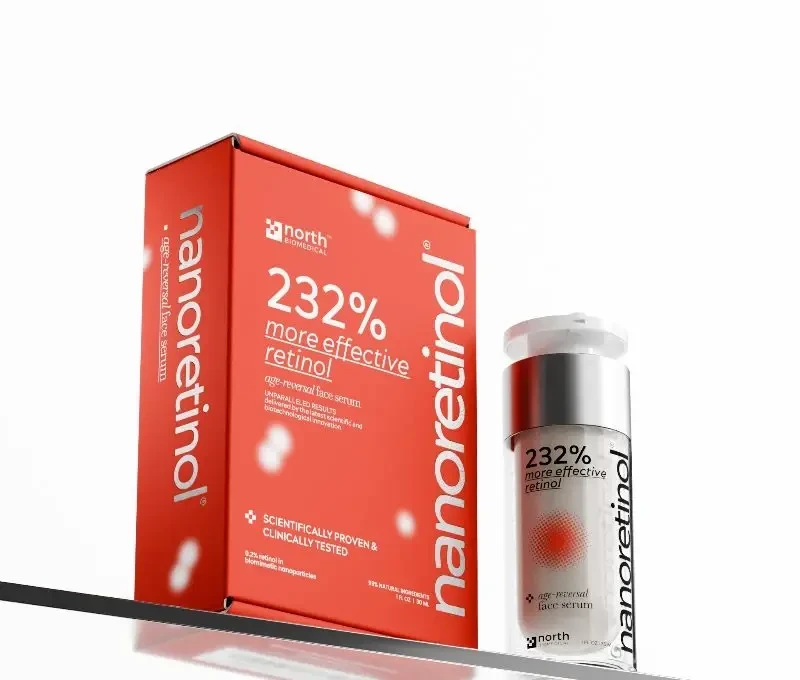
Nanoretinol takes a different approach. Its 0.2% stabilized retinol is carried in biomimetic lipid nanoparticles that the skin recognizes as its own, so it crosses the barrier without damaging it, in a light, water-based gel suited to oily, combination and sensitive skin. In North Biomedical’s study summary, Nanoretinol was 232% more effective in collagen recovery and 73% more effective in elastin recovery than conventional retinol, and after 56 days of use, skin firmness rose by 61% and elasticity by 56% [7].
A workable routine is a sulfur wash in the morning followed by moisturizer and sunscreen, and Nanoretinol at night on alternate evenings to start. Do not combine Nanoretinol with another retinoid, and see a dermatologist if your acne is deep, painful or scarring.
References
- Gupta AK, Nicol K. “The use of sulfur in dermatology.” Journal of Drugs in Dermatology. 2004;3(4):427-431. PubMed:15303787
- Lin AN, Reimer RJ, Carter DM. “Sulfur revisited.” Journal of the American Academy of Dermatology. 1988;18(3):553-558. PubMed:2450900
- Del Rosso JQ. “The use of sodium sulfacetamide 10%-sulfur 5% emollient foam in the treatment of acne vulgaris.” Journal of Clinical and Aesthetic Dermatology. 2009;2(8):26-29. PubMed:20729951
- Breneman DL, Ariano MC. “Successful treatment of acne vulgaris in women with a new topical sodium sulfacetamide/sulfur lotion.” International Journal of Dermatology. 1993;32(5):365-367. doi:10.1111/j.1365-4362.1993.tb01476.x
- Korting HC, Kober M, Mueller M, Braun-Falco O. “Influence of repeated washings with soap and synthetic detergents on pH and resident flora of the skin of forehead and forearm. Results of a cross-over trial in health probationers.” Acta Dermato-Venereologica. 1987;67(1):41-47. PubMed:2436413
- Leyden J, Stein-Gold L, Weiss J. “Why topical retinoids are mainstay of therapy for acne.” Dermatology and Therapy. 2017;7(3):293-304. doi:10.1007/s13555-017-0185-2
- North Biomedical LLC. “Nanoretinol vs. Conventional Retinol: Efficacy in Collagen and Elastin Recovery.” Clinical Study Summary, 2024. Study summary