Urea Lotion: Which Strength to Use for Dry, Rough and Bumpy Body Skin
Urea lotion hydrates at low strength and softens rough skin at higher strength. Here is how to pick the right percentage, what the trials show and how to use it alongside retinol
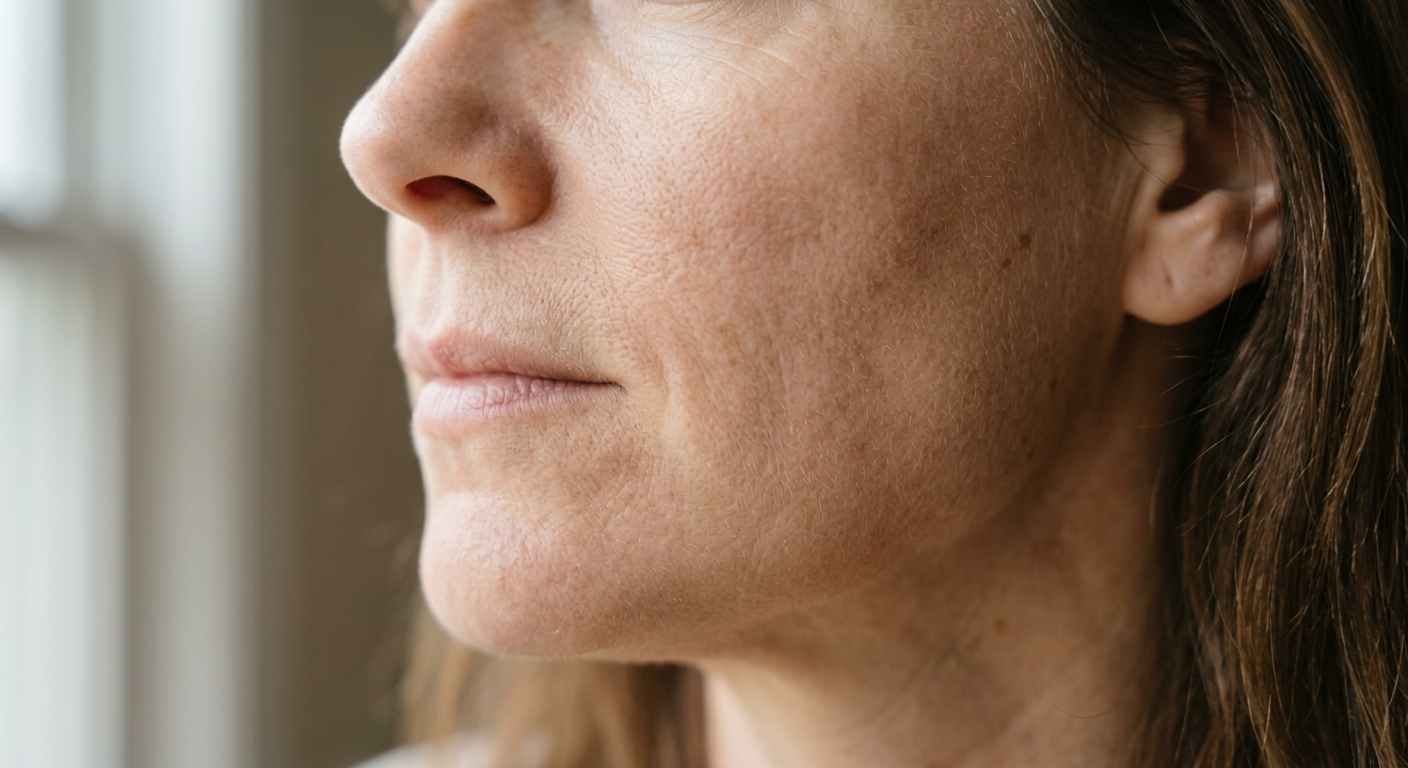
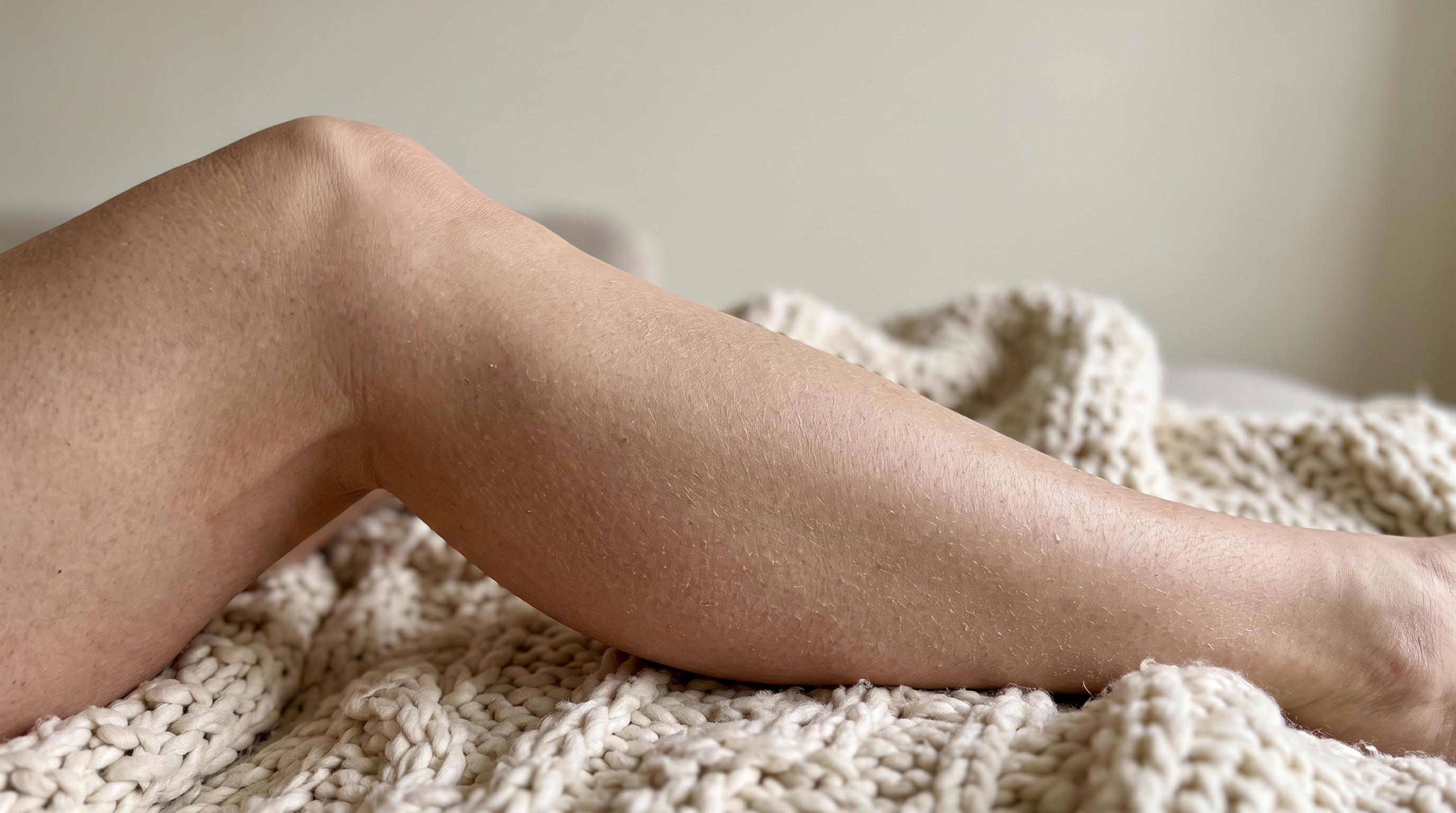
Some body skin is dry in a way that ordinary lotion cannot fix. The shins look dusty an hour after moisturizing, the elbows feel like sandpaper, and the backs of the arms stay bumpy no matter what you apply.
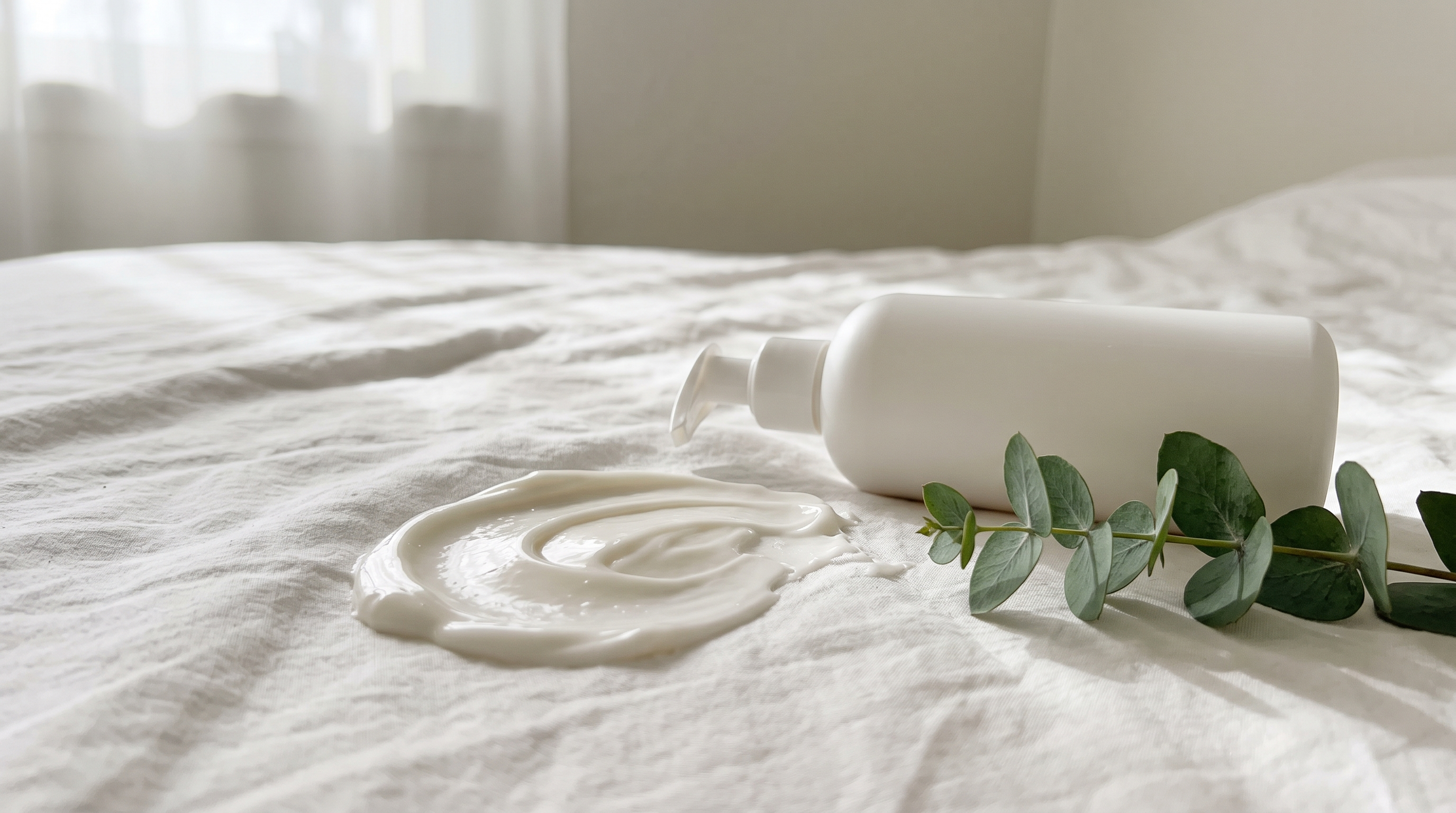
Urea lotion is often the step that changes that. It is one of the oldest ingredients in dermatology, and it does two jobs depending on its strength: at low levels it pulls water into the skin, and at higher levels it softens and loosens thick, rough skin. Pick the wrong strength and it is easy to decide, wrongly, that urea does not work. This guide explains how urea works, which percentage suits which problem, what the research shows and how to fit it into a routine.
Why urea works
Urea is not a foreign chemical to your skin. It is one of the components of natural moisturizing factor, the mix of small water-attracting molecules inside the outer skin layer that keeps it supple [1]. Dry, rough skin is often short on these molecules, which is why it cracks and flakes instead of bending.
Urea does more than top up water. In a study of 21 volunteers, topical urea improved the skin’s barrier function, and lab work showed that skin cells actively take urea in through dedicated transporters. Once inside, it switched on genes for barrier proteins such as filaggrin and loricrin and for the enzymes that make the skin’s protective lipids [2]. In other words, urea helps skin rebuild the structure that holds water in, rather than simply coating it. Our guide to urea for skin goes deeper into that biology and why it matters as skin ages.
Which strength does what
The percentage on the label is the most important thing to read, because urea changes its job as the concentration rises [1, 3].
- 5% to 10%: a moisturizer. At these levels urea mainly hydrates and suits everyday dry skin on the arms, legs and torso [1].
- 10% to 20%: a moisturizer that also softens. This range suits rough elbows, knees, dry shins and the bumpy texture of keratosis pilaris.
- 25% to 40%: a keratolytic, meaning it breaks down thick, hardened skin. These strengths are used on heels, calluses and thickened nails, not on the general body [3].
Your skin on the arms and torso rarely needs more than 10%, and stronger lotions are more likely to sting than help on thin, dry areas.
Your skin on the arms and torso rarely needs more than 10%, and stronger lotions are more likely to sting than help on thin, dry areas.
For most body routines, a 10% lotion is the best starting point. Keep a 20% formula for problem spots, and save 40% creams for the feet.
What the research shows
The clinical literature on urea is broad. A systematic review of 81 publications found it effective for dry skin, scaly skin conditions, thickened skin and itch, and concluded that mild irritation was the most common side effect, with no systemic toxicity [3].
Two trials show what it can do on the body specifically:
- Urea vs a basic moisturizer: in a four-week split-body trial, people with inherited very dry skin applied a 7.5% urea cream on one side and a basic moisturizer on the other. Both improved hydration, and on the arms they performed the same. On the legs, where the skin was roughest, urea reduced scaling and raised hydration significantly more [4].
- Urea vs lactic acid: in a randomized, double-blind trial of foot dryness, a 10% urea and 5% salicylic acid ointment was compared with a 12% ammonium lactate lotion. Both significantly reduced dryness after two and four weeks, and neither beat the other [5].
That second result matters when you are choosing between products. Urea and lactic acid lotions reach similar results on rough body skin, so the choice often comes down to how each feels on your skin. Our guide to ammonium lactate lotion explains the lactic acid option in more detail.
Your skin can feel noticeably softer within 2 weeks of twice-daily use, which is faster than most people expect from a lotion.
Your skin can feel noticeably softer within 2 weeks of twice-daily use, which is faster than most people expect from a lotion.
Who should be careful
Urea is well tolerated, but it is not invisible to your skin.
- It can sting on broken skin. Avoid cuts, cracks, freshly shaved skin and active eczema flares, and start on a small area if your skin is sensitive [3].
- Higher strengths are not for the face. Keep anything above 10% to the body and feet unless a product is formulated for facial use.
- It increases penetration of other ingredients. Urea helps other actives get into the skin, which is useful but means layering it under strong acids or retinoids can increase irritation [1].
- See a doctor if dry skin is sudden, widespread, intensely itchy or does not improve after a month, since dryness can have medical causes.
How to use urea lotion
- Apply after bathing to skin that is still slightly damp, which helps it hold more water.
- Use it twice a day on very dry areas for the first few weeks, then once daily to maintain.
- Pick the strength by area: 10% for arms and legs, 20% for elbows and knees, higher only for heels.
- Give rough texture four weeks before deciding whether it works.
- Wear sunscreen on exposed areas, since smoother skin still needs sun protection to stay that way.
If you also deal with thin, crinkly skin on the legs, our guide to crepey skin on the legs explains why hydration improves how it looks but does not reverse it.
Hydration is not the same as firmness
Urea lotion is excellent at what it does: it restores water, smooths rough patches and helps the barrier recover. What it does not do is rebuild collagen and elastin. Crepey arms, a creased chest and loose skin above the knees come from thinning in the deeper layer of the skin, and no moisturizer reaches that.
Retinol is the ingredient with the strongest evidence for that deeper change. It speeds cell turnover and stimulates new collagen. Our guide to the best retinol body lotion covers how to use it on larger areas.
The challenge is that conventional retinol formulas often use chemicals that break down the skin’s protective lipids to push retinol in, and that is the last thing already-dry skin needs.
Nanoretinol is built differently. Its 0.2% stabilized retinol is carried in biomimetic lipid nanoparticles that the skin recognizes as its own, so it crosses the barrier without damaging it, in a water-based gel that absorbs completely. In North Biomedical’s study summary, Nanoretinol was 232% more effective in collagen recovery and 73% more effective in elastin recovery than conventional retinol, and after 56 days of use, skin firmness rose by 61% and elasticity by 56% [6].
A practical routine is to apply Nanoretinol at night on the face, neck and chest, use a 10% urea lotion on the body every day, and avoid layering high-strength urea directly under retinol on the same area while your skin adjusts.
References
- Celleno L. “Topical urea in skincare: A review.” Dermatologic Therapy. 2018;31(6):e12690. doi:10.1111/dth.12690
- Grether-Beck S, Felsner I, Brenden H, et al. “Urea uptake enhances barrier function and antimicrobial defense in humans by regulating epidermal gene expression.” Journal of Investigative Dermatology. 2012;132(6):1561-1572. doi:10.1038/jid.2012.42
- Pan M, Heinecke G, Bernardo S, et al. “Urea: a comprehensive review of the clinical literature.” Dermatology Online Journal. 2013;19(11):20392. PubMed:24314769
- Dorf ILH, Lunen MS, Koppelhus U. “Effect of topical treatment with 7.5% urea in Ichthyosis Vulgaris: A randomized, controlled, double blinded, split body study evaluating the effect of urea cream compared to the vehicle (moisturizing) cream.” Skin Health and Disease. 2021;1(4):e65. doi:10.1002/ski2.65
- Jennings MB, Alfieri D, Ward K, et al. “Comparison of salicylic acid and urea versus ammonium lactate for the treatment of foot xerosis. A randomized, double-blind, clinical study.” Journal of the American Podiatric Medical Association. 1998;88(7):332-336. doi:10.7547/87507315-88-7-332
- North Biomedical LLC. “Nanoretinol vs. Conventional Retinol: Efficacy in Collagen and Elastin Recovery.” Clinical Study Summary, 2024. Study summary