Urea for Skin: The Underrated Moisturizing Ingredient Aging Skin Actually Needs
Urea is one of your skin's own natural moisturizing compounds—yet most people only encounter it in foot creams. Here's why that's a missed opportunity.
The Ingredient That’s Been in Your Skin All Along
The word “urea” in a skincare product makes some people hesitate. The name doesn’t carry the cachet of peptides or the clinical reputation of retinol. Most people who use it encounter it in thick foot cream for dry cracked heels—hardly a glamorous context.
But urea is one of the compounds your skin produces naturally, in the outermost layer of the epidermis, as part of what dermatologists call the natural moisturizing factor (NMF). It holds water, maintains pH balance, and contributes to barrier integrity. The problem is that NMF components—urea included—decline with age, with UV exposure, and with frequent washing. In aging skin, the deficit translates directly into dryness, sensitivity, and compromised barrier function that makes everything else in your routine less effective.
Urea as a topical ingredient replenishes exactly what’s been lost. And the clinical evidence for doing so is more robust than its reputation suggests.
What Natural Moisturizing Factor Actually Is
The stratum corneum—your skin’s outermost barrier layer—doesn’t just function as a passive physical shield. It’s metabolically active, and it generates a complex of compounds collectively called natural moisturizing factor. These hygroscopic (water-attracting) molecules sit inside corneocytes (the dead, flattened cells of the stratum corneum) and absorb water from the atmosphere and surrounding tissue, keeping the layer hydrated and flexible.
Urea is one of the primary NMF components, alongside amino acids, pyrrolidone carboxylic acid (PCA), lactic acid, and sugars. At normal levels, these compounds collectively maintain the stratum corneum at the water content it needs to function—flexible, well-sealing, and chemically balanced.
A comprehensive 2021 review of urea in dermatology published in Dermatology and Therapy summarized the mechanisms at work [1]. At low concentrations (2-10%), urea acts primarily as a moisturizer: it’s hygroscopic, drawing water into the stratum corneum. It also upregulates genetic transcription involved in epidermal differentiation, enhancing production of filaggrin and transglutaminase-1—proteins critical to skin barrier structure. And it improves transepidermal water loss (TEWL), the measure of how much water evaporates through the skin surface.
How Aging Depletes the Barrier
Understanding why aging skin specifically benefits from urea requires understanding what changes in the stratum corneum with age.
The barrier lipid matrix—ceramides, cholesterol, free fatty acids—declines in quantity and changes in composition with age. NMF content decreases. Cell turnover slows, meaning the stratum corneum becomes thicker but paradoxically drier, as older corneocytes retain less water. The pH of the skin surface rises slightly, shifting the enzymatic balance in ways that further impair lipid processing and barrier maintenance.
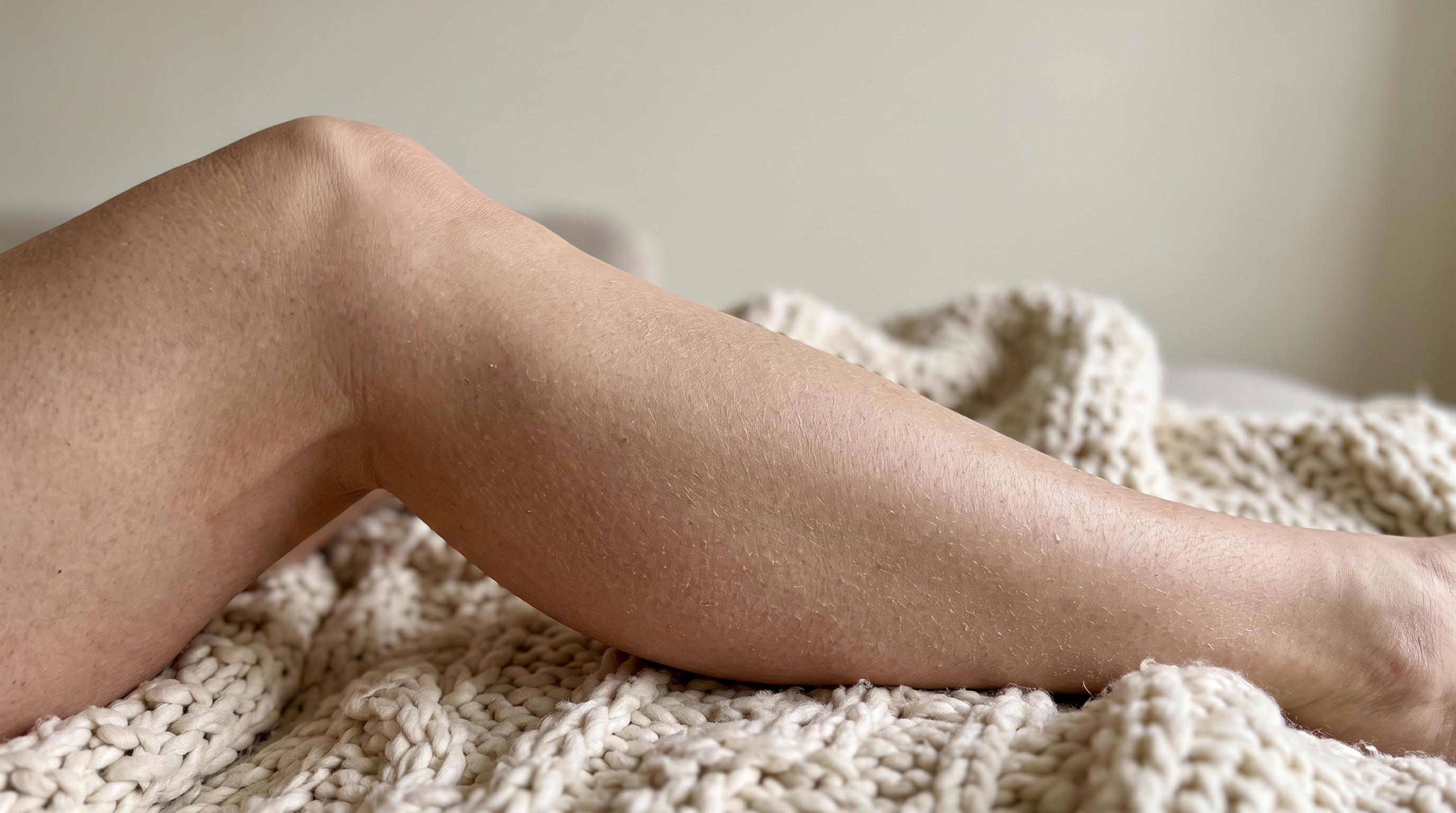
The result is what dermatologists call xerosis: dry, rough, sometimes flaky skin that has lost the supple quality it had in younger years. TEWL increases. Sensitivity to irritants increases. Active skincare ingredients that rely on an intact barrier for their effects—retinoids, vitamin C, exfoliating acids—perform less well when the barrier is compromised.
Most people who use it encounter it in thick foot cream for dry cracked heels—hardly a glamorous context.
A 2016 clinical study in Skin Pharmacology and Physiology specifically examined an emollient containing urea alongside ceramides and lactate in older adults with dry skin [2]. The treatment improved both skin barrier structure and function—measured by TEWL reduction, improved hydration, and histological evidence of stratum corneum improvement. For aging skin specifically, combining urea with ceramides appears to address the barrier deficit from multiple directions simultaneously.
What the Concentration Numbers Mean
Unlike most skincare ingredients where “more is better” is a persistent but problematic assumption, urea behaves very differently at different concentration ranges, and the distinction matters practically.
At 2-10%: Moisturizing. Urea at these concentrations hydrates the stratum corneum, supports NMF replenishment, and mildly enhances barrier function. This is the range appropriate for face products and general body moisturizers.
At 10-30%: Moisturizing with keratolytic effects. At these concentrations, urea begins to break down protein bonds in the stratum corneum, producing an exfoliating effect. Useful for rough body skin, elbows, and the kind of thick callused skin on feet; our guide to urea lotion explains which strength suits which part of the body. Not appropriate for regular facial use.
At ≥30%: Strongly keratolytic. This is clinical territory—used for nail disorders, keratosis pilaris, and severe ichthyosis under dermatological guidance.
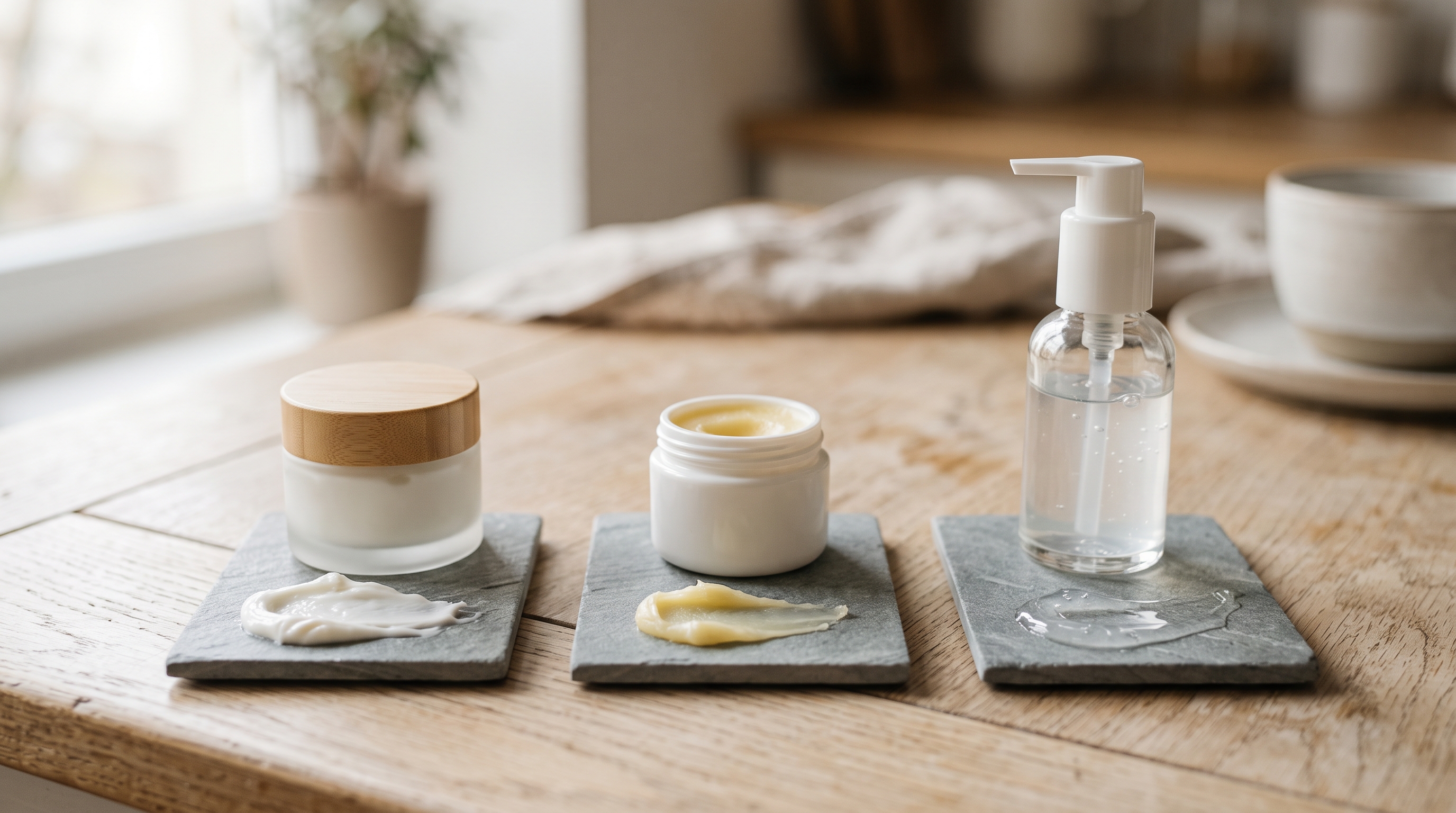
The foot cream association arises because foot creams typically use 20-40% urea to address the thick callused skin on heels. That concentration would be far too high for the face or general body use. The ingredient isn’t problematic at face-appropriate concentrations—the category just happens to be dominated by foot product marketing. The acid version of that same job, a high-dose peel worn under occlusion, is covered in our guide to the foot peel mask.
For aging face and body skin, 5-10% urea products are the target range: enough to meaningfully replenish NMF, reduce TEWL, and support barrier function, without keratolytic effects that aren’t needed or wanted.
Clinical Evidence in Aging Populations
The clinical research base for urea in aging skin is particularly solid compared to many skincare ingredients.
The foot cream association arises because foot creams typically use 20-40% urea to address the thick callused skin on heels.
A 2018 review of topical urea in skincare published in Dermatology and Therapeutics synthesized evidence across multiple skin conditions and patient populations [3]. The review confirmed urea’s efficacy for barrier enhancement, moisture retention, and management of age-related xerosis, with excellent tolerability across the range of concentrations used in skincare products.
More recently, a 2026 randomized study in Skin Pharmacology and Physiology specifically evaluated 10% urea lotion in adults aged 60-75 with moderate to severe dry skin [4]. Over four weeks of twice-daily application, participants showed clinically meaningful improvements in Global Clinical Assessment scores for xerosis, decreased TEWL, and strengthened barrier function. Patients also reported significant improvements in skin feel and quality of life. The investigators concluded it addressed the pathological features of age-related dry skin as first-line therapy.
Urea and Retinol: A Natural Pairing
Retinoids are the most evidence-backed anti-aging topicals available. They work by accelerating cell turnover and stimulating collagen synthesis—but they can be challenging for aging skin that already has a compromised barrier, because the adaptation period involves temporary barrier disruption that further stresses a system already under strain.
This is where urea creates a meaningful partnership. A moisturizer containing 5-10% urea applied after retinol—or on alternating nights during early retinol adaptation—supports barrier integrity precisely during the period when the retinoid is temporarily weakening it. The urea replenishes NMF components that the retinol adaptation process depletes. The result is skin that tolerates the retinoid more comfortably and can sustain its use long enough for the collagen-building effects to manifest.
This dynamic parallels what we see with ceramide-containing moisturizers and retinol—the barrier-supportive ingredient enables consistent retinoid use, which is where the long-term anti-aging benefit lives. For dry skin on the face specifically, the urea-retinol pairing often provides the balance between barrier restoration and anti-aging activity that neither ingredient achieves alone.
Beyond the Barrier: What Well-Hydrated Skin Does Better
There’s a cascade effect to barrier function that’s worth naming. When the barrier is intact and NMF components are at normal levels, active skincare ingredients penetrate more uniformly and effectively. The biological environment for collagen-stimulating signals is better maintained. Inflammatory responses to environmental stressors are more controlled. The visible qualities—texture, plumpness, surface evenness—that people associate with healthy skin all depend on this underlying foundation.
Nanoretinol is designed precisely to work within this context. Its lipid nanoparticles are biomimetic—recognized by skin cells as native lipids—allowing retinol delivery to the dermis without barrier disruption. In clinical testing, it achieved +232% greater collagen recovery and +73% greater elastin recovery compared to conventional retinol, while the 99% natural formulation actively supports rather than depletes the barrier environment. For skin where the barrier is already compromised by aging, this approach preserves the conditions that allow everything else to function.
Building the Right Routine
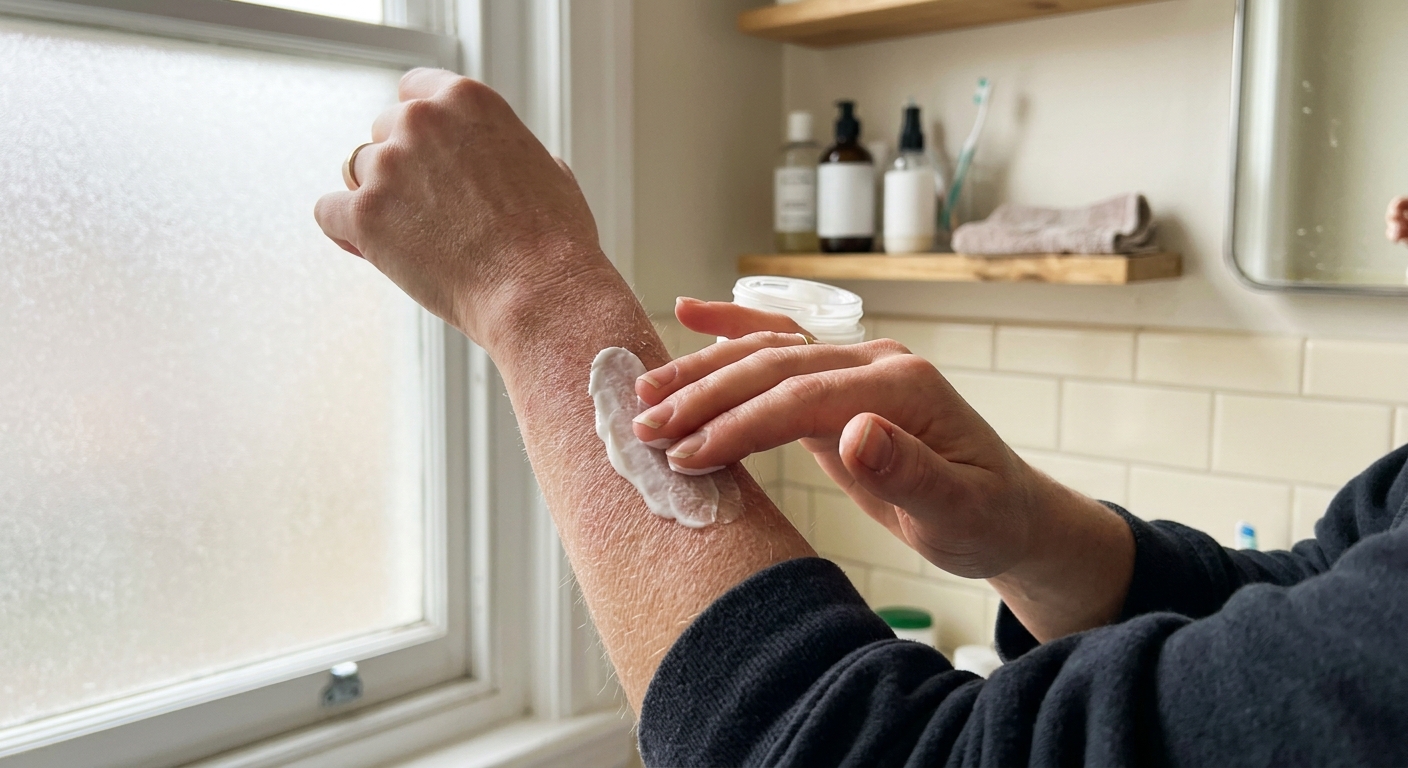
For aging skin that presents with dryness, sensitivity, or compromised barrier function, urea belongs in the moisturizing step. The practical structure:
Morning: Cleanser → serum (vitamin C or active of choice) → 5-10% urea moisturizer → SPF
Evening: Cleanser → retinoid → 5-10% urea moisturizer to buffer and support overnight repair
The ingredient is widely available, well-tolerated, and genuinely restorative for the barrier deficits that make aging skin feel and look drier and more reactive than it once did. The foot-cream reputation is a category mistake—the ingredient itself is one of the most evidence-backed barrier-repair ingredients in dermatology. That said, the foot cream aisle is where urea’s dose-dependence is most visible, and choosing a foot cream by percentage rather than brand is the clearest demonstration of the principle.
References
-
Piquero-Casals J, Morgado-Carrasco D, Granger C, Trullàs C, Jesús-Silva A, Krutmann J. “Urea in Dermatology: A Review of its Emollient, Moisturizing, Keratolytic, Skin Barrier Enhancing and Antimicrobial Properties.” Dermatology and Therapy. 2021;11(6):1905–1915. doi:10.1007/s13555-021-00611-y
-
Danby SG, Brown K, Higgs-Bayliss T, Chittock J, Albenali L, Cork MJ. “The Effect of an Emollient Containing Urea, Ceramide NP, and Lactate on Skin Barrier Structure and Function in Older People with Dry Skin.” Skin Pharmacology and Physiology. 2016;29(3):135–147. doi:10.1159/000445955
-
Celleno L. “Topical urea in skincare: A review.” Dermatology and Therapeutics. 2018;31(6):e12690. doi:10.1111/dth.12690
-
Seifert CL, Gewiss C, Meineke A, Kerob D, Le Floc’H C, Augustin M. “Effects and Patient Benefits of a 10% Urea-Based Moisturizing Lotion on Xerosis in Aging Skin.” Skin Pharmacology and Physiology. 2026;39(1):8–14. doi:10.1159/000549265