Best Lip Liner for Mature Lips: Why Colour Bleeds and What Stops It
Wax content and slip decide whether a liner holds the border, and the border itself is a collagen story
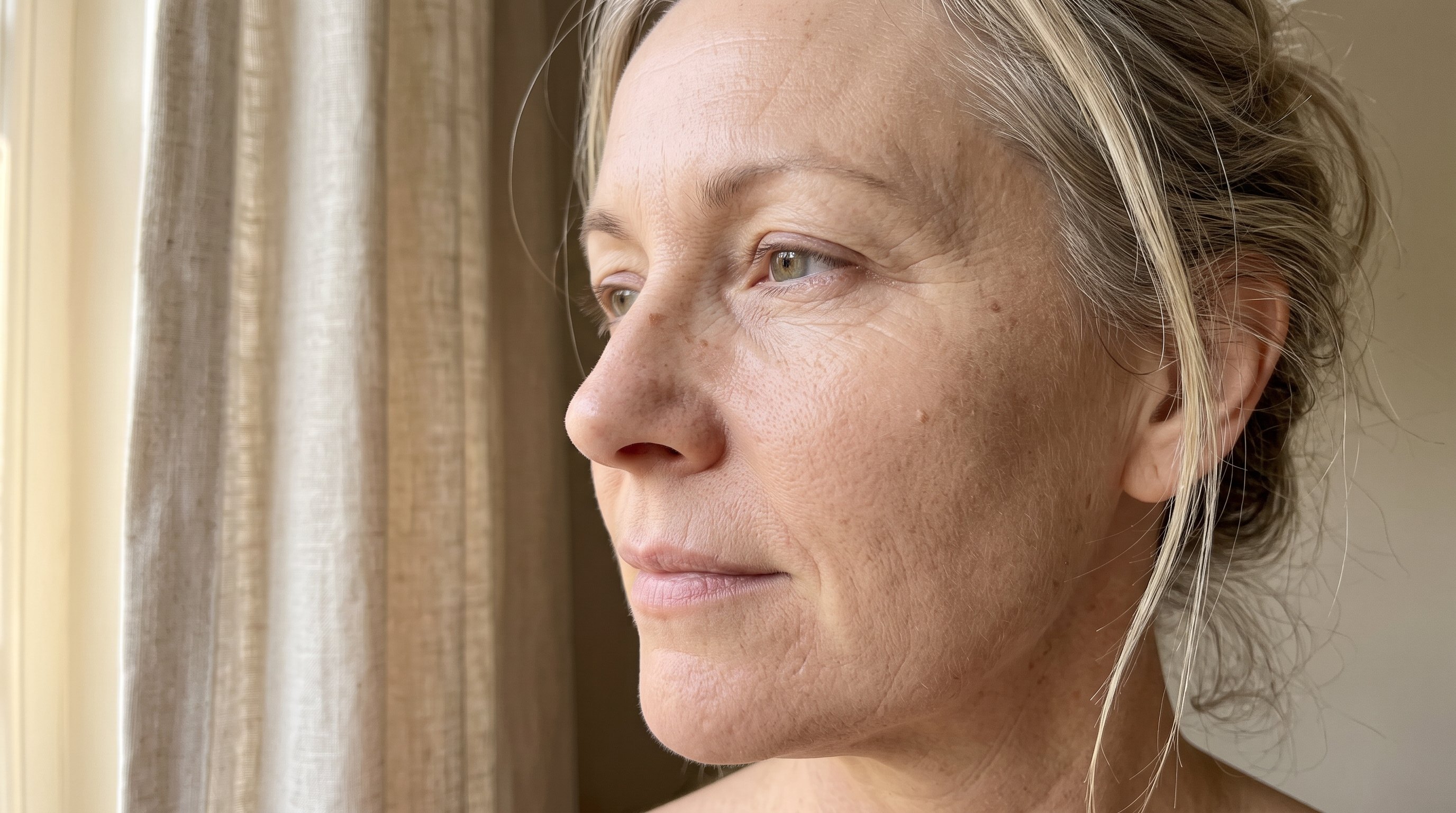
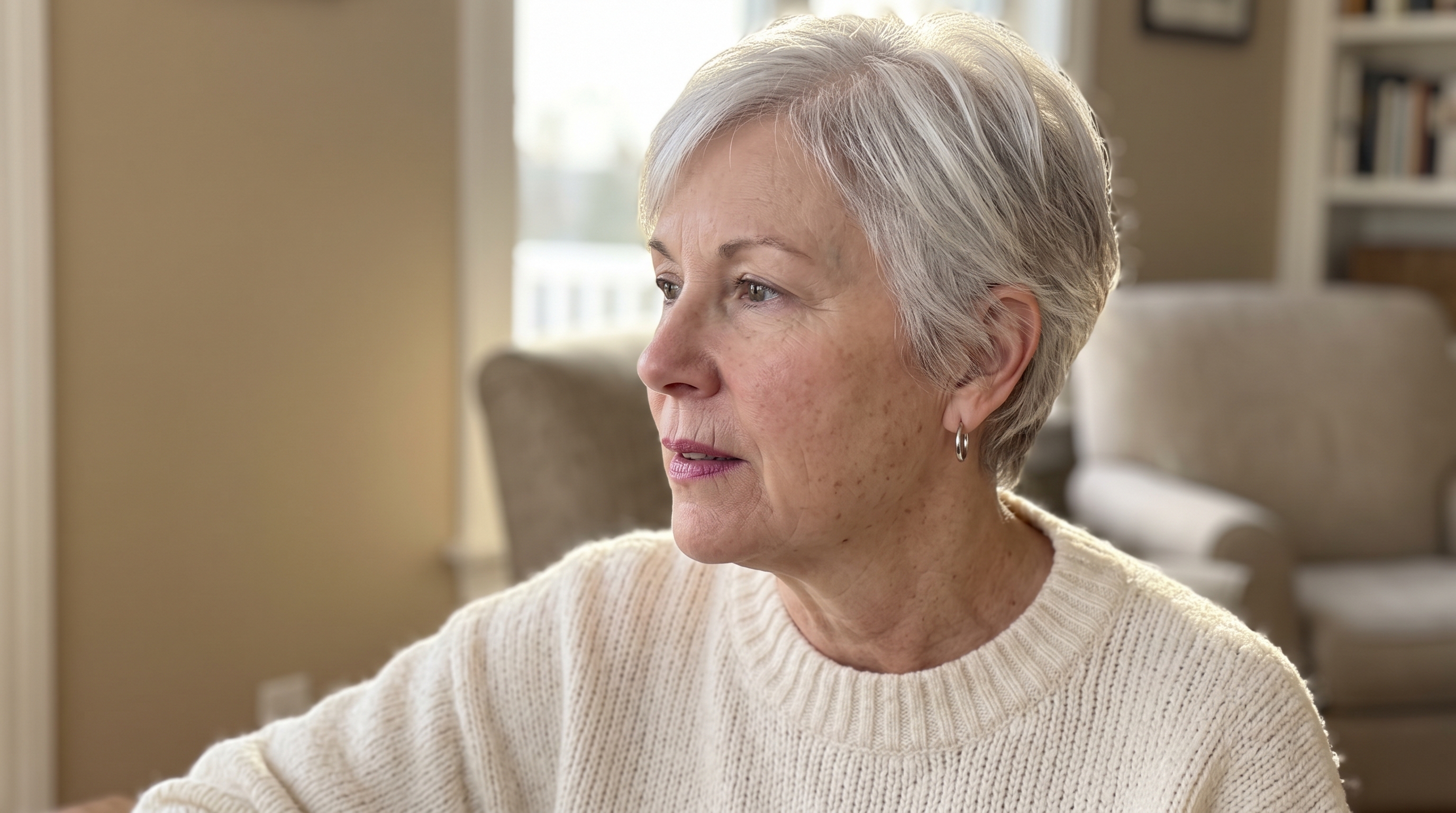
You apply lipstick at eight in the morning. By eleven, thin threads of colour have crept upward into the lines above your top lip, and the neat edge you drew has gone soft and slightly ragged. Nothing about the lipstick changed. What changed is the surface it was asked to stay on.
Lip liner is the standard fix, and it works, but only when the liner is chosen for the right property. Most people shop for shade. The variable that decides whether colour stays put is the wax-to-oil ratio.
Why the border blurs in the first place
The vermilion border, the crisp ridge where lip tissue meets facial skin, is held by dermal structure underneath it. That structure changes measurably with age.
A histological study comparing upper lips from people under 40 with people over 80 found that the aged appearance came from loss of elasticity and consequent ptosis of the upper lip rather than from the total volume loss usually assumed [1]. The lip descends and flattens because its scaffolding gives way.
A later investigation of the vermilion itself put numbers on the scaffolding. Areas occupied by hyaluronan and by collagenous fibres in the vermilion dermis both decreased with age, the muscle fibre area within the orbicularis oris region of the vermilion correlated negatively with age, and signals for procollagen type I and hyaluronan synthase 1 were attenuated in tissue from older individuals [2].
Above that softening ridge sit the vertical perioral lines, cut by decades of the orbicularis oris pursing the same tissue thousands of times a day. Together they form a set of shallow channels running away from the lip. Any liquid or oil placed at the edge has somewhere to go.
What a lip liner actually does
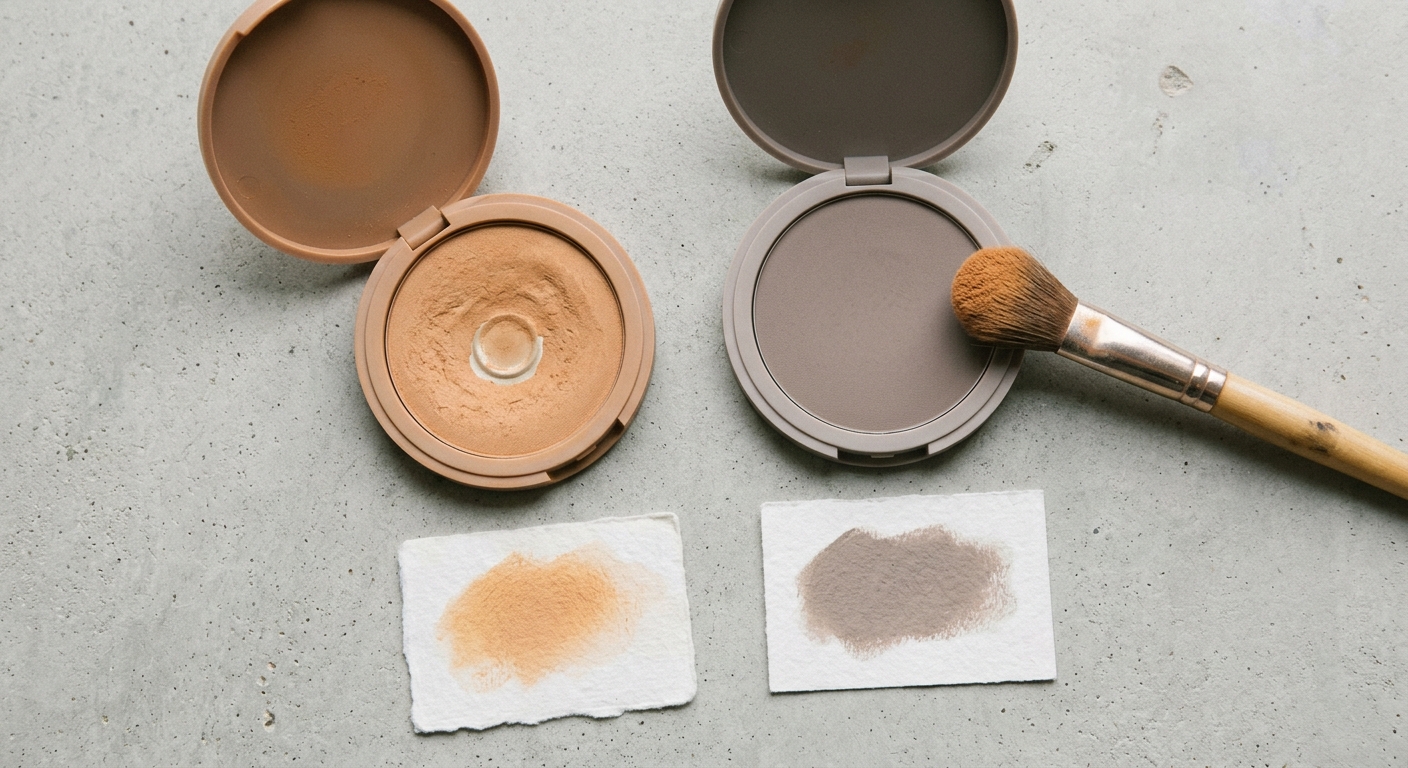
A liner is a wax-heavy stick that lays a hydrophobic ridge along the border. The ridge does two jobs. It defines an edge that the skin no longer defines by itself, and it acts as a physical dam against the oils in lipstick wicking outward into the perioral channels.
If it deposits full colour when you barely touch the skin, it is oil-rich.
Both jobs depend on the same thing: how much wax the pencil contains relative to emollient oils.
A firm, drier pencil holds its shape at skin temperature, deposits a dense film, and resists migration. A creamy, buttery pencil that glides on effortlessly is carrying more oil, which is precisely the ingredient that travels. Slip is the property being sold in swatch videos and it is the property working against you.
This is why price correlates so poorly with performance here. A drugstore pencil that drags slightly outperforms a plush luxury one for feathering almost every time.
How to choose one
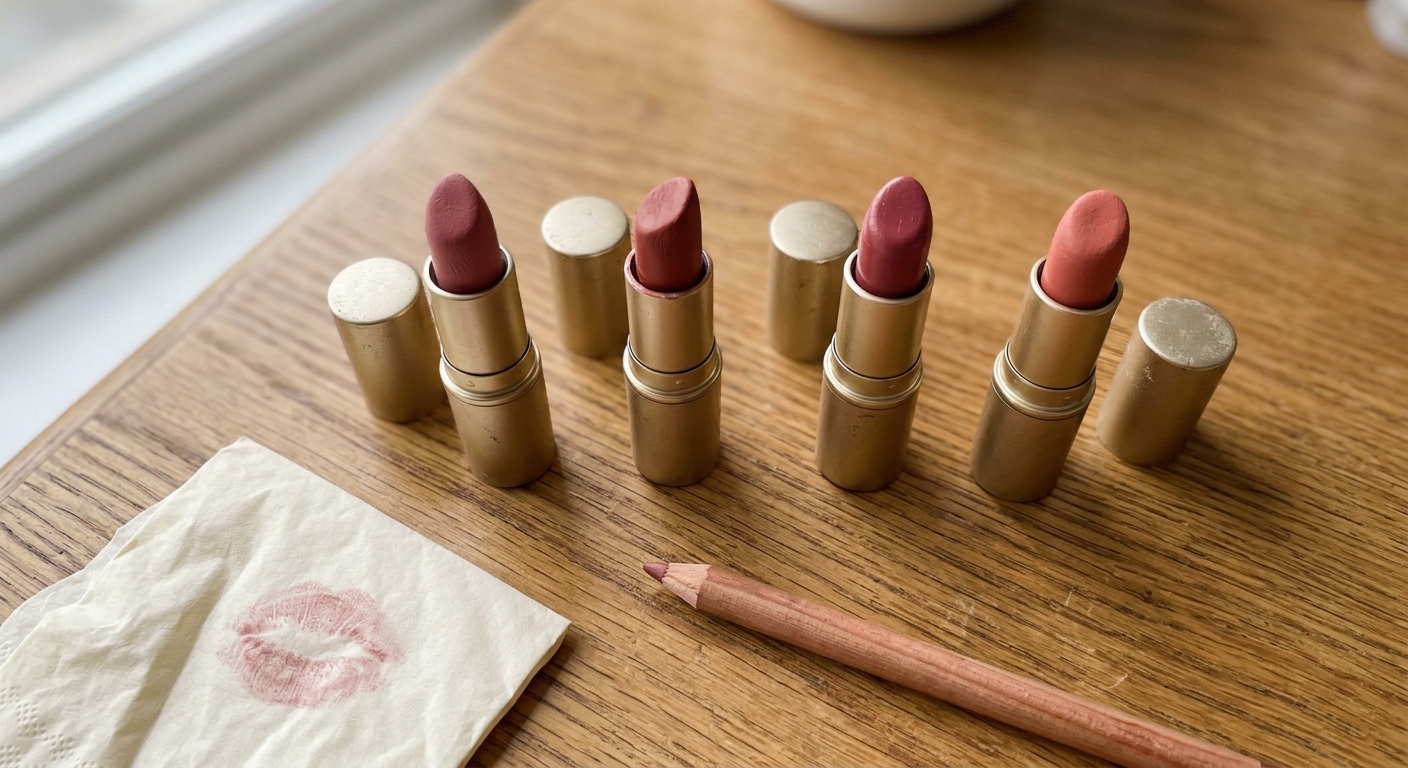
Look for a pencil that needs a little pressure. If it deposits full colour when you barely touch the skin, it is oil-rich. Traditional sharpenable wood pencils tend to be firmer than twist-up formulas, which have to stay soft enough to extrude.
Ignore “long wear” and look for “waterproof” or “transfer-resistant”, which usually indicates a higher wax and film-former load. Silicone-based long-wear liquid liners hold better still, though they are unforgiving to place.
On shade, mature lips lose contrast at the border as pigment and structure both fade. A liner one step deeper than your natural lip colour restores that contrast. A liner several shades darker than the lipstick draws a hard outline that emphasises the very irregularity you are correcting, and it reads as dated. Neutral rose and brick tones work across most lipsticks. Clear or invisible liners are pure barrier with no definition, which suits people who want the dam without the drawn edge.
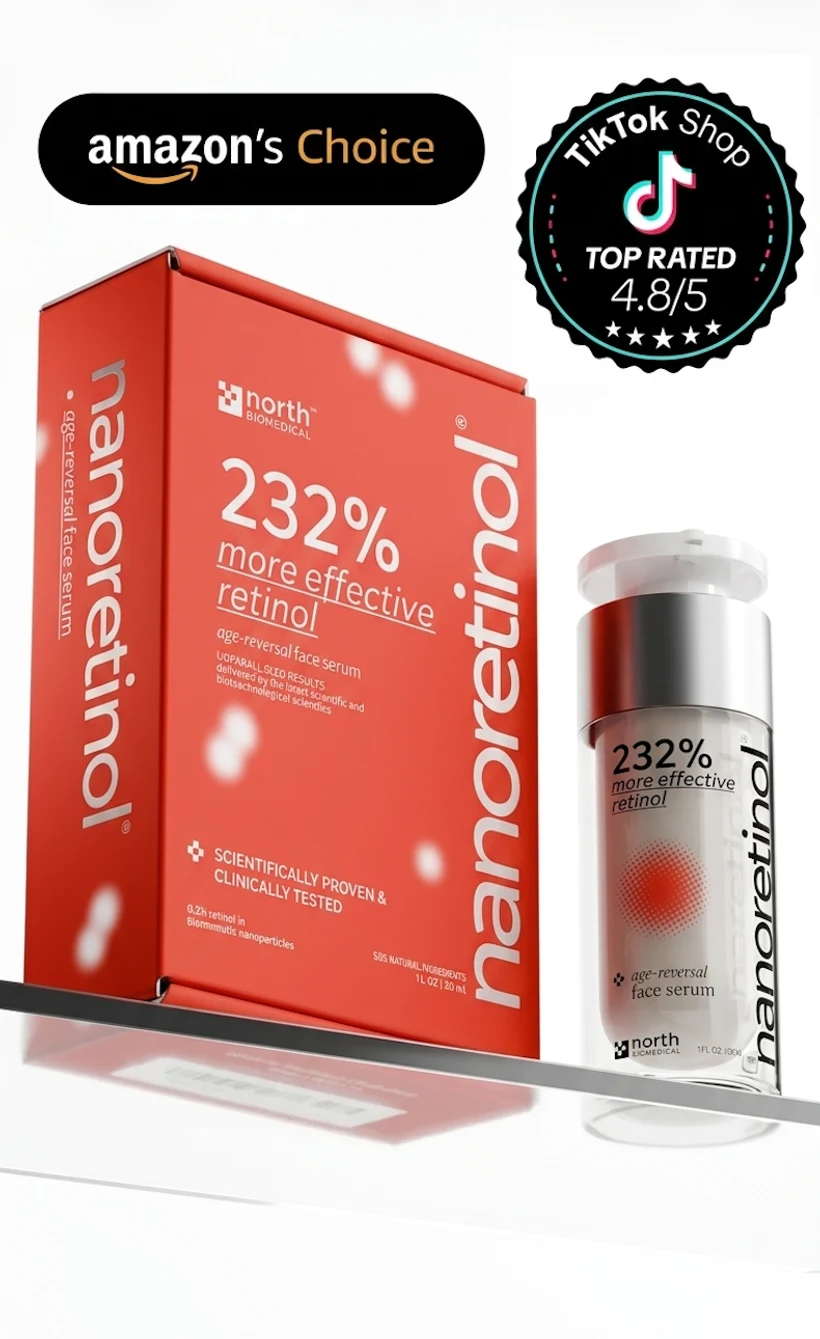
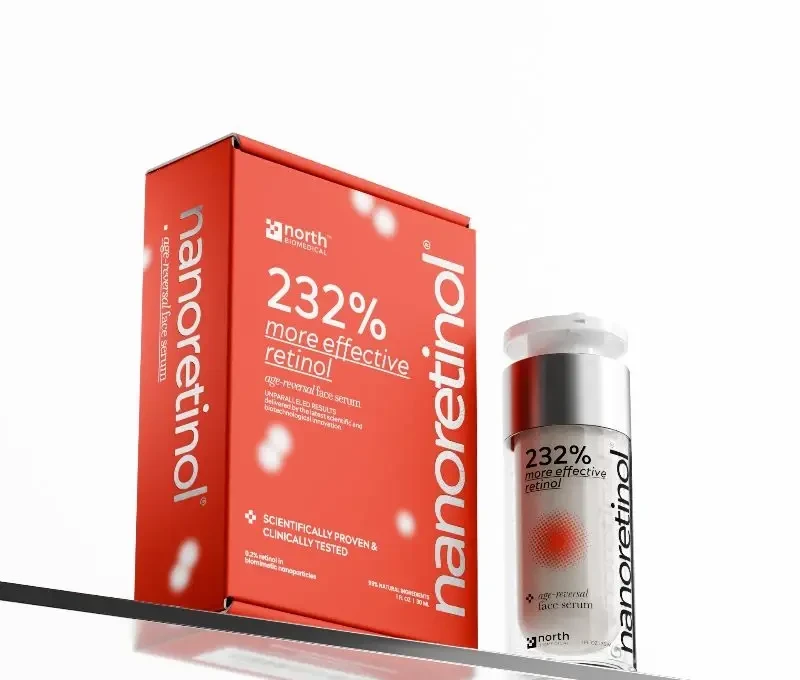
Nanoretinol takes a different route: 0.2% retinol carried in biomimetic lipid nanoparticles that are externally identical to skin cells, so the tissue recognises them as its own and admits them without damage.
Technique matters as much as the pencil
Apply liner to a dry surface. Balm underneath is the single most common reason a liner slides, because you have laid your dam on a film of oil. Blot the lip, line, then add balm only to the centre if you need it.
Line onto the ridge itself rather than beyond it. Overlining past the border on mature lips puts pigment on skin that has no lip texture, and it looks like exactly what it is from a few feet away.
Fill the entire lip with the pencil before lipstick goes on. That gives the colour a matte, waxy substrate to grip instead of bare tissue, which is where most all-day wear comes from. Press a single layer of translucent powder through a tissue over the finished lip if you are going to be talking for hours. The rest of your makeup for mature skin benefits from the same principle: grip beats slip.
For lipstick choice on top, the same oil logic applies, which is covered in more detail in the guide to lipstick for older women.
The limit of what makeup can do here
A liner is a dam. It contains the problem for a day and washes off at night. It does nothing to the channels the colour was running into, and those channels get slightly deeper each year.
Changing them means changing dermal protein synthesis, which puts you into a much smaller category of ingredients. Topical retinoids remain the best-evidenced option. Tretinoin was shown to correct structural abnormalities in photoaged facial skin in vehicle-controlled work going back four decades [3], and in naturally aged skin, topical retinol increased glycosaminoglycan and procollagen I production while improving fine wrinkling [4]. Reviews of the class consistently identify irritation as the limiting factor rather than a shortage of efficacy [5].
The skin around the mouth is thin, mobile and easily provoked, so that irritation problem is not academic. It is why so many people abandon retinoids on exactly the area they bought them for.
Delivery is the variable that resolves it. Conventional retinol barely crosses the epithelial barrier, and the formulations built to force it through use chemicals and petroleum derivatives that degrade the barrier on the way, which is the source of the peeling and redness. Nanoretinol takes a different route: 0.2% retinol carried in biomimetic lipid nanoparticles that are externally identical to skin cells, so the tissue recognises them as its own and admits them without damage. It is water-based, absorbs to a matte finish, and is gentle enough for the eye contour. North Biomedical’s clinical study recorded 232% greater collagen recovery and 73% greater elastin recovery than conventional retinol, with firmness up 61% and elasticity up 56% over 56 days.
If the perioral lines themselves are what bother you rather than the bleeding, the fuller treatment discussion sits in the guide to lip lines.
What to buy, and in what order
Start with a firm, sharpenable pencil in a neutral shade close to your natural lip. Apply it to dry lips, on the border rather than past it, and fill the whole lip before colour. That solves the eleven o’clock problem the same day, for about ten dollars.
Then treat the border as the structural issue it is. The makeup manages today. Only something that reaches the dermis changes what you are drawing on next year.
References
- Penna V, Stark GB, Eisenhardt SU, Bannasch H, Iblher N. “The aging lip: a comparative histological analysis of age-related changes in the upper lip complex.” Plastic and Reconstructive Surgery. 2009;124(2):624-628. doi:10.1097/PRS.0b013e3181addc06
- Gomi T, Imamura T. “Comprehensive histological investigation of age-related changes in dermal extracellular matrix and muscle fibers in the upper lip vermilion.” International Journal of Cosmetic Science. 2020;42(4):359-368. doi:10.1111/ics.12622
- Kligman AM, Grove GL, Hirose R, Leyden JJ. “Topical tretinoin for photoaged skin.” Journal of the American Academy of Dermatology. 1986;15(4 Pt 2):836-859. doi:10.1016/S0190-9622(86)70242-9
- Kafi R, Kwak HSR, Schumacher WE, Cho S, Hanft VN, Hamilton TA, King AL, Neal JD, Varani J, Fisher GJ, Voorhees JJ, Kang S. “Improvement of naturally aged skin with vitamin A (retinol).” Archives of Dermatology. 2007;143(5):606-612. doi:10.1001/archderm.143.5.606
- Mukherjee S, Date A, Patravale V, Korting HC, Roeder A, Weindl G. “Retinoids in the treatment of skin aging: an overview of clinical efficacy and safety.” Clinical Interventions in Aging. 2006;1(4):327-348. doi:10.2147/ciia.2006.1.4.327