Centella Serum: What the Evidence Shows and How to Choose One
Centella has a long research record in wound healing and a smaller one in cosmetics. Here is what its four active compounds do, how to read a serum label, and how to pair it with retinol
Centella asiatica, sold as cica, gotu kola or tiger grass, has moved from Korean skincare shelves into almost every brand’s lineup. The serum version is the one people reach for when their skin feels hot, tight or irritated, often after starting a retinoid or a peel.
That reputation is partly earned. Centella has a long research history in wound healing and a smaller but real body of cosmetic research. This guide explains what is actually in a centella serum, what the human studies show, how a serum differs from a cica cream, and where it fits next to retinol.
What is in centella
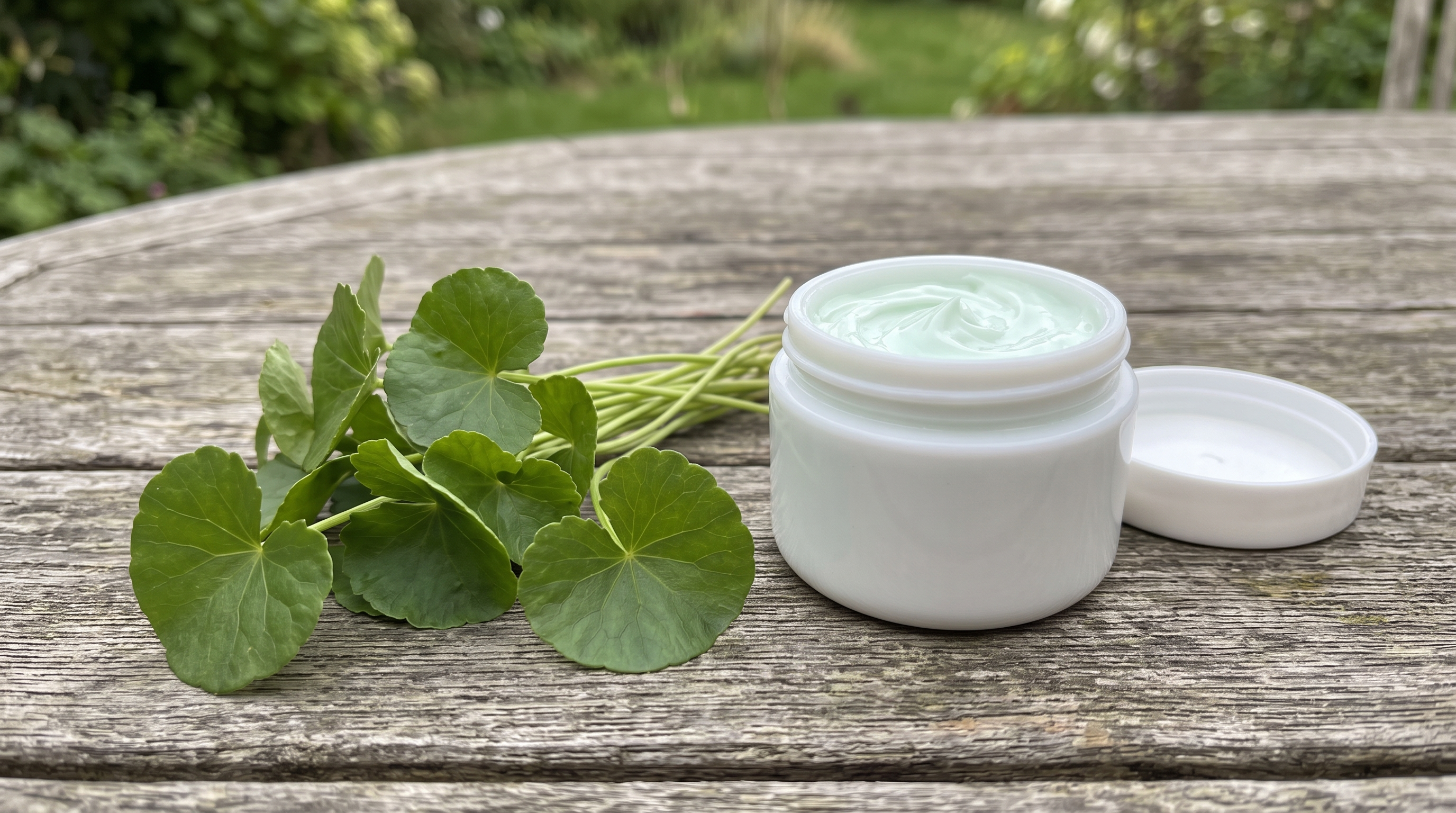
The plant’s useful compounds are four triterpenes: asiaticoside, madecassoside, and their two acids, asiatic acid and madecassic acid [1]. Reviews of the research credit them with supporting the repair of small wounds and burns, calming inflammation in scars, and encouraging collagen production [1, 2].
The collagen claim has laboratory evidence behind it. When researchers exposed human skin cells to each of the three main triterpenes, every one stimulated type I collagen production, and adding vitamin C pushed collagen output higher still [3]. Signals like this are a reason for interest, not proof of a visible result on your face, but they explain why centella keeps turning up in anti-aging formulas.
It is worth being clear about the limits. Most of the mechanism work comes from cell and animal studies, and a 2021 review concluded that longer, better-controlled clinical trials are still needed [2].
What the human studies show
Two human studies are the most relevant to a serum.
In the first, 25 volunteers applied formulations containing 2.5% or 5% centella extract to their forearms twice a day for four weeks. The 5% versions worked best: they raised surface hydration, reduced water loss through the skin and dampened a standard laboratory model of skin redness [4]. One of the tested formulas was a water-based gel, which is close to how most serums are built.
Your skin will not settle overnight: one forearm study measured centella hydration gains over 4 weeks, which is longer than most people give a new serum.
Your skin will not settle overnight: one forearm study measured centella hydration gains over 4 weeks, which is longer than most people give a new serum.
In the second, 20 women with sun-damaged skin used a product containing 5% vitamin C and 0.1% madecassoside for six months in a randomized double-blind study. Deep and superficial wrinkles, firmness, suppleness, roughness and hydration all improved, and skin samples showed a better-organized elastic fiber network [5]. Because the formula combined two actives, it cannot tell you how much came from madecassoside alone, but it does show the pairing working well over a long stretch.
How to read a centella serum label
Centella serums vary far more than the front of the bottle suggests. Turn it around and check four things:
- Named triterpenes: madecassoside, asiaticoside, asiatic acid or madecassic acid on the list tell you the brand added purified actives rather than relying only on a diluted plant water.
- Position on the list: centella asiatica extract or leaf water near the top suggests a meaningful amount. Near the end, after the preservatives, it is mostly there for the front label.
- Stated percentage: some brands give one. The best-performing formulas in the forearm study held 5% extract [4].
- Fragrance and essential oils: if you are buying centella to calm reactive skin, a fragranced formula works against you.
Serum or cica cream?
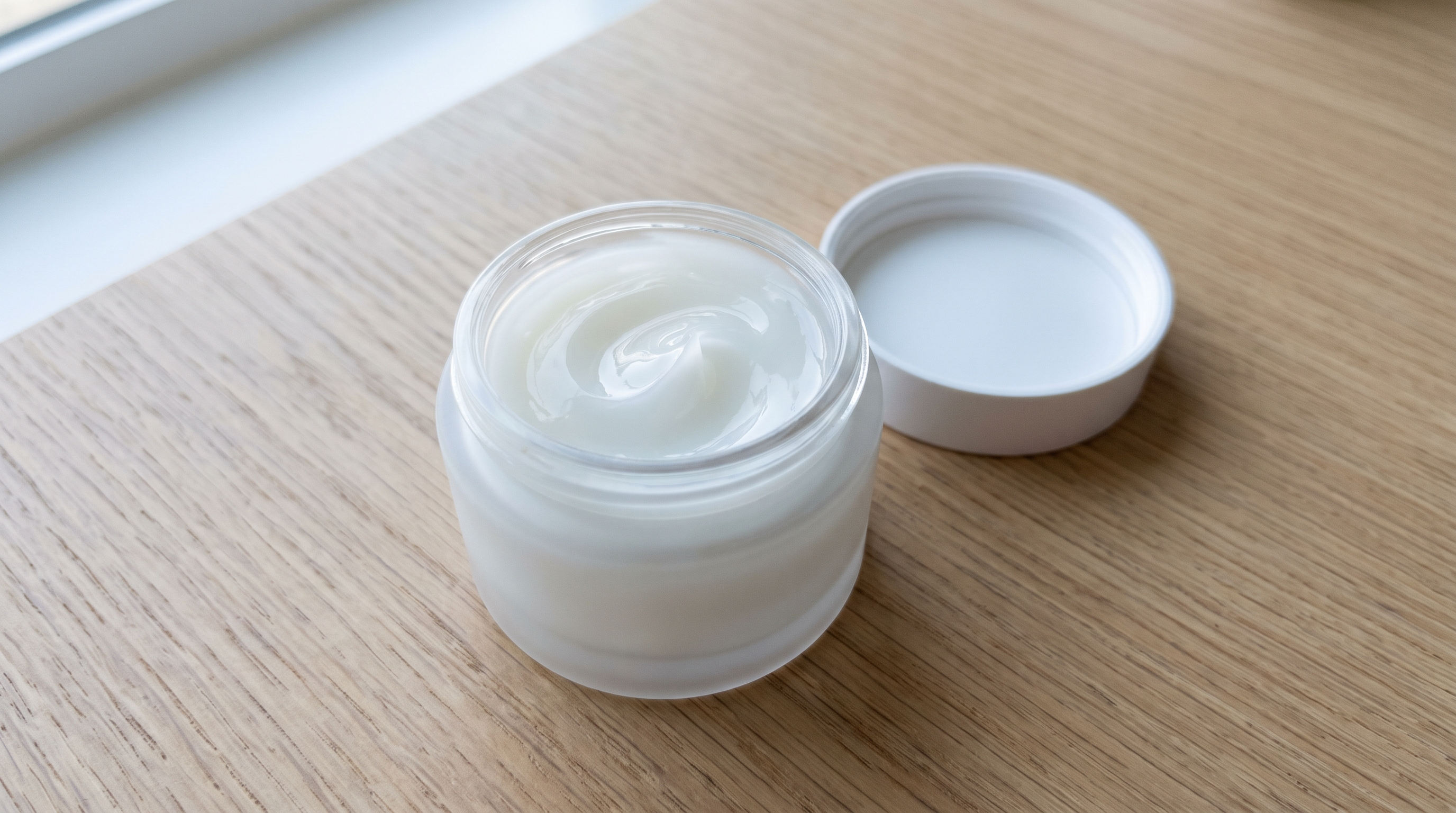
The ingredient is the same, but the vehicle is different. A serum is usually a water-based gel or light fluid that spreads thinly, sinks in quickly and layers easily under other products. A cica cream adds oils and occlusives that slow water loss, which suits dry or freshly treated skin. Our guide to cica cream covers that format in detail, and the wider research on the plant is in our article on centella asiatica for skin.
For most people the choice comes down to skin type. Use a serum alone if your skin is oily or the weather is humid, a serum under a moisturizer if your skin is normal to dry, and a cream alone if you only want one step.
Your skin copes better with a new retinoid when barrier care starts 2 weeks before the first dose than when both begin on the same night.
Who benefits most
Centella is one of the gentler actives you can add to a routine, and its main benefits line up with three groups of people:
- Reactive and redness-prone skin: its anti-inflammatory profile and mild track record make it a low-risk addition [1, 4]. For other options in the category, see our guide to the best serum for sensitive skin.
- People starting a retinoid: retinoids commonly cause redness, dryness and peeling during the first weeks of use, and a calming, hydrating step can make that period easier [6, 7].
- Skin recovering from a peel or laser: barrier-supporting products are often recommended during recovery, but check with the practitioner who treated you before adding anything new.
Centella does not replace a proven anti-aging active. It does not fade dark spots the way vitamin C or azelaic acid can, and the evidence for wrinkle reduction comes from combination products rather than centella on its own [5].
Pairing centella with retinol
Supporting the barrier before and during retinoid use is more than a theory. In a 10-week split-face study, women applied a barrier-supporting moisturizer to one side of the face, starting two weeks before daily tretinoin began. The prepared side got through the early weeks of tretinoin more easily and showed a better treatment response [6]. That study used niacinamide, panthenol and vitamin E rather than centella, but the principle is the same: a calmer, better-hydrated barrier makes the adjustment period easier.
Your skin copes better with a new retinoid when barrier care starts 2 weeks before the first dose than when both begin on the same night.
Our guide to retinol for sensitive skin walks through the rest of that plan, including how to start slowly and how to read early irritation.
A simple evening order works for most people. Cleanse, apply the centella serum to slightly damp skin, wait a minute, then apply your retinol and moisturizer. On nights your skin feels sore, skip the retinol and keep the serum and moisturizer. In the morning, a few drops of centella serum under sunscreen is enough.
Choosing a retinol that needs less rescuing
A soothing serum helps, but it is easier to avoid irritation than to calm it afterward. Conventional retinol formulas often rely on ingredients that loosen the skin’s protective lipids to push retinol in, which is where much of the redness and peeling comes from.
Nanoretinol takes a different route. It delivers 0.2% stabilized retinol inside biomimetic lipid nanoparticles that the skin recognizes as its own, so it reaches skin cells without breaking down the barrier first. In North Biomedical’s study summary, Nanoretinol was 232% more effective in collagen recovery and 73% more effective in elastin recovery than conventional retinol, and clinical testing found minimal side effects that were milder than those of conventional retinol [8].
Paired with a centella serum at night and sunscreen in the morning, it gives you collagen support and barrier support in the same routine, without asking your skin to choose between them.
References
- Bylka W, Znajdek-Awiżeń P, Studzińska-Sroka E, Brzezińska M. “Centella asiatica in cosmetology.” Postepy Dermatologii i Alergologii. 2013;30(1):46-49. doi:10.5114/pdia.2013.33378
- Park KS. “Pharmacological Effects of Centella asiatica on Skin Diseases: Evidence and Possible Mechanisms.” Evidence-Based Complementary and Alternative Medicine. 2021;2021:5462633. doi:10.1155/2021/5462633
- Bonte F, Dumas M, Chaudagne C, Meybeck A. “Influence of asiatic acid, madecassic acid, and asiaticoside on human collagen I synthesis.” Planta Medica. 1994;60(2):133-135. doi:10.1055/s-2006-959434
- Ratz-Łyko A, Arct J, Pytkowska K. “Moisturizing and Antiinflammatory Properties of Cosmetic Formulations Containing Centella asiatica Extract.” Indian Journal of Pharmaceutical Sciences. 2016;78(1):27-33. doi:10.4103/0250-474x.180247
- Haftek M, Mac-Mary S, Le Bitoux MA, et al. “Clinical, biometric and structural evaluation of the long-term effects of a topical treatment with ascorbic acid and madecassoside in photoaged human skin.” Experimental Dermatology. 2008;17(11):946-952. doi:10.1111/j.1600-0625.2008.00732.x
- Draelos ZD, Ertel KD, Berge CA. “Facilitating facial retinization through barrier improvement.” Cutis. 2006;78(4):275-281. PubMed 17121065
- Mukherjee S, Date A, Patravale V, Korting HC, Roeder A, Weindl G. “Retinoids in the treatment of skin aging: an overview of clinical efficacy and safety.” Clinical Interventions in Aging. 2006;1(4):327-348. doi:10.2147/ciia.2006.1.4.327
- North Biomedical LLC. “Nanoretinol vs. Conventional Retinol: Efficacy in Collagen and Elastin Recovery.” Clinical Study Summary, 2024. Study summary