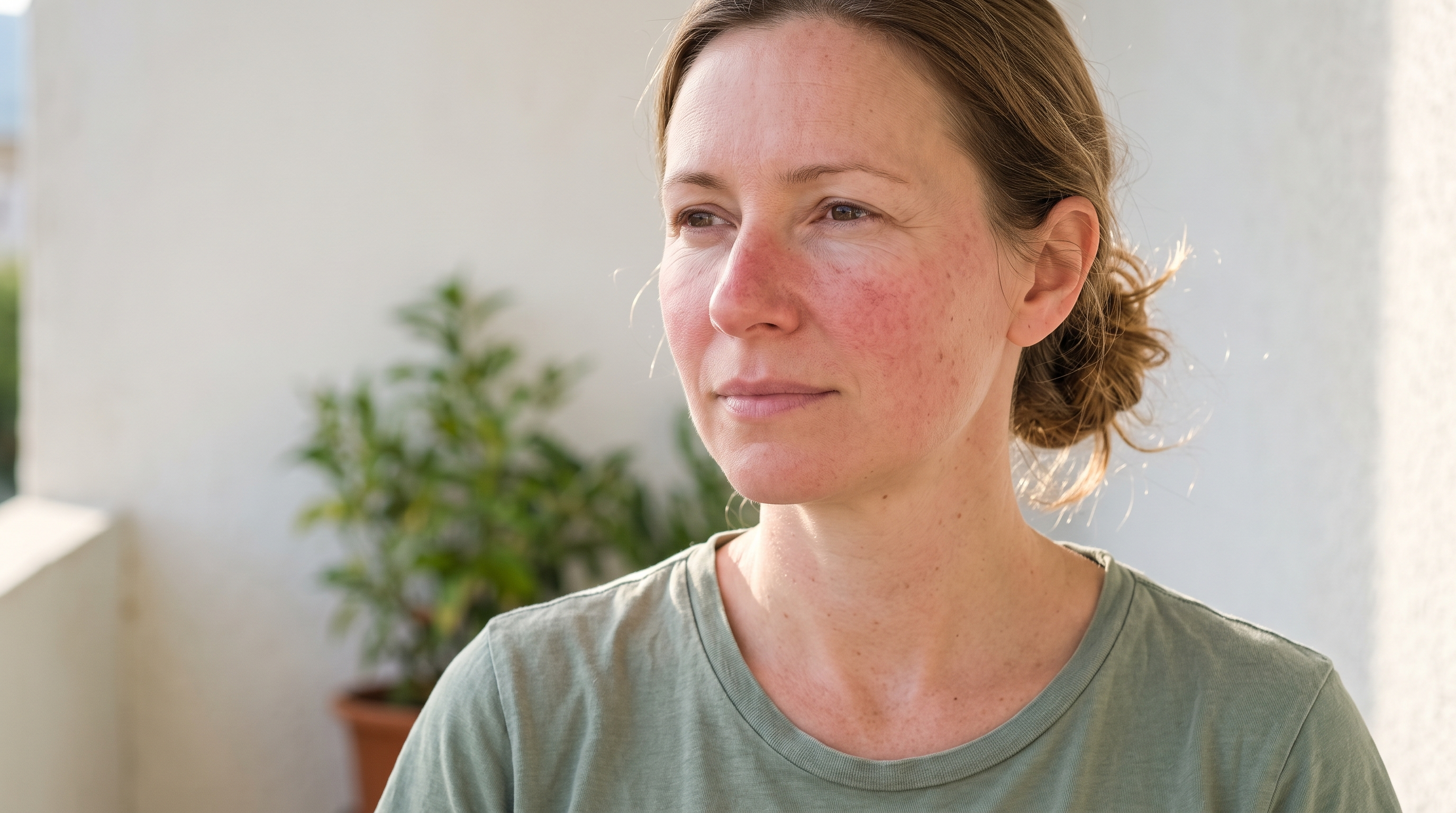
Centella Toner: What a Cica Toner Can Do for Red, Reactive Skin
Centella asiatica has real evidence for calming and hydrating skin. Here is what a watery toner can deliver, which compounds to look for on the label, and where it fits around retinol
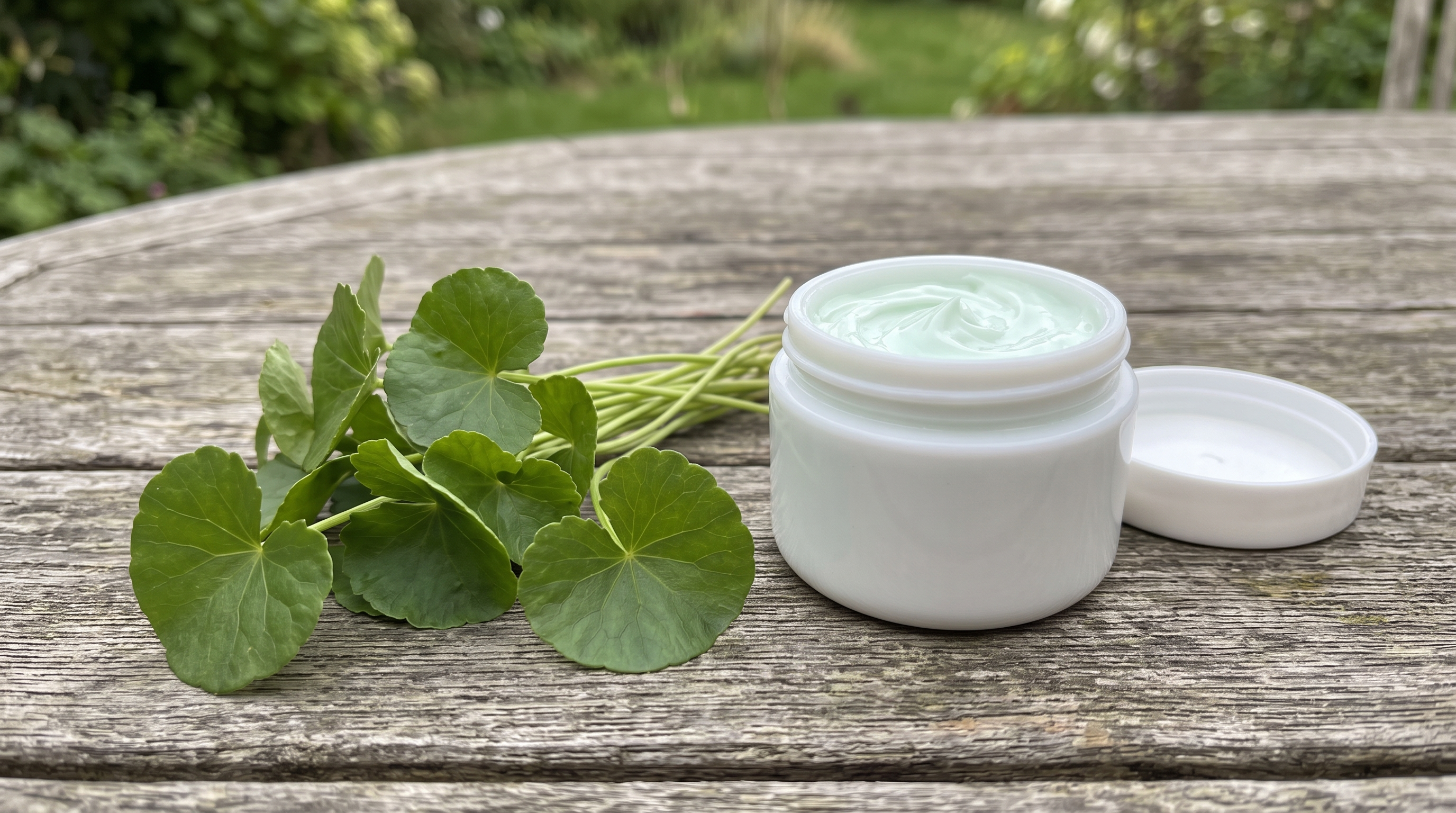
Centella asiatica is sold as gotu kola in herbal shops and as “cica” on skincare shelves. It has gone from a traditional wound-care plant to one of the most popular soothing ingredients in Korean skincare, and centella toners are now among the easiest ways to try it: a watery layer pressed in after cleansing that promises calmer, less red, better hydrated skin.
The plant has a genuine research base, but most of it comes from creams, gels and purified compounds rather than toners. This guide explains what centella contains, what the evidence supports, how much a light toner can realistically deliver, and how to use one alongside retinol.
What is in centella asiatica
The useful part of centella is a group of four triterpene compounds: asiaticoside, madecassoside, asiatic acid and madecassic acid [1, 2]. In lab and animal studies they calm inflammatory signaling and support wound repair [1, 2]. One cell study found that asiaticoside, asiatic acid and madecassic acid each raised production of type I collagen to a similar degree, and the effect was stronger when vitamin C was present [3].
On a toner label you will usually see one of these forms:
- Centella asiatica extract or leaf water: the whole plant, with a variable and usually undisclosed amount of the active compounds.
- Madecassoside or asiaticoside: a purified compound, which is more consistent from batch to batch.
- Standardized extract: an extract adjusted to a set level of the four triterpenes, sometimes labeled as titrated extract.
Purified or standardized forms are a better sign than a plain extract, but brands rarely state the percentage, so position on the ingredient list is your best clue. If centella sits near the end, after the preservatives, there is very little of it in the bottle.
What the evidence shows
The best human data on centella in cosmetics is modest but encouraging. In a study of 25 volunteers, creams and gels with 2.5% or 5% centella extract were applied to the forearms twice a day. The 5% versions worked best, raising skin hydration, lowering water loss through the skin and calming redness in a standard irritation test [4].
Your skin needed 4 weeks of twice-daily centella cream to show clear hydration gains in that volunteer study, so give any centella product at least that long before you judge it.
Your skin needed 4 weeks of twice-daily centella cream to show clear hydration gains in that volunteer study, so give any centella product at least that long before you judge it.
For aging skin, a six-month double-blind study in 20 women with sun-damaged skin tested a cream with 5% vitamin C and 0.1% madecassoside. Deep and fine wrinkles, firmness, roughness and hydration all improved, and skin samples showed a better-organized elastic fiber network [5]. That result cannot be credited to madecassoside alone, because vitamin C was part of the same formula.
Reviews of the wider literature agree that centella helps with wound healing and inflammation, while calling for more rigorous long-term clinical trials, especially for everyday cosmetic use [1, 2].
Toner, serum or cream?
A toner is mostly water with humectants such as glycerin or butylene glycol, applied in a thin layer that other products quickly cover. That has two consequences. The centella content is usually lower than in a serum, and a toner does not seal water into the skin the way a cream does.
The trials above tested 2.5% to 5% extract in creams and gels used for weeks [4], or a leave-on cream used for six months [5]. A toner can share some of that benefit as one layer in a routine, but it is a light step rather than a treatment on its own. When calming redness is your main goal, a centella serum gives a more concentrated dose, and a cica cream adds the occlusive layer that dry, irritated skin needs.
A centella toner earns its place when you want a soothing, hydrating first layer that is light enough for oily or combination skin, or an extra calming step on nights when your face feels tight.
How to choose a centella toner
Judge a centella toner on its whole formula, not only on the hero ingredient:
Your skin may need 12 weeks of steady retinol use to show smoother wrinkles, which is far longer than most people stick with a product that leaves them red and flaky.
- No drying alcohol high on the list: alcohol denat. near the top can sting and dry reactive skin, which defeats the purpose.
- No added fragrance or essential oils: these are common triggers for the same skin that seeks out centella.
- Centella in the top half of the list: or a named compound such as madecassoside.
- Supporting humectants: glycerin, panthenol or hyaluronic acid add hydration.
- No strong exfoliating acids: an acid toner and a soothing toner do different jobs, so keep exfoliation in a separate product on separate nights.
For a broader look at watery layers, including how humectants pull water into the skin and how many layers are worth applying, our guide to hydrating toners walks through the options for different skin types.
How to use it
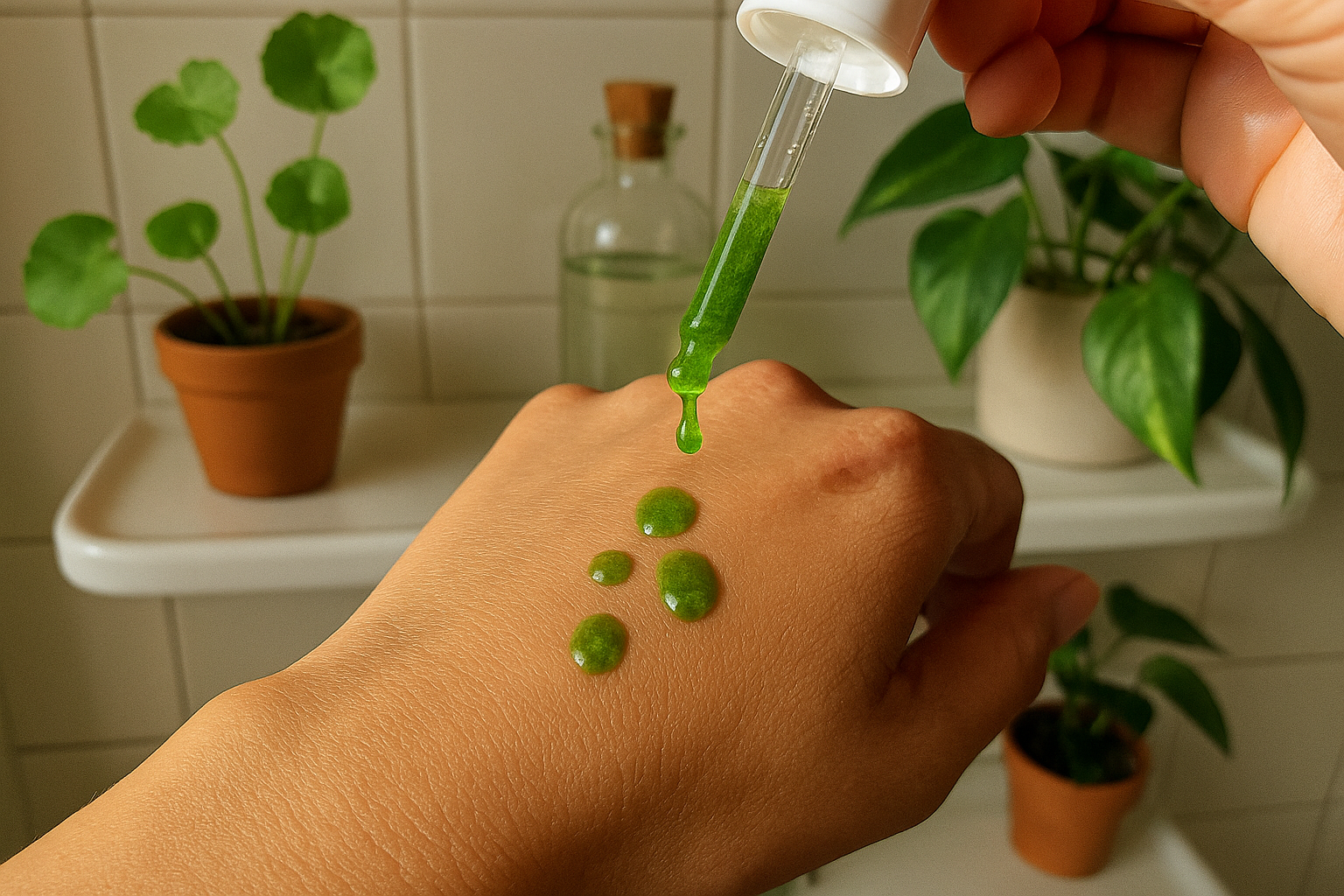
After cleansing, pour a few drops into clean palms and press the toner into your skin, or sweep it on with a cotton pad if you prefer. Two or three thin layers work better than one soaked pad. Follow with serum or moisturizer while your skin is still damp, so the water you just added stays in.
Any plant extract can cause a reaction in a small number of people. If your skin reacts easily, patch test a new toner on the side of your neck for a few days before using it on your face. Most people can use a centella toner morning and night.
Where it fits around retinol
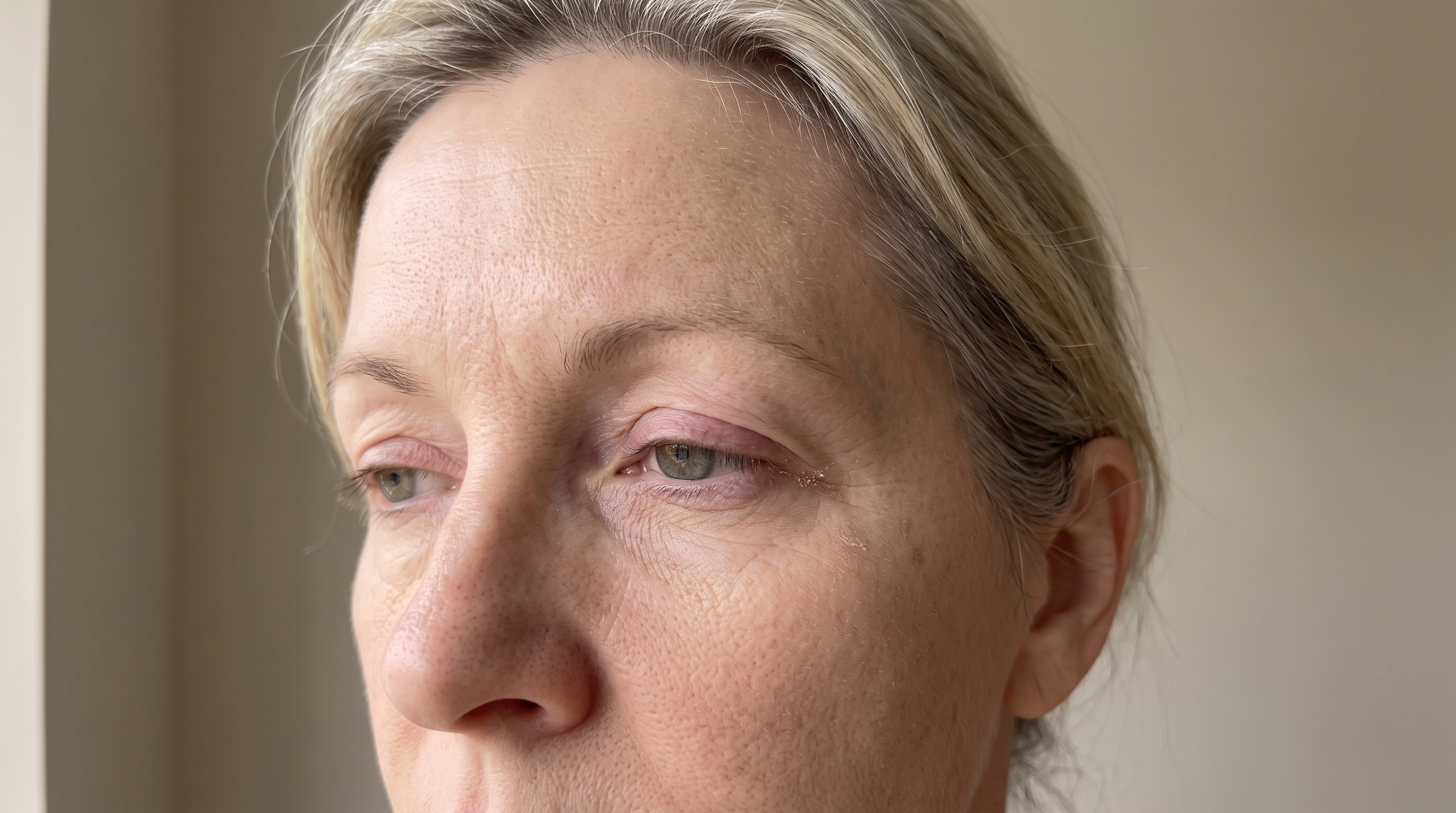
The most practical role for a centella toner is as a companion to retinol. Retinol is one of the best-studied ingredients for aging skin: four weeks of topical retinol thickened the outer skin layer and switched on genes for type I and type III collagen, and 12 weeks of use reduced facial wrinkles [6]. The catch is early irritation, with dryness, redness and peeling during the first weeks of use [7].
Your skin may need 12 weeks of steady retinol use to show smoother wrinkles, which is far longer than most people stick with a product that leaves them red and flaky.
A soothing, alcohol-free toner can make that adjustment period easier. On retinol nights, cleanse, press in the centella toner, let it dry completely, apply your retinol, then moisturize. If your skin is very reactive, our guide to retinol for sensitive skin explains how to build up slowly.
A toner cannot cancel irritation that comes from the retinol formula itself, though. The bigger lever is choosing a retinol that does not disrupt the barrier in the first place.
A gentler retinol for calmer skin
Many conventional retinol products push retinol into the skin by loosening the barrier’s protective lipids, and that disruption is what shows up as burning, redness and peeling. People then add soothing products to repair damage the retinol caused.
Nanoretinol takes a different route. It delivers 0.2% stabilized retinol inside biomimetic lipid nanoparticles that the skin recognizes as its own, so the retinol reaches skin cells without breaking down the barrier first. In North Biomedical’s study summary, Nanoretinol was 232% more effective in collagen recovery and 73% more effective in elastin recovery than conventional retinol, and clinical testing found minimal side effects that were milder than those of conventional retinol [8]. Its water-based gel texture also layers easily over a watery toner.
A simple routine: in the morning, a centella toner, moisturizer and sunscreen; at night, a gentle cleanser, the same toner, Nanoretinol and a moisturizer.
References
- Bylka W, Znajdek-Awiżeń P, Studzińska-Sroka E, Brzezińska M. “Centella asiatica in cosmetology.” Postepy Dermatologii i Alergologii. 2013;30(1):46-49. doi:10.5114/pdia.2013.33378
- Park KS. “Pharmacological Effects of Centella asiatica on Skin Diseases: Evidence and Possible Mechanisms.” Evidence-Based Complementary and Alternative Medicine. 2021;2021:5462633. doi:10.1155/2021/5462633
- Bonte F, Dumas M, Chaudagne C, Meybeck A. “Influence of asiatic acid, madecassic acid, and asiaticoside on human collagen I synthesis.” Planta Medica. 1994;60(2):133-135. doi:10.1055/s-2006-959434
- Ratz-Łyko A, Arct J, Pytkowska K. “Moisturizing and Antiinflammatory Properties of Cosmetic Formulations Containing Centella asiatica Extract.” Indian Journal of Pharmaceutical Sciences. 2016;78(1):27-33. doi:10.4103/0250-474x.180247
- Haftek M, Mac-Mary S, Le Bitoux MA, Creidi P, Seité S, Rougier A, Humbert P. “Clinical, biometric and structural evaluation of the long-term effects of a topical treatment with ascorbic acid and madecassoside in photoaged human skin.” Experimental Dermatology. 2008;17(11):946-952. doi:10.1111/j.1600-0625.2008.00732.x
- Kong R, Cui Y, Fisher GJ, Wang X, Chen Y, Schneider LM, Majmudar G. “A comparative study of the effects of retinol and retinoic acid on histological, molecular, and clinical properties of human skin.” Journal of Cosmetic Dermatology. 2016;15(1):49-57. doi:10.1111/jocd.12193
- Mukherjee S, Date A, Patravale V, Korting HC, Roeder A, Weindl G. “Retinoids in the treatment of skin aging: an overview of clinical efficacy and safety.” Clinical Interventions in Aging. 2006;1(4):327-348. doi:10.2147/ciia.2006.1.4.327
- North Biomedical LLC. “Nanoretinol vs. Conventional Retinol: Efficacy in Collagen and Elastin Recovery.” Clinical Study Summary, 2024. Study summary