Cocamidopropyl Betaine: The Gentle Cleanser Ingredient With a Twist
What this coconut-derived surfactant does, why it was named Allergen of the Year, what the impurity studies show, and how to choose a cleanser if you react
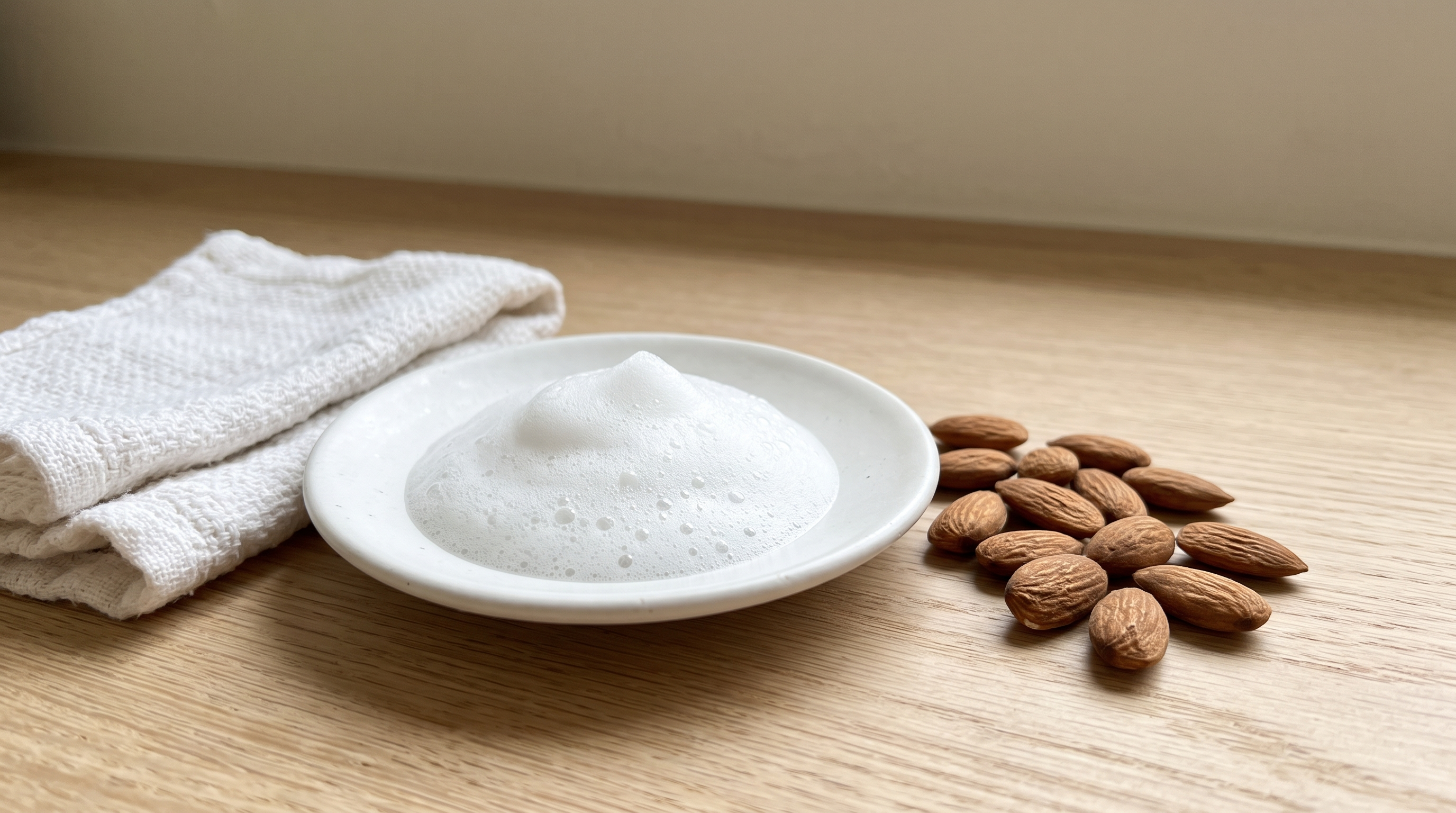
Cocamidopropyl betaine is in almost everything that foams: face washes, body washes, shampoos, baby baths, makeup removers and even some toothpastes. Brands like it because it is gentle, cheap and makes foam feel creamy rather than squeaky. Many “sulfate-free” and “for sensitive skin” cleansers rely on it.
It also has an awkward history. In 2004, the American Contact Dermatitis Society named it Allergen of the Year. This guide explains what cocamidopropyl betaine is, why it is used, what that allergy label really means, and how to choose a cleanser if your skin reacts to washes.
What Cocamidopropyl Betaine Is
Cocamidopropyl betaine, often shortened to CAPB, is a surfactant: a molecule that helps water lift away oil and dirt. It is made by joining fatty acids from coconut oil to a small nitrogen-containing chemical called dimethylaminopropylamine, or DMAPA, which produces an intermediate known as amidoamine. A final step turns that intermediate into the betaine.
What makes it unusual is its charge. Harsh surfactants such as sodium lauryl sulfate carry a negative charge. Cocamidopropyl betaine is amphoteric, meaning it carries both a positive and a negative charge in the same molecule. How harsh a surfactant is depends largely on that charged head, and the balanced charge makes this one far gentler on the proteins in your skin’s outer layer [1].
Why Cleansers Use It
Formulators rarely use cocamidopropyl betaine on its own. Its main job is to sit alongside a stronger cleanser and soften it. A review by cleanser scientists showed that mixing surfactants can make a wash much less irritating, because the mild molecules reduce how strongly the harsh ones latch onto skin proteins and fats [1]. Cocamidopropyl betaine also thickens a formula, stabilizes the foam and makes rinsing feel less stripping.
Laboratory work backs up its mild reputation. In a 2026 study, sheets of pig skin barrier, a standard stand-in for human skin, were soaked in cocamidopropyl betaine solutions at different strengths and pH levels.
Pig skin barrier sheets showed no measurable change after 60 minutes in a 5% solution of cocamidopropyl betaine, far longer than any face wash stays on your skin.
Pig skin barrier sheets showed no measurable change after 60 minutes in a 5% solution of cocamidopropyl betaine, far longer than any face wash stays on your skin. Only a stronger 10% solution left on for a full hour changed the barrier, and even that caused no swelling after 24 hours [2]. The authors concluded that normal use in skincare is unlikely to affect the skin’s outer layer. Our guide to the foaming cleanser explains how these mild surfactants make a wash foam without stripping.
Why It Was Named Allergen of the Year
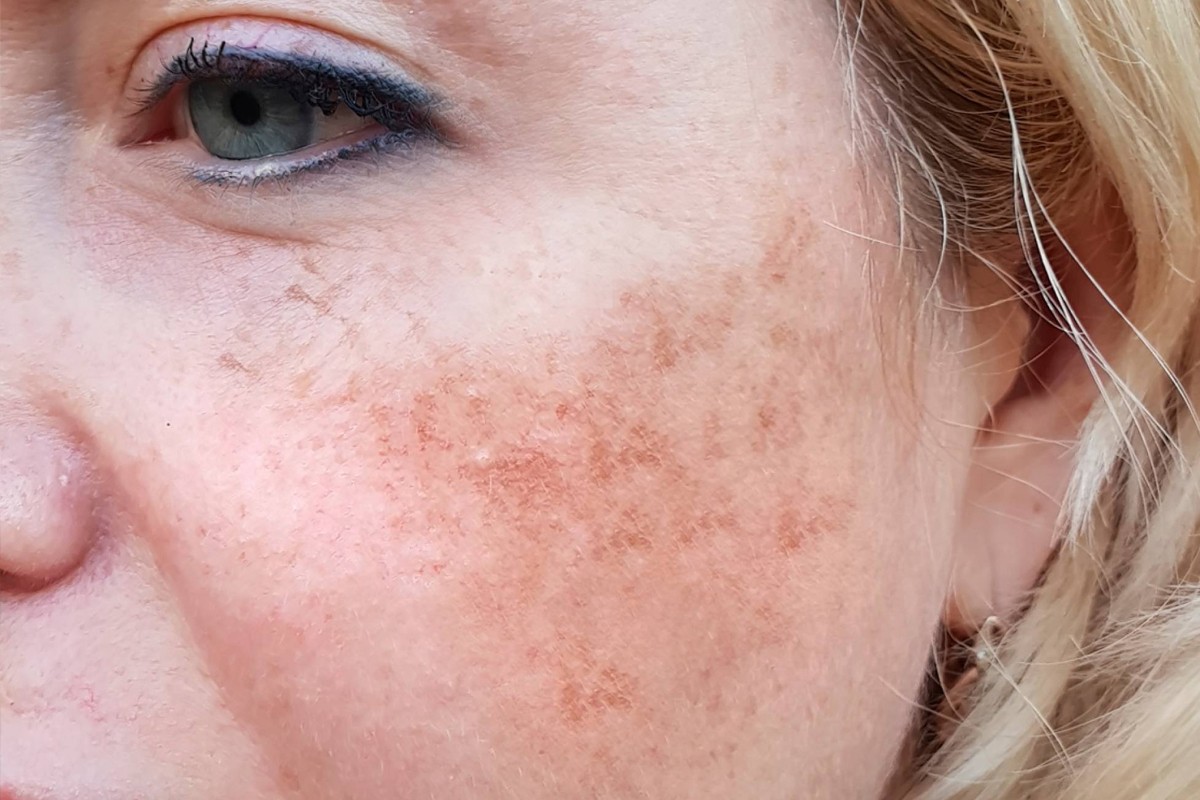
Irritation and allergy are different problems. Irritation is direct damage that happens to anyone at a high enough dose. Allergy is an immune reaction that happens only in people who have become sensitized, and even a tiny amount can trigger it.
Cocamidopropyl betaine is a weak irritant, but in the late 1990s and early 2000s dermatologists saw rising rates of allergy to it. A 2008 review put the rate of sensitization at between 3.0% and 7.2%, and noted that those rising rates led to the Allergen of the Year title [3]. Figures like these usually come from people already referred to an allergy clinic, so the rate in the general public is lower.
Surfactants as a group are a common cause of allergic reactions to everyday products. A review of surfactant allergy lists cocamidopropyl betaine, amidoamine and DMAPA among the surfactant-related chemicals most often linked to allergic contact dermatitis [4].
The Real Culprit Is Often an Impurity
The most interesting finding is that many people who seem allergic to cocamidopropyl betaine may be reacting to something left behind from manufacturing.
Your skin may not be reacting to cocamidopropyl betaine at all, since 6 of 9 allergic volunteers in one study reacted to a leftover manufacturing impurity instead.
In a 1997 study, 10 people who had previously tested positive to cocamidopropyl betaine used a shampoo, hand soap and body wash containing it, and 7 of them developed a rash. When they were patch tested again, 6 of 9 reacted to amidoamine, the manufacturing intermediate. When they were then tested with cocamidopropyl betaine that had the amidoamine removed, none reacted [5].
Your skin may not be reacting to cocamidopropyl betaine at all, since 6 of 9 allergic volunteers in one study reacted to a leftover manufacturing impurity instead. A 2023 Japanese study of 30 patients with stubborn scalp rashes found the same pattern: half reacted to DMAPA, to another amidoamine impurity, or to both [6].
Clinic data also show that a positive patch test usually matters in real life. In one US clinic, 49 of 957 tested patients reacted to cocamidopropyl betaine or amidoamine, and in every patient who found the surfactant in their own products, the rash was judged to be caused at least in part by it [7]. Few patients reacted to both chemicals, so dermatologists test for each one separately.
Is It Safe?
For most people, yes. The Cosmetic Ingredient Review expert panel, which assesses cosmetic ingredient safety in the United States, reviewed cocamidopropyl betaine and related betaines. It concluded that they are safe in cosmetics as long as they are formulated to be non-sensitizing, which in practice means keeping the DMAPA and amidoamine impurities low [8].
If Your Skin Reacts to Cleansers
- Notice where the rash appears. Allergy to wash products often shows up on the eyelids, face, scalp, neck or hands, where they are used most.
- Get patch tested. A dermatologist can test for cocamidopropyl betaine, amidoamine and DMAPA separately, since you may react to only one.
- Read every wash product. Shampoo that runs down your face and body wash used on your hands count too.
- Look for alternatives. Glucoside and amino-acid surfactants are common swaps, although decyl glucoside can also cause allergy. Our list of the best face wash for sensitive skin is a good starting point.
People who react to many products often do best with short ingredient lists overall. Our guides to fragrance-free skincare and to the preservative phenoxyethanol explain how to weigh other common label worries.
Why a Gentle Cleanse Matters for Anti-Aging
A cleanser is the first product to touch your skin every day, so its effect on the barrier shapes how everything after it performs. That is especially true for retinol. Many conventional retinol formulas use chemicals and petroleum derivatives that loosen the skin barrier on purpose to push retinol through, which is where the redness, burning and peeling come from. Start with a harsh wash, and you stack two sources of barrier damage.
Nanoretinol avoids that. Its 0.2% retinol is carried inside biomimetic lipid nanoparticles that look like the skin’s own cell membranes, so they pass through the barrier without damaging it. It is a water-based gel made with 99% natural ingredients and suits sensitive skin. In North Biomedical’s study, Nanoretinol was 232% more effective in collagen recovery than conventional retinol, and users saw a 61% increase in firmness and a 56% increase in elasticity after 56 days of use [9]. Paired with a mild cleanser, it gives your skin one less thing to recover from.
Mild, With One Caveat
Cocamidopropyl betaine is one of the gentlest surfactants in common use and a big reason modern cleansers are kinder than old soaps. For a small group of people, though, it or its leftover impurities cause a real allergy. If washes keep giving you a rash around the eyes or hairline, a patch test will tell you which ingredient to avoid.
References
- Ananthapadmanabhan KP, Moore DJ, Subramanyan K, Misra M, Meyer F. “Cleansing without compromise: the impact of cleansers on the skin barrier and the technology of mild cleansing.” Dermatologic Therapy. 2004;17(Suppl 1):16-25. doi:10.1111/j.1396-0296.2004.04s1002.x
- Kage M, Oda A, Takagi Y. “Infrared Spectroscopic Analysis Indicates That Cocamidopropyl Betaine Has Little Effect on the Stratum Corneum.” Journal of Oleo Science. 2026;75(1):67-73. doi:10.5650/jos.ess25210
- Jacob SE, Amini S. “Cocamidopropyl betaine.” Dermatitis. 2008;19(3):157-160. PubMed 18627690
- Presley CL, Militello M, Barber C, et al. “The History of Surfactants and Review of Their Allergic and Irritant Properties.” Dermatitis. 2021;32(5):289-297. doi:10.1097/DER.0000000000000730
- Fowler JF, Fowler LM, Hunter JE. “Allergy to cocamidopropyl betaine may be due to amidoamine: a patch test and product use test study.” Contact Dermatitis. 1997;37(6):276-281. doi:10.1111/j.1600-0536.1997.tb02464.x
- Iijima S, Murayama K, Takayama N, et al. “Analysis of patch testing with cocamidopropyl betaine and its impurities in patients with intractable scalp dermatitis in a single clinic in Japan.” Contact Dermatitis. 2023;89(5):368-373. doi:10.1111/cod.14393
- Brey NL, Fowler JF. “Relevance of positive patch-test reactions to cocamidopropyl betaine and amidoamine.” Dermatitis. 2004;15(1):7-9. doi:10.2310/6620.2004.20417
- Burnett CL, Bergfeld WF, Belsito DV, et al. “Final report of the Cosmetic Ingredient Review Expert Panel on the safety assessment of cocamidopropyl betaine (CAPB).” International Journal of Toxicology. 2012;31(4 Suppl):77S-111S. doi:10.1177/1091581812447202
- North Biomedical LLC. “Nanoretinol vs. Conventional Retinol: Efficacy in Collagen and Elastin Recovery.” Clinical Study Summary, 2024. Study summary