Coffee Face Mask: What Caffeine Can Do for Your Skin in 15 Minutes
A coffee mask can de-puff and refresh tired morning skin. What caffeine and coffee polyphenols really do on contact, how to make one safely, and where its limits are
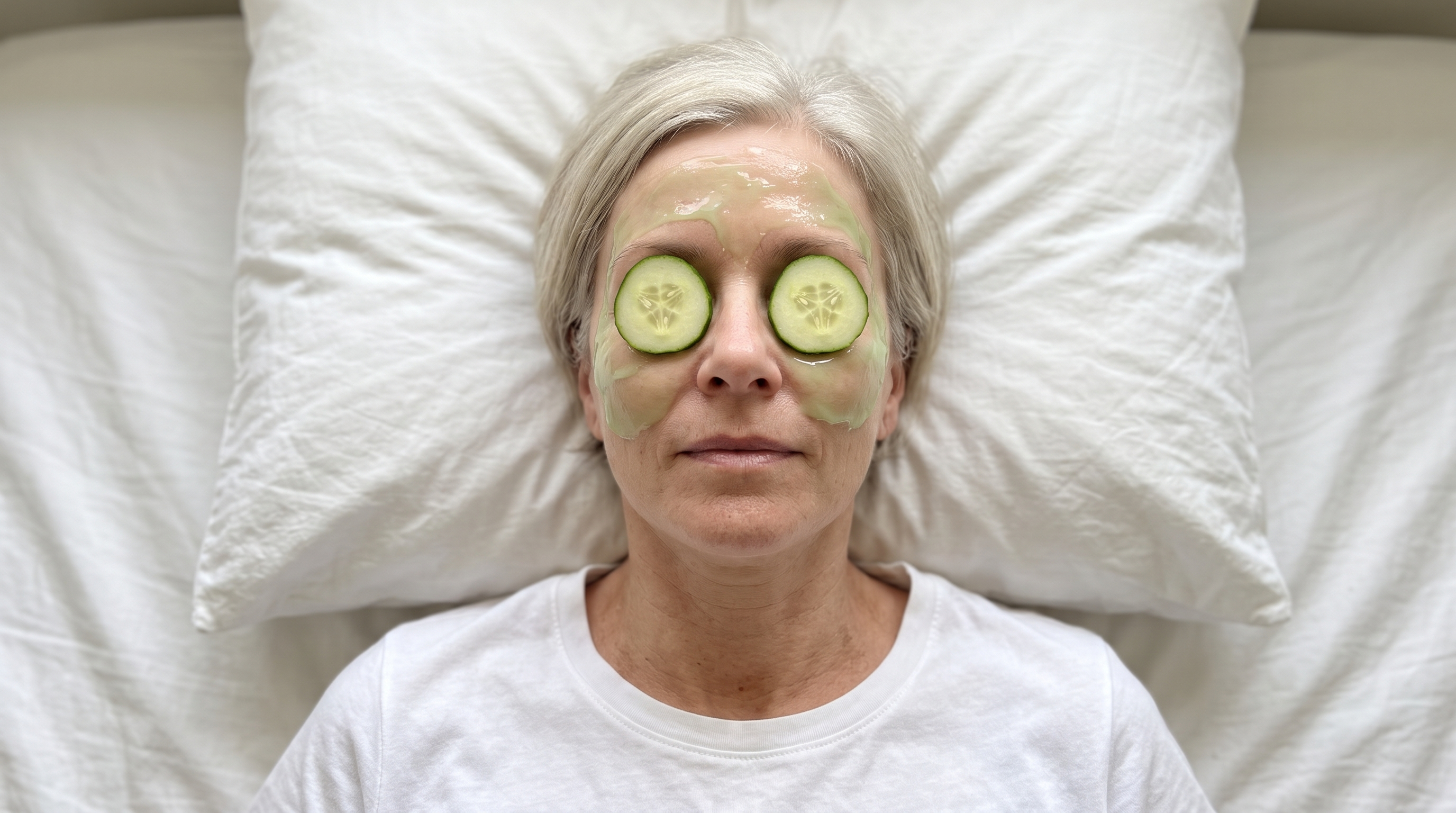
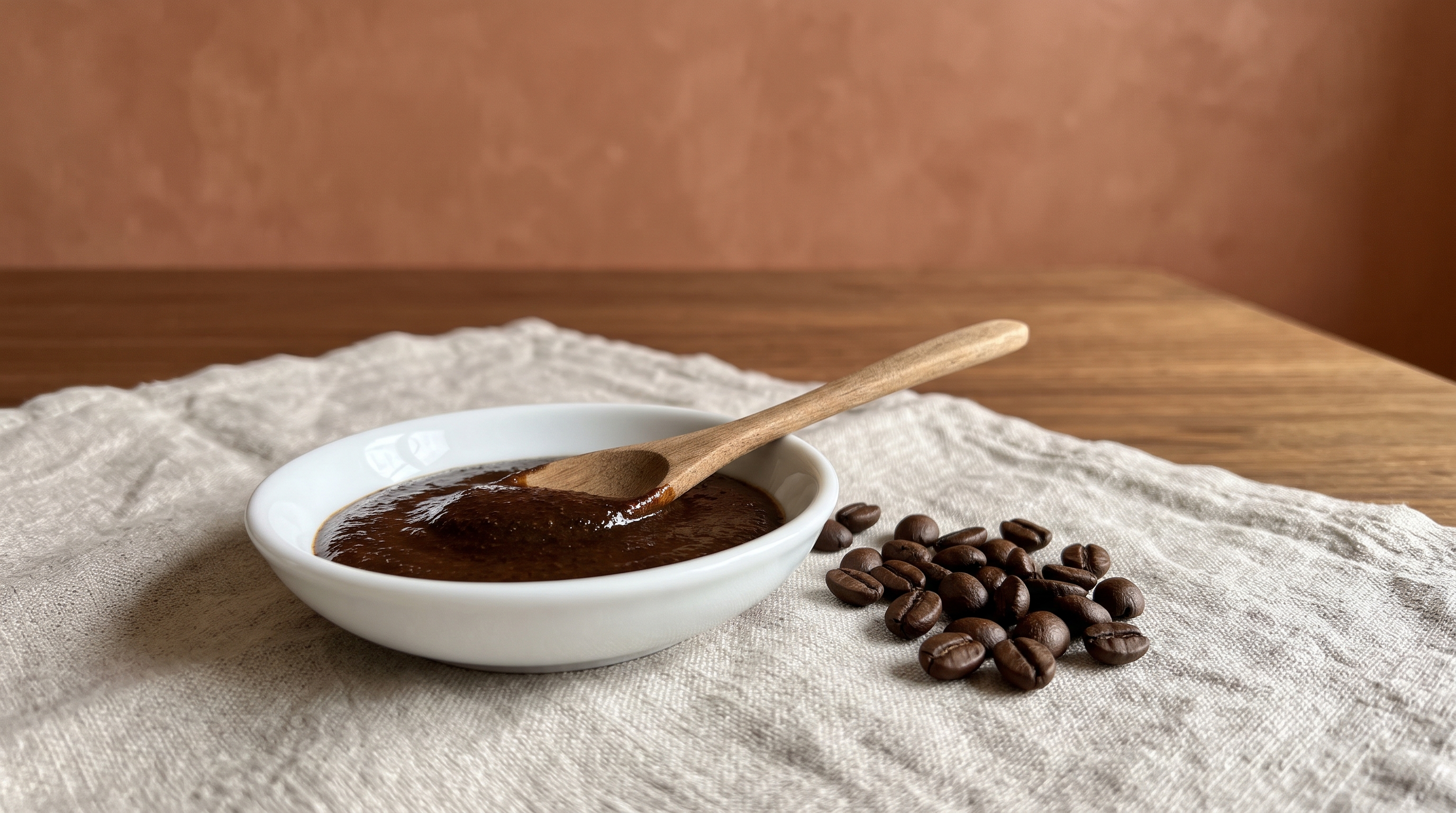
Coffee is the ingredient most people already have in the kitchen at 7 a.m., so it was only a matter of time before it ended up on faces as well as in mugs. A coffee face mask is usually a paste of finely ground coffee mixed with something creamy or sticky, left on for 10 to 15 minutes and rinsed off. Fans say it wakes the skin up, shrinks morning puffiness and leaves a glow.
Some of that holds up well. Caffeine is one of the best-studied cosmetic ingredients for getting through the skin’s outer layer, and coffee carries antioxidants that have caught researchers’ attention. But a mask is a brief encounter, and it helps to know exactly what it can achieve in that time.
What is in coffee that matters for skin
Two groups of compounds do most of the work.
- Caffeine: a small molecule that crosses the skin barrier unusually well. Commercial caffeine creams typically contain about 3% caffeine, and researchers credit it with antioxidant activity, protection against UV stress and increased blood flow in the skin [1].
- Chlorogenic and caffeic acids: polyphenols that make coffee one of the richest sources of antioxidants in many diets. In cell experiments, a coffee plant extract and these two acids increased collagen production and reduced the enzymes that break collagen down after UV exposure [2].
If you want the deeper science of caffeine on its own, our guide to caffeine for skin covers it in detail.
How fast caffeine gets in
A mask only stays on for a few minutes, so speed matters. Here caffeine has a real advantage. In a study that measured caffeine in the blood after a 2-minute application to the scalp, it had already started to penetrate, and the openings of hair follicles were the fastest route for the first 20 minutes [3].
Your skin starts taking up caffeine within 2 minutes of contact, far sooner than most people assume, mostly through the tiny openings of hair follicles.
Your skin starts taking up caffeine within 2 minutes of contact, far sooner than most people assume, mostly through the tiny openings of hair follicles.
That makes a coffee mask more plausible than many kitchen remedies. Facial skin is dense with follicles, and 10 to 15 minutes is enough time for some caffeine to move into the upper layers.
What a coffee mask can do
De-puff tired eyes and cheeks
The most realistic benefit is a short-term reduction in morning puffiness. In a small trial, 11 women used an under-eye pad containing 3% caffeine and vitamin K under one eye and a water pad under the other; after 4 weeks, the treated side showed shallower wrinkles and lighter dark circles [4]. The pad combined two actives and the study was tiny, but it fits the long-standing use of caffeine in eye creams. A coffee mask applied cool from the fridge adds the de-puffing effect of cold. For persistent swelling, our guide to puffy eyes explains the causes a mask cannot fix.
Give an antioxidant boost
Coffee polyphenols are antioxidants, and in the laboratory they protected collagen from UV-triggered breakdown [2]. A study of 244 Japanese women found that those who drank more coffee and other polyphenol sources had fewer UV-related pigmented spots [5]. That study looked at drinking coffee rather than applying it, it could show only an association, and one author worked for a coffee company. It is a reason for interest, not proof that a mask fades spots.
Make skin feel smooth and fresh
Whatever you mix the coffee with, such as yogurt or honey, softens the skin’s surface, and a gentle rinse removes dead flakes. Our green tea face mask guide covers a similar antioxidant mask with a calmer profile for sensitive skin.
Your skin will not look younger after 4 weeks of coffee masks, because a rinse-off mask stays on far less time than collagen needs to rebuild.
What a coffee mask cannot do
The polyphenol research was done on cells in dishes, where the extract sat on collagen-making cells for hours or days. A mask that stays on the face for 15 minutes and is then rinsed away delivers a tiny fraction of that exposure.
Your skin will not look younger after 4 weeks of coffee masks, because a rinse-off mask stays on far less time than collagen needs to rebuild.
So treat a coffee mask as a morning refresher. It can make you look more awake for a few hours. It will not erase lines, firm sagging skin or fade established dark spots.
How to make a coffee face mask safely
- Use very fine grounds: espresso-fine coffee, or grounds sifted through a tea strainer, so the paste spreads instead of scratching.
- Choose fresh rather than spent grounds for caffeine: used grounds have given much of their caffeine to the cup, though they still carry some polyphenols.
- Mix with a soothing base: one tablespoon of coffee with one to two tablespoons of plain yogurt, honey or aloe gel.
- Patch test first: dab a little on the inside of your forearm and wait a day.
- Pat it on and leave it for 10 to 15 minutes: avoid the eyelids and the lip line.
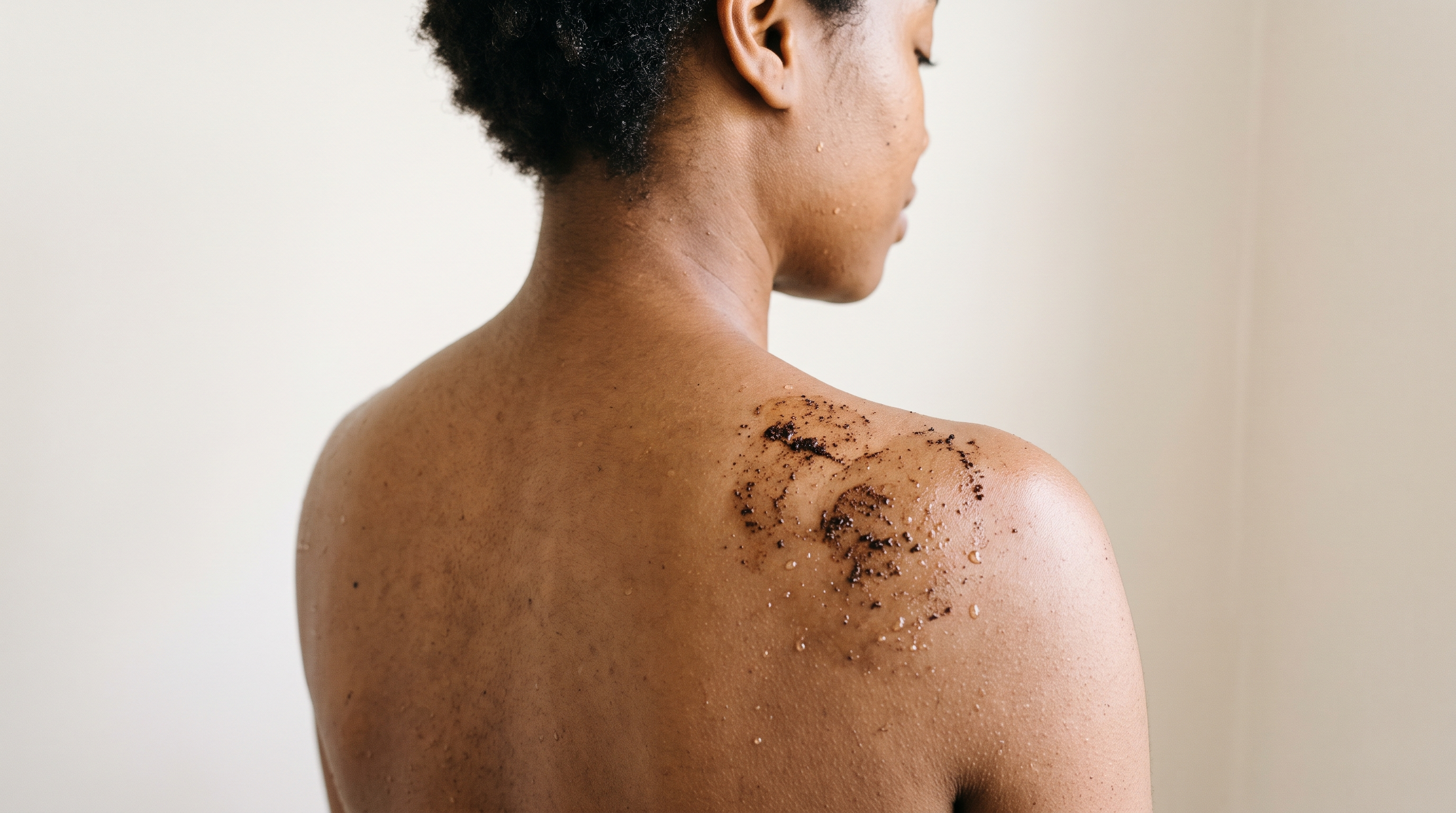
- Rinse with lukewarm water and soft fingertips: do not scrub. Coffee grounds are sharp and irregular, which is why they belong in a mask rather than a facial scrub; our coffee scrub guide explains why they are better saved for the body.
- Follow with moisturizer: a drying paste can leave skin feeling tight.
Once or twice a week is enough. Coffee can temporarily tint very fair skin and grout, so rinse well and wipe the sink.
Who should skip it
Skip coffee masks on broken, sunburned or freshly exfoliated skin, and if you have very reactive skin or active acne that worsens with rubbing. Stop if you notice stinging that lasts or redness that lingers after rinsing. People with a known coffee allergy should, of course, leave it in the mug.
Pairing a coffee morning with a retinol night
The most useful way to think about a coffee mask is as the morning half of a routine. It wakes the skin up, takes the edge off puffiness and feels good. The evening half is where long-term change happens, and that is retinol’s job: retinoids are among the few topical ingredients shown to rebuild collagen and smooth fine lines over months.
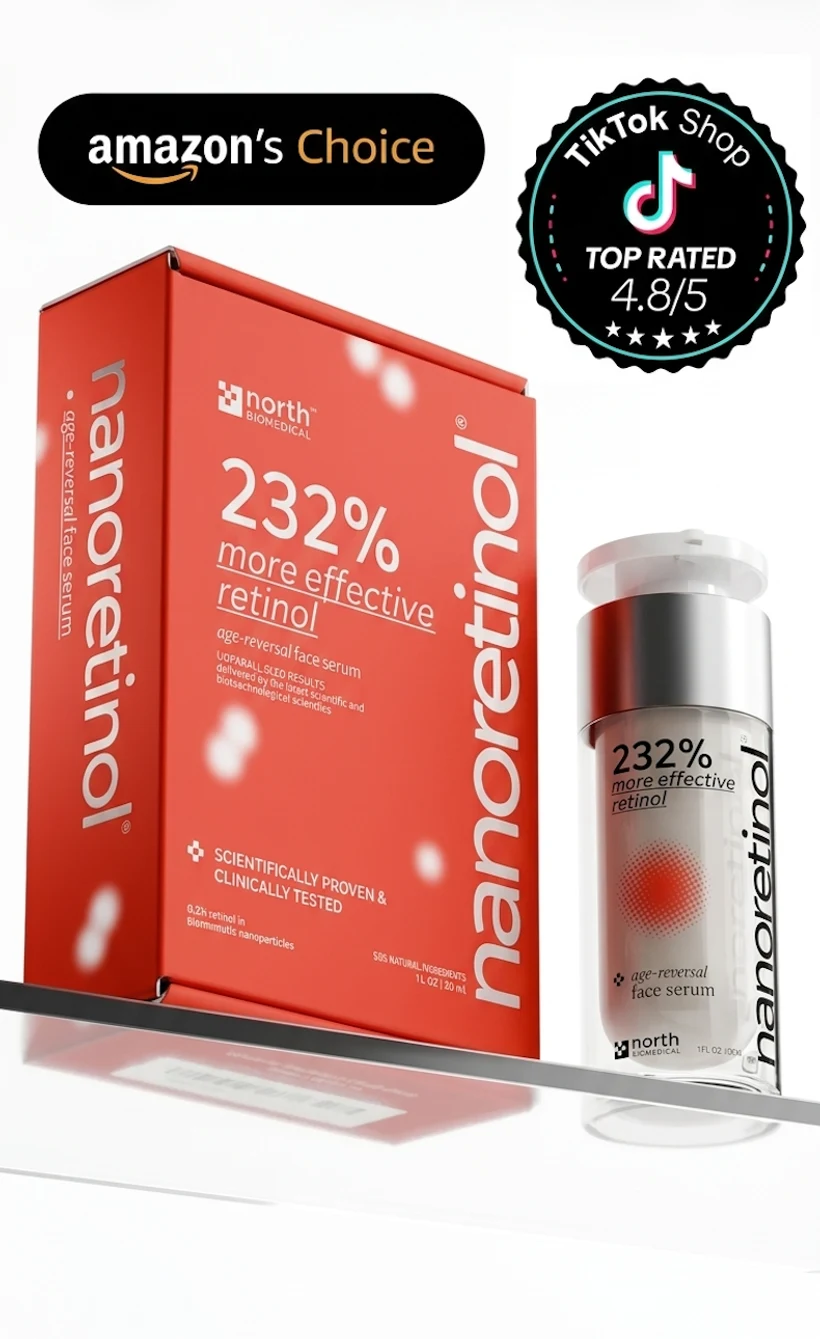
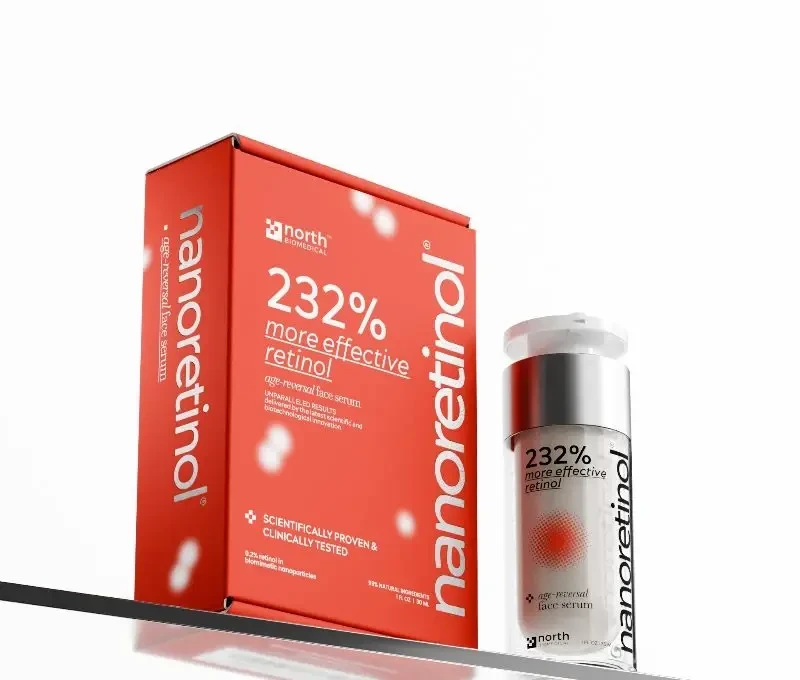
Nanoretinol is designed for exactly that role. It delivers 0.2% retinol inside biomimetic lipid nanoparticles in a light, water-based gel, so it absorbs fully and suits all skin types, including sensitive skin and the eye contour. In laboratory testing it was 232 percent more effective in collagen recovery than conventional retinol, and in clinical testing over 56 days users saw a 61 percent increase in firmness and a 56 percent increase in elasticity [6]. Enjoy the coffee mask in the morning, apply Nanoretinol at night, and wear sunscreen the next day.
References
- Herman A, Herman AP. “Caffeine’s mechanisms of action and its cosmetic use.” Skin Pharmacology and Physiology. 2013;26(1):8-14. doi:10.1159/000343174
- Chiang HM, Lin TJ, Chiu CY, et al. “Coffea arabica extract and its constituents prevent photoaging by suppressing MMPs expression and MAP kinase pathway.” Food and Chemical Toxicology. 2011;49(1):309-318. doi:10.1016/j.fct.2010.10.034
- Otberg N, Teichmann A, Rasuljev U, et al. “Follicular penetration of topically applied caffeine via a shampoo formulation.” Skin Pharmacology and Physiology. 2007;20(4):195-198. doi:10.1159/000101389
- Ahmadraji F, Shatalebi MA. “Evaluation of the clinical efficacy and safety of an eye counter pad containing caffeine and vitamin K in emulsified Emu oil base.” Advanced Biomedical Research. 2015;4:10. doi:10.4103/2277-9175.148292
- Fukushima Y, Takahashi Y, Kishimoto Y, et al. “Consumption of Polyphenols in Coffee and Green Tea Alleviates Skin Photoaging in Healthy Japanese Women.” Clinical, Cosmetic and Investigational Dermatology. 2020;13:165-172. doi:10.2147/CCID.S225043
- North Biomedical LLC. “Nanoretinol vs. Conventional Retinol: Efficacy in Collagen and Elastin Recovery.” Clinical Study Summary, 2024. Study summary