
Grapeseed Oil for Skin: The Antioxidant Oil's Real Benefits and Honest Limits
A lightweight, linoleic-acid-rich oil with genuine antioxidant credentials—and a firm ceiling on what it can do for wrinkles
Every few years an inexpensive kitchen oil gets reclassified as a skincare hero, and grapeseed oil is having its moment. It is cheap, nearly odorless, absorbs without a greasy film, and comes with an appealing origin story: it is pressed from the tiny seeds left behind after winemaking, a byproduct turned beauty ingredient. The claims that follow tend to be enthusiastic—that it erases wrinkles, tightens pores, and reverses sun damage.
Some of that is fair. A lot of it is not. Grapeseed oil is a genuinely useful oil with real, measurable properties. It also has a clear ceiling, and understanding where that ceiling sits is the difference between a smart purchase and a disappointed one.
What Grapeseed Oil Actually Is
Grapeseed oil is roughly 70% linoleic acid, an essential omega-6 fatty acid, with smaller amounts of oleic acid. Alongside those fats it carries two groups of bioactive compounds that matter for skin: proanthocyanidins (a class of polyphenol, sometimes called OPCs) and tocopherols, the family of molecules we know as vitamin E.
That composition explains its texture. Oils high in linoleic acid feel lighter and less occlusive than oils high in oleic acid, which is why grapeseed sinks in quickly and rarely leaves a slick. It also explains why grapeseed tends to sit better on oily and combination skin than heavier oils do.
The Antioxidant Case Is Real
The most defensible claims about grapeseed oil are antioxidant claims. Grape seeds are one of nature’s richest sources of proanthocyanidins, and these compounds are potent free-radical scavengers—biochemically among the more active plant antioxidants studied [1].
Vitamin E adds to this. Alpha-tocopherol is the predominant fat-soluble antioxidant in human skin, where it helps stabilize the barrier and neutralize the oxidative stress that ultraviolet light generates [5]. An oil that supplies both proanthocyanidins and tocopherols is delivering a legitimate antioxidant payload to the surface of the skin.
Grapeseed oil is roughly 70% linoleic acid, an essential omega-6 fatty acid, with smaller amounts of oleic acid.
There is even intriguing photoprotection data: grape seed proanthocyanidins reduce UV-driven oxidative damage in laboratory models [3]. It is worth being precise here, though—that evidence comes largely from dietary and animal studies, not from painting grapeseed oil on human skin. Grapeseed oil is not sunscreen, and nothing about its antioxidant content changes that.
Linoleic Acid and the Skin Barrier
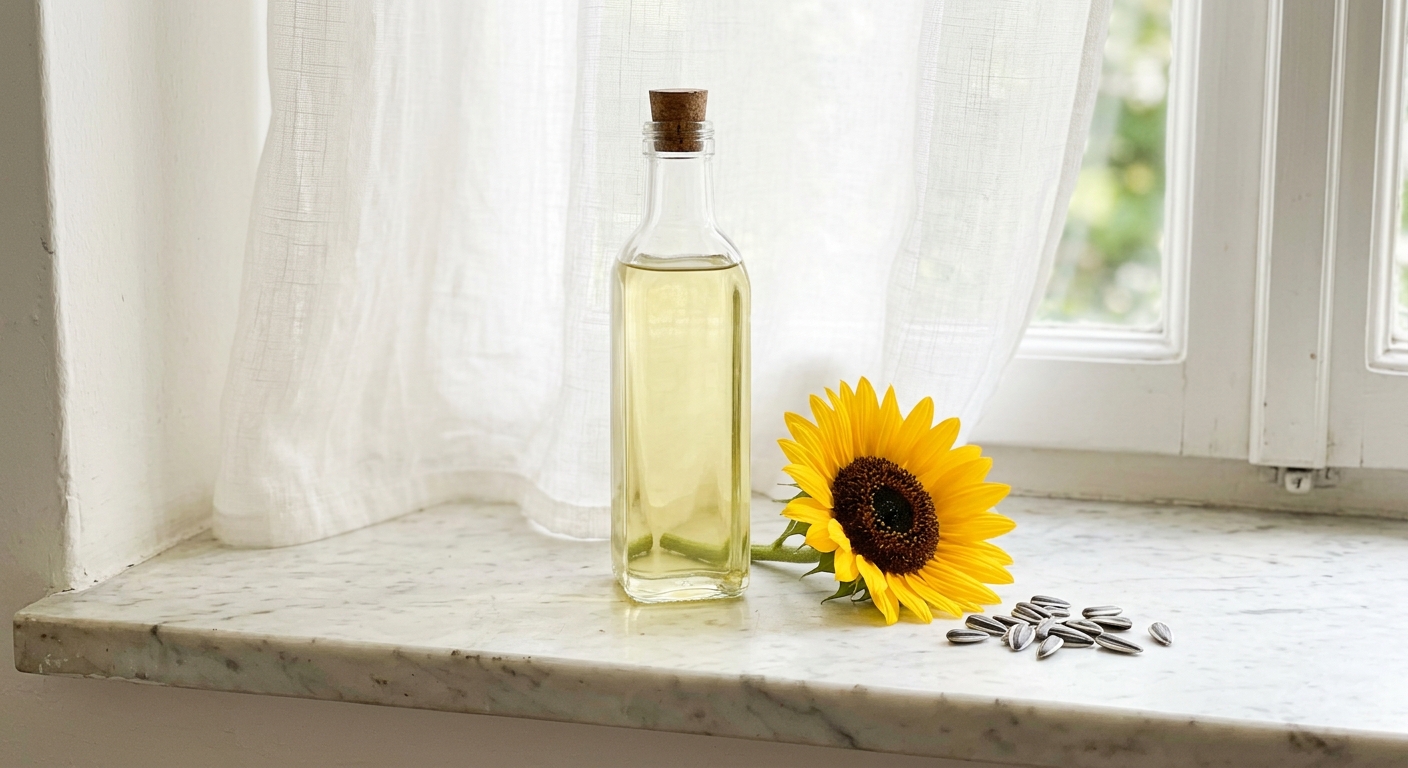
Linoleic acid is not just filler. It is a structural component of the skin’s own barrier lipids, and skin that is deficient in it tends to become dry, rough, and prone to clogged pores. In one classic study, topically applied linoleic acid reduced the size of follicular microcomedones by about a quarter over a month [4]. For people with oily or breakout-prone skin who have been told to fear all oils, a high-linoleic oil like grapeseed is often surprisingly well tolerated. Grapeseed is not the only choice here: sunflower oil is another high-linoleic, barrier-supporting oil that suits the same skin types.
More broadly, plant oils applied to the skin can calm inflammation, reinforce the barrier, and reduce the water loss that leaves skin feeling tight and dehydrated [6]. Grapeseed oil is a reasonable, low-cost way to get those barrier-supporting benefits.
Where It Can Genuinely Help
Put the evidence together and a realistic role emerges. Grapeseed oil is a good lightweight moisturizing oil that supplies antioxidants and essential fatty acids, suits oily and combination skin, and may help calm and support a compromised barrier. Its proanthocyanidins have even shown wound-healing activity in the dermis in experimental models, promoting the signaling that helps skin repair itself [2]. As a daily conditioning oil, it earns its place.
The Honest Limits
Here is where the marketing outruns the biology. Visible aging—the creasing, the loss of firmness, the crepey texture—originates deep in the dermis, where collagen-producing fibroblasts live. Rebuilding that structure requires an ingredient that can reach those cells and switch collagen production back on.
An oil, by design, works at and just below the surface: it conditions, it protects, it reduces water loss [6]. What it does not do is penetrate to the dermis and stimulate new collagen synthesis. No amount of grapeseed oil will reverse established wrinkles or lift sagging skin, because that is simply not the job an oil is built to do. Treating it as an anti-ager sets it up to fail.
If you want to explore that pairing, our guides to the best face oils for aging skin and building an antioxidant skincare routine are good next reads.
What Actually Rebuilds Aging Skin
The ingredient with the strongest evidence for rebuilding the dermal matrix is retinol. Unlike an oil, retinol signals fibroblasts to produce fresh collagen and helps counter the enzymes that break it down. The catch has always been delivery: conventional retinol is unstable, oxidizes easily, and often irritates the skin barrier on its way in—the opposite of what a barrier-supporting routine wants.
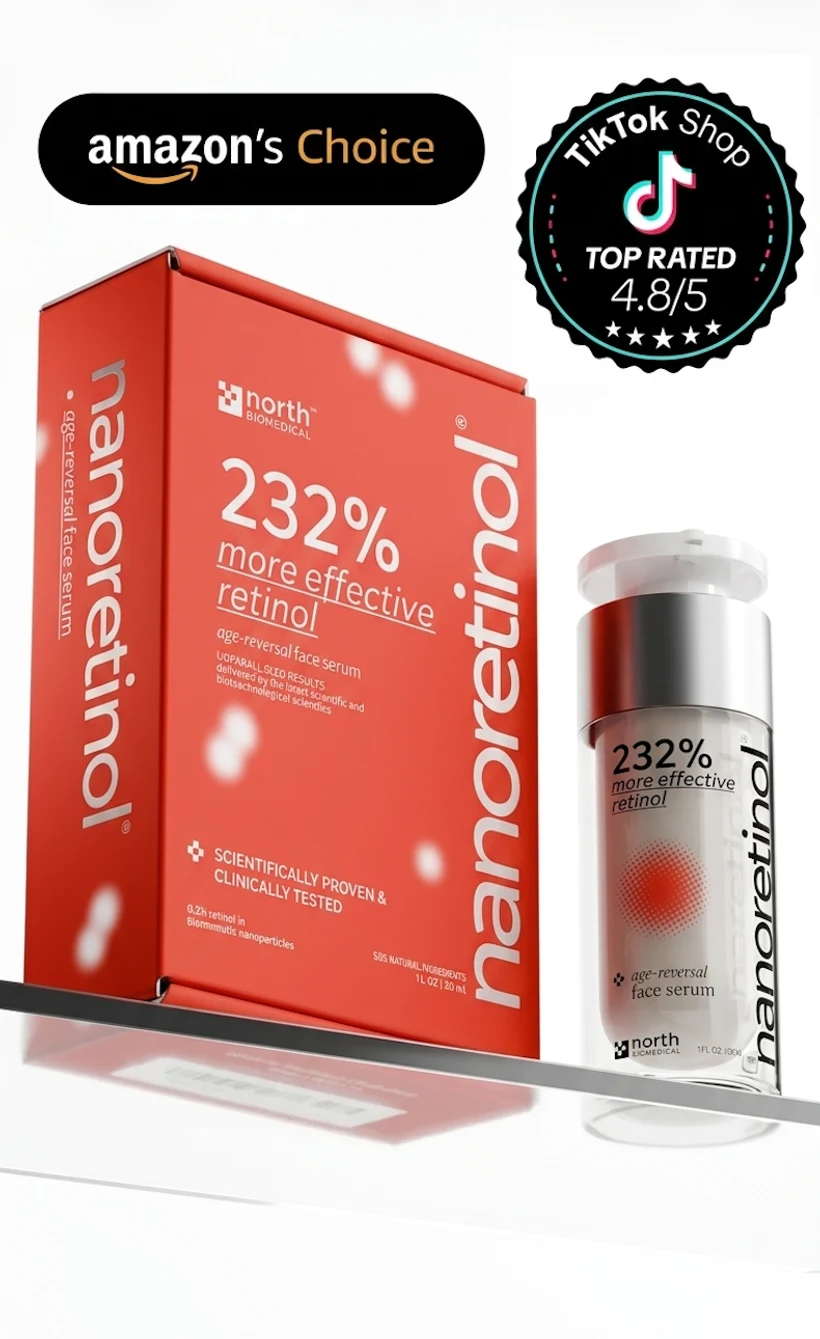
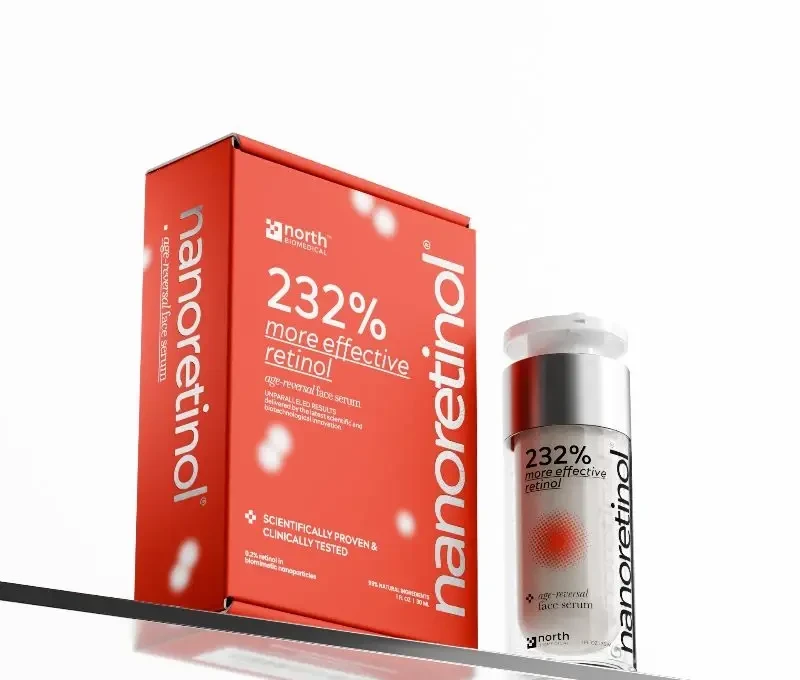
This is the problem Nanoretinol was built to solve. It encapsulates retinol inside biomimetic lipid nanoparticles that pass through the skin’s outer barrier intact and release their payload where fibroblasts can act on it. Because delivery is so much more efficient, a gentle 0.2% concentration outperforms harsher conventional formulas—clinical testing showed a 232% improvement in collagen recovery versus regular retinol, with markedly less irritation. That makes it a natural partner for an antioxidant oil: grapeseed conditions and protects the surface while an effective retinol does the structural work underneath. If you want to explore that pairing, our guides to the best face oils for aging skin and building an antioxidant skincare routine are good next reads.
How to Use Grapeseed Oil Well
Apply a few drops at night as the last step of a routine, or mix a drop into moisturizer. Because its antioxidants and fats are prone to oxidation, buy small bottles, choose cold-pressed where possible, and store it away from heat and light. If you also use a richer botanical oil such as argan oil, grapeseed is the lighter option for daytime or oilier skin.
Where Grapeseed Oil Fits
Grapeseed oil is a quietly good ingredient asked to do a job it was never designed for. As an affordable, lightweight source of antioxidants and barrier-supporting fatty acids, it deserves a spot in many routines—especially for oily and combination skin. As a wrinkle treatment, it cannot compete with an active that actually reaches the dermis. Use it for what it is: a supporting player, not the lead.
References
-
Shi J, Yu J, Pohorly JE, Kakuda Y. “Polyphenolics in Grape Seeds—Biochemistry and Functionality.” Journal of Medicinal Food. 2003;6(4):291-299. doi:10.1089/109662003772519831
-
Khanna S, Venojarvi M, Roy S, et al. “Dermal Wound Healing Properties of Redox-Active Grape Seed Proanthocyanidins.” Free Radical Biology and Medicine. 2002;33(8):1089-1096. doi:10.1016/S0891-5849(02)00999-1
-
Mittal A, Elmets CA, Katiyar SK. “Dietary Feeding of Proanthocyanidins from Grape Seeds Prevents Photocarcinogenesis in SKH-1 Hairless Mice: Relationship to Decreased Fat and Lipid Peroxidation.” Carcinogenesis. 2003;24(8):1379-1388. doi:10.1093/carcin/bgg095
-
Letawe C, Boone M, Piérard GE. “Digital Image Analysis of the Effect of Topically Applied Linoleic Acid on Acne Microcomedones.” Clinical and Experimental Dermatology. 1998;23(2):56-58. doi:10.1046/j.1365-2230.1998.00315.x
-
Thiele JJ, Ekanayake-Mudiyanselage S. “Vitamin E in Human Skin: Organ-Specific Physiology and Considerations for Its Use in Dermatology.” Molecular Aspects of Medicine. 2007;28(5-6):646-667. doi:10.1016/j.mam.2007.06.001
-
Lin TK, Zhong L, Santiago JL. “Anti-Inflammatory and Skin Barrier Repair Effects of Topical Application of Some Plant Oils.” International Journal of Molecular Sciences. 2018;19(1):70. doi:10.3390/ijms19010070