How to Get Rid of Textured Skin: Causes, Treatments, and Timeline
Rough, bumpy, uneven skin texture has specific causes — and specific treatments with clinical evidence behind them
Textured skin improves fastest when the treatment matches the cause. Salicylic acid is most useful for clogged, oily pores; an AHA can smooth dry surface buildup; a retinoid addresses slow turnover and photoaging; and true depressed acne scars usually need an in-office procedure. Using all of those at once often creates irritation that makes texture look worse. If you are deciding between the two, our AHA vs BHA guide breaks down when to reach for each.
This guide consolidates North Biomedical’s texture advice into one decision path, including what to use, what to alternate, and when a topical routine has reached its limit.
Why Textured Skin Is Such a Persistent Concern
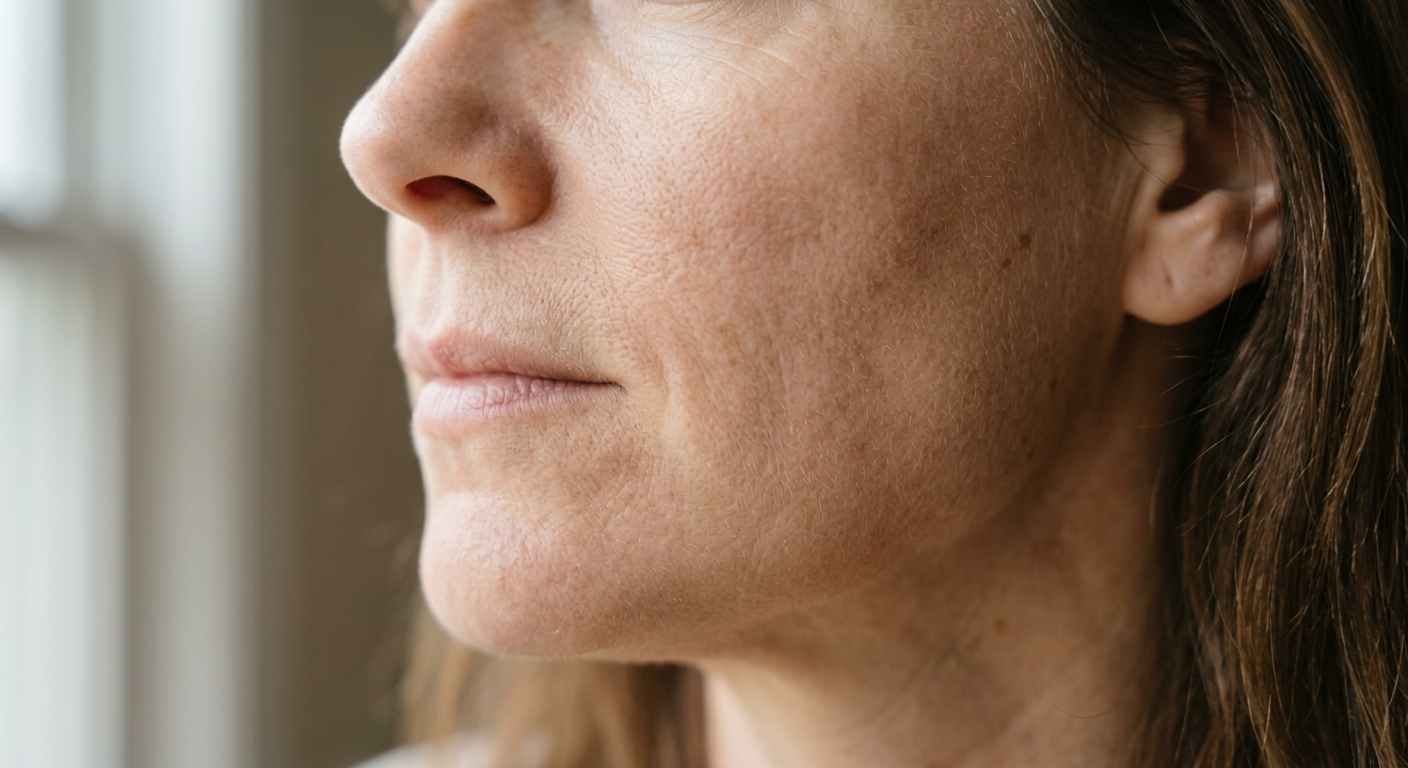
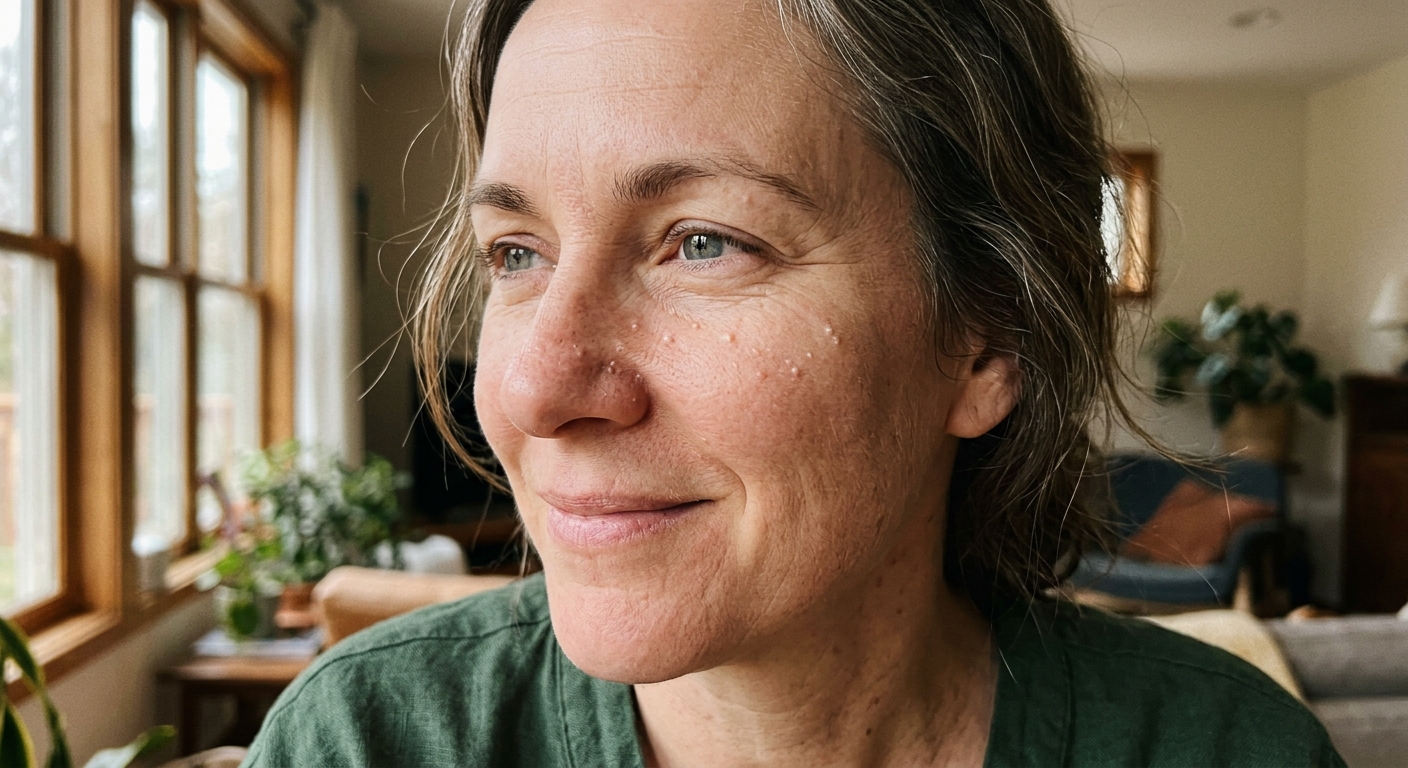
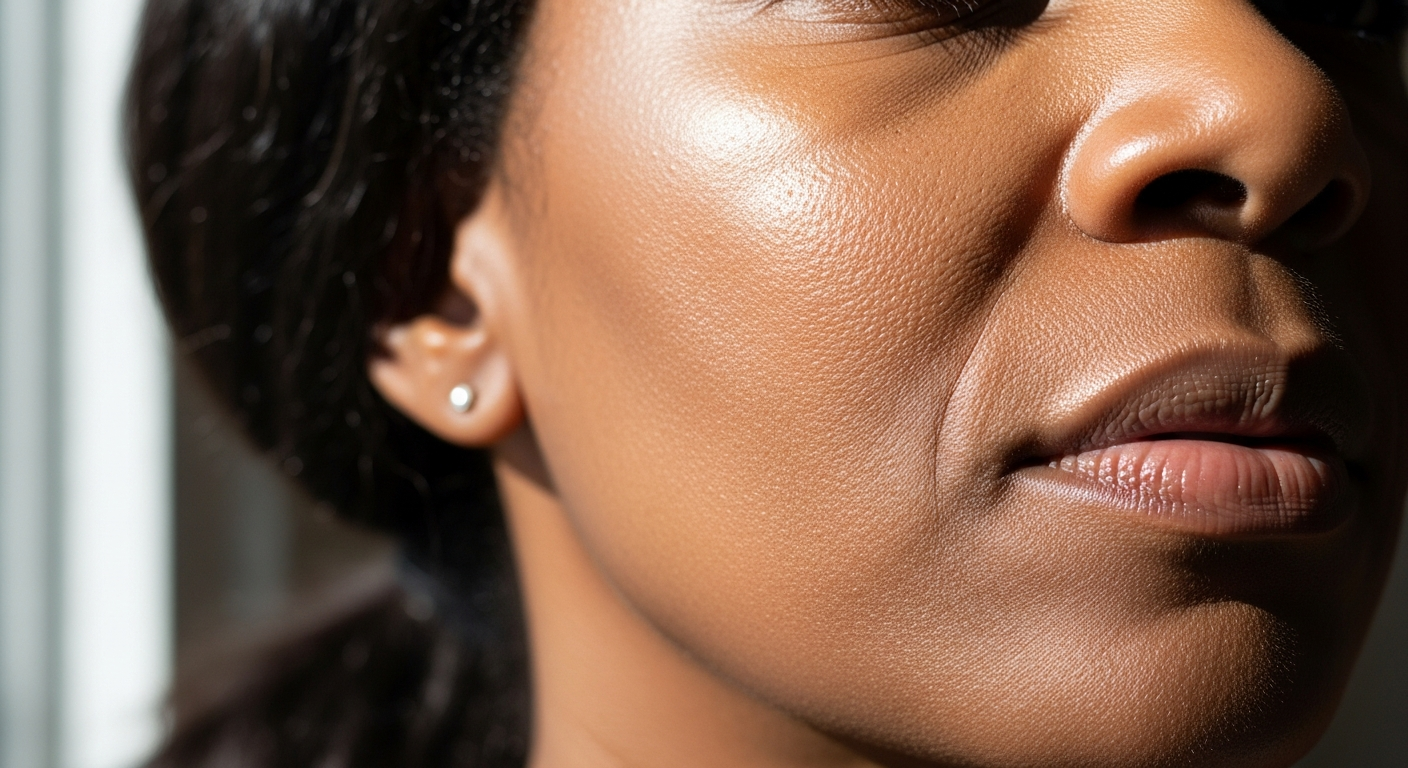
Search “how to get rid of textured skin” and you’ll find millions of results — a signal of how widely the concern is felt and how poorly it’s often explained. Skin texture isn’t a single condition. It’s a cluster of surface irregularities caused by several distinct mechanisms, each responding to different treatments. Products marketed for “smooth, glass skin” typically target the symptom rather than the underlying cause.
Getting clarity on what’s driving your specific texture issue changes the skincare calculus entirely.
The Main Causes of Textured Skin
Skin surface irregularities generally come from one of four sources:
Enlarged pores and excess sebum. The three primary causes of enlarged facial pores are high sebum output, decreased elasticity around the pore opening, and increased hair follicle volume [1]. Sebum output correlates most strongly with pore size — meaning oilier skin types tend to have more visible texture from pore enlargement. Age compounds the problem: reduced elasticity around pores allows them to appear larger as the surrounding skin loses its tension.
Dead skin cell accumulation. The outer layer of skin — the stratum corneum — constantly renews itself through desquamation. When cell shedding slows (due to aging, dehydration, or barrier disruption), dead cells pile up on the surface, creating a rough, dull appearance with visible surface irregularity.
Post-acne surface changes. Even mild inflammatory acne can leave behind altered skin surface topography: shallow depressions, micro-scarring, and roughness that changes how light reflects off the face. These are distinct from the deeper atrophic scars that require clinical treatment.
Photoaging. UV exposure degrades collagen and elastin in the dermis and disrupts the orderly architecture of the epidermis over time, creating skin that looks rough and uneven even in the absence of obvious wrinkles.
Sweeping off the cells that have already lifted is the quickest surface fix, and the best face scrub for that job is a gentler one than most people expect.
| Texture pattern | Common cause | Best-supported starting point |
|---|---|---|
| Oily T-zone with visible plugs | Sebum and clogged follicles | 1–2% salicylic acid |
| Dry, dull, flaky roughness | Surface cell buildup or dehydration | Moisturizer first; then a gentle AHA if needed |
| Enlarged pores with photoaging | Sebum plus reduced support around pores | Retinoid, niacinamide, and SPF |
| Shallow post-acne roughness | Irregular healing and surface turnover | Retinoid; consider professional assessment |
| Ice-pick, rolling, or boxcar scars | Dermal tissue loss | Procedures rather than skincare alone |
The Cell Turnover Connection
Most effective texture treatments converge on a single mechanism: accelerating how quickly new skin cells reach the surface and how efficiently old cells shed. Sweeping off the cells that have already lifted is the quickest surface fix, and the best face scrub for that job is a gentler one than most people expect.
Retinol drives keratinocyte differentiation and proliferation — the process by which new skin cells are generated in the basal layer and migrate outward to replace older surface cells [2]. Increased expression of Ki-67, a nuclear marker of active cell division, has been documented in biopsy studies following retinoid application. The clinical result: faster replacement of rough surface cells with newer, smoother ones.
This is mechanistically different from physical exfoliation, which removes existing dead cells but does nothing to accelerate the generation of new cells beneath the surface.
The Ingredients With the Strongest Evidence
Retinol
Multiple clinical studies document retinol’s measurable effects on skin texture, and the mechanism is well-established. A comparative study in the Journal of Cosmetic Dermatology found that topical retinol induced significant epidermal thickening — approximately 1.5-fold at higher concentrations — while also improving stratum corneum structure and reducing transepidermal water loss [3]. Both outcomes correspond directly to improved surface texture and reduced roughness.
A clinically controlled trial comparing 0.3% and 0.5% retinol serums found statistically significant improvements in skin roughness, elasticity, and wrinkle depth over 12 weeks, with the 0.5% concentration producing faster and more pronounced results [4]. The mechanism — increased cell turnover combined with collagen stimulation — addresses multiple texture drivers simultaneously.
Alpha Hydroxy Acids (AHAs)
AHAs like glycolic acid and lactic acid, often used as a leave-on lactic acid serum, accelerate desquamation by loosening the bonds that hold dead surface cells together. They’re effective for surface-level texture improvement and dullness, while professional glycolic-acid peels have also shown clinical and histologic improvement in photoaged skin [5][6]. At-home formulas are much weaker than professional peels. For texture driven by enlarged pores, excess sebum, or deeper scarring, AHAs are a complement rather than a complete solution.
Beta Hydroxy Acid (BHA)
Salicylic acid is oil-soluble, so it can enter sebum-filled follicles more readily than an AHA. That makes it the more logical first exfoliant for blackheads, clogged pores, and an oily T-zone. It is not automatically better for dry, age-related roughness. Start with one exfoliant category, use it on nights without retinol, and judge tolerance before adding anything else.
Not all retinol products deliver the same amount of active ingredient to the cells that matter.
Niacinamide
At concentrations of 4–5% or higher, niacinamide has documented effects on sebum production and the appearance of pore size — making it directly relevant for texture caused by enlarged pores and excess oil. It also supports the integrity of the skin barrier, which matters because a compromised barrier accelerates surface dryness and flaking that worsens visible texture.
How to Build a Texture-Focused Routine
A texture-improving skincare routine has three primary components:
-
Gentle cleansing that removes excess sebum without stripping the skin barrier. Harsh cleansers disrupt barrier function and paradoxically increase dryness-related texture by triggering more sebum production and surface flaking.
-
Targeted actives based on your dominant texture cause: retinol for cell renewal, collagen support, and photoaging-related texture; AHAs for surface dead-cell buildup; niacinamide for pore appearance and sebum control. Addressing uneven skin tone alongside texture often makes sense because both stem from the same root causes — sun damage and impaired cell renewal.
-
Consistent SPF every morning. UV damage directly degrades the proteins that keep skin surfaces smooth. Preventing further photoaging is as important as treating existing texture — and without daily sun protection, texture-improving actives work against a tide of ongoing damage. See our sunscreen for aging skin guide for the evidence on why SPF belongs before any other anti-aging active.
The timeline for texture improvement requires patience: skin cell turnover takes 28 days in younger skin and slows considerably with age, which means consistent use of active ingredients for at least 8–12 weeks is necessary before evaluating results.
Why Retinol Formulation Matters for Texture
Not all retinol products deliver the same amount of active ingredient to the cells that matter. Conventional formulations often use vehicles that disrupt the skin barrier to drive penetration — a mechanism that causes irritation and leads many people to discontinue use before the cell-renewal benefits appear.
Nanoretinol addresses this using lipid nanoparticle encapsulation: the nanoparticles are biomimetic (structurally recognized as “self” by skin cells), allowing passive transport through the epithelial barrier without disruption. The retinol is released inside the skin near target cells rather than sitting on the surface, which is where conventional formulations largely stay.
In clinical testing, Nanoretinol produced 232% greater collagen recovery than conventional retinol and a 61% increase in skin firmness within 56 days — while maintaining a significantly gentler side effect profile. For skin texture specifically, the deeper cell-renewal and collagen-stimulating effects address texture at its structural root rather than merely at the surface.
Setting Realistic Expectations
Textured skin doesn’t resolve quickly, and some types — notably post-acne atrophic scarring — have limited response to topical treatments alone and may benefit from clinical procedures. But for the most common texture drivers — enlarged pores, dead cell accumulation, early photoaging, and age-related cell turnover slowdown — the evidence for retinol-based intervention is strong and the timeline is predictable.
The variables that separate people who see consistent results from those who don’t are three: consistency of application, formulation quality, and matching the active ingredient to the specific mechanism driving their texture. All three are within your control. Texture also decides which cosmetics flatter you in the meantime, which is why the best highlighter for mature skin comes down to particle size rather than shade. A silicone primer works on the same principle, blurring texture optically without altering it, which our guide to dimethicone for skin unpacks.
| Time using a tolerable routine | A realistic change |
|---|---|
| 1–2 weeks | Better hydration and less surface flaking |
| 4–6 weeks | Smoother shedding and fewer fresh clogs |
| 8–12 weeks | More visible change from retinoids and consistent exfoliation |
| 3–6 months | Cumulative remodeling; reassess scars or persistent roughness for procedural care |
References
-
Lee SJ, Seok J, Jeong SY, Park KY, Li K, Seo SJ. “Facial Pores: Definition, Causes, and Treatment Options.” Dermatologic Surgery. 2016;42(3):277-85. doi:10.1097/DSS.0000000000000657
-
Quan T. “Human Skin Aging and the Anti-Aging Properties of Retinol.” Biomolecules. 2023;13(11):1614. doi:10.3390/biom13111614
-
Kong R, Cui Y, Fisher GJ, Wang X, Chen Y, Schneider LM, Majmudar G. “A comparative study of the effects of retinol and retinoic acid on histological, molecular, and clinical properties of human skin.” Journal of Cosmetic Dermatology. 2016;15(1):49-57. doi:10.1111/jocd.12193
-
Zasada M, Budzisz E, Erkiert-Polguj A. “A Clinical Anti-Ageing Comparative Study of 0.3 and 0.5% Retinol Serums: A Clinically Controlled Trial.” Skin Pharmacology and Physiology. 2020;33(2):102-116. doi:10.1159/000508168
-
Sharad J. “Glycolic acid peel therapy — a current review.” Clinical, Cosmetic and Investigational Dermatology. 2013;6:281-288. doi:10.2147/CCID.S34029
-
Newman N, Newman A, Moy LS, et al. “Clinical improvement of photoaged skin with 50% glycolic acid. A double-blind vehicle-controlled study.” Dermatologic Surgery. 1996;22(5):455-460. PMID: 8634809