Panthenol for Skin: The Barrier-Repair Ingredient Your Routine Might Be Missing
How vitamin B5 strengthens your skin's defenses and why it pairs perfectly with active treatments
The Ingredient That Fixes What Active Treatments Break
Here’s a pattern almost every skincare enthusiast knows: you start using retinol, vitamin C, or an exfoliating acid. It works — your skin looks better. Then after a few weeks, the barrier rebels. Dryness, tightness, redness. You scale back. Progress stalls.
The missing piece in most routines isn’t another active ingredient — it’s a repair ingredient. Something that rebuilds the skin barrier as fast as your treatments challenge it. Panthenol is the most clinically validated option for exactly this role, and it’s been hiding in plain sight in dermatology for over 70 years.
What Panthenol Actually Is
Panthenol (also labeled as dexpanthenol or provitamin B5) is the alcohol form of pantothenic acid — vitamin B5. When applied to the skin, it converts into pantothenic acid within the cells, which then becomes part of coenzyme A. This isn’t a minor metabolic footnote. Coenzyme A is essential for synthesizing fatty acids and sphingolipids — the exact lipids that form the mortar between skin cells in the stratum corneum [1].
Think of your skin barrier as a brick wall. The “bricks” are corneocytes (dead skin cells), and the “mortar” is a carefully organized mixture of ceramides, cholesterol, and free fatty acids. When that mortar deteriorates — from age, UV exposure, harsh cleansers, or potent active ingredients — water escapes, irritants enter, and inflammation follows. Panthenol feeds the biochemical pathway that manufactures new mortar.
What the Clinical Evidence Shows
Panthenol isn’t a social-media discovery. It has decades of rigorous clinical data — the kind most trending ingredients lack entirely.
Barrier Repair
A randomized controlled trial by Proksch et al. deliberately damaged the skin barrier using sodium lauryl sulphate (a standard irritation model), then compared dexpanthenol cream against vehicle alone. The dexpanthenol group showed significantly faster barrier repair, measured by transepidermal water loss (TEWL), along with improved stratum corneum hydration and reduced skin roughness [2].
This matters because TEWL is the gold standard measurement for barrier integrity — it tells you exactly how well the skin is holding water. The study demonstrated that panthenol doesn’t just make skin feel moisturized; it accelerates the actual structural repair of the barrier.
Wound Healing and Post-Procedure Recovery
A comprehensive 2020 review in Pharmaceuticals examined dexpanthenol’s role in wound healing across multiple clinical studies. The evidence showed that topically applied dexpanthenol promotes re-epithelialization, reduces inflammation, and restores barrier function after procedures including laser treatments, microneedling, and dermabrasion [3].
Something that rebuilds the skin barrier as fast as your treatments challenge it.
At the molecular level, dexpanthenol upregulates genes critical for the healing process — including those involved in keratinocyte migration and proliferation. This gene-expression data is backed by the clinical outcomes: faster healing, less erythema, and better cosmetic results post-procedure.
Hydration That Lasts
Unlike humectants that pull water from the environment (or from deeper skin layers when humidity is low), panthenol works by improving the skin’s own water-retention capacity. It penetrates into the stratum corneum, binds water, and simultaneously strengthens the lipid matrix that prevents water escape. Clinical measurements consistently show improved hydration that persists beyond the typical few-hour window of standard moisturizers [1][2].
Anti-Inflammatory Properties
A 2022 expert review on dexpanthenol’s use in atopic dermatitis documented significant anti-inflammatory effects, including reduced flare frequency and reduced need for topical corticosteroids. The mechanism involves modulation of inflammatory cytokine pathways — panthenol calms reactive skin through genuine biochemical intervention, not just by providing a protective film [4].
Where Panthenol Fits in an Anti-Aging Routine
Panthenol isn’t competing with your retinol, your peptide serum, or your vitamin C. It’s enabling them.
Here’s the strategic logic: the most effective anti-aging ingredients — retinoids, AHAs, vitamin C at low pH — all challenge the skin barrier to some degree. Retinoids accelerate cell turnover, which temporarily thins the stratum corneum. Glycolic acid dissolves the intercellular cement. Vitamin C formulations require acidic pH levels that can sting reactive skin.
Panthenol provides the repair capacity to absorb these challenges without the barrier collapsing. When your barrier stays intact, you can use your active ingredients more consistently, at effective concentrations, without the forced breaks that interrupt treatment and slow results.
Practical Application
With retinoids: Apply a panthenol-containing moisturizer 5 to 10 minutes after your retinoid. This allows the retinol to absorb first, then seals the barrier with the repair support it needs. This approach is particularly effective during the retinol adjustment period when irritation risk is highest.
Panthenol isn’t competing with your retinol, your peptide serum, or your vitamin C.
With acids: Use panthenol as the recovery step after chemical exfoliation. The barrier damage from AHAs and BHAs is transient by design — panthenol shortens the recovery window.
Post-procedure: After professional treatments like chemical peels or laser, panthenol-based aftercare is the clinical standard for good reason. It measurably accelerates healing [3].
As a daily base: A panthenol serum or moisturizer used morning and night provides consistent barrier support regardless of what other actives you’re using. Look for concentrations of 2–5% for therapeutic benefit.
Why Delivery Matters for Everything — Including Barrier Support
Panthenol solves the barrier side of the equation. But the other half — the active treatment side — has its own delivery challenge.
Conventional retinol formulations partially disrupt the very barrier that panthenol is trying to repair. It’s a tug-of-war: your retinol damages the mortar to get through, then your panthenol rebuilds it, then the retinol damages it again tomorrow night. Progress happens, but it’s inefficient and often uncomfortable.
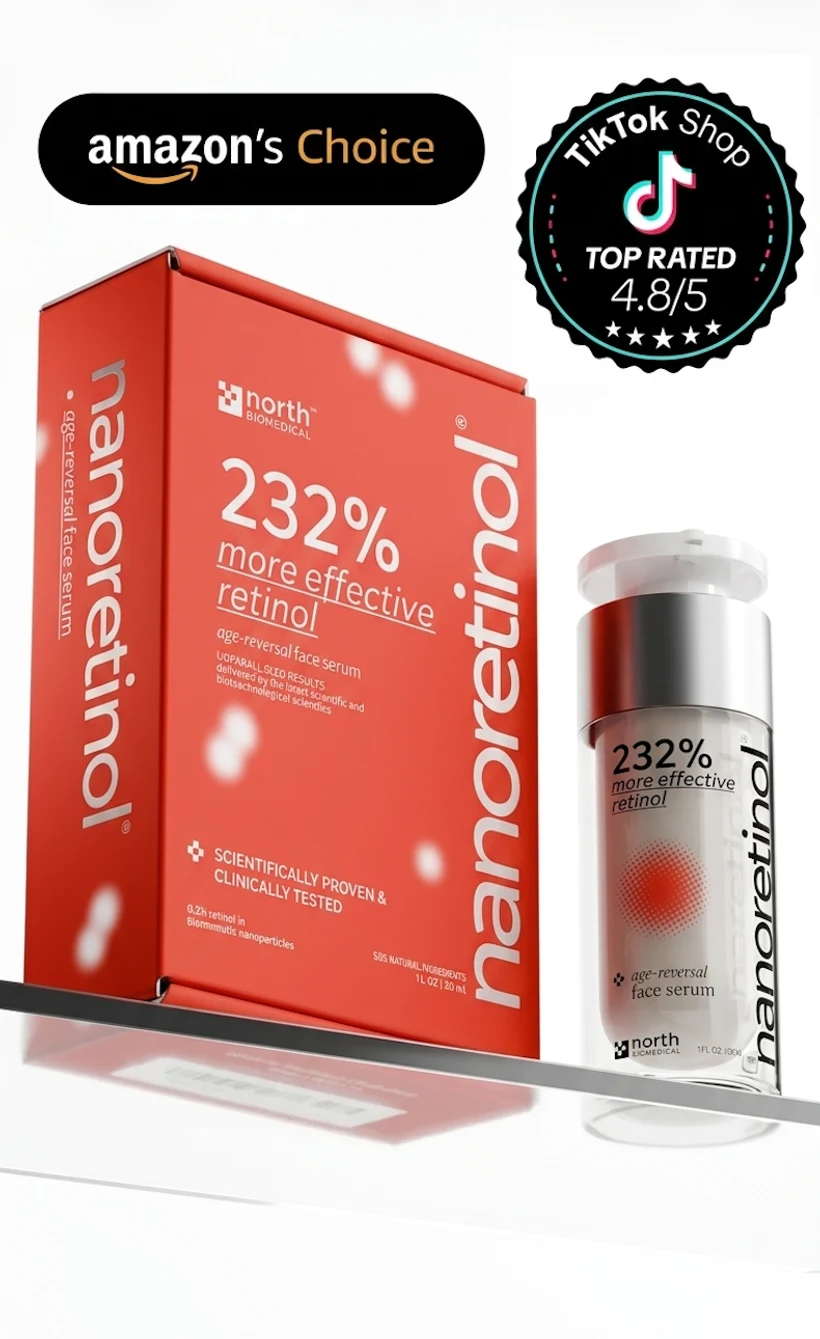
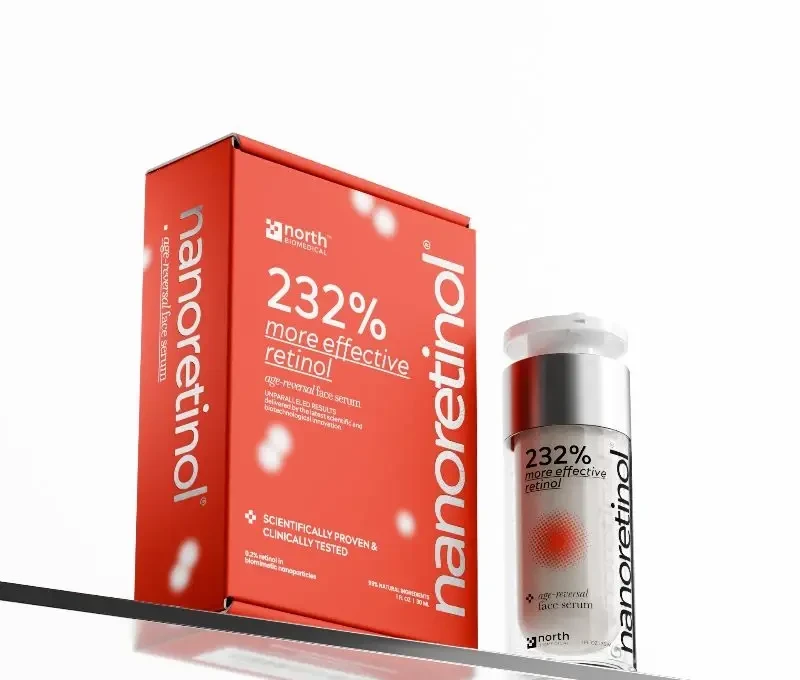
This is why delivery technology matters. Nanoretinol® encapsulates retinol in biomimetic lipid nanoparticles that pass through the skin barrier without disrupting it — the body recognizes the nanoparticles as “self” and allows passage [5]. The result: +232% more collagen recovery and +73% more elastin recovery versus conventional retinol, with significantly less irritation [6].
When your retinoid stops fighting the barrier, panthenol can focus entirely on its actual job — maintaining hydration, supporting lipid synthesis, and keeping the stratum corneum resilient. The combination of a barrier-friendly retinoid delivery system and a proven barrier repair ingredient like panthenol creates a compounding effect: better tolerance, more consistent use, and ultimately faster visible results.
How to Choose a Good Panthenol Product
Not all panthenol formulations are equal. Here’s what to look for:
Concentration: 2–5% dexpanthenol for meaningful clinical effect. Products listing panthenol last in the ingredients aren’t delivering therapeutic amounts.
Formulation type: Panthenol works well in both water-based serums and cream formulations. For oily or combination skin, a lightweight serum avoids the heaviness of traditional barrier creams. For dry or mature skin, a cream that combines panthenol with ceramides and niacinamide provides comprehensive barrier support.
What to avoid: Panthenol is extraordinarily well-tolerated — adverse reactions are rare even in sensitive and atopic skin types [4]. It’s one of the few skincare actives that genuinely works for everyone. However, avoid formulations that combine panthenol with heavy fragrances or known irritants, which undermine the repair benefit.
Rethinking the “Active Ingredient” Obsession
The skincare industry markets novelty and potency — the newest peptide, the highest vitamin C concentration, the most advanced retinoid. What gets less attention is the infrastructure that makes those actives work: a resilient barrier, adequate hydration, and a skin environment calm enough to respond to treatment rather than fight it.
Panthenol represents this infrastructure layer. It won’t generate dramatic before-and-after photos on its own, but it creates the conditions where every other product in your routine performs measurably better. After 70 years of clinical evidence, it deserves a permanent spot in your lineup.
References
- Ebner F, Heller A, Rippke F, Tausch I. “Topical use of dexpanthenol in skin disorders.” Am J Clin Dermatol. 2002;3(6):427-433. doi:10.2165/00128071-200203060-00005
- Proksch E, Nissen HP. “Dexpanthenol enhances skin barrier repair and reduces inflammation after sodium lauryl sulphate-induced irritation.” J Dermatolog Treat. 2002;13(4):173-178. doi:10.1080/09546630212345674
- Gorski J, Proksch E, Baron JM, et al. “Dexpanthenol in Wound Healing after Medical and Cosmetic Interventions (Postprocedure Wound Healing).” Pharmaceuticals. 2020;13(7):138. doi:10.3390/ph13070138
- Choi FD, Juhász MLW, Atanaskova Mesinkovska N. “Use of Dexpanthenol for Atopic Dermatitis—Benefits and Recommendations Based on Current Evidence.” J Clin Med. 2022;11(14):3943. doi:10.3390/jcm11143943
- Iqbal B, Ali J, Baboota S. “Use of Retinoids in Topical Antiaging Treatments: A Focused Review of Clinical Evidence for Conventional and Nanoformulations.” Adv Pharm Bull. 2022;12(4):649-665. doi:10.34172/apb.2022.069
- North Biomedical LLC. “Nanoretinol® vs. Conventional Retinol: Efficacy in Collagen and Elastin Recovery.” Clinical Study Summary, 2024.